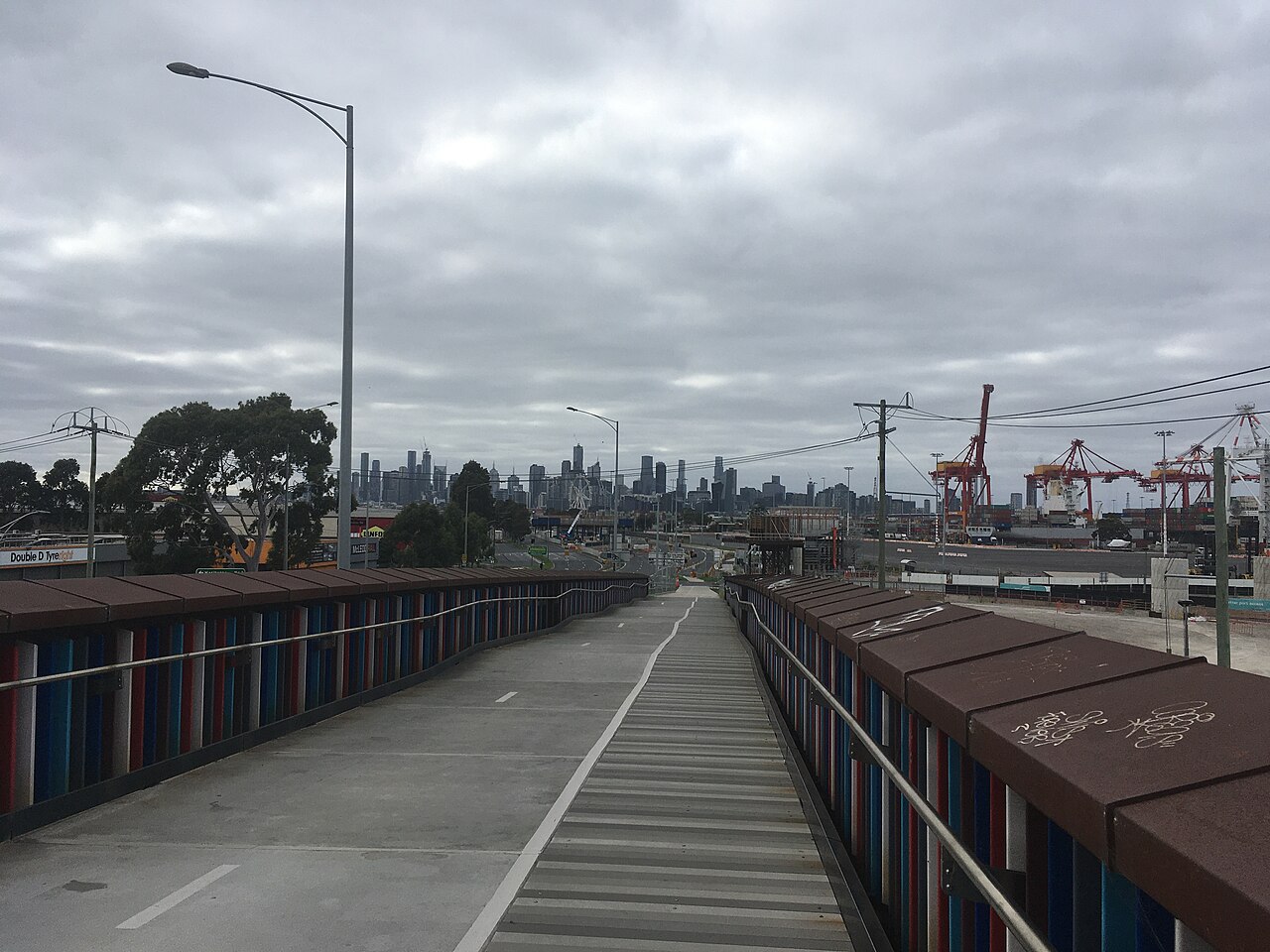
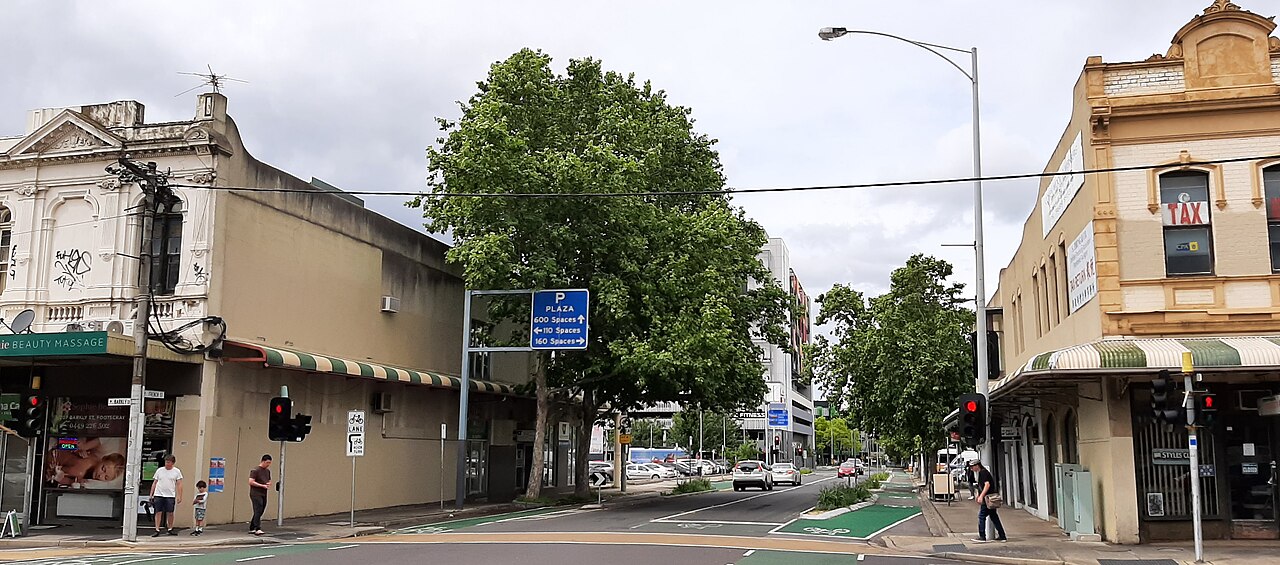
Verdict Box
Best for — renters who want trains, cheap-ish eats, market runs, and a suburb that still has rough edges. Skip if — you want quiet streets, easy parking, polished apartment towers, or a predictable after-dark feel. Rent pressure — real but uneven: older walk-ups and compact units still undercut Yarraville/Seddon, while newer Joseph Road and riverside stock can price like a lifestyle brochure. Commute reality — excellent on paper, with Footscray Station doing heavy lifting across western train lines; less excellent when late-night works, disruptions, or station crowding hit. Food scene — strong in daylight and dinner hours, but after 10pm you need to know your exact target. Do not assume every cafe strip becomes a supper strip. Family fit — better west and south of the centre than right on the loudest roads, but school-run parking and truck traffic matter. Overall score — 7.4/10. Footscray rewards people who like convenience more than polish.
At-a-Glance Table
| Factor | Footscray 2026 |
|---|---|
| LGA | Maribyrnong City Council |
| Postcode | 3011 |
| Geographic tier | Inner |
| Region | inner-west |
| Transport grade | A+ |
| Overall grade | C+ |
Who It Suits
Marcus, 38, hospo-adjacent — wants dinner late, rent below the inner-north tax, and no landlord fairy tales. The Shift Worker — values Footscray Station, quick food, and streets that still function after office hours. The Budget Realist — can accept noise and parking pain in exchange for genuine inner-west access.
Rent & Property Reality
Median 1BR unit rent in Footscray is about $450 a week, with annual growth around 3.5% on mid-2026 suburb rental summaries; Domain is also showing $450 a week for 1-bedroom units in its Footscray rental snapshot, while REA listings put the broader unit market around the low-$500s and rising year-on-year. That is the number to keep in your head before you fall for the idea that Footscray is still automatically cheap.
At $450 a week, a one-bedder is not bargain-basement inner-city living. It is the price you pay to sit roughly 5km west of the CBD with a serious train station, proper food density, Victoria University nearby, and quick access to Seddon, Yarraville, Kensington, West Melbourne, and the hospital/university corridor. The catch is that the median hides two different Footscrays. The older one-bedroom stock around Gordon Street, Ballarat Road, Droop Street, Empire Street, and older walk-up pockets can still look comparatively sane, especially if you do not need a car space, lift, gym, concierge, or river view. The newer apartment belt around Joseph Road, Moreland Street, Warde Street, Hallenstein Street, McNab Avenue, and Hopkins Street can jump quickly once you add parking, views, building amenities, or a landlord who thinks a stone benchtop is a personality.
The rent pressure is not just from young professionals. Footscray catches students, hospital workers, western-suburbs families downsizing, people priced out of Seddon and Yarraville, and commuters who want rail choice without paying Kensington or North Melbourne money. A $450 one-bedder is still defensible if it is clean, secure, close to the station, and not facing a major traffic corridor. A $520-plus one-bedder needs to justify itself with space, light, storage, noise control, and a parking arrangement that does not become a weekly argument. Inspect at night, not only at 11am on a Saturday.
Local Reality & Pockets
The easiest version of Footscray is close enough to Footscray Station to use it daily, but not so close that every night feels like you live inside the interchange. Streets around Hopkins Street, Paisley Street, Nicholson Street, Leeds Street, Barkly Street, and Irving Street put you in the middle of food, trains, markets, buses, and the everyday mess that makes the suburb useful. That is ideal if you work odd hours, eat late, and would rather walk than drive. It is less ideal if you want silence, simple visitor parking, or a bedtime routine that depends on the street shutting down early.
For a calmer rental search, look at the edges before you dismiss them. Pockets toward Seddon, parts of Essex Street near West 48, the quieter runs off Barkly Street, and residential streets away from Ballarat Road and Geelong Road can feel more liveable while still keeping the suburb within reach. Around Leeds Street and the station, convenience is the win; around Gordon Street, Ballarat Road, and Geelong Road, check traffic noise, tram/train access, and how exposed the apartment is to main-road dust and sirens. Around Joseph Road and the river apartments, inspect body corporate standards, lift wait times, wind, construction outlook, and whether the glossy lobby is doing too much work in the rent.
Parking is the first gotcha. Footscray rewards people without cars and punishes households pretending one permit will solve everything. Check permit eligibility with the council, physically count nearby timed spaces after 7pm, and ask whether the building has stacked parking, visitor bays, or none at all. The second gotcha is late-night amenity versus late-night noise. Being near Barkly Street or Hopkins Street is useful when you want food after 10pm, but you may also get delivery riders, bins, arguments, traffic, and station spillover. Transport is excellent by Melbourne standards, especially from Footscray Station, but disruptions and line changes still matter. If your work depends on one exact late train, test the journey before signing.
Signature Craving
Footscray’s craving is not a dainty brunch plate pretending rent is fine. It is the practical feed you grab between errands, shifts, inspections, and a train you are half-watching on the app. Ollie’s Deli on Barkly Street is the right kind of anchor for that: sandwich-first, useful, and placed on a strip where people actually move through the suburb rather than posing in it. For the late-night article angle, the honest point is sharper: do not judge Footscray only by cafes, because many are daytime creatures. Rudimentary on Leeds Street, Miss An’am on Charles Street, Coffee Fellows, West 48 on Essex Street, and beans & nuts all help map the suburb’s daily rhythm, but after 10pm you need specific opening hours, not vibes. The good Footscray move is eating early, knowing your backup, and living close enough that a failed late-night plan is only annoying, not expensive.
Comparisons Table
| Suburb | Transport | Tier | Region |
|---|---|---|---|
| Footscray | A+ | Inner | inner-west |
| Braybrook | D+ | Inner | inner-west |
| Kingsville | N/A | Inner | inner-west |
| Maidstone | N/A | Inner | inner-west |
Trust Block
Author: Marcus Cole — Long-time Melbourne local who eats his way through the inner-east. Property cynic.
Data: data/melbourne_suburbs_master.json (Codex per-LGA enumeration, cross-checked vs VEC + Australia Post + ABS SA2 boundaries), data/suburb_scores.json (composite percentile grades), data/venues/.json (OpenStreetMap + Gemini-verified venue catalog).
Last reviewed: 2026-05-26. Not financial advice. We do not accept paid placements in editorial.
FAQ
Q: Is Footscray actually good for late-night food after 10pm? A: Yes, but only if you treat it as a targeted late-night suburb rather than assuming the whole place stays open. Footscray has strong food density around Barkly Street, Hopkins Street, Leeds Street, Nicholson Street, and the station area, but cafes and daytime operators will not save you after 10pm. The smart approach is to check current hours before leaving home, keep a shortlist near Footscray Station, and remember that delivery availability can change faster than the street itself.
Q: Where should renters live if they want late-night access without constant noise? A: Aim for walking distance to Footscray Station or Barkly Street, but avoid being directly above the loudest shopfronts, intersections, or main-road corners unless the apartment has serious glazing. Streets edging toward Seddon, quieter runs off Essex Street, and residential pockets set back from Hopkins Street can give you access without the full soundtrack. Inspect at 9pm or later if late-night livability matters. Daytime inspections hide delivery traffic, train noise, bins, and the feel of the walk home.
Q: Is Footscray still cheaper than nearby inner-west suburbs? A: Often, but the gap is narrower than people remember. A one-bedroom unit around $450 a week can still undercut parts of Seddon, Yarraville, Kensington, and North Melbourne, especially in older stock. Newer apartments near Joseph Road, Hopkins Street, Moreland Street, and the river can erase that advantage quickly. The value is strongest when you get train access, decent space, and a tolerable noise profile. Paying premium rent for a tiny apartment with poor storage is not a clever Footscray compromise.
Q: What are the main streets to understand before moving to Footscray? A: Barkly Street is the everyday food and retail spine. Hopkins Street connects station life, traffic, and a lot of the suburb’s practical movement. Leeds Street has cafes and civic energy. Nicholson Street and Irving Street matter around the station and market zone. Gordon Street, Ballarat Road, and Geelong Road are more exposed to traffic, so inspect carefully for noise and air quality. Essex Street and some side streets can feel calmer while keeping you close enough to the useful parts.
Q: Is parking as bad as people say? A: It can be, especially near the station, Barkly Street, Hopkins Street, market days, and apartment-heavy pockets where one-bedroom listings come with no car space. Footscray is much easier if you use trains, bikes, trams, buses, or walking for most trips. Before signing a lease, check whether the property has a dedicated space, whether street permits are available, and what the street looks like after dinner. A 10am inspection tells you almost nothing about weeknight parking stress.
Q: Does Footscray feel safe late at night? A: It depends heavily on the pocket and your tolerance for inner-city street life. The station and main strips can feel busy, messy, and occasionally tense rather than uniformly dangerous. Well-lit routes near active shopfronts usually feel better than quiet back streets with blank walls or poor lighting. If you are choosing a rental for late shifts, walk the route from Footscray Station to the front door after dark, check building entry security, and avoid places where the final two minutes feel worse than the commute.
Q: Which type of apartment is the best bet in Footscray? A: Older walk-ups can offer better proportions and lower rent, but they may come with dated kitchens, weak heating, shared laundries, or limited soundproofing. Newer towers can offer lifts, security, and better insulation, but some have small floorplans, high turnover, lift delays, and rents that no longer feel like Footscray value. The best one-bedroom rental is boring in the right ways: good light, real storage, secure entry, ventilation, a manageable street, and no heroic sales pitch from the agent.
Q: How good is public transport from Footscray? A: Footscray is one of the stronger public transport suburbs in the west because Footscray Station connects several western rail corridors and gives quick access toward the CBD and major interchange points. That is the suburb’s strongest practical argument. The weakness is that rail changes, disruptions, and late-night replacement buses can still hurt, especially if you work non-standard hours. Check your exact commute, including the trip home after 10pm, before deciding that the station proximity solves everything.
Q: Should families consider Footscray or look further out? A: Families can make Footscray work, but they need to be pickier than single renters. The best fit is usually away from the loudest roads and nightlife edges, with a realistic plan for parking, school runs, groceries, and outdoor space. A townhouse or older house on a calmer side street will usually feel very different from a compact apartment near the station. If quiet evenings, easy pram movement, and car storage matter, inspect the surrounding blocks as carefully as the property itself.