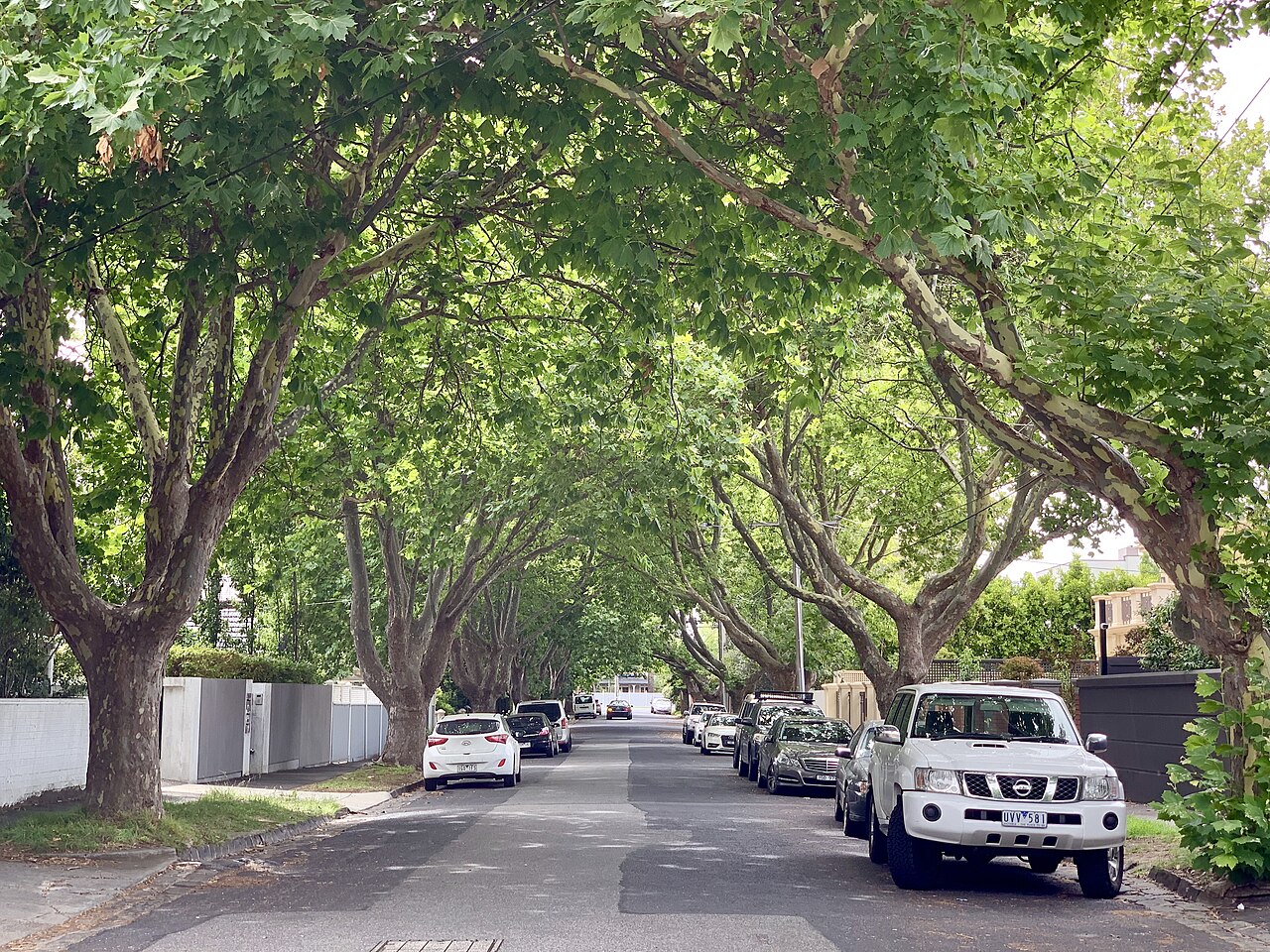
Verdict Box
Best for: retirees with a paid-off home, strong rental budget, or family already in Bayside. Skip if: you need cheap rent, flat walking everywhere, or guaranteed visitor parking. Rent pressure: high. A 1-bedroom unit sits around $495 per week, while the broader unit median is $650 per week and still rising. Commute reality: Hampton station is useful, but the Sandringham line is not doorstep-close for every pocket. Bluff Road and South Road addresses can feel less retiree-friendly without a car. Food scene: practical rather than showy. You get cafes, pizza, groceries, and Chinese takeaway, but not endless late-night choice. Family fit: strong for downsizers who want adult kids and grandkids nearby, weaker for anyone relying on public housing-style affordability. Overall score: 7.5/10. Hampton works beautifully if money and mobility are already sorted. It is less forgiving if either one is fragile.
At-a-Glance Table
| Factor | Hampton 2026 |
|---|---|
| LGA | Bayside City Council |
| Postcode | 3188 |
| Geographic tier | South |
| Region | middle-south |
| Transport grade | C+ |
| Overall grade | C |
Who It Suits
Margaret, 72, downsizing from Sandringham — wants the beach, train and a smaller home without leaving Bayside habits behind. The Car-Light Couple — can manage daily errands around Hampton Street, Thomas Street and the station without driving every trip. Retired Grandparent With Bayside Family — pays the premium because the social value of being nearby is worth more than cheaper rent inland.
Rent & Property Reality
$495 per week is the current visible median for 1-bedroom units in Hampton, with the broader Hampton unit market up 4% year on year according to the REA Hampton rental market snapshot. That distinction matters: the 1-bedroom line gives retirees the realistic entry point, while the 4% lift tells you the pressure is still moving against renters rather than easing.
In plain language, Hampton is not a bargain downsizer suburb. A retiree renting alone should treat $495 per week as the base case for a modest 1-bedroom unit, not the top of the market. Once you want a lift, secure parking, a newer building, a second bedroom for family stays, or a quieter street closer to the beach side of Hampton Street, the number can move quickly. REA’s same snapshot puts Hampton’s overall unit median at $650 per week based on listings over the past 12 months, which is a better guide for couples who want space or older renters who do not want to compromise on access.
The trap is comparing Hampton with cheaper suburbs on rent alone. If you already spend on taxis, medical trips, family visits, grocery delivery and paid parking, a well-located Hampton unit can simplify life. Living close to Hampton station, Hampton Street shops, Thomas Street Grocery, Merrymen on Small Street and basic services can reduce the number of car trips in a week. That can be worth real money and energy.
The harsher read is that Hampton can punish fixed incomes. Pension-only renters will find the margin thin, especially with utilities, insurance, owners corporation pass-through pressures in newer apartments, and rent reviews. A 1-bedroom unit at $495 per week is roughly $25,740 a year before bills. For retirees using super drawdowns, that may be fine. For renters trying to stretch a government payment, Hampton is likely too exposed unless there is family support or unusually low legacy rent.
My practical verdict: Hampton suits retirees who are buying, downsizing, or renting with a strong buffer. It is a poor fit for anyone hoping Bayside lifestyle can be made cheap by choosing a smaller unit. The smaller unit helps, but the suburb premium remains.
Local Reality & Pockets
For retirees, the best Hampton pocket is usually the one that removes daily friction, not the one that looks most impressive on a map. Start around Hampton Street near the station if you want train access, pharmacy runs, coffee, groceries and casual meals without driving. Streets feeding into Hampton Street can be very convenient, but inspect parking and noise carefully. A unit above or behind the strip may be walkable, yet bins, delivery trucks, early cafe setup and weekend traffic can become tiresome if your balcony or bedroom faces the wrong way.
Small Street is useful because Merrymen gives you a local cafe anchor and the station-side village feel is close by. Thomas Street is also worth a look, especially near Thomas Street Grocery at 116a Thomas Street, because it gives a quieter residential rhythm while still keeping daily errands realistic. Highett Road has practical appeal around Coffee Shop At Raw at 97 Highett Road, but it is more car-shaped in sections and can feel less gentle for older pedestrians depending on the exact crossing points.
Bluff Road needs more caution. Da Belcibo at 355 Bluff Road is handy for easy takeaway, but Bluff Road itself carries through-traffic and can be noisy. If you are inspecting there, stand outside during school pickup, evening peak and a wet weekday morning. The difference between a rear villa and a front-facing apartment can be dramatic. South Road is similar: useful for east-west movement, but not where I would send a noise-sensitive retiree unless the home is well set back or properly double-glazed.
The beach-side streets are the emotional pull, but they are not automatically easier. Parking can tighten around good weather, visitors may struggle, and older homes can come with steps, narrow driveways, cold rooms and maintenance surprises. Newer apartments solve some of that, but check lift reliability, body corporate fees, storage, visitor bays and whether the car stacker is actually usable for you.
Two honest gotchas: first, Hampton can feel socially polished in a way that is not always warm to newcomers, so retirees who need an instant social network should plan activities before moving. Second, the suburb is more convenient north-south than east-west. If your doctors, family or clubs are inland toward Moorabbin, Highett or Bentleigh, the car may remain part of life.
Signature Craving
Merrymen on Small Street is the retiree-friendly Hampton craving because it sits in the part of the suburb where a coffee can become a practical outing rather than a production. It is close enough to the station-side rhythm for a morning walk, but not so buried in a shopping centre that it feels transactional. For a quieter daily ritual, Thomas Street Grocery at 116a Thomas Street works well if you live in the residential streets nearby and want coffee without turning every errand into Hampton Street parking maths. The Noodle Chef on Hampton Street is the useful fallback for low-effort dinner, while Da Belcibo on Bluff Road covers the pizza night crowd. Hampton’s food scene is not the reason to retire here; the win is having enough familiar, repeatable places that do not require crossing half of Bayside after dark.
Comparisons Table
| Suburb | Transport | Tier | Region |
|---|---|---|---|
| Hampton | C+ | South | middle-south |
| Beaumaris | D+ | South | middle-south |
| Black Rock | N/A | South | middle-south |
| Brighton | B+ | South | middle-south |
Trust Block
Author: Freya Anderson — Outer-ring correspondent — knows the cafe scene from Beaconsfield to Bayswater.
Data: data/melbourne_suburbs_master.json (Codex per-LGA enumeration, cross-checked vs VEC + Australia Post + ABS SA2 boundaries), data/suburb_scores.json (composite percentile grades), data/venues/.json (OpenStreetMap + Gemini-verified venue catalog).
Last reviewed: 2026-05-26. Not financial advice. We do not accept paid placements in editorial.
FAQ
Q: Is Hampton a good suburb for retirees in 2026? A: Yes, but only for retirees with enough money or housing security to absorb Bayside pricing. Hampton is strong on daily amenity: the Sandringham train line, Hampton Street shops, cafes, takeaway, beach access and nearby medical options make the suburb practical for older residents who want independence. The catch is cost. Renting is expensive, buying is harder again, and even modest units can carry owners corporation costs. Hampton is best for retirees who value convenience and coastal familiarity more than maximum value for money.
Q: Can retirees live in Hampton without a car? A: Some can, but the exact address matters more than the suburb name. A home near Hampton station, Hampton Street, Small Street or Thomas Street can support a car-light lifestyle, especially for coffee, groceries, pharmacy trips and train travel. Addresses closer to Bluff Road, South Road or the inland edge may still require driving for comfort. Retirees should test the walk to the station and shops at their normal pace, including crossings, footpath quality and shade, before assuming the suburb is easy without a car.
Q: Which part of Hampton is best for older renters? A: Older renters should prioritise flat access, quiet bedrooms, parking clarity and walking distance to daily needs. The station-side streets near Hampton Street are the most practical if public transport matters, while Thomas Street can suit retirees wanting a calmer residential feel near a cafe and local errands. Beach-side addresses are attractive, but they can be more expensive and not always easier if the property has steps or poor parking. Avoid choosing purely for postcode prestige; choose for the route you will actually walk every week.
Q: Is Hampton too expensive for pensioners? A: For many pension-only renters, yes. A visible 1-bedroom unit median around $495 per week puts Hampton under serious affordability pressure for anyone relying mainly on the age pension. Rent assistance will not close the gap enough for many singles once utilities, transport, food and health costs are included. Pensioners with savings, family support, part-time income, or long-term below-market rent may manage. Without those buffers, nearby suburbs with lower rents are likely to be more sustainable, even if they mean less beach access.
Q: How does Hampton compare with Sandringham for retirees? A: Hampton and Sandringham suit similar retirees, but the feel differs. Sandringham has the stronger village-by-the-bay identity around the station and foreshore, while Hampton can feel more residential and spread between Hampton Street, beach-side homes and road-based pockets near Bluff Road or South Road. Hampton may offer slightly more choice in apartment and villa stock depending on the week, but it is still premium Bayside. Retirees comparing the two should inspect specific streets rather than assuming one suburb is automatically quieter or cheaper.
Q: Is Hampton safe and quiet enough for older residents? A: Hampton is generally considered a comfortable Bayside suburb, but quietness is street-specific. The main issues are not usually nightlife or disorder; they are traffic noise, parking pressure, construction, school movements and weekend beach traffic. Bluff Road, South Road and busier parts of Hampton Street need careful inspection at different times of day. A rear unit in a solid older block can be much calmer than a shiny apartment facing a main road. Retirees should test bedroom noise, not just living-room presentation.
Q: Are there enough cafes and food options for retirees in Hampton? A: There are enough for a comfortable routine, but Hampton is not a late-night dining suburb. Merrymen on Small Street, Thomas Street Grocery, Coffee Shop At Raw on Highett Road, Da Belcibo on Bluff Road and The Noodle Chef on Hampton Street give residents practical local options. The strength is repeat convenience rather than endless novelty. Retirees who like a familiar coffee stop, simple takeaway and nearby groceries will be fine. Those wanting constant restaurant rotation may still travel to Brighton, Sandringham or the city.
Q: What should retirees check before buying an apartment in Hampton? A: Check lift access, step-free entry, owners corporation fees, maintenance history, storage, visitor parking, waste rooms, balcony noise and whether the car space is genuinely usable. Hampton has newer apartments and older walk-up stock, and the wrong building can make ageing in place harder than expected. Ask about special levies and building defects before falling for location. A slightly less glamorous unit with a reliable lift, quiet rear position and easy walk to Hampton Street may be a smarter retirement choice than a larger place with stairs.
Q: What is the biggest downside of retiring in Hampton? A: The biggest downside is that Hampton’s comfort comes with a premium and the suburb does not bend much for tight budgets. Rent, purchase prices, eating out, trades, body corporate costs and even casual services can feel expensive compared with middle-ring suburbs. The second downside is that convenience is uneven: some pockets are excellent for walking and trains, while others still depend on the car. Hampton is a strong retirement suburb when chosen precisely. Chosen vaguely, it can become an expensive address with more daily friction than expected.