
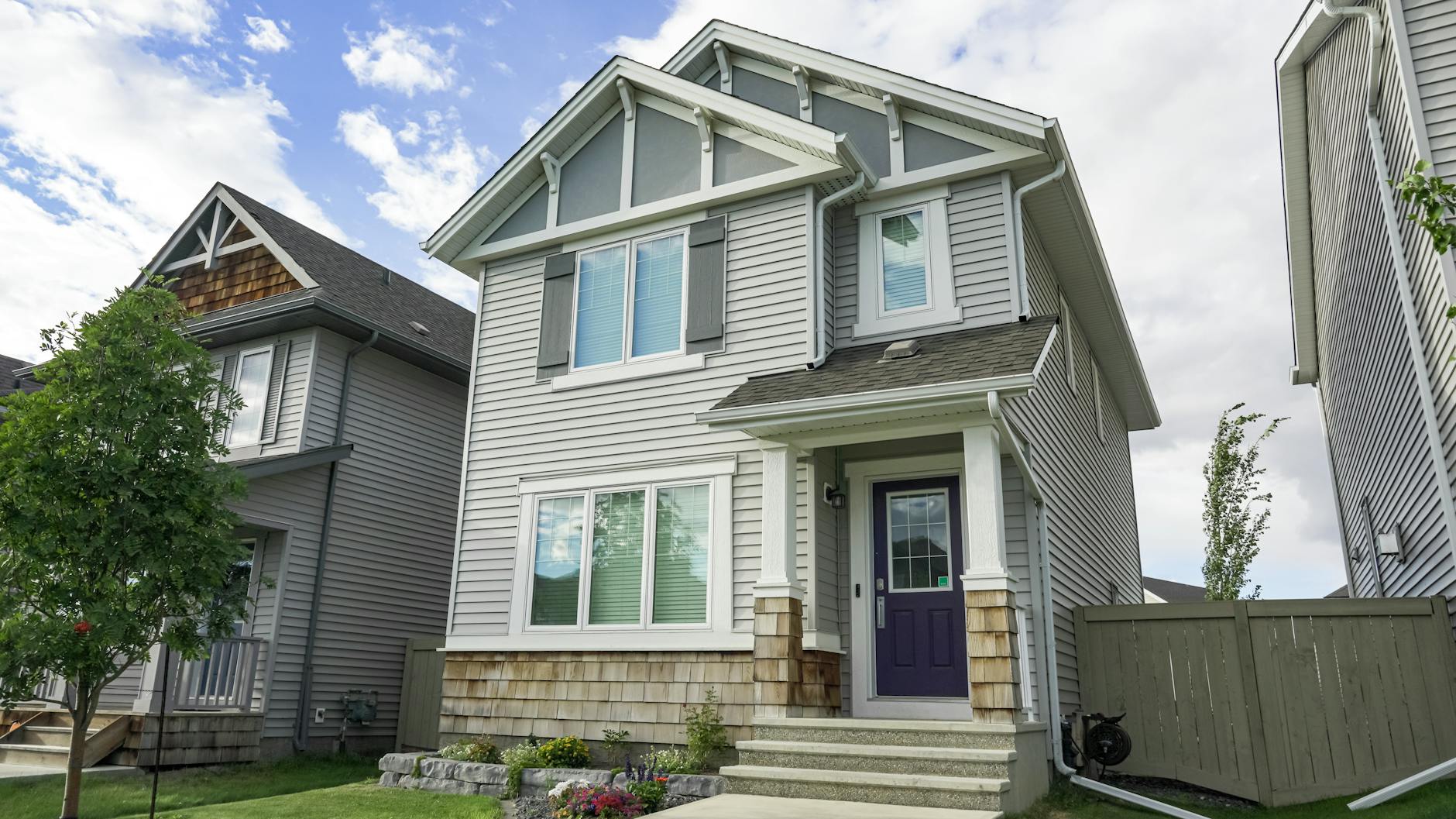
Hawthorn Property Market 2026 — Buying Guide
Buying in Hawthorn is a significant financial decision. Here’s the reality of the market — not a sales pitch, not doom and gloom, just the facts and context you need to make a smart move.
See our Hawthorn Cost of Living guide for the broader picture and our Rent Report for the rental market.
What Kind of Property Can You Buy?
Hawthorn’s housing stock includes:
Apartments — New builds near Glenferrie station and along Burwood Road, plus established units in older blocks. The entry point for most first-time buyers. Median around $650,000-$750,000. Quality varies enormously — inspect thoroughly.
Townhouses — Growing pipeline of developments, particularly along Riversdale Road and behind Swinburne University. Expect $800,000-$1.2 million for a 2-3 bedroom. Better for families, usually newer construction, and often come with a small courtyard.
Freestanding Houses — The premium end. Median around $1.9-2 million. Victorian and Edwardian homes dominate, many renovated or extended. Land value drives the price — you’re buying the block as much as the building.
Heritage Properties — Hawthorn has a significant heritage overlay under the City of Boroondara planning scheme. These character homes attract renovation-minded buyers. They can be money pits or goldmines depending on your skill and budget. Check the overlay conditions before assuming you can knock out walls.
Market Conditions in 2026
Hawthorn’s property market reflects the broader inner-east trend: steady demand driven by school catchments, transport access (Glenferrie and Hawthorn stations), and the suburb’s established reputation. Properties in the Glenferrie Road precinct and near the train stations attract the strongest competition.
Key factors in 2026:
- Interest rate movements from early 2025 brought some buyers back into the market
- Family demand for school-zone properties continues to underpin house prices
- New apartment supply near Swinburne is adding stock at the entry level
- Heritage overlays protect streetscape character but limit renovation scope
Who’s Buying in Hawthorn?
- First-home buyers looking at apartments near Glenferrie station — the train access makes it viable for city workers
- Families targeting school catchments in Boroondara — the premium they’ll pay for a specific school zone is substantial
- Investors seeking rental yield in a low-vacancy suburb (1.3% vacancy rate)
- Downsizers from the outer east moving to well-located units with walk-to-shops convenience
- Renovators targeting Victorian homes on quieter streets between Auburn Road and Church Street
Auction Day Reality
Melbourne runs on auctions, and Hawthorn is no different. Saturday mornings you’ll see crowds gathered on footpaths outside properties on the leafy side streets.
Tips for auction success:
- Set a hard limit before auction day. Do not go past it.
- Attend several auctions as an observer before bidding — the Glenferrie Road and Auburn Road properties auction regularly
- Have finance pre-approved — unconditional if possible
- Get a building inspection done before auction (you can’t make it conditional after)
- Understand the reserve price system — vendors in Hawthorn often set ambitious reserves
- Check Boroondara council heritage overlays before buying — they affect what you can renovate
Common Mistakes Buyers Make in Hawthorn
- Falling in love with the streetscape — The charm of Hawthorn’s leafy streets can override rational analysis of the actual property
- Underestimating renovation costs on heritage homes — Boroondara heritage overlays mean you can’t just strip everything out. Specialist trades for period features cost more
- Ignoring body corporate fees — For apartments near Glenferrie Road, these add $3,000-$8,000 annually to your ongoing costs
- Buying on Burwood Road or Glenferrie Road — Main road properties are cheaper for a reason (noise, trucks, trams) and harder to resell
- Not researching future development — Check Boroondara council plans for nearby construction, especially around Swinburne
FAQ
Is Hawthorn a good investment? Long-term track record is strong. The suburb consistently appreciates, vacancy rates are low (1.3%), and it attracts quality tenants. School-zone demand provides a price floor that many suburbs lack.
How does Hawthorn compare to Kew for buying? Kew is 10-15% more expensive for equivalent houses. Hawthorn offers better transport (two train stations vs Kew’s one) and a livelier main strip on Glenferrie Road. Kew is quieter with larger blocks.
What’s the entry-level price for Hawthorn? A 1-bedroom apartment near Swinburne starts around $400,000-$500,000. A 2-bedroom unit in an older block runs $550,000-$700,000. Houses start above $1.5 million.
The Verdict
Buying in Hawthorn makes sense if the suburb’s lifestyle aligns with your life and budget. The fundamentals — location, transport via Glenferrie station, Boroondara school catchments, heritage character — underpin ongoing demand. Don’t buy here just because it’s popular — buy because you want to live on one of those leafy streets, walk to Glenferrie Road for coffee at Axil Coffee Roasters, and know that your property sits in one of Melbourne’s most consistently desirable postcodes.
Do your research, know your numbers, and don’t let auction-day pressure override your financial limits.
More on Hawthorn: Hawthorn Suburb Guide | Cost of Living | Rent Report
💬 Discussion
Join the conversation — no account needed