You want the short version of Heathmont history: it is not a grand landmark suburb, it is a Melbourne growth story in miniature. The useful lens is simple: market gardens first, post-war family streets next, slow reinvention after that.
The Verdict
The post-war housing boom is the main event in Heathmont’s history. If you only remember one thing, remember this: the suburb changed most when paddocks and market gardens became streets of family homes, not when cafes arrived or apartments started appearing later. That shift explains the street grid, the older housing stock, the community institutions, and the suburban rhythm that still sits underneath the newer version of Heathmont.
Before that, Heathmont was rural and practical. Agricultural land, market gardens, and small local institutions came first. Then Melbourne kept pushing outward from the Yarra, and suburbs like Heathmont absorbed the pressure: workers needed housing, families wanted space, and the city needed somewhere to grow without feeling like the city centre. The obvious alternative is to read Heathmont as a neat gentrification tale, but that is too thin. The cafe-and-apartment chapter matters, but it sits on top of a much older working, family, and community layer. Don’t treat the renovated pub or the new cafe as the whole story; you’ll miss why the suburb feels settled rather than freshly manufactured.
Local Reality
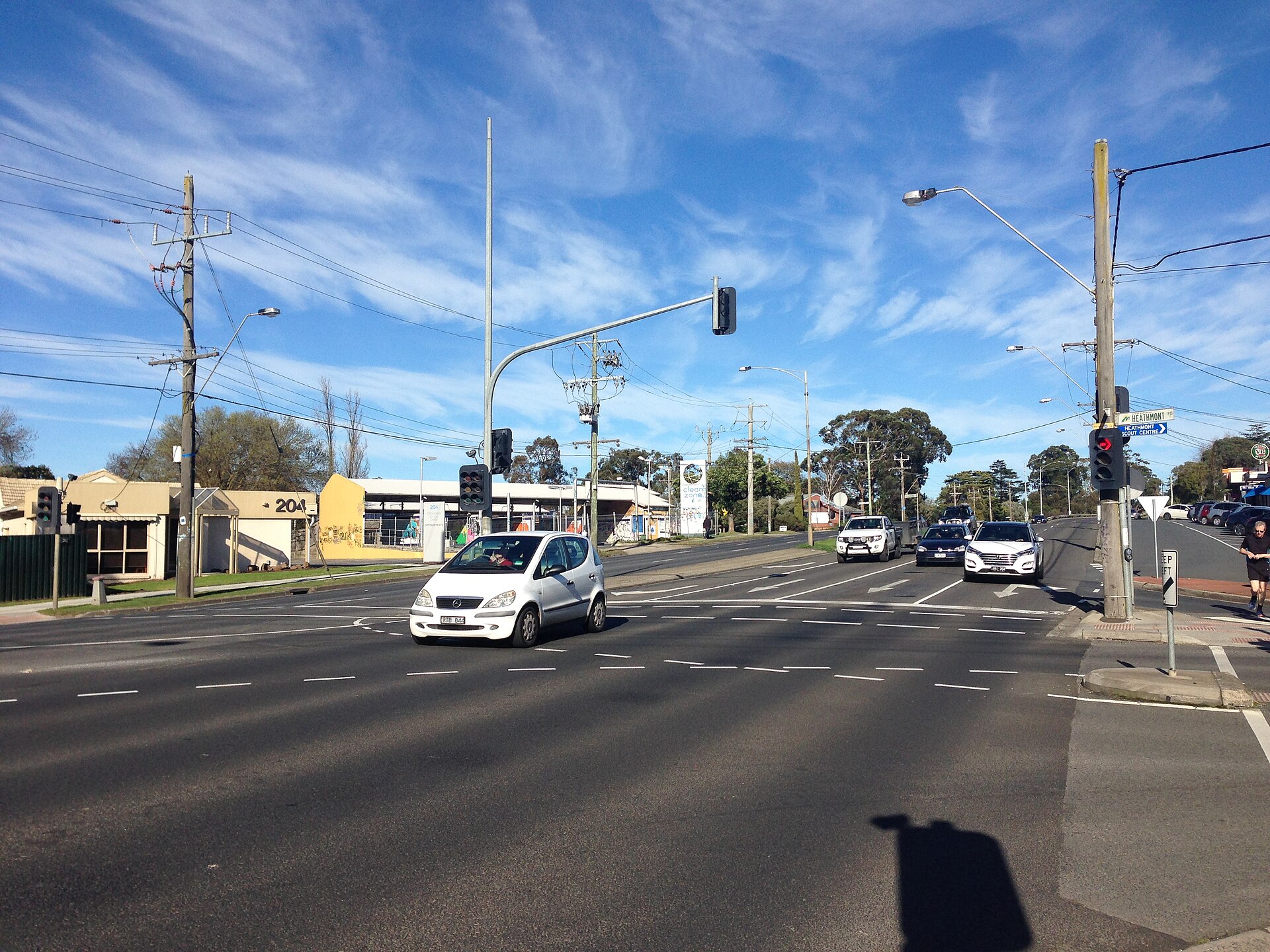
What it’s actually like on the ground is layered, not museum-like. Heathmont carries its history in ordinary places: the shopping strip layout, the older homes mixed with newer builds, the parks and public spaces positioned for a slower suburban routine, and the community buildings that have changed uses without completely losing their role. It is the kind of suburb where the past is visible in the shape of the streets more than in one dramatic heritage attraction.
The clearest local read is along the Heathmont shopping strip and through the surrounding residential streets. You see the older suburb in the modest housing stock and the practical local shops, then the newer suburb in the better food options, renovated venues, and development pressure creeping in. Ringwood, Ringwood East, Bayswater, and Vermont matter here too, because Heathmont has never existed in isolation. It sits inside that eastern Melbourne pattern where one suburb’s growth, transport access, and housing demand spill into the next.
Skip the nostalgia version if you want a clean before-and-after story. Heathmont did not flip overnight. The transformation happened street by street over decades, which is why long-term residents can point to specific things that closed, specific buildings that disappeared, and specific people who could no longer stay. If you’re west of the stronger Ringwood pull, you may read the area through Ringwood instead; if you’re using Heathmont itself as the lens, focus on the quieter local institutions rather than the bigger suburban centre next door.
Who This Suits
If you’re a new resident trying to understand why Heathmont feels calm but not empty, read the post-war family suburb layer first. If you’re a buyer comparing Heathmont with Ringwood East or Bayswater, look at the older housing stock, the parks, and the development pressure rather than chasing a single heritage moment. If you’re a long-term local, the most honest version is the trade-off story: better infrastructure and more liveability for some people, real losses for others. If you’re just suburb-curious, start with the shopping strip and nearby streets, because that is where the old and new Heathmont sit closest together.
Cost-wise, the history matters because it explains value. Heathmont gained higher property values as Melbourne’s demand pushed outward and as the suburb became more liveable, with better food options, safer streets, and improved infrastructure. That was good news for existing owners who stayed through the change. It was less good for renters, younger locals, and people attached to the cheaper, less polished version of the suburb. There is no single moral scorecard here. The trade was worth it for some households and painful for others.
Time of day changes the read. Walk it during the week and Heathmont can feel like a functional residential suburb built around routines: school runs, local errands, train trips, and quiet streets. Visit at busier eating or shopping times and the newer layer is more obvious: cafes, restaurants, renovated venues, and the slow arrival of a more polished suburban identity. The best season is not the point; the better test is whether you can still see the old suburb underneath the new one.
What to Do Next
Walk the Heathmont shopping strip, then cut through the older residential streets before judging the suburb from its newer venues. For the current-day version, read the Heathmont suburb guide next.