Verdict Box
Kew East is not the suburb you choose because it is cheap. It is the suburb you choose when you want a quieter inner-east address, school access, the 48 tram, freeway proximity and older residential streets, then you build a budget around the rent shock.
The honest 2026 verdict: Kew East is manageable for a dual-income household renting a unit or older townhouse, tight for a solo renter, and usually unrealistic for anyone trying to lease a full family house while keeping weekly costs modest. The suburb’s day-to-day spending can be controlled because you are not forced into a large shopping-centre routine every night. The hard part is the lease.
For Sophie, 36, with one school-age child and a job that can handle tram commuting, Kew East only makes sense if the rent lands below the top of her range and she is disciplined about car costs. A second car, regular takeaway, paid kids’ activities and premium supermarket runs can push the suburb from “stretched but workable” to “why are we doing this?” very quickly.
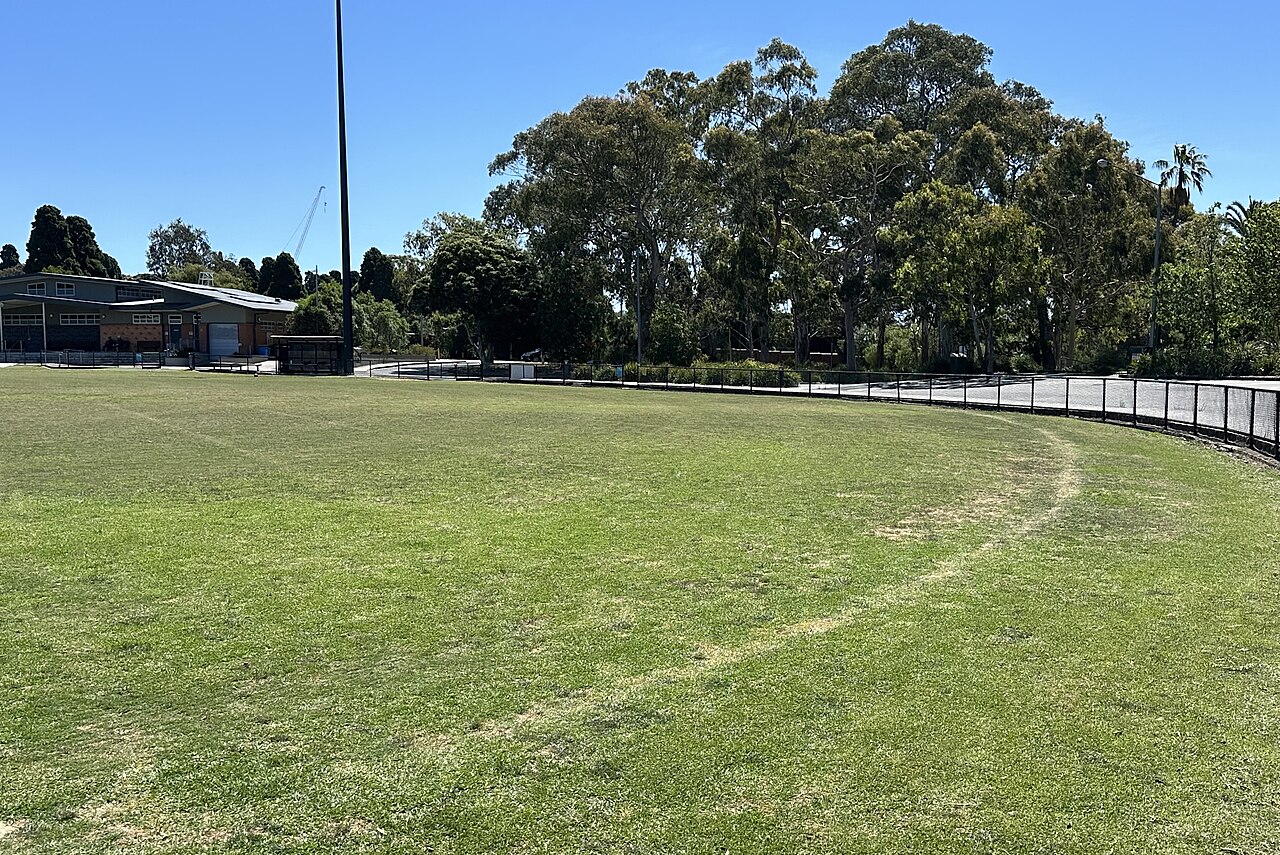
The upside is real. You get Hays Paddock, Willsmere Road, Harp Village, High Street, access toward Kew and Balwyn, and a residential feel that is more settled than many denser inner suburbs. The downside is also real. There is no train station, houses are expensive, and the suburb’s pleasant calm is partly funded by household incomes that sit well above the state average.
At-a-Glance Table
| Cost line | 2026 local reality | Budget pressure |
|---|---|---|
| House rent | Around $995 per week as a current market guide | Very high |
| Unit rent | Around $625 per week as a current market guide | High but more workable |
| Public transport | Tram 48 plus buses; no local train station | Moderate |
| Groceries | Local top-ups are easy; big weekly shops need planning | Moderate |
| Coffee and lunch | Good local options, but habits add up fast | Moderate |
| Car ownership | Useful for groceries, sport and cross-suburb errands | High if two cars |
| Family lifestyle | Parks and schools reduce paid-entertainment pressure | Helpful |
| Nightlife | Limited locally; most spending happens in Kew, Hawthorn or the city | Controllable |
Who It Suits
Sophie, 36, budget-conscious parent — wants a calmer school-week base and can accept a unit or compact townhouse instead of a large house.
The Tram Commuter — works near Collins Street, Kew, Richmond or the inner east and values the 48 tram more than having a train station.
The Park-Routine Family — uses Hays Paddock, local ovals and bike paths instead of paying for weekend entertainment every time.
The Downsizer With Discipline — can afford the suburb but still wants to know where small recurring costs will leak through the month.
Rent & Property Reality
Rent is the number that decides whether Kew East is a sensible cost-of-living move. Current realestate.com.au suburb data lists Kew East houses renting at about $995 per week and units at about $625 per week, with median sale prices around $2.3 million for houses and $925,000 for units over the last year: realestate.com.au Kew East profile. That does not mean every listing sits exactly there, but it gives the right warning: this is not a bargain suburb hiding in the inner east.
The budget play is the unit or older townhouse. A detached house is usually competing with established families, school-focused buyers, renovators and households who treat the suburb as a long-term base. If you are renting a house because you need three or four bedrooms, Kew East will test your budget before utilities, insurance, commuting and school extras enter the picture.
The 2021 Census recorded Kew East’s population at 6,620, which helps explain the limited rental pool: ABS QuickStats Kew East. This is a small suburb by Melbourne standards, and a small suburb with high owner-occupation does not produce abundant rental choice. When a decent property appears near High Street, Harp Road or Hays Paddock, you should assume other applicants have noticed it too.
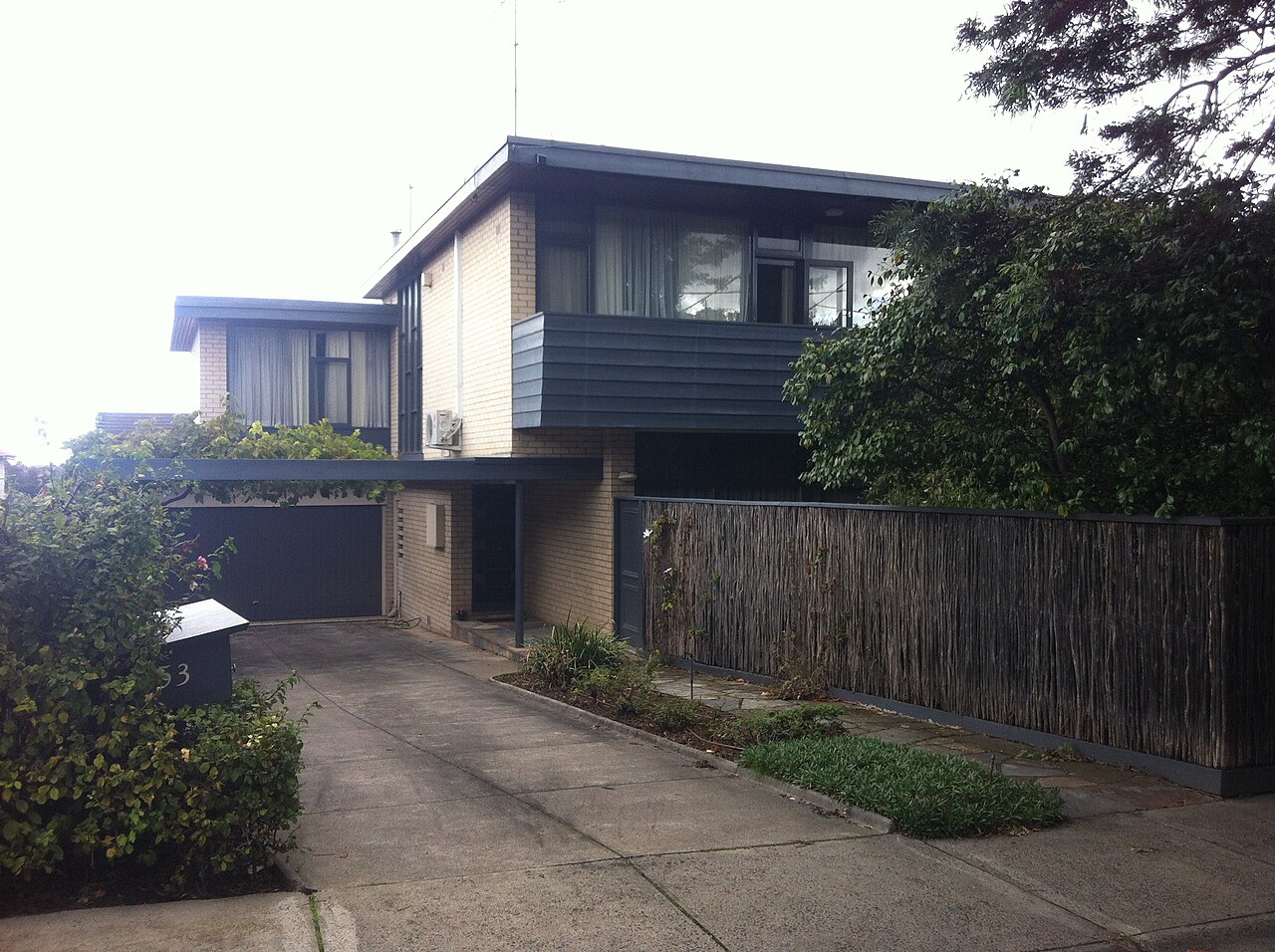
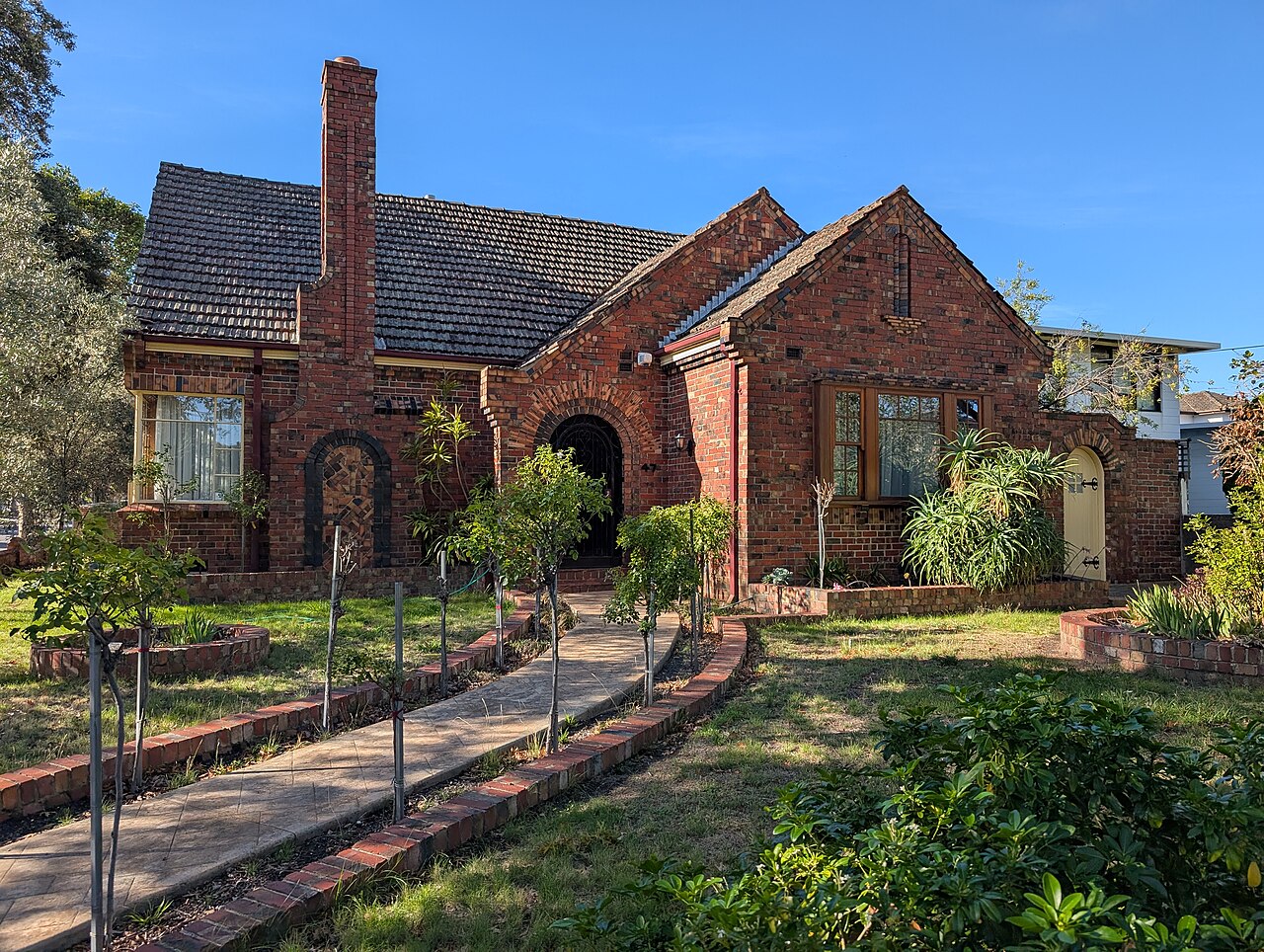
Buying is a different conversation, but it affects renters because landlord holding costs and scarcity flow into advertised rent. Kew East has period homes, renovated family houses, post-war stock, villa units, townhouses and pockets of apartments near main roads. The cheapest-looking property may carry a trade-off: road noise near Burke Road or High Street, older heating and cooling, limited storage, dated insulation, or parking that works only if the household has one car.
For renters trying to hold the weekly budget together, inspection discipline matters. Check heating, window seals, west-facing rooms, water pressure, mobile reception, parking rules and the real walking distance to tram stops. A cheaper weekly rent can disappear through winter gas bills, rideshares, parking fines or a second-car dependency.
Local Reality & Pockets
Kew East has several different cost personalities. The streets around Hays Paddock and Glass Creek feel residential and family-oriented, with strong access to open space. They are attractive, but that appeal usually sits inside the rent. If your budget is already strained, paying extra for the park-side version of Kew East may not be the smartest move unless you use that park constantly.
The High Street and Harp Road side is more practical for renters who want local coffee, takeaway, tram access and smaller errands without starting the car. This is where the suburb becomes easier to live in cheaply because short trips stay short. A household that can walk to coffee, pharmacy items, small groceries and the tram has fewer reasons to pay for petrol, parking and delivery fees.
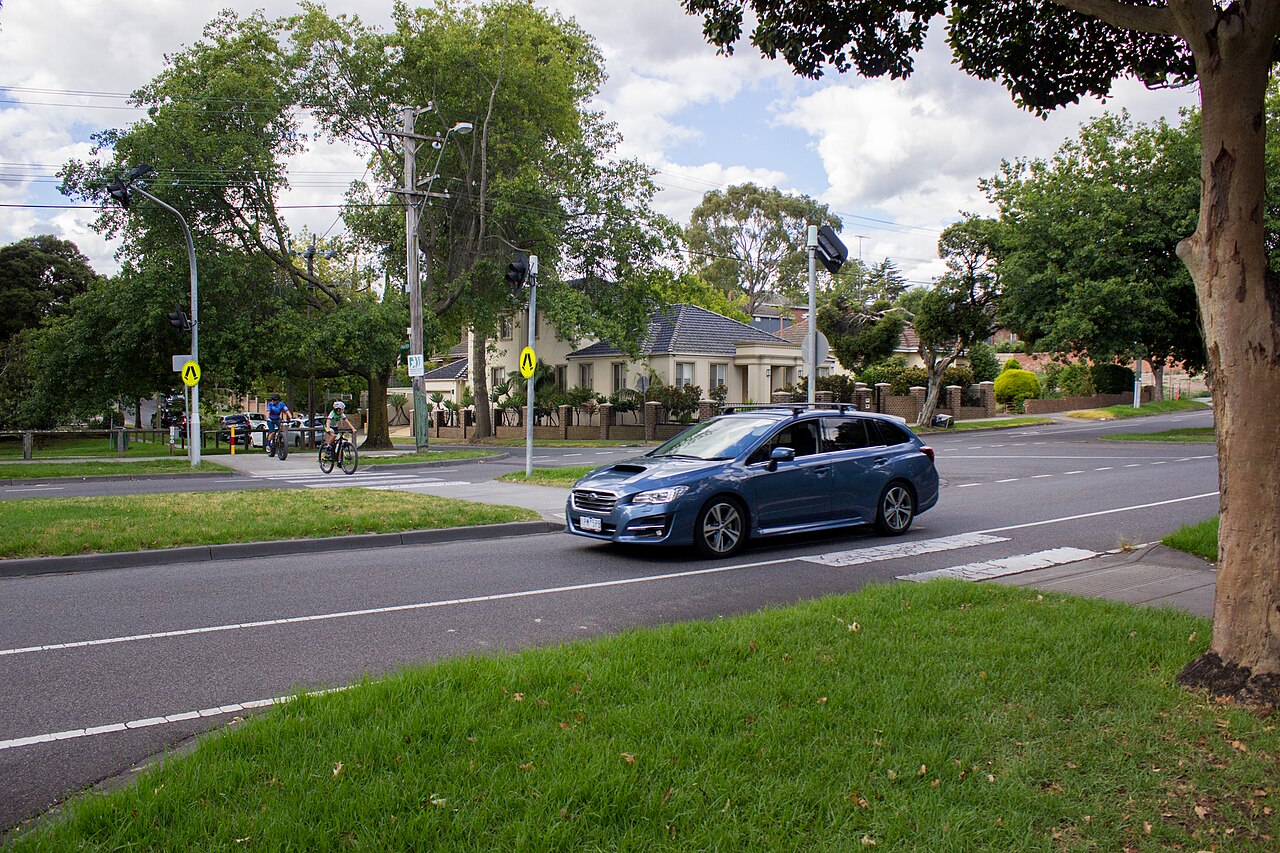
The Burke Road edge is useful but less restful. It can suit commuters and households that need quick north-south movement, but you should inspect for traffic noise at the exact time you expect to be home. Saving $30 a week on rent is not a win if the bedroom faces a road you cannot sleep through.
Toward Kew and Cotham Road, spending temptation rises. It is easy to slide from a practical Kew East routine into Kew Junction dining, specialty retail and higher-cost convenience. That is not a moral failure; it is just how location works. If your plan is to live in Kew East on a budget, decide early which costs are routine and which are occasional.
The suburb is also stronger for households who use parks properly. Hays Paddock, Willsmere-Chandler Park, the Yarra-side paths and nearby ovals can replace a lot of paid weekend activity. For families, that is one of Kew East’s best cost offsets. The suburb gives you good free infrastructure, but only if your routine actually includes it.
Transport is a mixed line item. Tram route 48 is useful for the city and inner-east links, and buses help with cross-suburb movement, but there is no Kew East railway station. If your job is train-dependent, test the full commute before signing. A commute that looks fine on a map can become expensive if it requires a drive, paid parking, a tram connection and occasional rideshares home.
Signature Craving
The local craving that makes sense for Kew East is not a blowout degustation. It is the low-friction coffee-and-snack stop that keeps a workday or school run civil without turning into a $70 brunch habit.
The Coffee Bar @ The Harp is the cleanest example: a Kew East coffee stop near the Harp Road pocket, with coffee, pastries, breakfast sandwiches and simple takeaway options. It fits the suburb’s cost-of-living reality because it is useful rather than showy. You can use it as a small treat, a work-from-cafe hour, or a quick bite before errands.
The trap is frequency. A $5 to $7 coffee is harmless once or twice a week. Add a pastry, do it most weekdays, then add weekend brunch nearby, and the monthly number starts looking like a utility bill. Kew East has enough good local venues that this is a real behavioural risk. The budget move is to pick your ritual, cap it, and avoid pretending that every local stop is too small to count.
For a more substantial local food spend, High Street gives you options such as Kuche and other small venues around Kew East. Nearby Kew expands the field quickly, including established restaurants around Cotham Road and Kew Junction. That proximity is convenient, but it means the suburb can quietly pull you into a higher dining budget than you planned.
Comparisons Table
| Suburb | Cost feel vs Kew East | Transport reality | Who should choose it |
|---|---|---|---|
| Kew | Usually broader choice but often pricier around premium pockets | More routes and stronger access to Kew Junction | Renters who want more dining, services and tram options |
| Balwyn North | Similar family-price pressure, often more car-oriented | Buses dominate; tram access depends on pocket | Families prioritising larger homes and school-area logic |
| Balwyn | High property costs with stronger retail spine | Tram access on Whitehorse Road; car still useful | Households wanting more shops close by |
| Ivanhoe East | Expensive and quieter, with village appeal | Train access is nearby via Ivanhoe, but not always walkable | Buyers or renters who want a calmer north-east feel |
Trust Block
Author: Dani Reyes
Method: This guide uses current 2026 listing-market checks, suburb-profile data, ABS Census context, public transport reality, council-area geography and local venue verification. The article is written for a renter or cost-conscious mover, not for a property vendor.
Key sources checked: realestate.com.au Kew East suburb profile, ABS 2021 QuickStats, Public Transport Victoria route context, City of Boroondara local geography, venue websites and current local listings.
Local caveat: Kew East is small, and weekly rent can shift sharply when only a few comparable properties are available. Treat suburb medians as a starting point, then compare live listings street by street.
Review cycle: Next review scheduled for 2026-07-19, with rent, venue and transport details rechecked before publication updates.
FAQ
Q: Is Kew East expensive in 2026?
A: Yes. It is expensive mainly because of rent and property values, not because every daily purchase is unusually costly. A disciplined renter can control food, transport and entertainment, but the lease sets the baseline.
Q: What is the biggest cost in Kew East?
A: Housing. Current market guides put houses near the high end for Melbourne renters, while units are more achievable but still not cheap.
Q: Can a solo renter live in Kew East on a budget?
A: Only with a unit, studio, share arrangement or unusually good lease. A solo renter trying to lease a full house will usually find better value elsewhere.
Q: Is Kew East better for renters or buyers?
A: It is easier to justify as a long-term buyer if you can afford the entry price. Renters need to be more careful because they pay the premium without gaining the capital-growth upside.
Q: Do you need a car in Kew East?
A: Not always, but many households will want one. The 48 tram is useful, yet groceries, sport, school logistics and cross-suburb trips can become awkward without a car.
Q: Is there a train station in Kew East?
A: No. This is one of the suburb’s main practical limits. If your routine depends on train access, test the commute before applying for a lease.
Q: Where is the most practical pocket for budget living?
A: Near High Street, Harp Road or tram access. Those pockets reduce short car trips and make daily errands easier.
Q: Is Kew East good for families trying to keep costs down?
A: It can be, because parks and local open space reduce paid weekend activity. The rent still needs to fit comfortably, or the suburb will feel financially tight.
Q: Are groceries expensive in Kew East?
A: Local top-ups can cost more if you rely only on convenience stops. The better approach is a planned weekly shop outside the smallest local stores, then use nearby shops only for gaps.
Q: What is the main mistake new residents make?
A: Underestimating small repeat costs. Coffee, parking, takeaway, fuel and kids’ activities can push a stretched rent budget into uncomfortable territory.