Verdict Box
Best for: families who want Kew/Balwyn access without needing a station at the end of the street. Skip if: you want nightlife, train convenience, cheap rent, or an apartment-heavy market with options every weekend. Rent pressure: high for houses, thin for one-bedroom stock, and more competitive than the sleepy streets suggest. Commute reality: buses and trams can work, but the Eastern Freeway, Burke Road, High Street and school traffic decide your mood. Food scene: useful rather than exciting. High Street gives you coffee, Persian, Italian and brunch, but this is not a late-night suburb. Family fit: strong if you can pay for the address and accept that weekend sport, parking, and school runs shape the rhythm. Overall score: 7.4/10. Kew East is not a bargain and it is not especially convenient for renters without a car. Its real advantage is quieter residential depth close to serious inner-east amenity. The catch is that you pay Kew-adjacent money while still negotiating buses, traffic pinch points and a fairly narrow rental pool.
At-a-Glance Table
| Factor | Kew East 2026 |
|---|---|
| LGA | Boroondara City Council |
| Postcode | 3102 |
| Geographic tier | East |
| Region | middle-east |
| Transport grade | C |
| Overall grade | C |
Who It Suits
Nina, 41, school-zoned planner — wants calm streets, parks nearby, and can handle the car-first routines. The downsizing couple — prefers a townhouse or villa near High Street over a tower apartment in a busier suburb. Sam, 33, hybrid worker — values quiet weekday living more than a train station or after-dark food scene.
Rent & Property Reality
Median 1BR unit rent: $550 per week; YoY change: not published by REA for 1-bedroom units, with only 3 leased in the May 2025-April 2026 window, so treat the figure as a thin-sample signal rather than a smooth trend. The wider unit market sits at $625 per week, up 7.8%, according to REA’s Kew East suburb profile.
That distinction matters. Kew East is not a classic one-bedroom renter suburb. It does not have the apartment depth of Hawthorn, Richmond, Camberwell or the denser parts of Kew. A renter chasing a neat one-bed place here is usually fishing in a small pond: older walk-up units, compact villas, occasional converted stock, and a few newer apartments near the main roads. When one appears at $550, it may lease quickly if the floor plan is clean and parking is included. If it sits, there is usually a reason: road noise, dated heating/cooling, awkward access, no proper work-from-home spot, or a location that looks close on the map but feels annoying on foot.
For couples and families, the pressure is more visible. REA has houses at $995 per week, up 11.2%, while 3-bedroom houses show $873 per week and 4-bedroom houses jump to $1,397 per week. That tells you the market is not just being pulled by singles; it is being pulled by families prepared to pay for Boroondara addresses, schools access, parks, larger blocks and an easier drive to the Eastern Freeway.
The plain-English read: Kew East rewards renters who are flexible on property type but punishes anyone who needs a specific layout at a specific price. If your budget is fixed under $550, you will probably compare against Balwyn, Kew, Hawthorn East, Ivanhoe, Bulleen and parts of Doncaster. If you need a house, inspect early and decide fast, because the better family stock is not waiting around for a second look.
Local Reality & Pockets
The Kew East map looks simple until you start living the daily routes. High Street is the practical spine, with Bean Thief at 773 High Street, Kuche at 682 High Street, Gilbert’s at 713 High Street and Ali Qapu at 840 High Street giving you the most useful local strip. Being close to High Street is convenient for coffee, food, trams and quick errands, but it also means more through-traffic, tighter parking, delivery stops and weekend movement. A place one street back can be materially better than a place directly on the road.
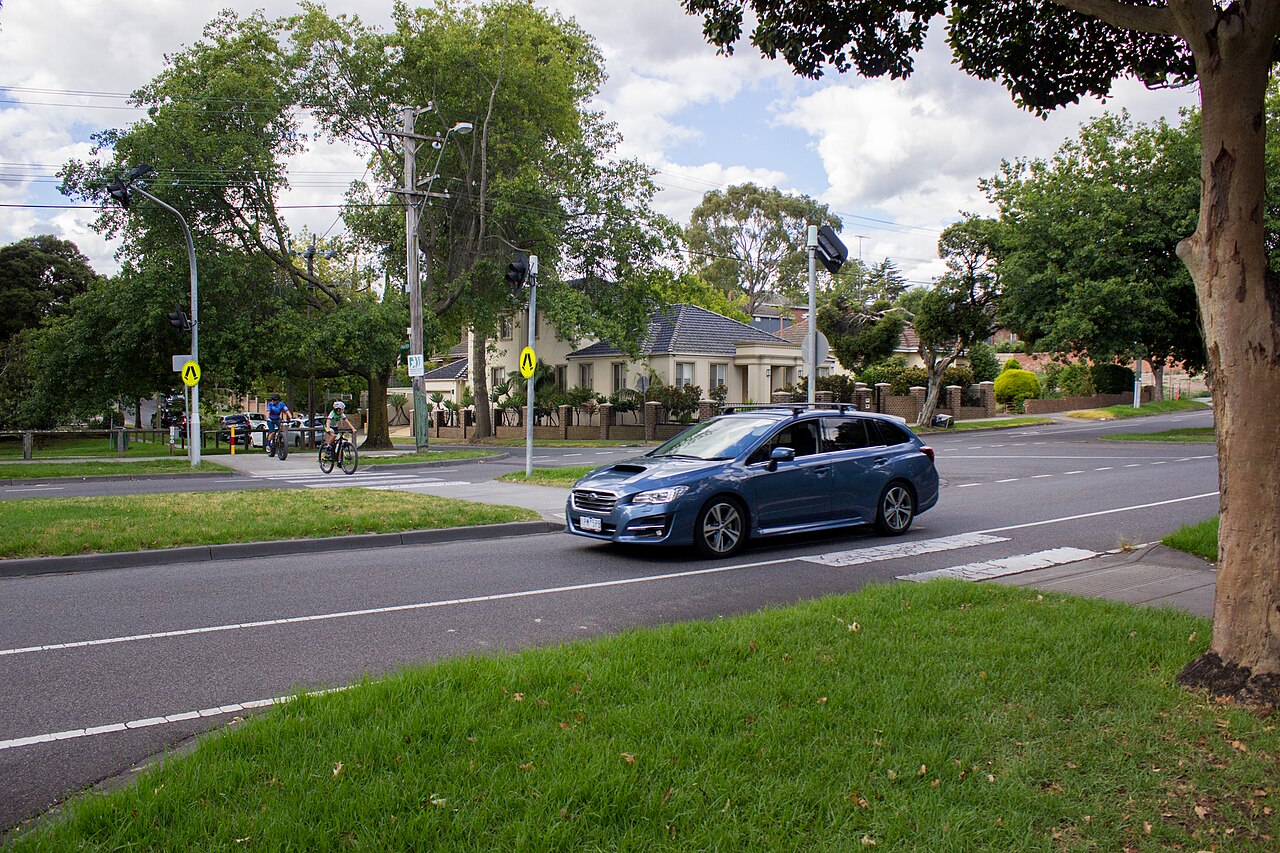
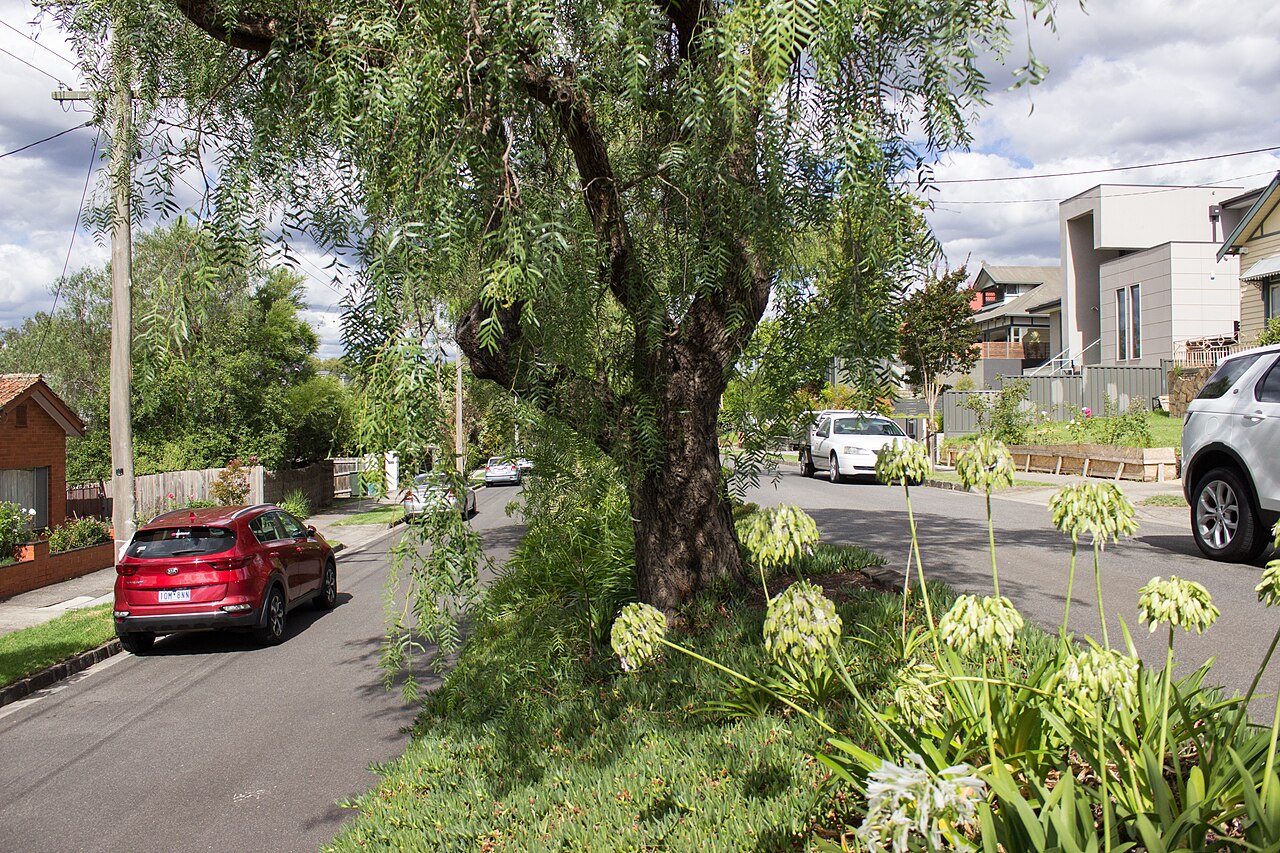
The quieter residential pockets away from High Street generally suit families better, especially where streets are less useful as shortcuts. Look closely around Strathalbyn Street if you want access to Vicky’s Restaurant and the local strip without sitting right on a main-road edge. Normanby Road, Belford Road, Harp Road, Kilby Road, Burke Road and the Eastern Freeway edges all need more careful inspection because noise and traffic conditions can change sharply within a few hundred metres. On paper, a property can look tucked away; at 8:10am on a school day, it may feel very different.
Transport is the honest compromise. Kew East is serviced by buses and nearby tram corridors, but it is not a train suburb. If your work life depends on a single-seat train commute, you will feel that absence. If you drive or work hybrid, the Eastern Freeway access can be a real asset, provided you do not choose a property where freeway hum or ramp traffic becomes the background soundtrack.
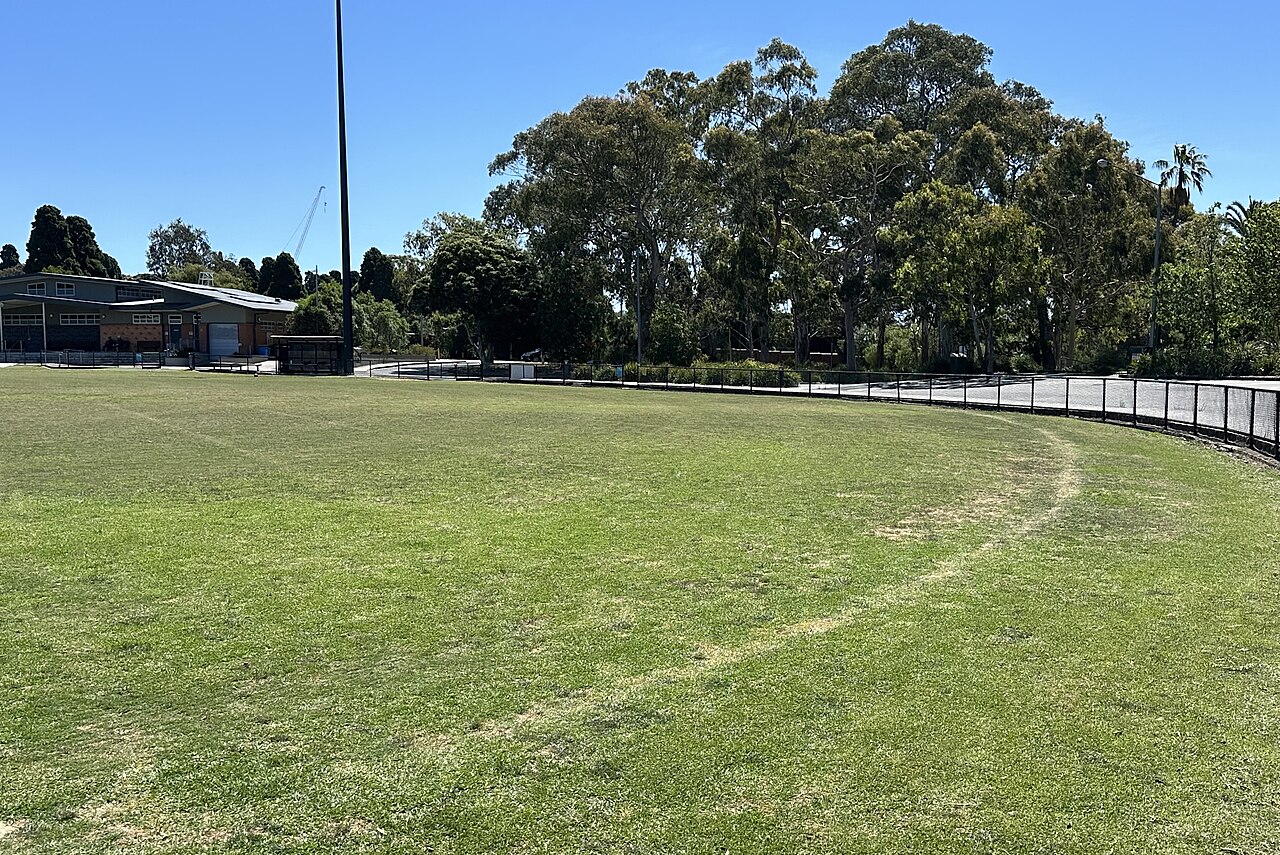
Parking is usually easier than in denser inner suburbs, but not universally easy. Around High Street shops, schools, sports grounds and restaurant pockets, visitor parking can tighten quickly. The first gotcha is that quiet-looking streets can become school-run corridors. The second is that older houses and units may carry beautiful street presence but ordinary insulation, dated windows, limited storage and heating systems that make winter bills heavier than expected. Inspect at the times you would actually leave home, not just at a calm Saturday open.
Signature Craving
Kew East eating is better judged by repeat use than hype. The dependable move is Bean Thief on High Street: coffee before a tram, a quick breakfast after school drop-off, or the kind of local cafe stop that becomes part of the week without needing a big plan. Kuche adds a broader breakfast, pastry and brunch option, while Gilbert’s keeps the cafe strip useful rather than decorative.
For dinner, Ali Qapu gives the suburb a proper Persian anchor, and Vicky’s Restaurant on Strathalbyn Street covers the local Italian/pizza lane. The honest verdict is that Kew East is not where you come for a long list of late-night choices. It is where you want a small set of places that work, then drive five to ten minutes when you need more range.
Comparisons Table
| Suburb | Transport | Tier | Region |
|---|---|---|---|
| Kew East | C | East | middle-east |
| Ashburton | B | East | middle-east |
| Balwyn | D | East | middle-east |
| Balwyn North | C+ | East | middle-east |
Trust Block
Author: Jack Morrison — Bayside and west property correspondent. Walks every suburb he writes about.
Data: data/melbourne_suburbs_master.json (Codex per-LGA enumeration, cross-checked vs VEC + Australia Post + ABS SA2 boundaries), data/suburb_scores.json (composite percentile grades), data/venues/.json (OpenStreetMap + Gemini-verified venue catalog).
Last reviewed: 2026-05-25. Not financial advice. We do not accept paid placements in editorial.
FAQ
Q: Is Kew East actually a good suburb to live in? A: Yes, but it is a specific kind of good. Kew East works best for people who value quiet residential streets, parks, family routines and access to the inner east more than nightlife or train convenience. It feels settled rather than high-energy. The trade-off is price and movement: you pay a premium for a suburb that still relies heavily on cars, buses, trams and main-road timing. If you want calm, it delivers. If you want frictionless urban convenience, it may feel overpriced.
Q: Is Kew East expensive for renters in 2026? A: Kew East is expensive relative to the amount of rental choice it offers. REA lists the median 1-bedroom unit rent at $550 per week, but the sample is very thin, so renters should not treat that as a deep market. Houses are the bigger pressure point, with median house rent near $995 per week and strong competition from families. The real issue is not only price; it is scarcity. You may find something fair, but you cannot assume there will be many similar backups.
Q: Does Kew East have good public transport? A: Public transport is usable, not effortless. Kew East has access to bus routes and tram corridors along the broader High Street and Kew/Balwyn network, but it does not have its own train station. That matters if you commute daily to the CBD or across town. For hybrid workers, students with predictable routes, and households with a car, the setup can be fine. For someone who wants a simple walk-to-station lifestyle, nearby suburbs with rail access will usually feel easier.
Q: Which parts of Kew East are best to target? A: The best pocket depends on your tolerance for traffic. Many buyers and renters will prefer streets set back from High Street, Burke Road, Harp Road, Kilby Road and the Eastern Freeway, while still staying close enough to use the shops and transport. Areas near Strathalbyn Street can be practical if you like local restaurants and short errands. The key is to inspect during commute and school-run windows. A quiet open-for-inspection can hide weekday congestion, noise and parking pressure.
Q: What are the main downsides of Kew East? A: The first downside is transport: no local train station means your commute depends on buses, trams, driving or a combination. The second is price: Kew East is not cheap enough to feel like a compromise suburb, but it is not always convenient enough to feel premium for every renter. The third is limited apartment depth. Singles and couples may struggle to find enough one-bedroom options. Also check road noise carefully, especially near High Street, Burke Road and the Eastern Freeway edges.
Q: Is Kew East suitable for families? A: Kew East is very family-suited if the budget works. The streets are generally calmer than denser inner suburbs, parks and sporting facilities are part of the lifestyle, and the broader Boroondara setting appeals to households thinking long-term. The catch is that family demand is exactly what pushes rents and purchase prices up. School traffic can also make certain streets busier than they look. Families should judge each property by morning movement, parking, storage and noise, not just by the address.
Q: Can you live in Kew East without a car? A: You can, but you need to choose the address carefully and be honest about your week. Living near High Street gives you better access to cafes, food, trams and buses. Living deeper into the residential pockets is quieter, but errands and connections can become more car-dependent. A car-free renter who works from home and uses delivery, rideshare and public transport selectively may cope. A daily commuter with cross-town trips or late finishes may find the suburb more restrictive than expected.
Q: What is the food and cafe scene like in Kew East? A: The food scene is practical and local. Bean Thief, Kuche and Gilbert’s give High Street a useful cafe base, while Ali Qapu adds Persian dining and Vicky’s Restaurant covers Italian and pizza around Strathalbyn Street. Di Palma’s is another Italian name locals may recognise. The limitation is range and late-night depth. Kew East is not a suburb where you walk out and choose from dozens of dinner options. It gives you dependable neighbourhood choices, then expects you to travel for variety.
Q: Is Kew East better than Kew or Balwyn? A: Kew East is not automatically better; it is quieter and often more residential in feel. Kew has stronger name recognition, more established prestige pockets and broader amenity, while Balwyn has its own school-zone and family-buyer pull. Kew East can make sense if you want access to both without living in the busiest parts of either. The risk is paying near-premium money for a suburb with fewer transport and retail advantages. Compare street by street, because the right pocket matters more than the suburb label.