Verdict Box
Kew East is good for families if you can afford the entry cost and you do not need a train station at the end of the street. It is a small, established, school-heavy pocket with big family houses, serious park access, and a quieter daily rhythm than Kew, Hawthorn, or Camberwell. The family appeal is real. The discount is not.
The suburb works best for parents who want Hays Paddock, Kew High School, Kew East Primary School, sport, bike paths, and quick car access to the Eastern Freeway. It works less well for households relying on rail, families trying to keep rent under control, or buyers who want cafes, tutoring, groceries, and weekend errands all within one dense strip.
The blunt 2026 verdict: Kew East is a premium family suburb with a calm street feel, strong public-school logic, and enough local life around Harp Village to avoid feeling stranded. But it is not a cheap family upgrade. You are paying for space, school access, low apartment intensity, and a park network that actually gets used by children, not just dog walkers and joggers.
At-a-Glance Table
| Family factor | Kew East reality in 2026 |
|---|---|
| Best fit | Families wanting parks, public schools, larger homes, and lower street noise |
| Main drawback | No train station inside the suburb; buses, cycling, driving, and nearby stations do the work |
| Housing feel | Detached homes, renovated period houses, townhouses, villa units, and some apartments |
| School logic | Kew East Primary School and Kew High School are the anchor names families check first |
| Weekend pattern | Hays Paddock, Stradbroke Park, Harp Village coffee, sport, and short drives into Kew or Balwyn |
| Budget warning | Family houses sit in a premium bracket; rentals can move quickly when well-presented |
| Daily errands | Fine for coffee and basics, weaker for full retail depth than Balwyn, Camberwell, or Hawthorn |
| Commute feel | Good by car and bus, mixed by public transport if your workplace expects train reliability |
Who It Suits
The Park-First Parent - wants Hays Paddock, ovals, playgrounds, and bike paths to carry the weekend routine.
Sophie, 41, two-school-run parent - wants public-school credibility without the denser feel of Hawthorn or Camberwell.
The Space Buyer - is willing to pay for a family house, a usable backyard, and a quieter street.
The Bus-Okay Professional - can handle buses, cycling, or driving, and does not need a suburb train station.
Rent & Property Reality
Kew East property is where the family fantasy meets the spreadsheet. Realestate.com.au’s Kew East suburb profile lists a median house price of $2.3 million for May 2025 to April 2026, with a median house rent of $995 per week and a median unit rent of $625 per week. The same profile shows 3-bedroom houses at a median rental price of $873 per week and 4-bedroom houses at $1,397 per week for that period. Those figures matter because the typical family search is not for a studio or small flat; it is for enough bedrooms, storage, parking, school access, and a second living area if the budget stretches.
Source check: see the current Kew East property market profile on realestate.com.au. Treat the numbers as a moving market snapshot, not a promise. Kew East has a small rental pool compared with larger suburbs, so one renovated 4-bedroom house can attract very different interest from an older home with tired heating, no study, and awkward parking.
For buyers, the issue is not just purchase price. It is the type of home available. Kew East has many houses that appeal to families precisely because they are not compact investor stock. That means higher stamp duty, bigger maintenance bills, garden costs, older plumbing in some properties, and renovation competition for homes on good blocks. A cheaper property can still become expensive if the floor plan is wrong for children, remote work, or multigenerational care.
For renters, the real test is timing. If you want a family house close to Kew High School, Kew East Primary School, Hays Paddock, or Harp Village, expect other families to inspect the same place. Older homes may offer more land and better school access but less thermal comfort. Newer townhouses can solve insulation, bathrooms, and storage, but they may trade away yard space and easy visitor parking.
The honest property line: Kew East rewards households with stable income and a long horizon. It is harder to justify if you are stretching every dollar just to get the postcode. Families should price in transport, sport, school extras, utilities, insurance, gardening, and the cost of driving to larger retail strips before deciding the suburb is manageable.
Local Reality & Pockets
Kew East is not one uniform family zone. The feel changes depending on whether you are near Harp Village, closer to Kew High School and Burke Road, tucked near Hays Paddock, or sitting closer to the Eastern Freeway edge.
The Harp Village end gives you the most convenient daily rhythm. You get cafes, local services, and a compact strip that can handle a coffee, a quick meal, or a low-effort catch-up. It is not a major shopping centre, and that is partly the point. Families who want every errand walkable may find it thin. Families who want a local strip without the traffic load of a bigger centre may like it.
Around Kew East Primary School and the surrounding residential streets, the suburb feels very family-coded. The streets are calmer than the main roads, the houses often have enough room for children, and the school-run pattern is obvious. The trade-off is competition. Homes in these practical pockets rarely feel like bargains because families understand the convenience immediately.
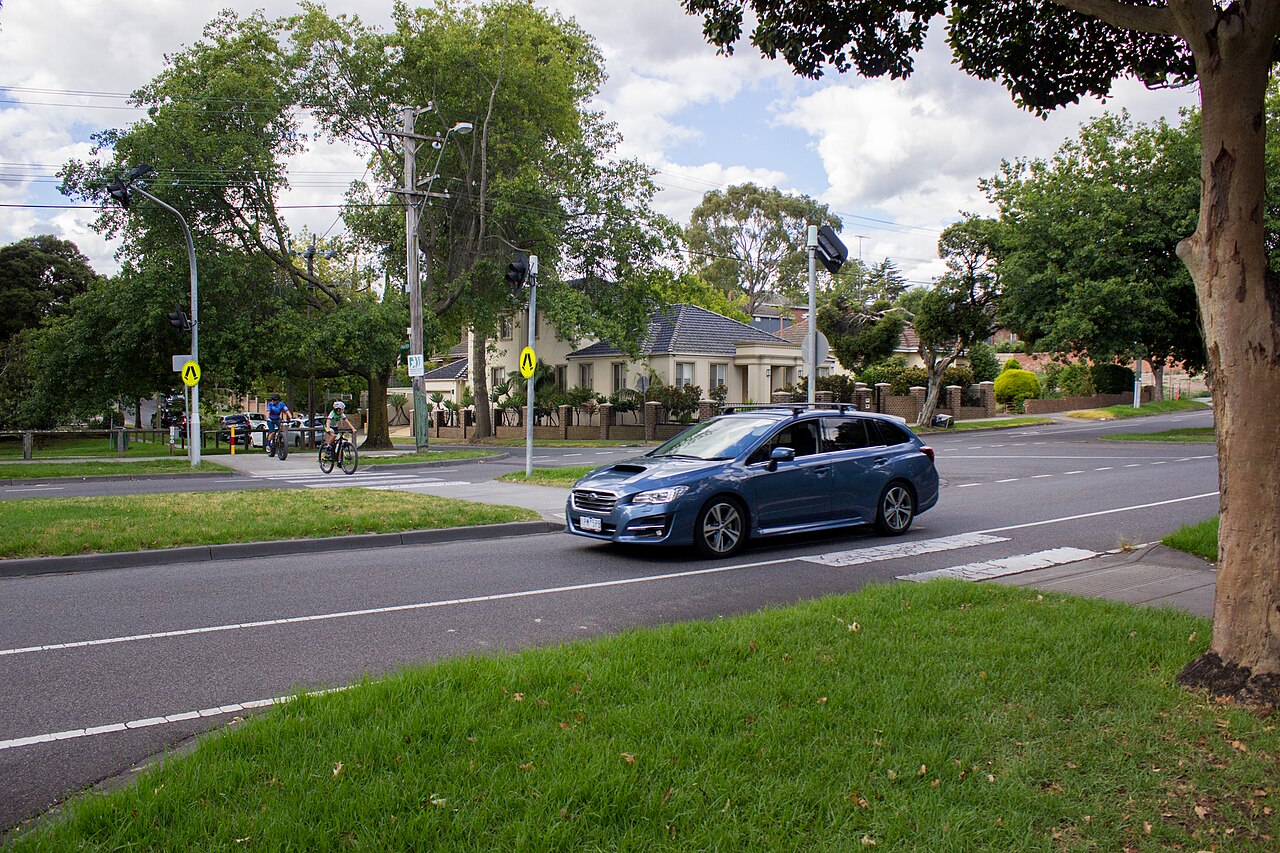
The Burke Road and Kew High School side has a more connected feel. It suits older children who can handle buses, walking, cycling, and sport without needing parents to drive every movement. Road exposure matters here. A house that looks great on paper can feel very different if it sits on a rat-run or near a louder intersection.
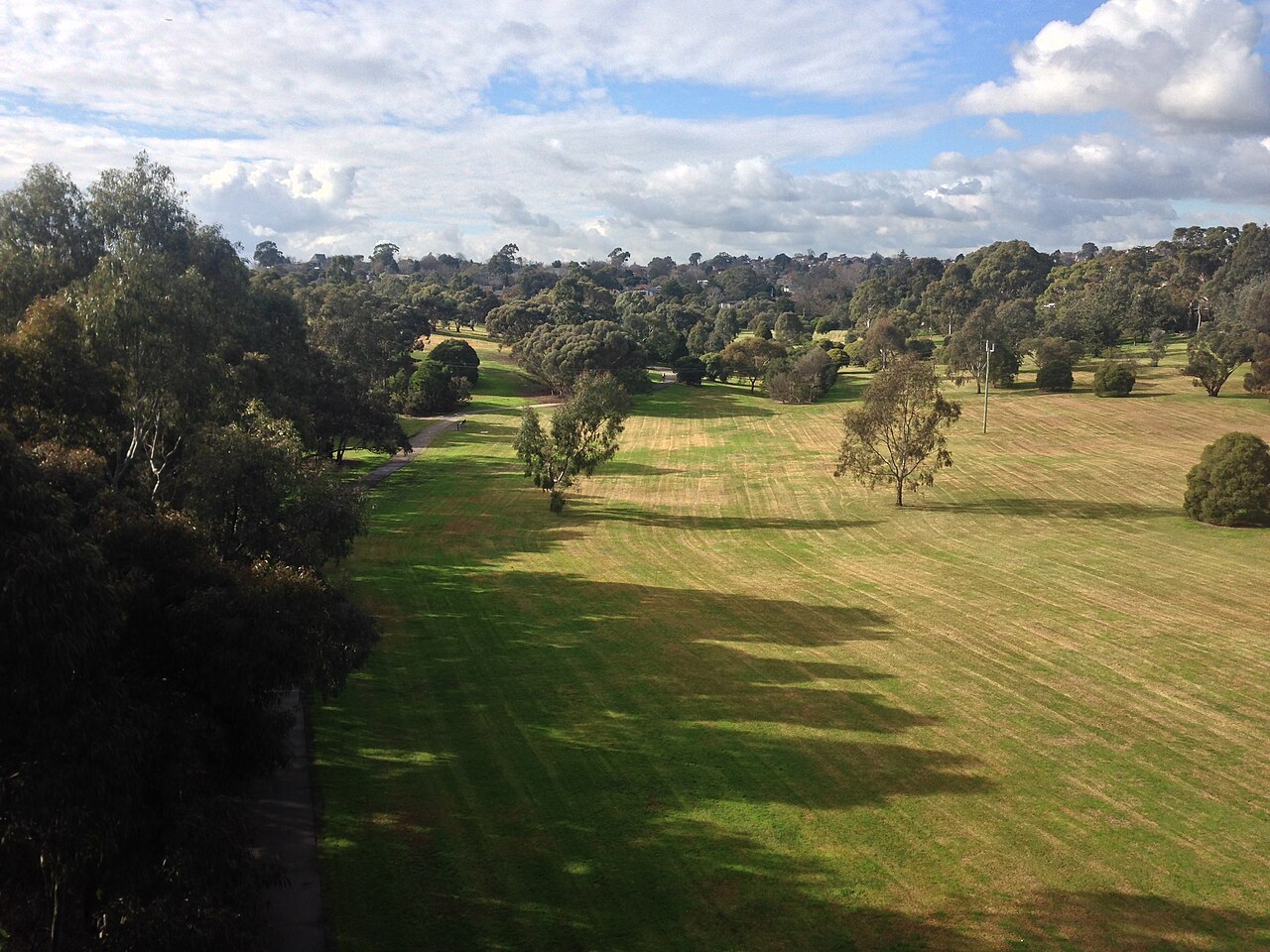
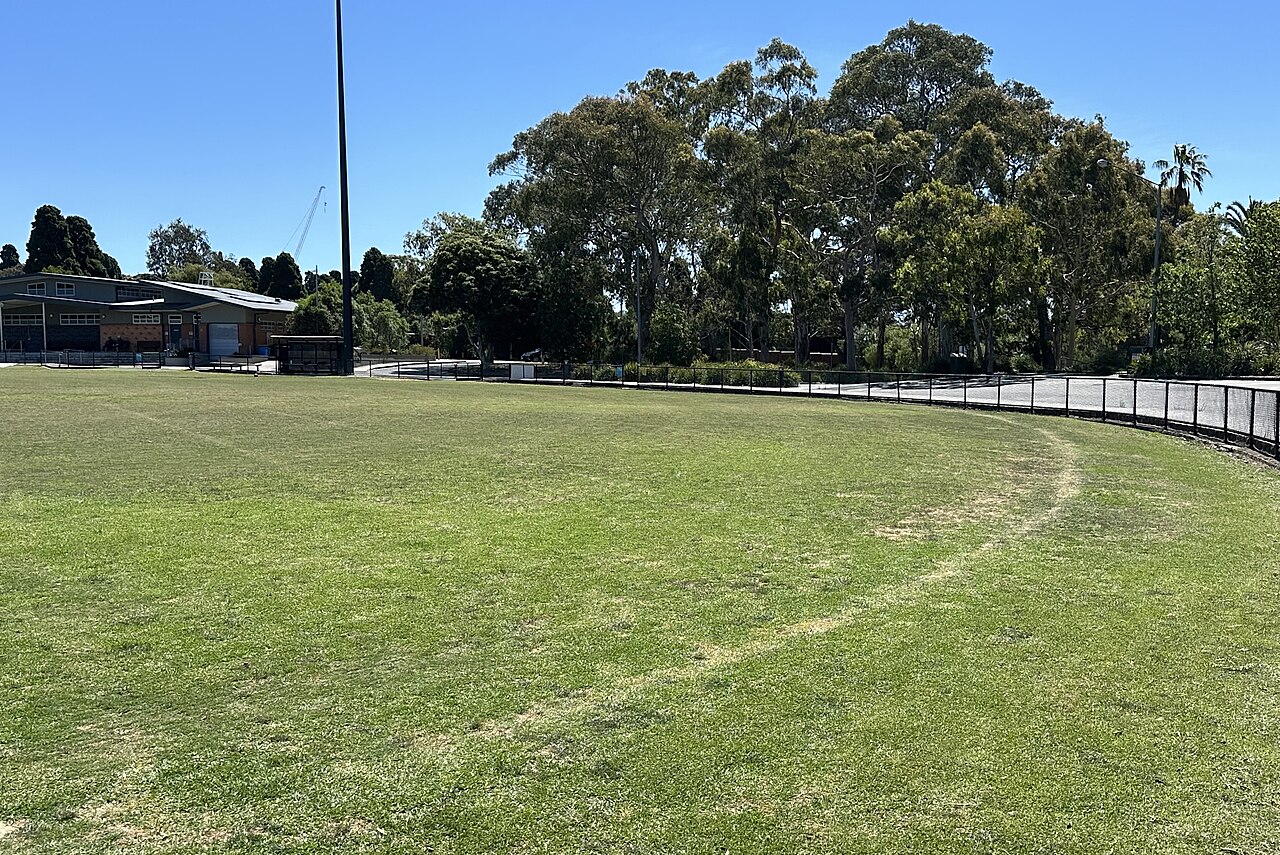
The Hays Paddock side is the clearest lifestyle pitch. The playground at 25-27 Longstaff Street is listed by the City of Boroondara as an all-abilities play space, with access upgrades including more rubber surfacing. For families with toddlers, children with mobility needs, or grandparents joining park visits, that detail is not cosmetic. It changes whether the park is usable every week.
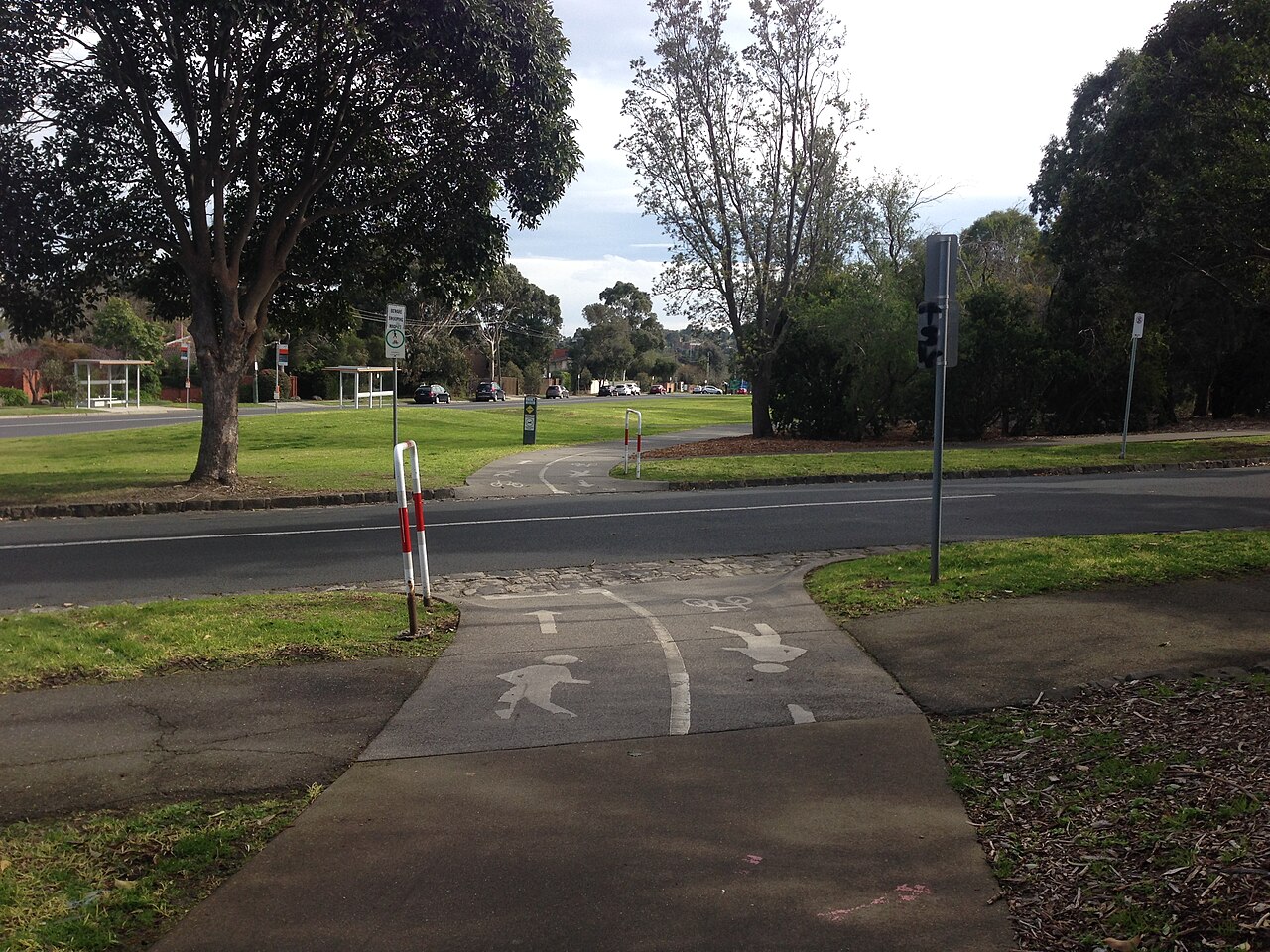
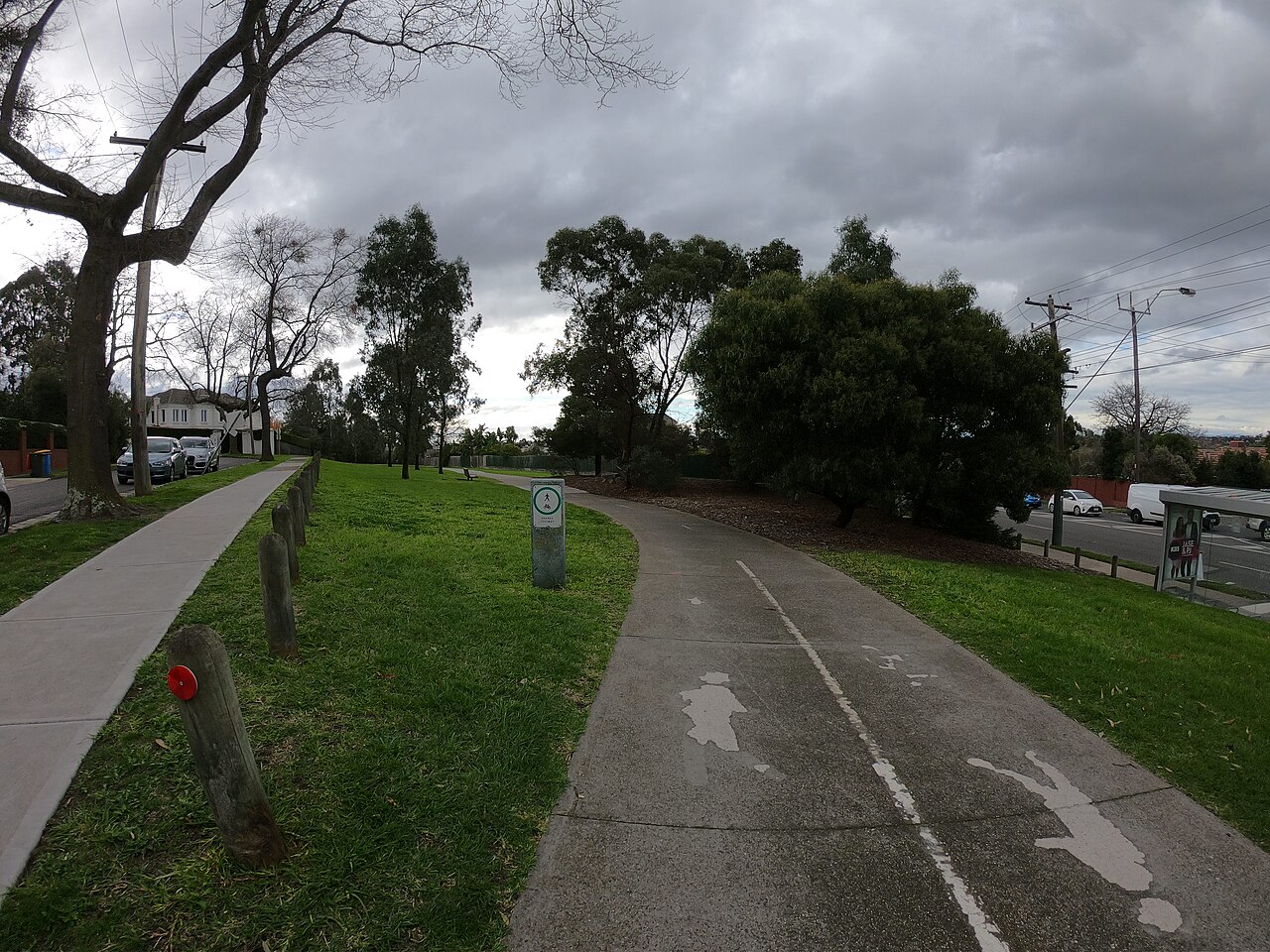
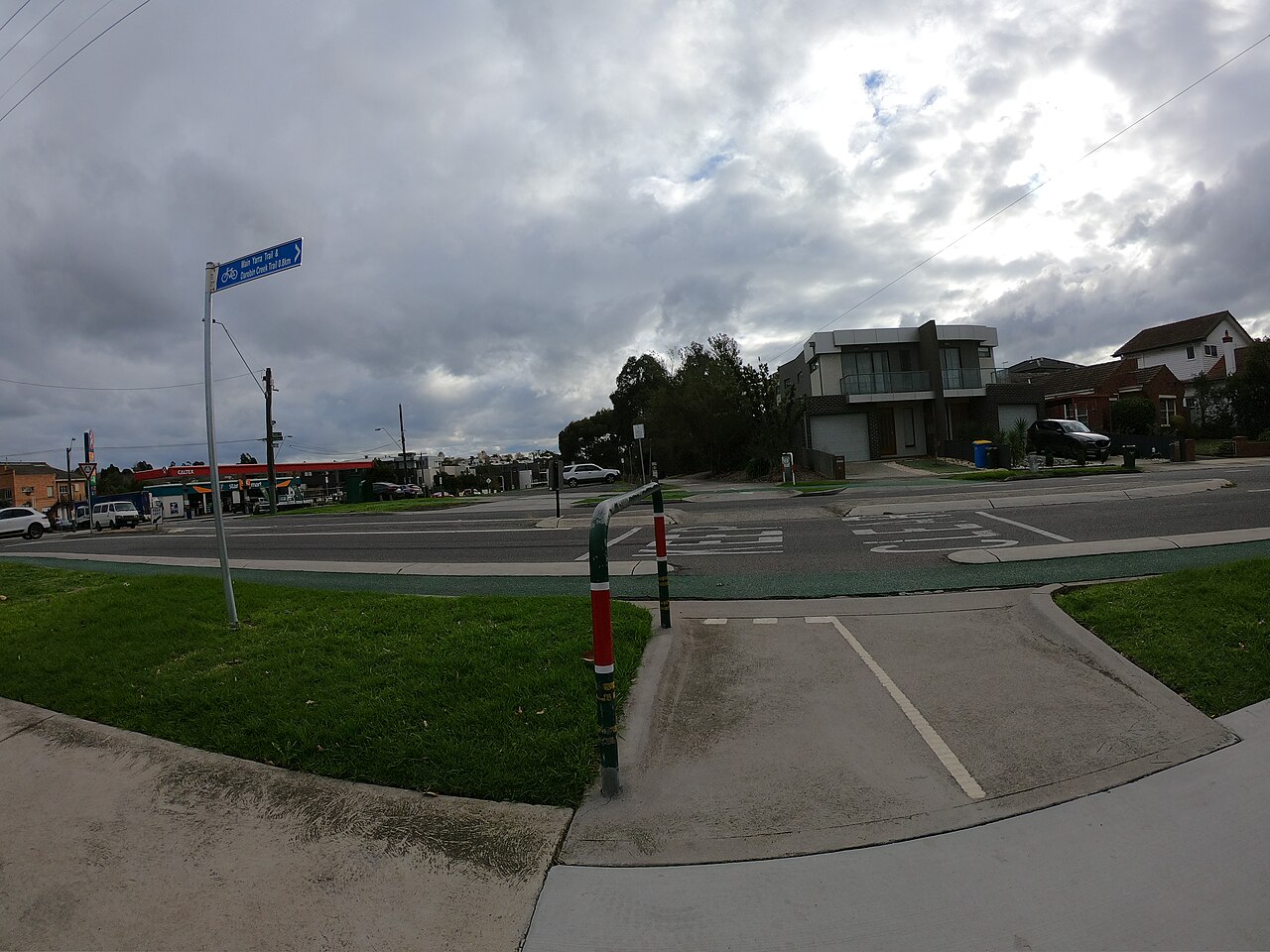
Kew East also has a cycling and walking advantage through the surrounding trail network. The Main Yarra Trail, Koonung Creek Trail links, and local park paths make weekend movement easier than the train map suggests. Still, do not confuse recreational connectivity with a perfect work commute. If one parent needs a predictable train into the CBD every morning, Kew East requires more planning than Hawthorn, Camberwell, or Canterbury.
Signature Craving
The Kew East family craving is not a fine-dining booking. It is the low-friction Saturday: playground first, coffee after, home before the child runs out of patience.
That is where The Coffee Bar @ The Harp earns its place. It is attached to the Harp of Erin setting on High Street and has the practical neighbourhood-cafe role families actually use: coffee, baked food, a casual stop, and a location that sits close enough to the suburb’s main family movements. It is not trying to make Kew East feel like Fitzroy or Windsor. It suits the suburb because the suburb is built around repeat habits, not one-off novelty.
The move is simple. Start at Hays Paddock if the kids need space, or do a short local walk if you are closer to Harp Village. Then use the cafe as the reset point. Parents get coffee, children get food that does not require ceremony, and nobody has to commit to a big restaurant meal at 10:30 am.
For dinner, Kew East families often widen the map. Kew, Balwyn, Hawthorn, Camberwell, and Ivanhoe are close enough to fill in the gaps. That is part of the honest Kew East equation: the suburb gives you calm and family infrastructure, but you will still leave it for bigger retail, dining, private-school events, specialist appointments, and some weekend plans.
Comparisons Table
| Suburb | Family upside | Family drawback | Choose it if |
|---|---|---|---|
| Kew East | Strong parks, public-school logic, larger homes, calmer streets | No train station and premium pricing | You want space, Hays Paddock, Kew High access, and a quieter base |
| Kew | More retail, private-school access, Yarra-side prestige, stronger dining range | Pricier, busier, and more traffic pressure in key pockets | You want more amenity and can pay for it |
| Balwyn North | Large family blocks, school focus, strong owner-occupier feel | Can feel car-dependent and expensive | You want a bigger suburban family setting with school emphasis |
| Ivanhoe | Train access, village retail, schools, and Yarra-side recreation | Competition for good family homes is strong | You want better rail logic without leaving the inner-north/east orbit |
| Hawthorn | Train, tram, retail, schools, and dense amenity | More traffic, less calm, and tighter housing trade-offs | You want convenience over quiet |
Trust Block
Author: Grace Chen
Grace Chen is a Melbourne-based suburb guide writer focusing on family liveability, school access, rental pressure, and local trade-offs across established suburbs.
Research basis: 2026 public property snapshots, council park information, school and venue checks, local geography, transport logic, and suburb-to-suburb comparison.
Local sources checked: Realestate.com.au Kew East property profile, City of Boroondara Hays Paddock playground information, Kew High School location details, Kew East Primary School public information, and local venue listings for The Coffee Bar @ The Harp.
Editorial position: This article does not treat expensive suburbs as automatically good. Kew East scores well for families because its school, park, housing, and street pattern genuinely fit family life. It loses points for price, rail access, and limited retail depth.
FAQ
Q: Is Kew East good for families in 2026?
A: Yes, if the budget works. Kew East has strong family ingredients: Kew East Primary School, Kew High School, Hays Paddock, sports grounds, quieter residential streets, and larger housing than many inner suburbs. The catch is price and transport. It is not the easiest suburb for train-dependent families.
Q: What is the biggest family benefit of Kew East?
A: The park and school combination. Hays Paddock is a serious family asset, especially for younger children and all-abilities play, while Kew High School and Kew East Primary School give the suburb a clear public-school identity.
Q: What is the biggest drawback for families?
A: No train station inside the suburb. Families can use buses, cycling routes, driving, or nearby rail options in surrounding suburbs, but Kew East does not have the simple walk-to-station convenience that some parents need for daily work.
Q: Is Kew East cheaper than Kew?
A: Sometimes, depending on the property type and pocket, but it is still a premium suburb. Kew East can feel slightly more practical and residential than Kew, yet family houses still command high prices because buyers value space, schools, and parks.
Q: Is Kew East better than Balwyn North for families?
A: Kew East is usually better for families wanting a smaller suburb feel and closer inner-east positioning. Balwyn North may suit families wanting bigger blocks, a broader suburban setting, and a strong school-focused identity. Neither is a budget choice.
Q: Are there good parks for children in Kew East?
A: Yes. Hays Paddock is the headline, with playground access, open space, and sports use. Stradbroke Park and the surrounding open-space network add more options for sport, walking, and after-school movement.
Q: Can teenagers get around Kew East without parents driving them everywhere?
A: Partly. Buses, cycling routes, nearby activity centres, and surrounding suburbs help, especially for confident teenagers. But rail access is weaker than in suburbs with their own station, so some families will still do a lot of driving.
Q: Is Kew East good for renters with children?
A: It can be, but supply and price are the problems. Family houses rent at premium levels, and well-located homes can move quickly. Renters should inspect heating, cooling, storage, school access, parking, and road noise carefully before applying.
Q: Is Harp Village enough for daily life?
A: It is enough for coffee, local services, and some casual eating, but not enough for every family errand. Most households still use Kew, Balwyn, Camberwell, Hawthorn, or larger centres for groceries, clothing, medical appointments, and bigger weekend jobs.
Q: Who should avoid Kew East?
A: Families who need rail-first commuting, a lower rent ceiling, high retail density, or a lively dining strip on the doorstep should compare Hawthorn, Camberwell, Ivanhoe, or more affordable middle-ring suburbs before committing.