Verdict Box
Kew East is good for retirees who want a settled inner-east address, can afford Boroondara pricing, and still like doing a little driving or using trams and buses. It is not the easy-mode option for every older person. The suburb has no train station, some streets are hilly enough to matter, and the smaller downsizer stock is limited compared with Kew, Hawthorn East or Camberwell.
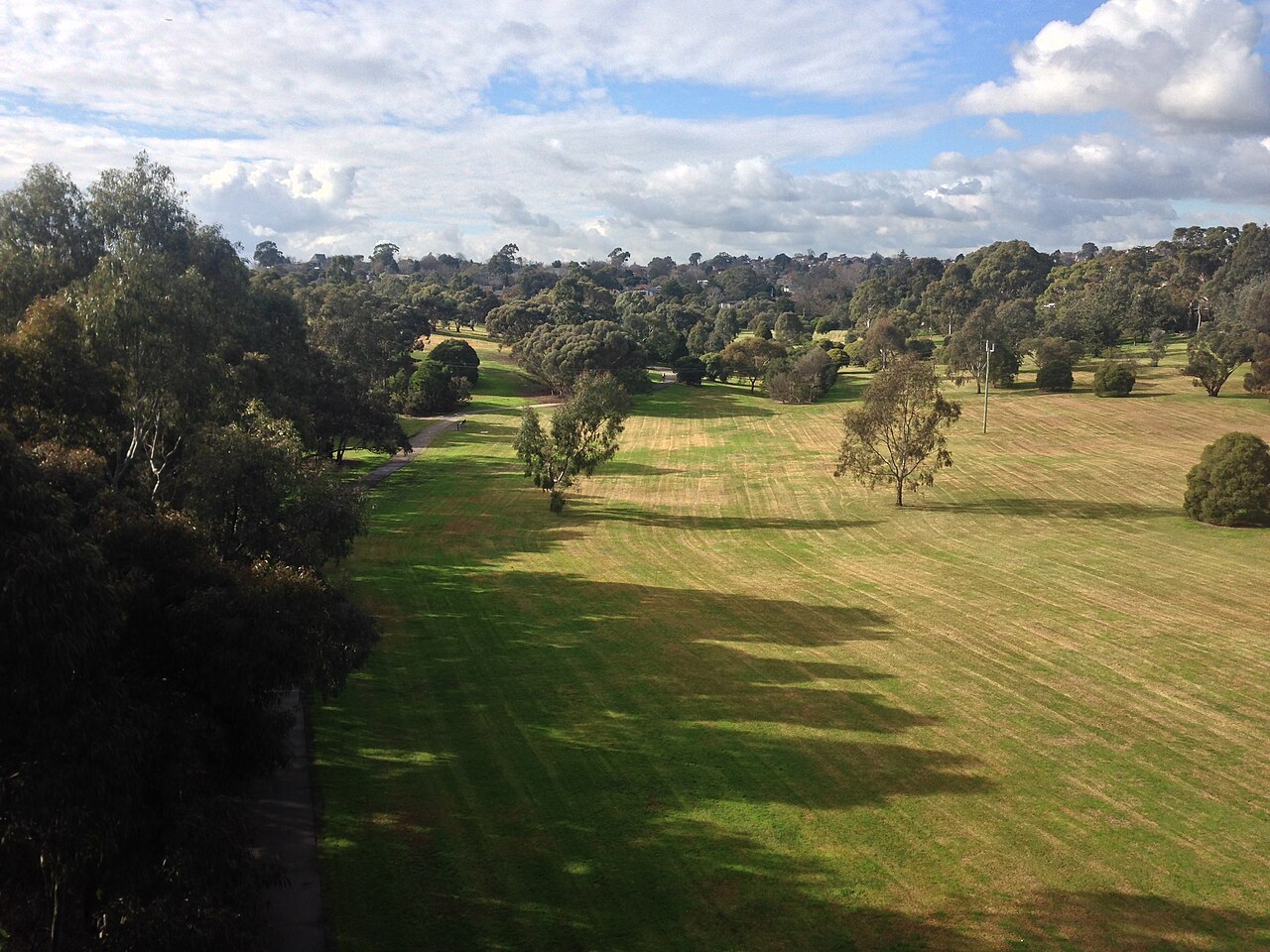
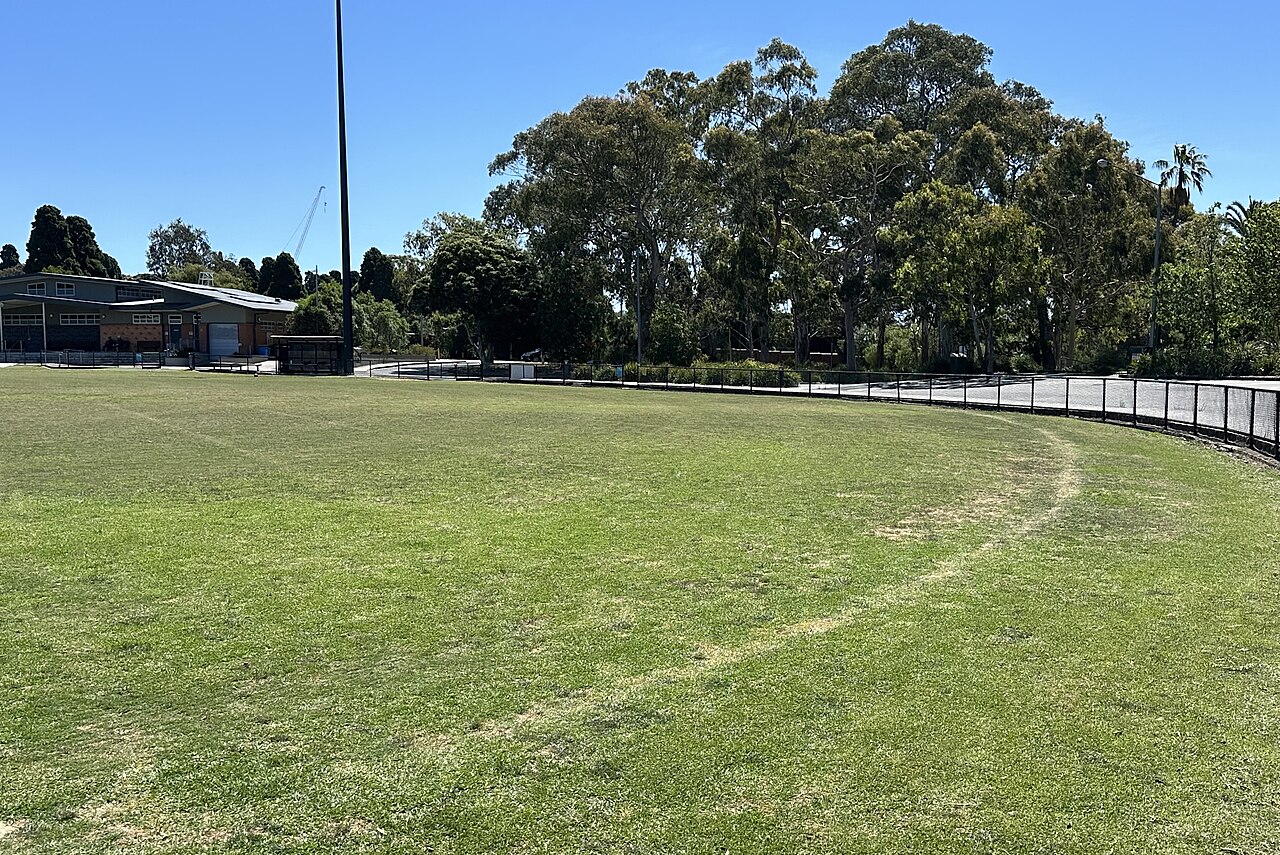
The strongest part of the retiree case is everyday comfort. Hays Paddock gives Kew East a genuine outdoor anchor: walking paths, toilets, picnic tables, seating, parking, exercise equipment and an all-abilities playground are listed by the City of Boroondara at the Longstaff Street reserve. That matters for retirees who host grandchildren, walk daily, or want somewhere local that does not require buying a coffee every time they leave the house.
The second strength is proximity without being in the middle of a major activity centre. Kew East sits close to Kew Junction, Balwyn shops, High Street trams, medical rooms, private hospitals in the broader Kew-Hawthorn-Camberwell arc, and the Eastern Freeway. For retirees who still drive, that combination is practical. For retirees who no longer drive, it needs a more careful street-by-street check.
The honest verdict: Kew East is a premium retiree suburb, not a bargain retirement move. It works best for owner-occupiers, downsizers with strong equity, and older renters who have budget room. It works less well for retirees who need flat walking access to a train, a big choice of apartments, or cheap weekly rent.
At-a-Glance Table
| Factor | Kew East retiree reality |
|---|---|
| Overall fit | Strong for active, well-funded retirees who want quiet streets, parks and inner-east access |
| Main weakness | No train station; tram and bus access depends heavily on the exact pocket |
| Best local asset | Hays Paddock, especially for walking, seating, toilets, parking and family visits |
| Property feel | Established detached homes, townhouses and some units; limited low-cost downsizer stock |
| Daily shopping | Harp Village and High Street handle basics; bigger retail runs usually mean Kew, Balwyn, Camberwell or Doncaster |
| Transport | Route 48 tram along High Street plus buses; car ownership still makes life easier |
| Medical practicality | Good broader inner-east access, but check distance to your GP, pharmacy and preferred specialists |
| Social pace | Calm and residential, with enough local food and coffee to avoid feeling cut off |
| Retiree caution | Inspect slope, footpaths, driveway gradients, bathroom layout and parking before falling for the address |
Who It Suits
Margaret, 69, downsizing from a family home — wants a quiet address, a small garden, good parks nearby and enough equity to avoid stretching.
The Grandparent Host — wants Hays Paddock, local cafes and easy pick-up access for adult children crossing the eastern suburbs.
The Car-Light Retiree — can manage trams and buses, but still wants occasional taxi, rideshare or family driving support.
The Inner-East Loyalist — has lived around Kew, Balwyn, Camberwell or Hawthorn for years and wants retirement without leaving familiar doctors, shops and friends.
Rent & Property Reality
Kew East is expensive because it offers a scarce thing: a small, established inner-east suburb with parks, schools, family houses, transport lines and access to the Eastern Freeway. Retirees looking here are usually competing with families, professional couples and buyers who already know Boroondara. That keeps prices firm even when broader buyer sentiment cools.
The 2021 ABS QuickStats profile records Kew East with a median age of 41 and a population of 6,620, so it is not a retirement village suburb by demographic character. It is a family-and-established-owner suburb where retirees fit in if they can secure the right dwelling. You can check the base Census profile through ABS QuickStats for Kew East.
For renting, the pressure is real. Realestate.com.au’s Kew East profile and rental pages in 2026 show house rents around the high hundreds to roughly $1,000 a week, with larger family homes well above that. Their rental listing snapshot cited a median house rent of $995 per week based on the prior 12 months, while the suburb profile showed four-bedroom house rents at $1,397 per week for May 2025 to April 2026. Those figures are not retiree-friendly unless you have a strong income stream or are renting after selling elsewhere. Current figures should be checked at the point of decision through realestate.com.au’s Kew East suburb profile.
Buying is more nuanced. A big detached house can be overkill for retirement, but older single-level homes on manageable blocks are fiercely contested because they also suit families, renovators and buyers wanting land. Townhouses may solve maintenance, but check stairs, garage access, body corporate rules, visitor parking and whether the main bedroom is on the ground floor. Units can be more affordable, but Kew East does not have the deep apartment supply of Hawthorn, Kew Junction or Camberwell.
For retirees, the best property move is often not “Kew East at any cost.” It is “the right Kew East pocket and dwelling type.” A slightly cheaper property on a steep street, with poor pedestrian access or a difficult driveway, can become the wrong retirement home. A smaller property closer to High Street, Harp Village or a usable bus route may age better than a larger house that relies on driving for every errand.
Body corporate costs also deserve attention. Downsizers sometimes focus on purchase price and forget ongoing fees, lift maintenance, insurance, garden contracts and special levies. In Kew East, a well-run townhouse or unit group can be excellent, but the documents matter. Ask for recent owners corporation minutes, maintenance plans and insurance details before treating a low-maintenance property as truly low-effort.
Local Reality & Pockets
Kew East has a compact but varied local geography. The High Street and Harp Road side gives better access to Route 48 tram stops, cafes and small shops. This is the side that suits retirees who want to walk to coffee, the pharmacy or public transport without making every outing a car trip. It is also where traffic noise and parking pressure can be more noticeable, so inspect at school pick-up time and during the evening commute.
The Hays Paddock and Glass Creek side is attractive for walking and greenery. The City of Boroondara lists Hays Paddock at 25-27 Longstaff Street with barbecues, seating, toilets, parking, picnic shelter, exercise equipment and an off-lead dog area. For retirees, that is more than a lifestyle detail. It gives structure to the week: morning walks, family picnics, dog routines and low-cost time outdoors. The trade-off is that some homes near the park are less walkable to shops, depending on the street.
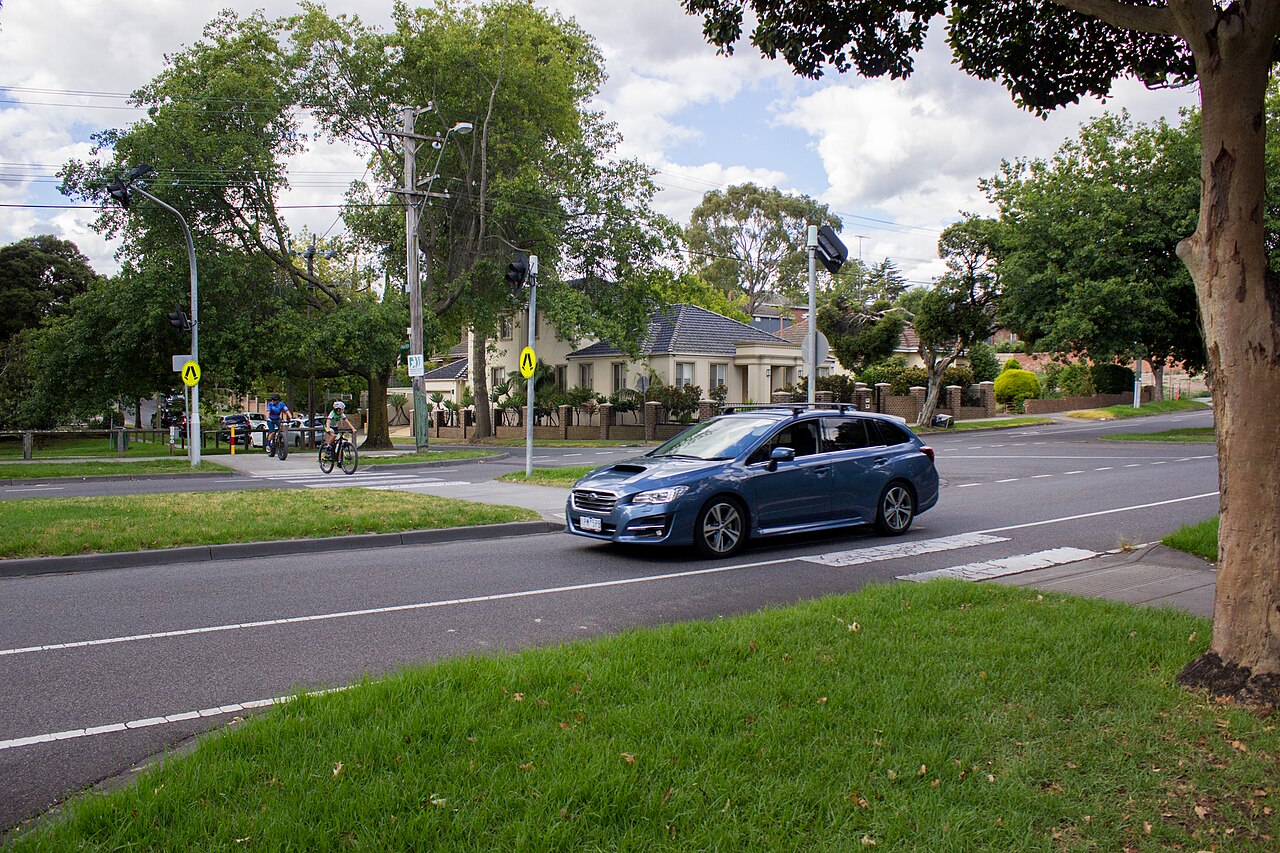
The Burke Road edge gives access toward Balwyn and Camberwell, but it can feel more like a connector zone than a secluded residential pocket. For drivers, that is useful. For walkers, traffic exposure and crossing points matter. Retirees should test the route they would actually use to reach groceries, tram stops and medical appointments, not just measure distance on a map.
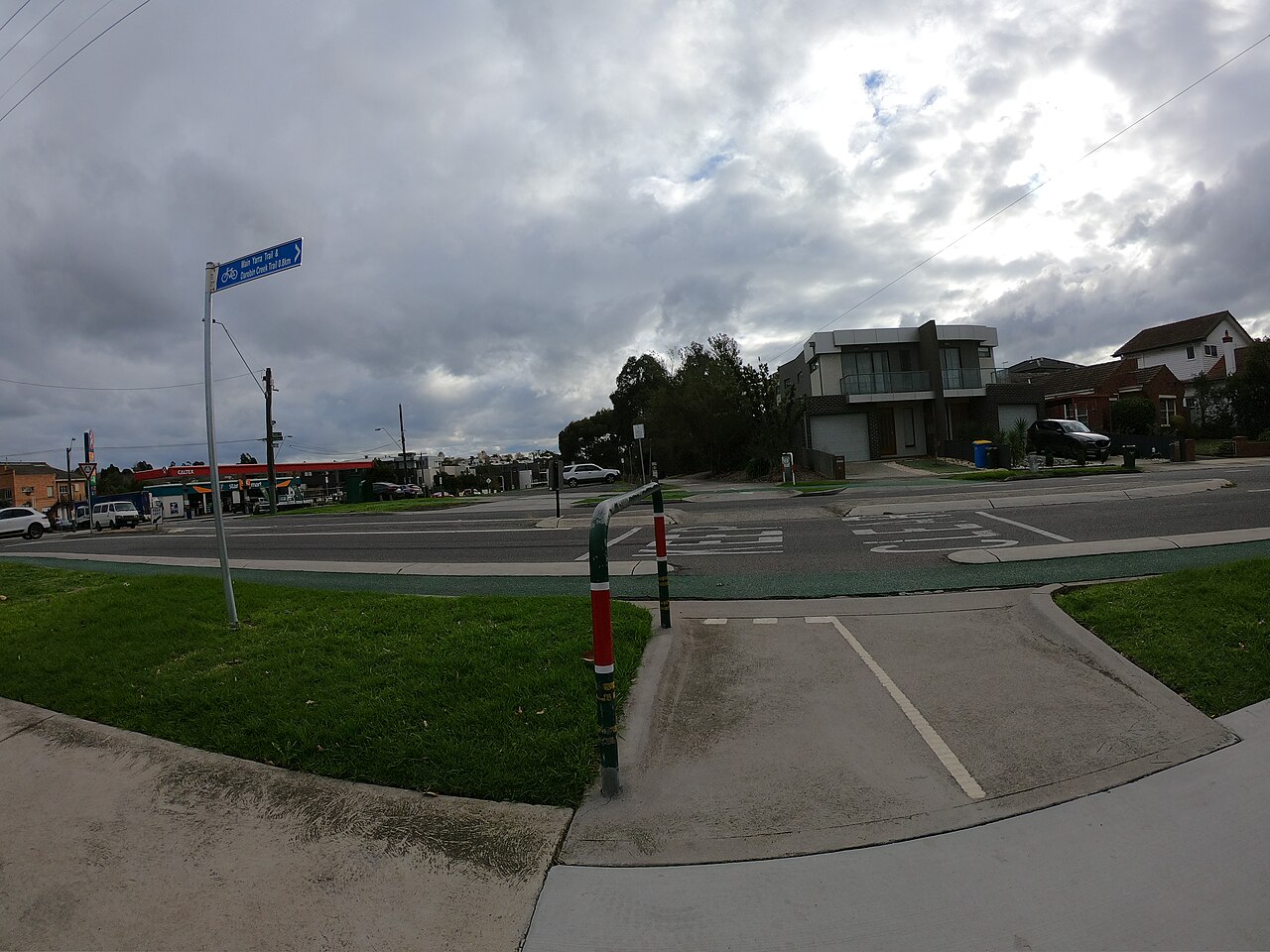
The northern side near the Yarra and freeway edge has a different character again. Access to open space and cycling routes can be excellent, but freeway noise and car dependence need checking. Do not rely on a Saturday open-for-inspection vibe. Visit at peak hour, stand in the bedroom, open the windows, and listen.
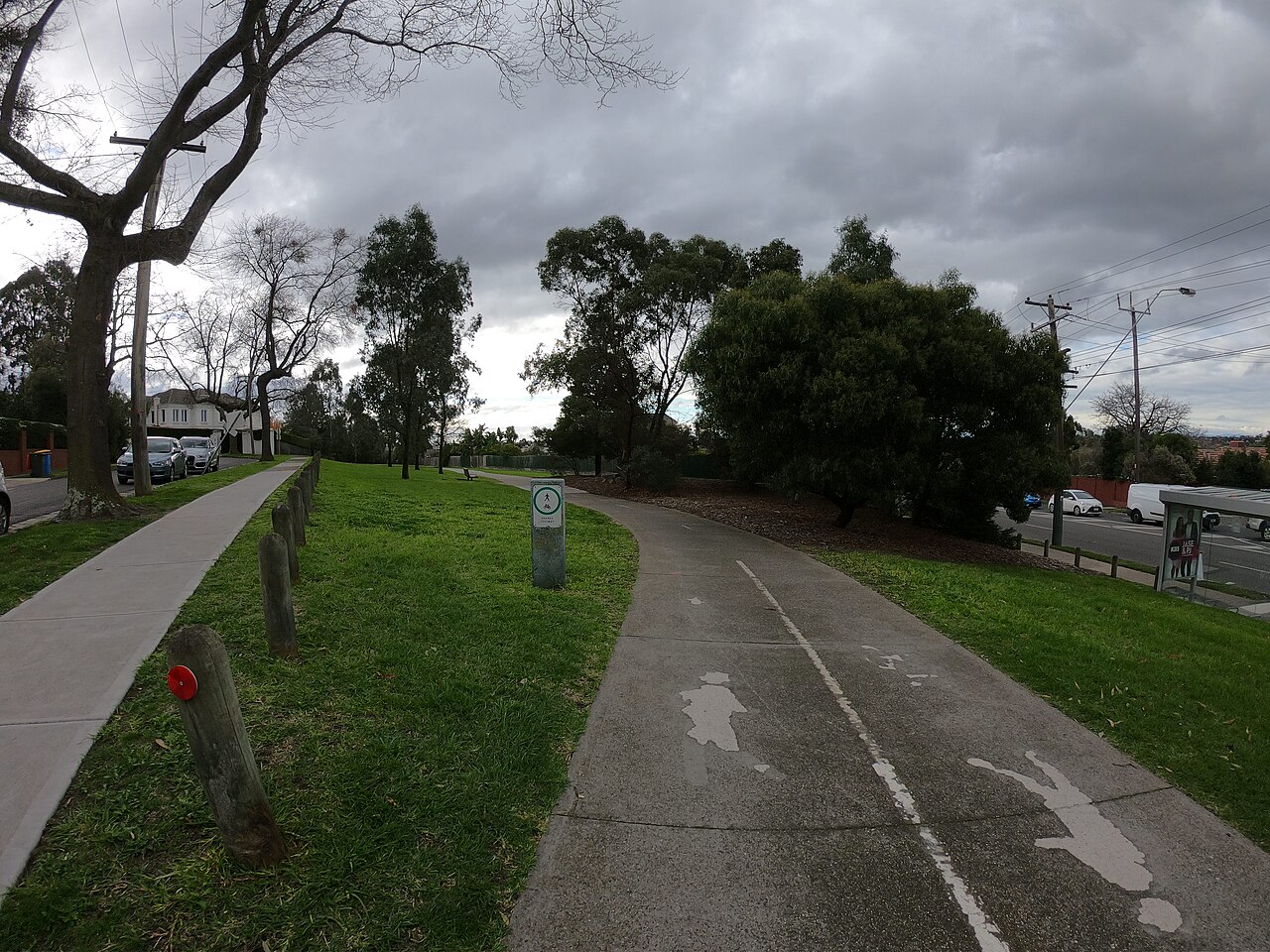
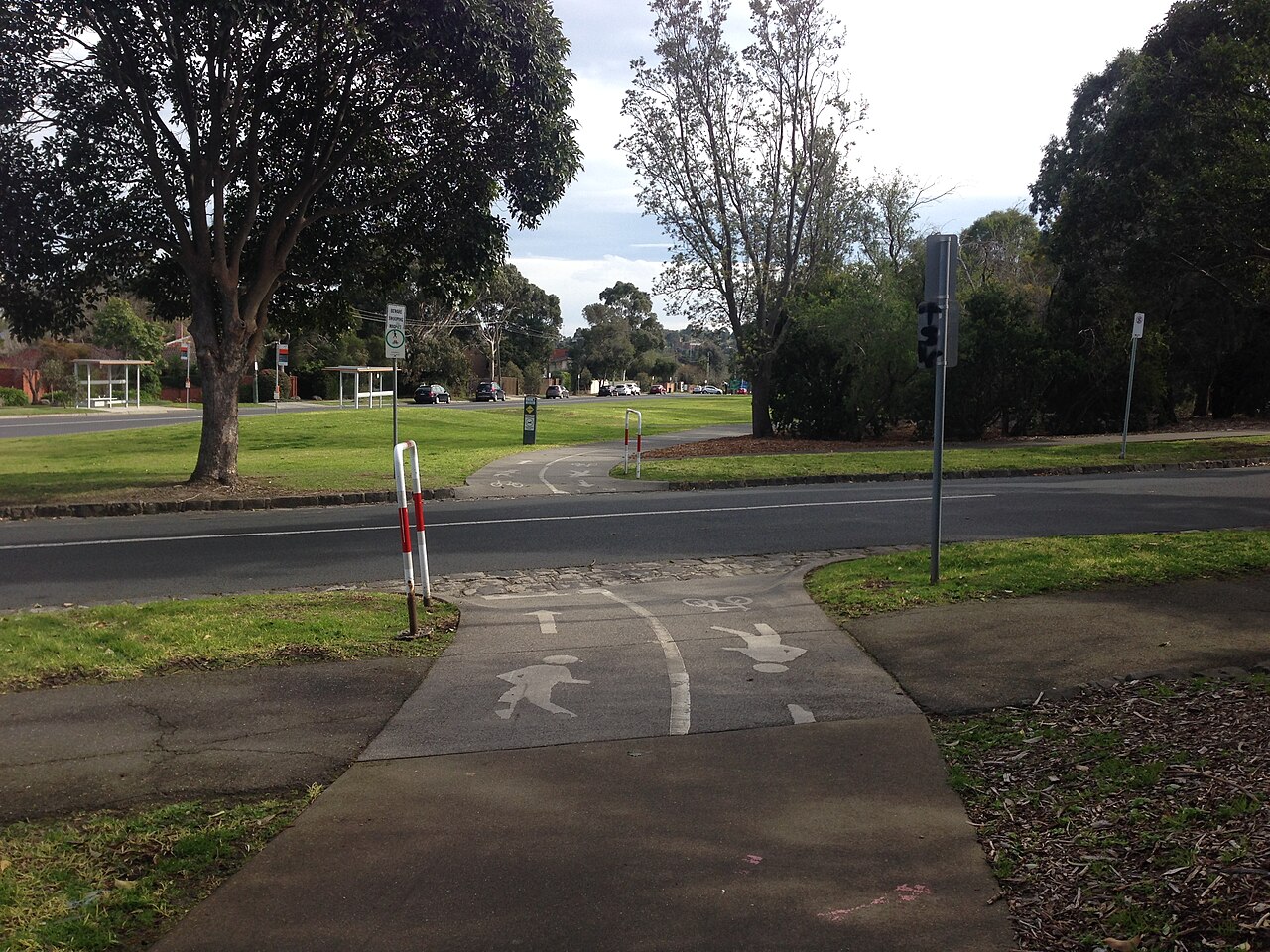
Kew East also carries the classic inner-east footpath issue: many streets are pleasant, but not every route is equally forgiving for walkers with knee, hip or balance concerns. Tree roots, driveway crossovers, narrow paths and slopes can turn a theoretically walkable address into a frustrating daily base. Retirees should walk the exact loop they expect to use: home to tram, home to cafe, home to park, home to pharmacy.
The suburb’s social rhythm is quiet. That is a benefit if you want calm nights and established neighbours. It is a drawback if you want theatre, late dining, a large library, cinemas or a dense strip of services within a short flat walk. Those things are nearby rather than sitting inside Kew East itself. The suburb gives you access to the inner east, but it does not perform like Camberwell Junction or Glenferrie Road.
Signature Craving
The local craving is not a late-night scene. It is a morning walk, a reliable coffee, and something sweet or substantial before heading home. That is why Kuche on High Street matters in the retiree equation. It is a real Kew East venue at 682 High Street, with cafe hours, alfresco dining, breakfast and lunch noted in venue listings. For older locals, the important thing is not whether it wins online hype. It is whether it gives the suburb a repeatable local ritual.
Kuche works because it sits on the useful part of Kew East: close enough to the High Street spine to combine with errands, tram access or a short meet-up. A retiree can use it for a low-pressure weekday brunch, a catch-up with adult children, or coffee after an appointment. That sounds small, but retirement suburbs live or die on these small repeatable routines.
Vienna Patisserie and Bakery at 664 High Street is another useful local name. A bakery on the same strip adds to the day-to-day convenience, especially for people who prefer a quick pastry, bread run or takeaway option over a long lunch. Ora Specialty Coffee is technically in Kew rather than Kew East, but it is close enough for many locals on the western side and gives another nearby coffee option.
The honest food verdict is that Kew East has enough local comfort, not a deep dining roster. If you want a suburb where every week can be planned around new restaurants, look at Hawthorn, Richmond, Carlton, Fitzroy or parts of Camberwell. If you want a dependable cafe-and-bakery routine within a calm residential suburb, Kew East is far more convincing.
For retirees, the test is personal: can you reach the venue you would actually use without stress? A cafe two kilometres away is not local if the walk is steep, the tram stop is awkward, or parking is tight. Kew East rewards people who pick their pocket around their habits.
Comparisons Table
| Suburb | Retiree strengths | Retiree drawbacks | Better fit than Kew East if… |
|---|---|---|---|
| Kew East | Quiet streets, Hays Paddock, High Street tram, established homes, strong inner-east access | Expensive, no train, limited apartment depth, some car reliance | You want calm residential living with park access and have the budget |
| Kew | More shops, more medical access, stronger apartment and unit choice around Kew Junction | Busier, pricier in premium pockets, traffic and parking can be harder | You want more services within reach and do not mind a larger suburb |
| Balwyn | Good retail spine, established medical services, strong bus and tram access in parts | Very expensive houses, some pockets still car-dependent | You want a more substantial shopping strip and broader everyday services |
| Balwyn North | Larger blocks, parks, quiet family streets, access to Yarra-side open space | Can be more spread out, fewer walkable retail pockets, no train | You want space and calm, and driving is still part of your routine |
| Hawthorn East | Better access to trains nearby, Camberwell Junction, more apartments and services | Denser, busier, less consistently quiet | You want downsizer stock and public transport options more than detached-home calm |
Trust Block
Author: Maya Chen
Persona used: Margaret Liu, 69, a downsizer who wants park access, reliable coffee, medical convenience and a home that will still work at 80.
Research basis: ABS 2021 Census QuickStats, City of Boroondara park information, realestate.com.au 2026 suburb and rental snapshots, venue listings for Kew East and nearby Kew, and local street-pattern analysis.
Local accuracy note: Kew East is sometimes marketed as if it gives every retiree easy walkability. That is too broad. The suburb’s retiree quality changes sharply by pocket, slope, tram proximity and dwelling layout.
Last reviewed: 25 May 2026.
FAQ
Q: Is Kew East good for retirees in 2026?
A: Yes, if you have the budget and choose the right pocket. It is strongest for active retirees who want parks, calm streets and inner-east access. It is weaker for retirees who need a train station, cheap rent or a large choice of apartments.
Q: Is Kew East walkable for older residents?
A: Partly. The High Street and Harp Village side is more useful for walking to cafes, shops and trams. Other pockets can be pleasant but more car-dependent. Slopes, footpath condition and street crossings should be checked in person.
Q: Does Kew East have a train station?
A: No. This is one of the suburb’s main retiree drawbacks. Public transport is based around Route 48 tram on High Street and local buses. If train access is non-negotiable, compare Hawthorn, Glenferrie, Camberwell or Canterbury.
Q: What is the best pocket of Kew East for retirees?
A: Many retirees will prefer being near High Street, Harp Village or a tram stop because errands and coffee are easier. Park-focused retirees may prefer the Hays Paddock side, but they should check how they will reach shops and medical appointments.
Q: Is Kew East affordable for retirees?
A: Usually no, unless you already own in the area, are downsizing with strong equity, or have a high retirement income. Renting a family house is especially expensive. Units and townhouses may be more realistic, but supply is not deep.
Q: Is Hays Paddock useful for retirees or mainly families?
A: It is useful for both. For retirees, the walking paths, seating, toilets, parking, picnic areas and open space make it a practical daily asset, especially for dog walking and visits with grandchildren.
Q: Can you retire in Kew East without a car?
A: It is possible in the right pocket, but not ideal for everyone. A car-free retiree should prioritise flat access to High Street, a tram stop, a pharmacy and regular groceries. Otherwise, taxis, rideshare or family help may become part of the routine.
Q: Are there good downsizer homes in Kew East?
A: There are townhouses and units, but the suburb is still heavily shaped by established houses. Retirees should look closely at stairs, garage access, owners corporation costs, storage, visitor parking and whether the main living areas work for ageing in place.
Q: How does Kew East compare with Kew for retirees?
A: Kew East is generally quieter and more residential. Kew offers more services, more apartments and stronger access around Kew Junction, but it can feel busier. Kew East is better for calm; Kew is better for service depth.
Q: Is Kew East too quiet for retirement?
A: It depends on the retiree. If you want night dining, cinemas and a dense shopping strip at your door, it may feel too quiet. If you want a calm base with nearby inner-east options, the quieter pace is part of the appeal.