You are looking at Kew East and the suburb feels weirdly hard to read: lively in one pocket, sleepy two streets later. The useful move is simple: pick the pocket first, then worry about the property.
The Verdict
Pick one block back from the main strip if you want the best version of Kew East. It gives you the suburb’s main advantage, easy access to cafes, restaurants, shops, and daily errands, without making your front door part of the Saturday morning crowd. That is the sweet spot here: close enough to walk, far enough to sleep.
The main strip is convenient, but it asks for a trade. You get the buzz, the coffee, the places visitors actually notice, and the feeling that something is happening. You also get harder parking, more noise, and other people’s weekend routines starting outside your window. Go too far into the edge zones toward Kew, Balwyn, or Deepdene, and the value can improve, but you may lose the specific Kew East convenience you thought you were buying. The residential pockets are where the suburb makes the most sense for most people: tree-lined streets, front gardens, familiar dog walkers, kids on bikes, and enough distance from main road traffic to feel properly suburban. Don’t choose the main strip just because it looks more alive on inspection day; you may regret paying extra for noise you only enjoyed for twenty minutes.
What It’s Actually Like
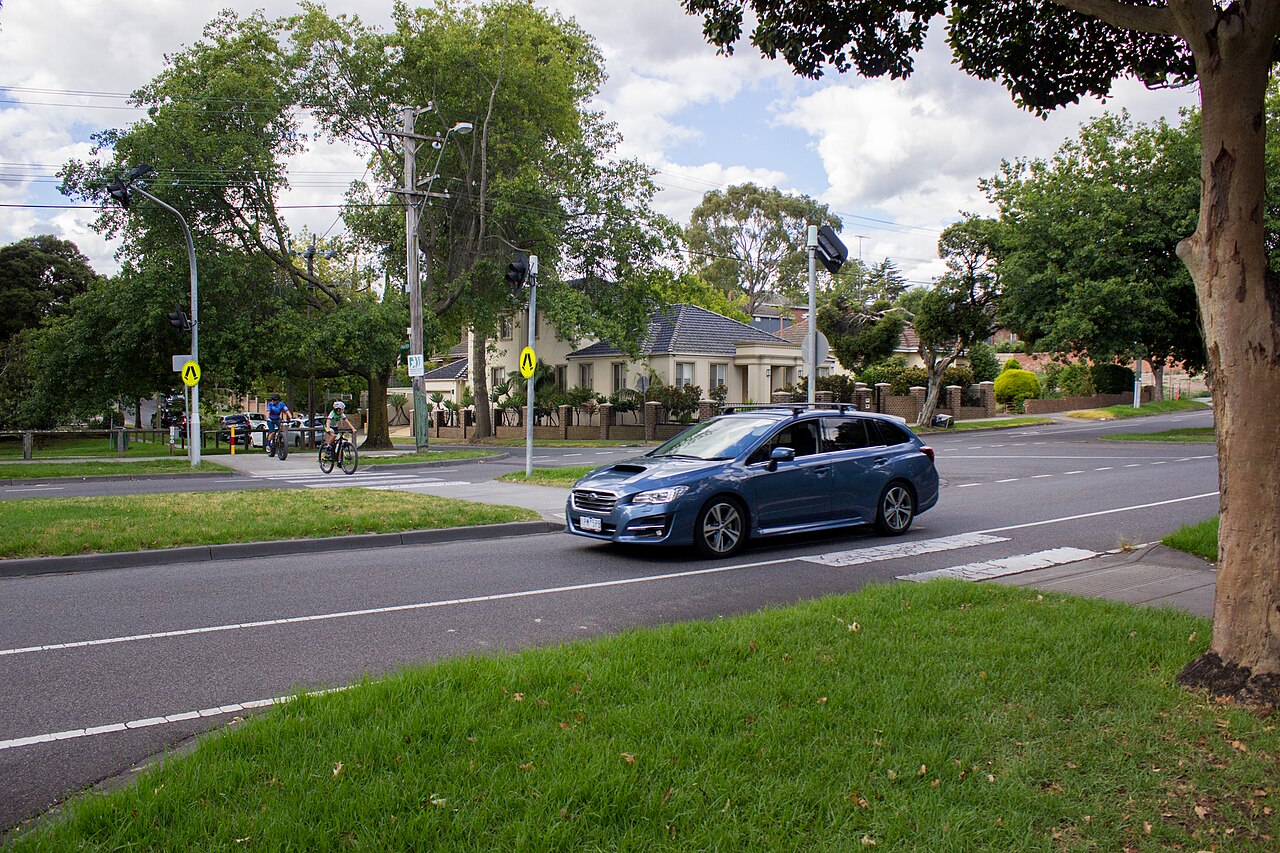
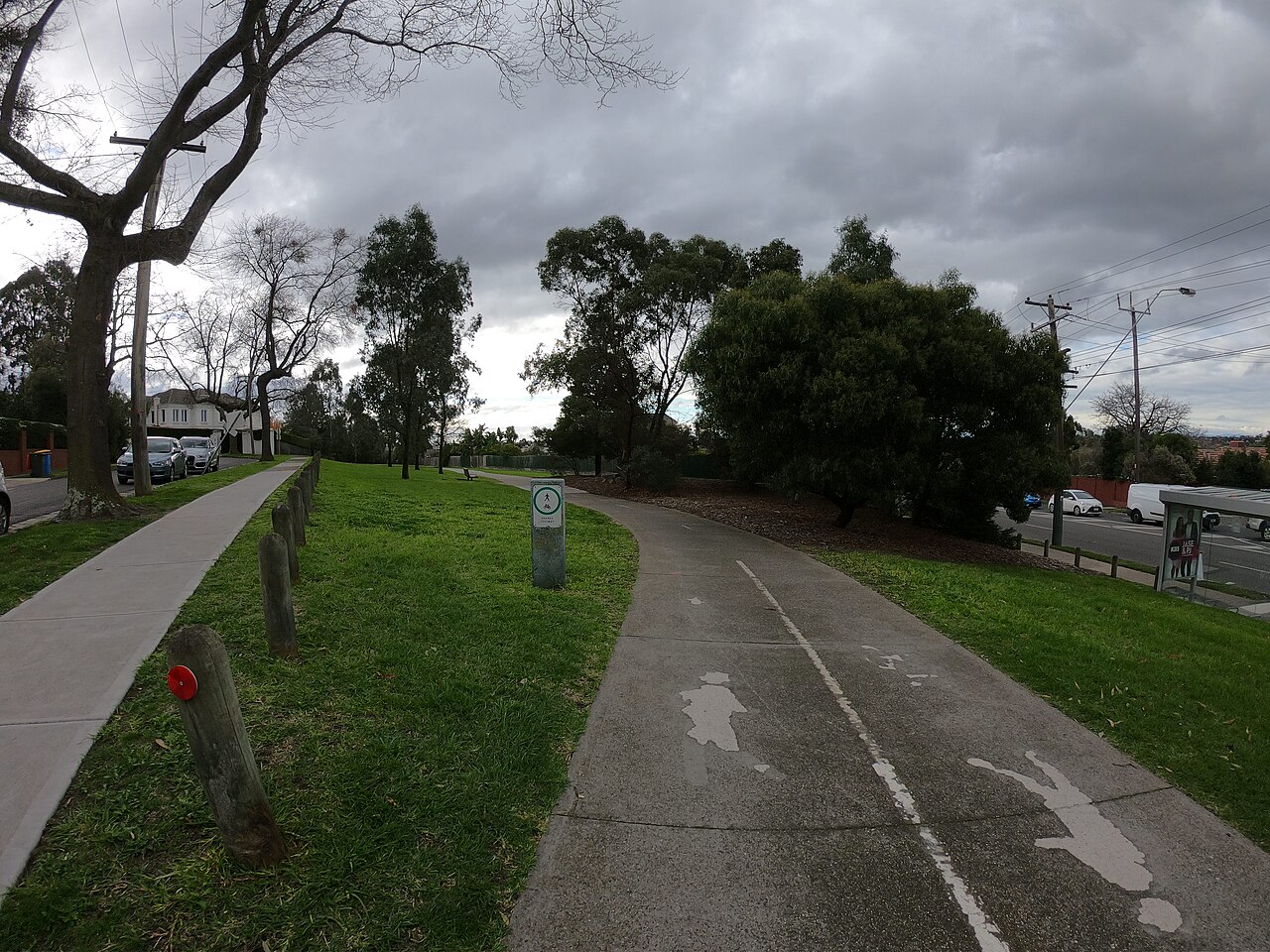
Kew East changes quickly on foot. Start on the main strip and the suburb presents its public face: cafes, restaurants, shops, passing traffic, and the kind of everyday buzz that makes a place feel easy to use. Move a block or two back and the volume drops. The footpaths get quieter, gardens matter more, and the suburb starts to feel like somewhere people have settled into rather than somewhere they are passing through.
Parking is the first practical detail to notice. Right on or next to the main strip, it can be annoying, especially when the cafes are busy and everyone thinks they are only stopping for ten minutes. Saturday mornings are the test. If the street feels tight then, assume it will keep feeling tight. The quieter residential pockets are calmer, but check the route to shops before you get carried away by a pretty street. A beautiful pocket that makes every small errand a drive will not suit everyone.
The edges matter too. Where Kew East blends toward Kew, Balwyn, and Deepdene, streets can feel like transition zones. Some are excellent if you want more space or slightly better value. Others feel like you are buying the name without getting the daily convenience. Skip this if you need nightlife or constant street energy; Kew East is more about usable local rhythm than big suburb theatre. If you are west of the Kew edge and mostly spending time there anyway, you may be better off comparing Kew directly instead of forcing a Kew East search.
Who This Suits
If you are a young professional, pick near the main strip, but do not live directly on top of it unless convenience matters more than quiet. If you are a couple looking to settle, aim one block back from the action: close enough for dinner and coffee, calm enough to feel like home. If you are a family with kids, focus on the residential pockets with parks nearby and less main road traffic. If you are a retiree downsizing, look for quiet streets with flatter walking access to shops. If you are an investor, the main strip apartments and edge-zone units are the obvious yield plays, but the obvious option is not always the most liveable one.
Cost expectations are straightforward: the closer you are to the main strip, the more you are paying for convenience and visibility. The quieter pockets are not necessarily cheap, but they often feel better value because the money goes into liveability rather than buzz. Edge zones can be tempting if your budget is tight, especially where the street still gives you practical access to Kew East without the premium of the busiest pocket.
Time of day changes the read. Inspect on a weekday afternoon and Kew East can feel almost too calm. Come back on Saturday morning and the main strip tells the truth about traffic, parking, cafe spillover, and how much public energy you actually want near home. In warmer months, the back streets show their strength: gardens, walkers, and the slower suburban rhythm that makes the area work.
What to Do Next
Walk Kew East on a Saturday before 10am: main strip first, then two side streets, then one edge zone toward Kew or Balwyn. After that, read the Kew East living guide before shortlisting homes.
Original Pocket Comparison
| Who you are | Where to look |
|---|---|
| Young professional | Near the main strip — within walking distance of bars and cafes |
| Couple looking to settle | One block back from the action — quiet enough to sleep, close enough to walk |
| Family with kids | The residential pockets with parks nearby, away from main road traffic |
| Retiree downsizing | Quiet streets with flat terrain and walking access to shops |
| Investor | Main strip apartments or edge-zone units for yield |