You moved to Kew East for the quiet streets, then discovered your commute depends on choosing the right mix of tram, train access, bus backup and car patience. Here is the plain verdict on getting around without pretending the timetable tells the whole story.
The Verdict
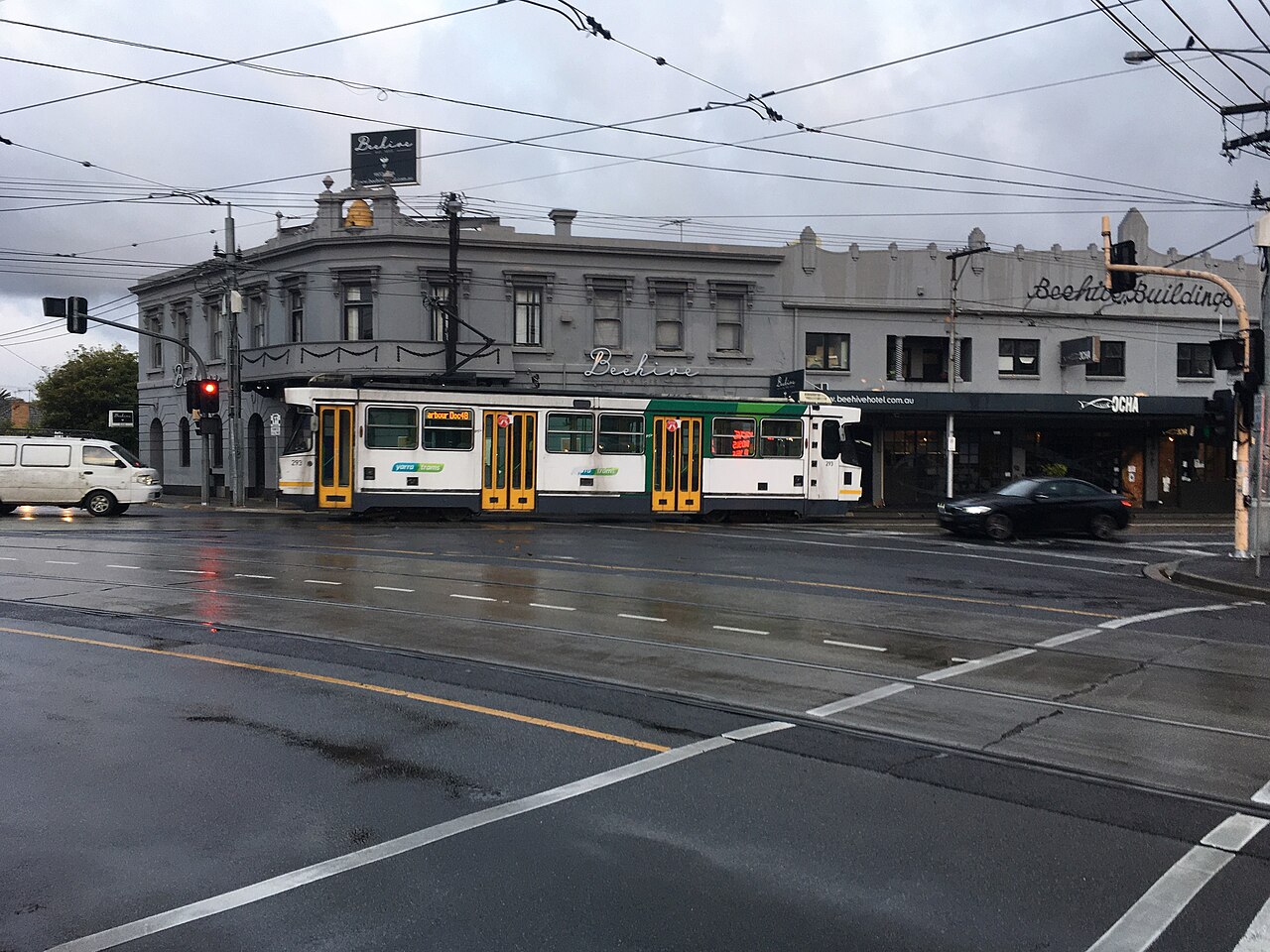
Public transport first, car optional, is the right transport call for Kew East if you are doing normal weekday life. The suburb works because you are not stuck with one mode: tram services cover short hops and city runs, train access is the strongest peak-hour link when you can get to the station, and buses fill the awkward gaps between residential streets, shopping centres and neighbouring suburbs. If you only read this section, treat the train as your city-commute anchor, the tram as your local movement tool, and the car as the thing you use when public transport stops lining up with the plan.
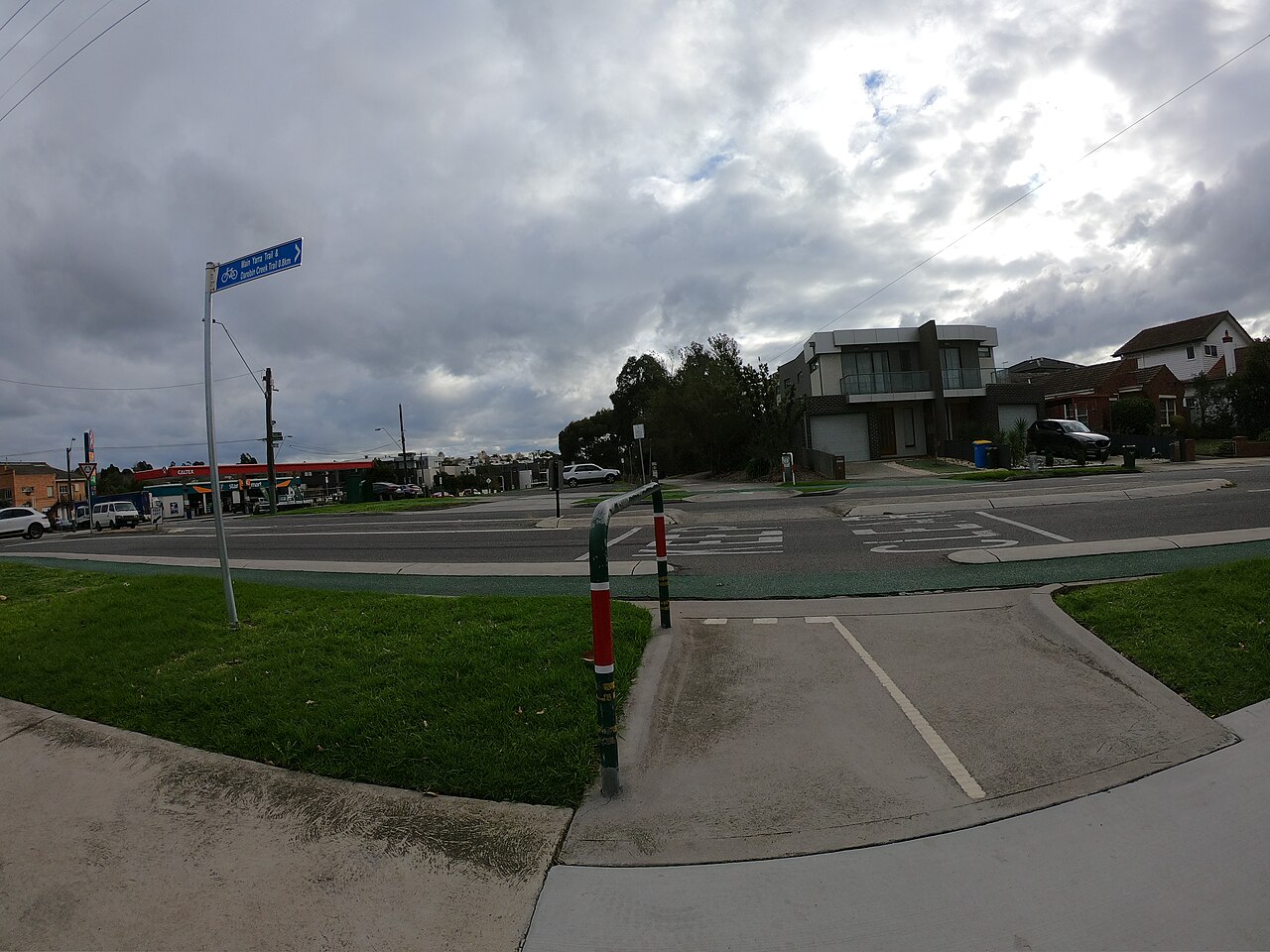
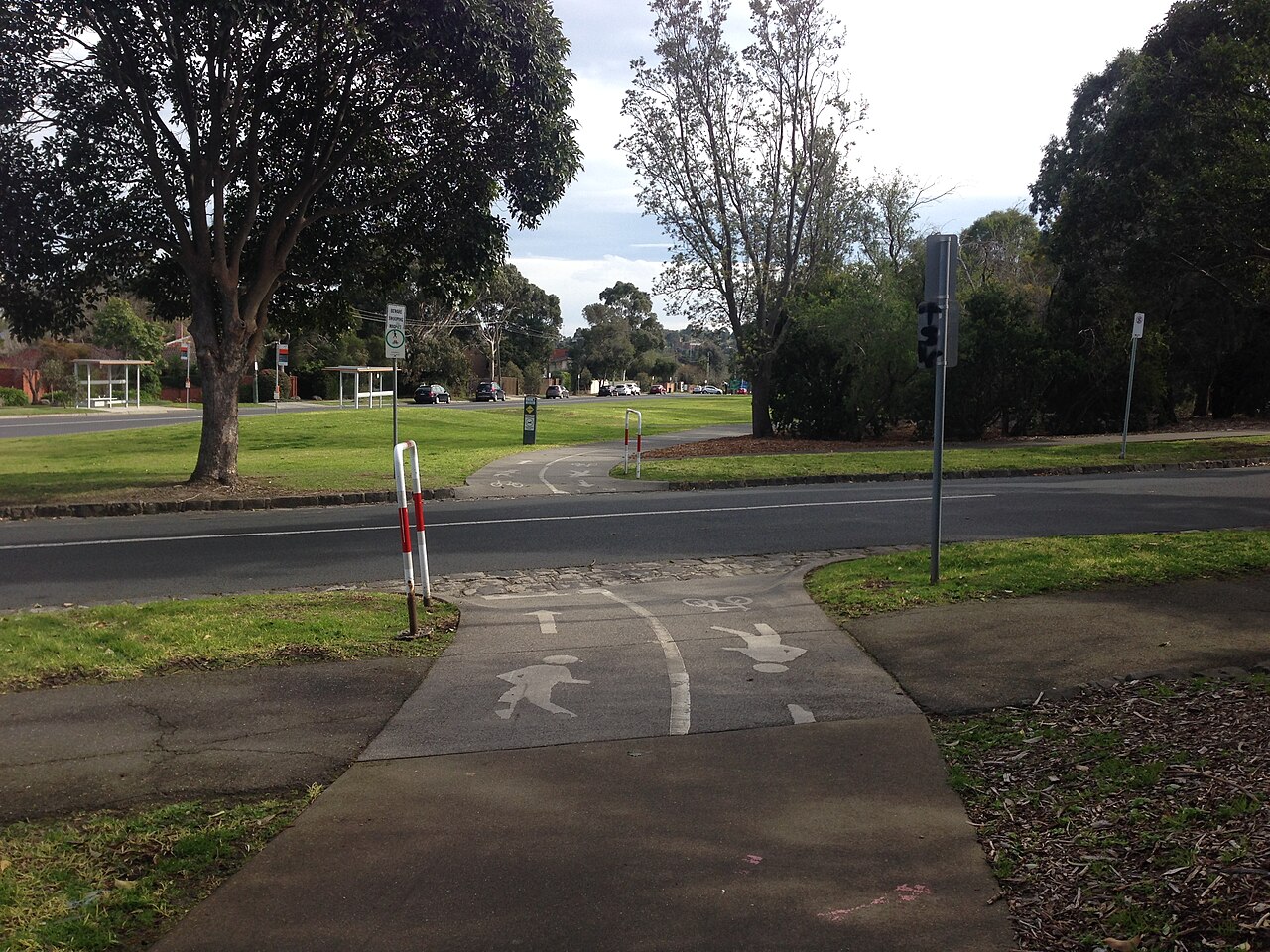
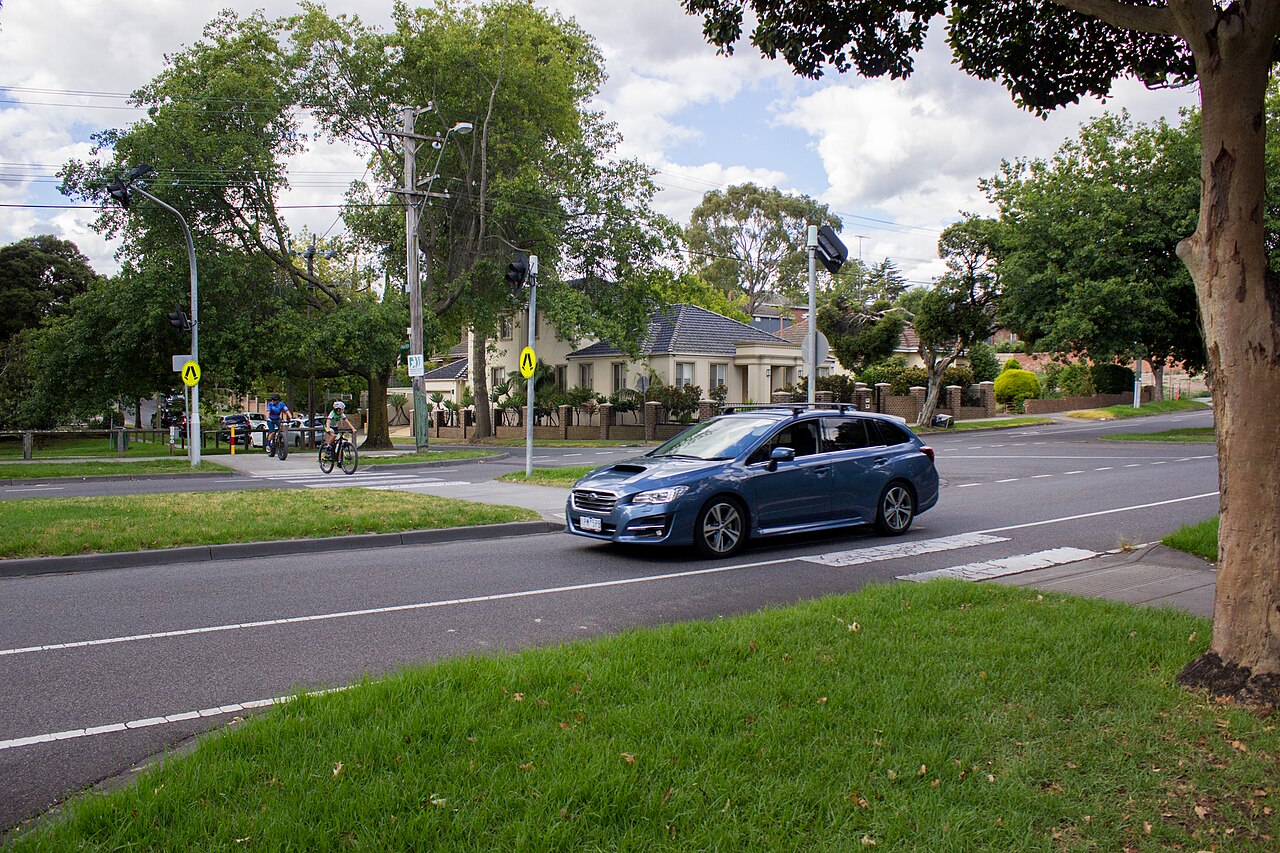
The headline number from the current guide is still the useful one: expect roughly under 20 minutes door-to-door to the city during peak hours, depending on which part of Kew East you live in and where in the city you are actually going. That estimate only makes sense if you count the unglamorous bits: walking to the stop, waiting, the ride itself, and the walk at the other end. Driving can beat it off-peak, but during peak it becomes a traffic bet, not a plan. Cycling is genuinely viable if your route avoids the worst major intersections and you are comfortable using bike lanes on main roads and shared paths through parks. Don’t build your life around weekend bus frequency here; you will regret it the first time a simple cross-suburb trip turns into waiting around with no useful backup.
Local Reality
Kew East is easy to live in without a car for daily errands, but it is not the kind of suburb where every trip feels effortless. The best days are the ones where your destination lines up with a tram corridor, a useful train connection, or a walkable local errand. The annoying days are the ones where you need to move sideways across neighbouring suburbs, because buses are doing connector work rather than acting like a turn-up-and-go network. That is the difference between the timetable version and the real version: peak-hour commuting feels solid, off-peak planning needs more attention.
Street-level reality matters. Residential streets are manageable on foot, and walking most daily errands should not feel like a hike. Parking, though, is where Kew East gets irritating. The existing guide calls out central Kew East as annoying to genuinely irritating for parking, especially on weekends and evenings, and that is the right warning to keep. Residential permits help, but they do not magically make visitors, dinner plans or late returns simple. If you are choosing between relying on a car and relying on public transport, the parking friction is part of the cost.
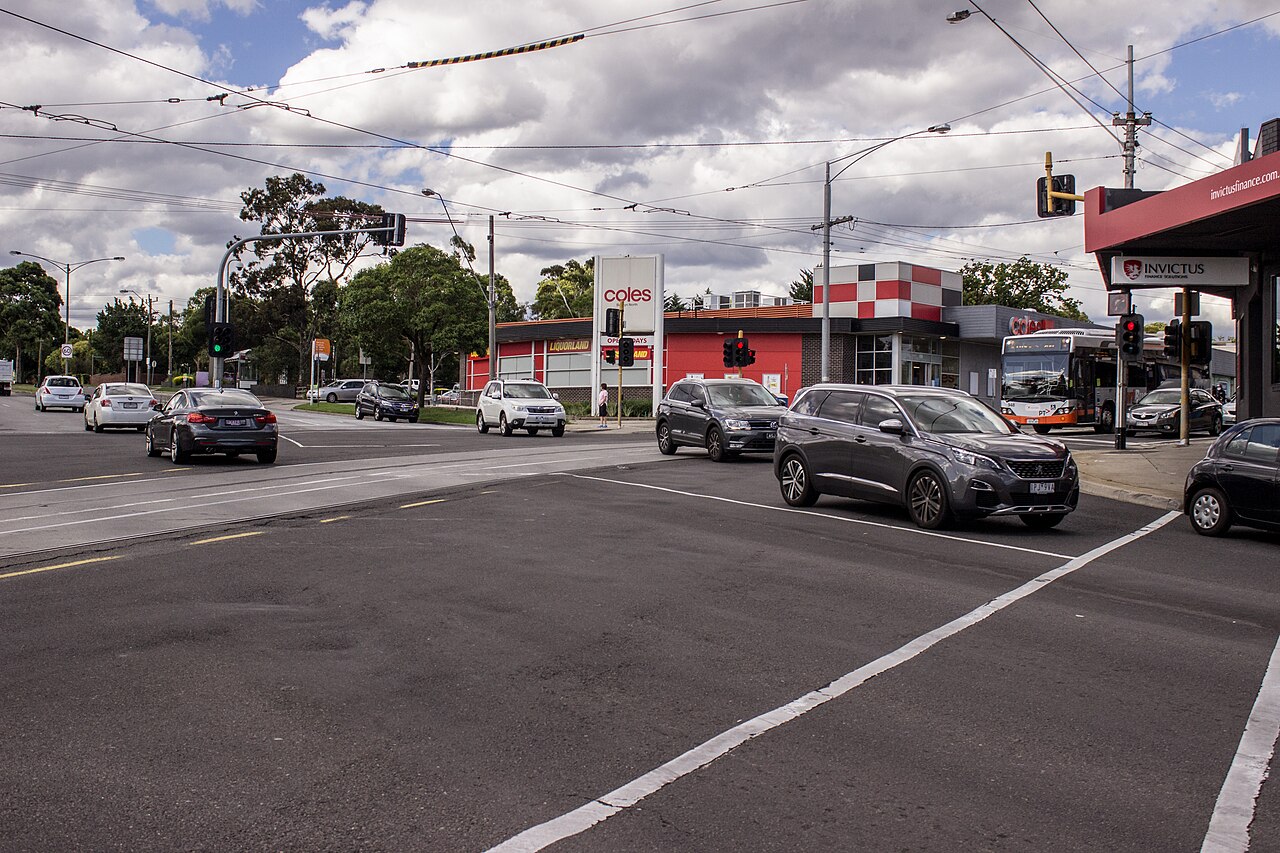
The recognizable local frame is simple: Kew East sits between useful neighbours like Kew, Balwyn, Balwyn North and Deepdene, with the city as the main commute pull. Trams are best for shorter hops to the next suburb for dinner or getting city-bound without dealing with a train schedule. Trains are the cleaner answer for peak city commuting when your starting point makes the station access practical. Skip this if your weekly routine is mostly late-night, cross-suburb travel; you will want either a car, rideshare budget or a neighbouring suburb with a more direct route. If you are west of the most convenient stop or connection for your street, check Kew as well before assuming Kew East is the easier base.
Who This Suits
If you are a city commuter, pick the train-first routine and treat tram or bus as the feeder depending on where your house sits. If you are a local errand person, walking plus tram is the calmer setup, because Kew East is walkable enough for daily needs and the tram handles the short suburb-to-suburb trips. If you are a weekend planner, keep the car; public transport is usable, but buses and evening frequency will not always respect your social calendar. If you are a cyclist, Kew East can work well, provided your route uses the stronger bike lanes and shared paths rather than forcing you through the worst main-road intersections. If you are moving here without a car, choose your exact pocket carefully instead of trusting the suburb-wide transport score.
Cost expectations are mostly about what you are avoiding. Public transport can cover the regular commute and a lot of daily movement, so you are not automatically locked into the full cost of car ownership. But if you keep a car, budget for the usual Melbourne reality: fuel, servicing, registration, insurance, and the time cost of finding parking when central Kew East is busy. The money question is not just Myki versus petrol. It is whether your routine creates enough awkward trips that a car becomes convenience rather than waste.
Time of day changes the verdict. Morning peak is when Kew East looks strongest, because train services are frequent enough that you are not living inside the timetable and the city trip can sit around that under-20-minute expectation on a good route. Evenings and weekends are different. Tram frequency drops back, buses need more planning, and driving may be faster if traffic has cleared. During track works or signal faults, add 20 minutes and lower your expectations. The suburb is well connected, but it is not immune to the normal Melbourne transport mess.
What to Do Next
Test your actual commute on a weekday morning before signing a lease or buying: walk to the stop, time the wait, and check the return trip after dark. Then read the broader Kew East Living Guide before deciding.