
Kew’s history explains why the suburb feels the way it does today — established, leafy, quietly confident that it has always been one of Melbourne’s better addresses. That is not entirely wrong, but the full story has more texture.
Wurundjeri Country
The land that is now Kew was Wurundjeri Woi-wurrung country for tens of thousands of years before European settlement. The Yarra River — Birrarung — was central to life here, providing food, water, and a travel corridor. Studley Park’s bushland gives you some sense of what the pre-settlement landscape looked like, though the gum species composition has changed significantly.
The Early Settlement
European settlers arrived in the 1840s, and the area was initially used for grazing and small-scale farming. The name “Kew” likely came from the Royal Botanic Gardens at Kew in London — an aspirational choice that tells you something about the settlers’ self-image. The Kew municipality was established in 1860, and by the 1870s the suburb was attracting Melbourne’s professional and merchant class. The proximity to the city via the Yarra and decent road connections made it a natural choice for those who wanted space without remoteness.
The Gold Rush and Grand Homes
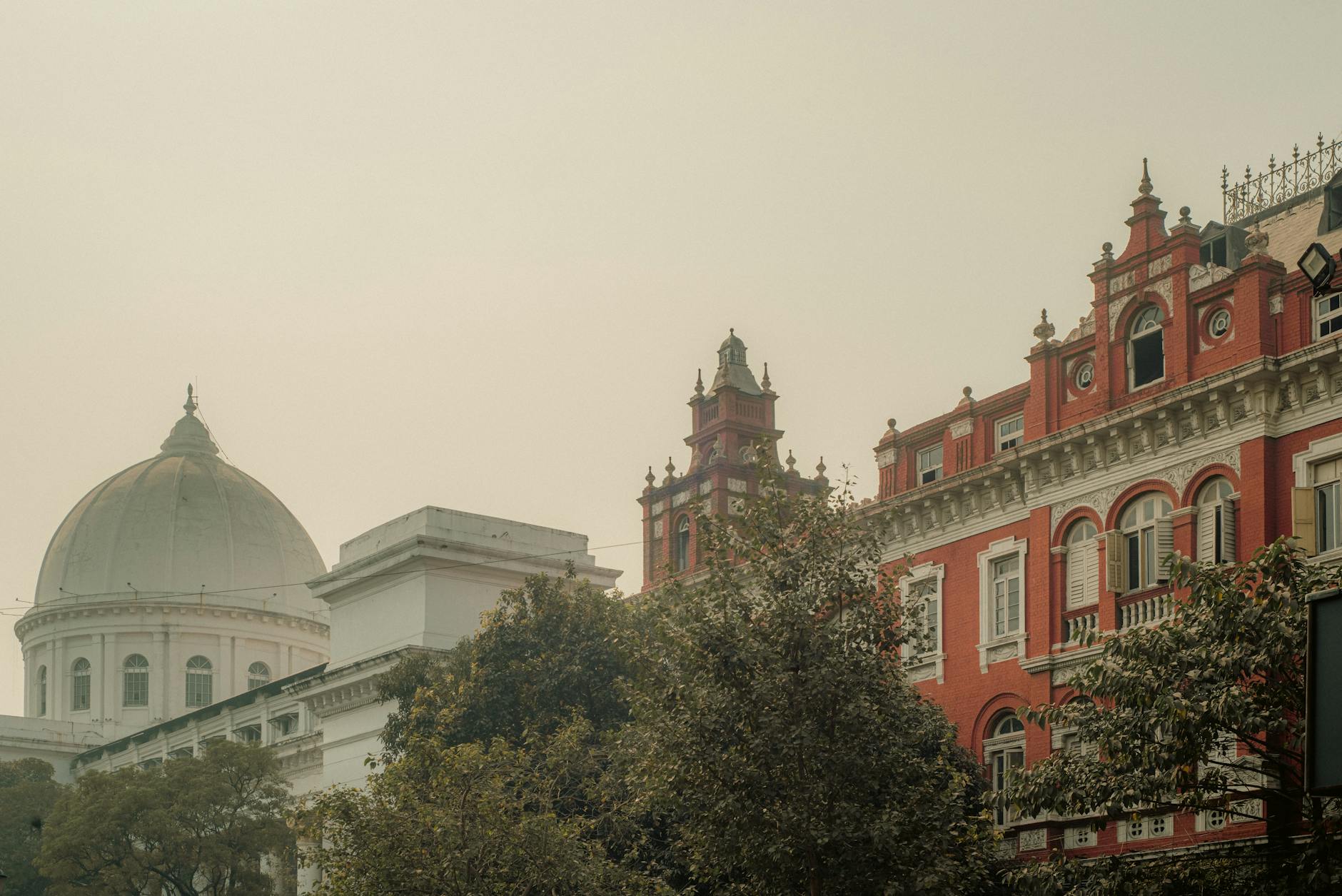
The 1880s property boom transformed Kew. Wealthy Melburnians built the Italianate mansions and grand Victorian homes that still define Studley Park Road, Princess Street, and the streets radiating from the Yarra. Raheen, the imposing mansion at 82 Studley Park Road, was built in 1884 and has housed Catholic archbishops and media magnate Rupert Murdoch’s family at different points. This era established Kew’s architectural character — large homes on generous blocks with established gardens — a character the suburb has fiercely protected ever since.
The Willsmere Asylum
Kew’s most significant and complex piece of history is the Kew Asylum (later Willsmere), a massive Victorian-era psychiatric institution that operated from 1871 to 1988. At its peak it housed over 1,000 patients. The heritage-listed building on Yarra Bend Road has been converted to residential apartments, but its history as a place of both care and considerable suffering is an essential part of understanding Kew. The grounds are now public parkland.
The Suburban Century
Through the early and mid-20th century, Kew consolidated as an upper-middle-class family suburb. The schools that drive today’s property market — Trinity Grammar (founded 1903), Ruyton (1878), and others — established their reputations during this period. The shopping strip along High Street served daily needs. The tram network connected residents to the CBD. The suburb’s character was set: leafy, conservative, family-oriented, and quietly affluent.
Post-War to Present
Post-war migration brought some diversification, but Kew remained more homogeneous than suburbs further north and west. The real shifts have come in the past two decades: heritage overlays protecting the older housing stock, a dining scene on High Street that now includes Vietnamese and Japanese alongside the traditional Italian, and a new generation of families paying premium prices for the school zones and tree canopy their parents took for granted.
The closure and conversion of the Willsmere site in the 1990s added significant residential density on Kew’s northern edge. Some newer apartment and townhouse developments along Cotham Road and Barkers Road have added further density, though Kew’s heritage overlays limit the scale of change compared to more aggressively developed suburbs.
FAQ
What is the oldest building in Kew? The Studley Park Boathouse has operated in some form since 1863. Raheen mansion dates to 1884. Several churches and public buildings along High Street date to the 1870s-1880s.
Why is Kew so expensive? A combination of established school catchments, heritage streetscapes, proximity to the CBD (7km), and limited new housing supply due to heritage overlays. The same factors that have made it desirable since the 1880s continue to drive demand.
What happened to the Kew Asylum? The Willsmere Asylum operated from 1871 to 1988. The heritage building was converted to residential apartments in the 1990s-2000s. The surrounding grounds became public parkland.
More on Kew: Kew Suburb Guide · Hidden Gems in Kew · Kew for Families
Explore More of Kew
- Kew Rent Guide
- Kew Kew For Retirees
- Kew Things To Do
- Kew Cost of Living
- Kew Young Professionals Guide
- Kew Nightlife Guide
- Kew Transport Guide
- Kew Best Cafes
💬 Discussion
Join the conversation — no account needed