Moving to Kooyong with kids? The real question is whether the suburb gives you enough space, school access and day-to-day calm to justify the price. Here is the blunt family verdict before you start inspecting every townhouse with a courtyard.
The Verdict
Kooyong suits families who want walkability, community and inner-east convenience more than a huge house. If you only read one thing, make that the decision: pick Kooyong if your family will actually use the parks, local shops, cafes, schools and nearby suburbs instead of measuring value purely by bedroom count.
The upside is the everyday rhythm. Most residential pockets put you close enough to green space that kids can get outside without a full weekend production. The parks are well maintained, shaded enough for summer, and busy on weekend mornings in a way that feels genuinely local rather than anonymous. Families also like that shops, cafes and food options are close enough to reduce car trips. That matters more than it sounds when you are juggling school bags, tired kids and a 5:45pm dinner panic.
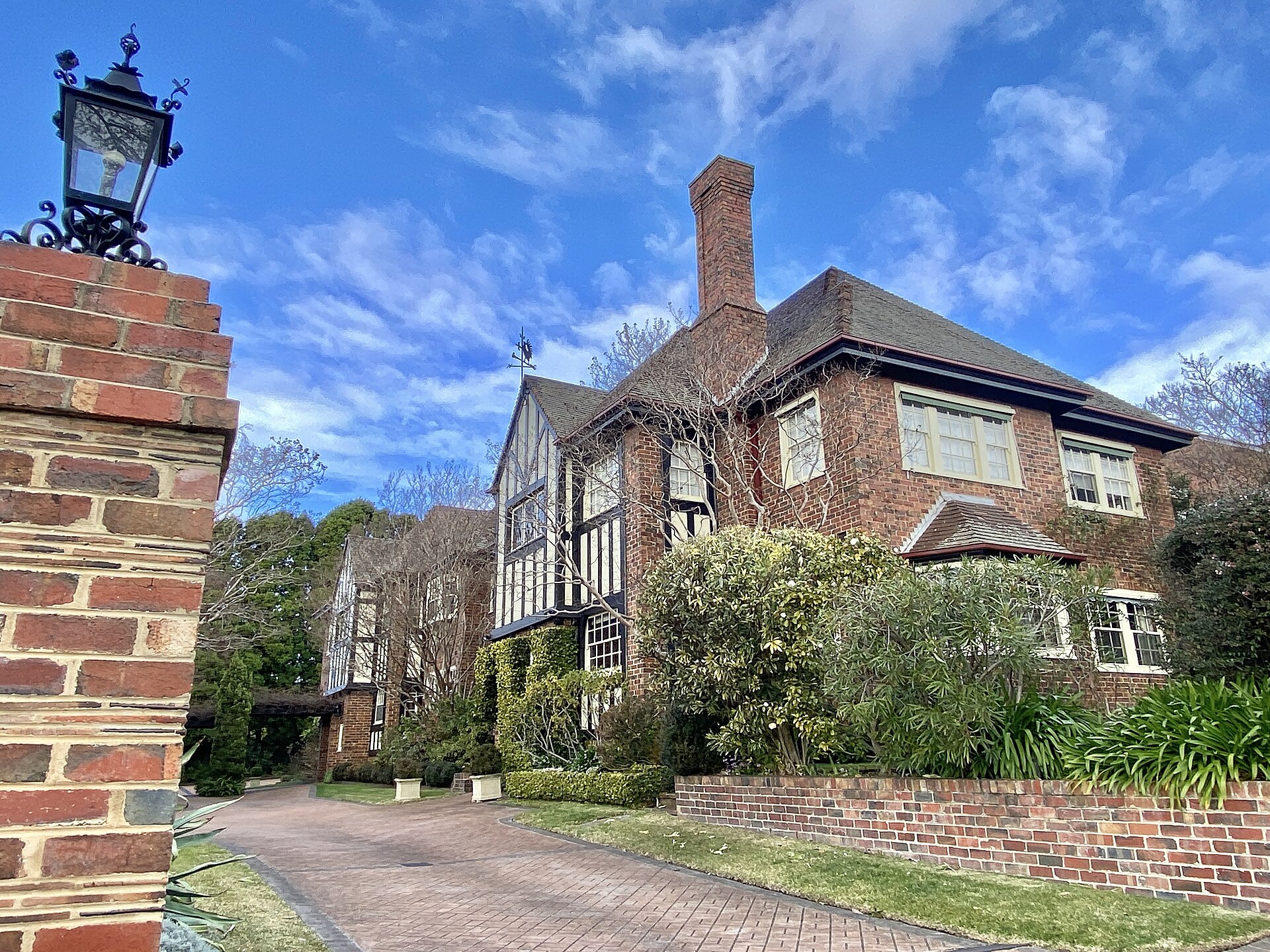
The catch is space. Kooyong can work beautifully for families, but it is not the suburb to chase the biggest block for the lowest price. Freestanding homes with backyards exist, and they are exactly what plenty of families want, which means competition is fierce. Units, townhouses and smaller residences are part of the mix, so you need to be honest about how much indoor and outdoor room your family actually needs. Do not move here assuming every street gives you a quiet family house with a big backyard. You will regret it if your non-negotiable is five bedrooms, a pool and easy parking at school pick-up.
What It’s Actually Like
Kooyong feels more family-friendly in the residential pockets than on the busier main streets. That is the distinction that matters when you are inspecting. The quieter streets away from the commercial strips have the neighbourhood feel families are usually paying for: less noise, more familiar faces, and enough calm for older kids to walk or ride locally with common-sense boundaries.
Weekend mornings are when the suburb shows its hand. Parks fill with families, school parents recognise each other, and kids get room to run without you needing to drive across Melbourne for grass. The walking trails and cycling connections through neighbouring suburbs are a genuine plus if your family rides or walks on weekends. Kooyong also has the advantage of sitting near Toorak, Hawthorn, Malvern and Glen Iris, so you are not trapped inside one small suburb for every cafe, park, school run or dinner option.
School access is one of the big reasons families consider the area. There are primary and secondary options in and around the suburb, with public options locals rate and private school access feasible via nearby suburbs. The more practical warning is childcare and kindergarten: spots can be competitive, so register early if you are moving with under-5s. Parking near schools during drop-off and pick-up can also be chaos, so do not judge the suburb from a sleepy mid-morning inspection.
Skip Kooyong if you need a lot of space and do not want to pay inner-east prices for it. If you are west of the family-sized-home budget line, you may be better comparing Hawthorn, Malvern or Glen Iris instead of forcing Kooyong to be something it is not.
Who This Suits
If you are a young family with one or two kids, pick Kooyong for walkability, parks and the chance to build a local routine without living in the car. If you are a school-focused family, pick Kooyong only after checking the exact school and commute setup that matters to you, because access nearby is useful but still practical, not magical. If you are moving with under-5s, pick Kooyong only if childcare and kindergarten enquiries are already underway. If you are a space-first family, look hard at the quieter streets, then compare nearby suburbs before overpaying for a compromise home.
Cost expectations should be realistic from the start. Bigger homes come with bigger price tags, and the best family-friendly pockets are not hidden bargains. You are paying for location, community feel, access to parks and proximity to other strong inner-east suburbs. The value makes sense if those things improve your daily life. It makes less sense if you will still drive everywhere, avoid busy cafes, and resent trading land size for convenience.
Time of day changes the suburb. Inspect after school if you want to understand traffic, parking and footpath pressure around the streets families actually use. Visit parks on a weekend morning if you want to see the community side. Walk the busier main streets with a child in mind before deciding they feel comfortable for your family. Summer also matters: shade in parks is not a luxury when kids are out for more than ten minutes.
What to Do Next
Walk Kooyong on a weekend morning, then come back during school pick-up before you commit. If the trade-off still feels right, read the full Kooyong suburb guide before comparing homes.
More on Kooyong: Kooyong for Young Professionals · Kooyong Cost of Living · Kooyong Transport Guide
Nearby suburbs: Toorak · Hawthorn · Malvern · Glen Iris
Data sourced from Google Places, OpenStreetMap, and ABS Census. Compiled April 2026. Found an error? Contact us.