Verdict Box
Kooyong is good for a very specific retiree: someone who wants quiet streets, a small local footprint, strong public transport for inner-east trips, and enough budget to absorb one of Melbourne’s most expensive property markets. It is not a broad retirement bargain, and it is not a suburb where every errand sits on one big retail strip.
The honest verdict is: Kooyong is excellent for well-funded downsizers who already like the inner east, value low-key daily routines, and can use nearby Malvern, Toorak, Hawthorn, and Glen Iris for the bigger shop, GP choice, allied health, pharmacies, and restaurants. It is weaker for retirees who need abundant apartments, a deep local shopping village, flat walking everywhere, or a lower-cost rental option.
The suburb’s strongest retiree appeal is the transport geometry. Kooyong railway station sits on the Glen Waverley line, and route 16 tram runs along Glenferrie Road. That gives older residents options without needing to drive every day. The trade-off is the small scale: Kooyong is tiny, with only 842 residents recorded in the 2021 ABS Census. Small can mean calm, but it also means fewer local services inside the suburb boundary.
Choose Kooyong if you are buying for lifestyle certainty, not chasing value. Skip it if your retirement plan depends on a wide pool of affordable rentals or a self-contained village feel.
At-a-Glance Table
| Factor | Kooyong retiree reality |
|---|---|
| Overall fit | Strong for affluent, independent retirees who want quiet inner-east living |
| Main strength | Train, tram, tennis club, reserve access, and proximity to larger neighbouring centres |
| Main drawback | Very expensive property with a thin rental pool |
| Public transport | Kooyong Station on the Glen Waverley line plus route 16 tram on Glenferrie Road |
| Walking | Good around the station and Glenferrie Road, more variable on sloped residential streets |
| Local food | Small cafe scene rather than a full dining precinct |
| Medical access | Better understood as nearby access through Malvern, Toorak, Hawthorn, and Glen Iris |
| Best retiree profile | Downsizer with capital, car optional but still useful |
| Worst retiree profile | Budget renter needing many local services within a short flat walk |
Who It Suits
The Train-and-Tram Downsizer — wants a quiet home base with public transport close enough for city, Glen Waverley line, Malvern, Hawthorn, and St Kilda-linked tram trips.
Helen, 71, Tennis-and-Coffee Regular — likes structured exercise, familiar faces, a local cafe, and a suburb where the weekly routine does not feel noisy.
The Capital-Rich Retiree Couple — has sold a larger family home and wants a smaller inner-east address without moving to a high-rise apartment cluster.
The Semi-Independent Parent — wants to live near adult children in Toorak, Malvern, Hawthorn, or Glen Iris, but still keep a quiet address and personal routine.
Rent & Property Reality
Kooyong’s property reality is the first filter. This is not a suburb where the phrase “retiree-friendly” automatically means affordable. Realestate.com.au’s Kooyong suburb profile reported a median house price of $4.535 million for May 2025 to April 2026, with houses renting for $1,375 per week and units renting for $850 per week on its Kooyong property market page. The same portal’s rental listing data showed median unit rent at $973 per week based on 16 rental listings in the previous 12 months on its Kooyong rental page. Those numbers should be read carefully because the suburb is small and low-volume, but the direction is obvious: Kooyong is premium-priced.
For retirees buying, the problem is not just the headline price. It is the lack of choice. A small suburb means fewer listings, fewer single-level homes, fewer villa-style downsizer options, and less opportunity to wait for the exact floorplan. Some apartments exist around Toorak Road and Glenferrie Road edges, but Kooyong is not an apartment-heavy suburb in the way parts of South Yarra, Hawthorn, or Malvern can be.
For renters, Kooyong is even harder. The local pool is thin, and the available stock may not match retirement needs: lift access, level entry, secure parking, quiet bedrooms, good heating and cooling, and walking distance to transport. If you are renting in retirement, nearby suburbs may give you more options at more price points.
For owner-occupiers, the upside is stability. The ABS suburb profile confirms Kooyong is a very small residential area, and that smallness helps explain why supply feels tight. You are buying into scarcity, not a broad market. That can support long-term confidence, but it also means downsizing within the same suburb later may be difficult.
The retirement test is simple: can you afford the property without making daily life financially cramped? If the answer is yes, Kooyong can be calm and convenient. If the answer is no, the same inner-east lifestyle can often be built more flexibly in Glen Iris, Malvern East, Hawthorn, or parts of Camberwell.
Local Reality & Pockets
Kooyong is best understood in pockets rather than as a large suburb with multiple precincts. The station-and-Glenferrie Road pocket is the practical heart. This is where the train, tram, cafes, and Kooyong Lawn Tennis Club sit close together. For retirees who want to reduce car use, this is the pocket to inspect first. The downside is traffic movement near Glenferrie Road and the rail crossing environment, so noise and crossing convenience matter property by property.
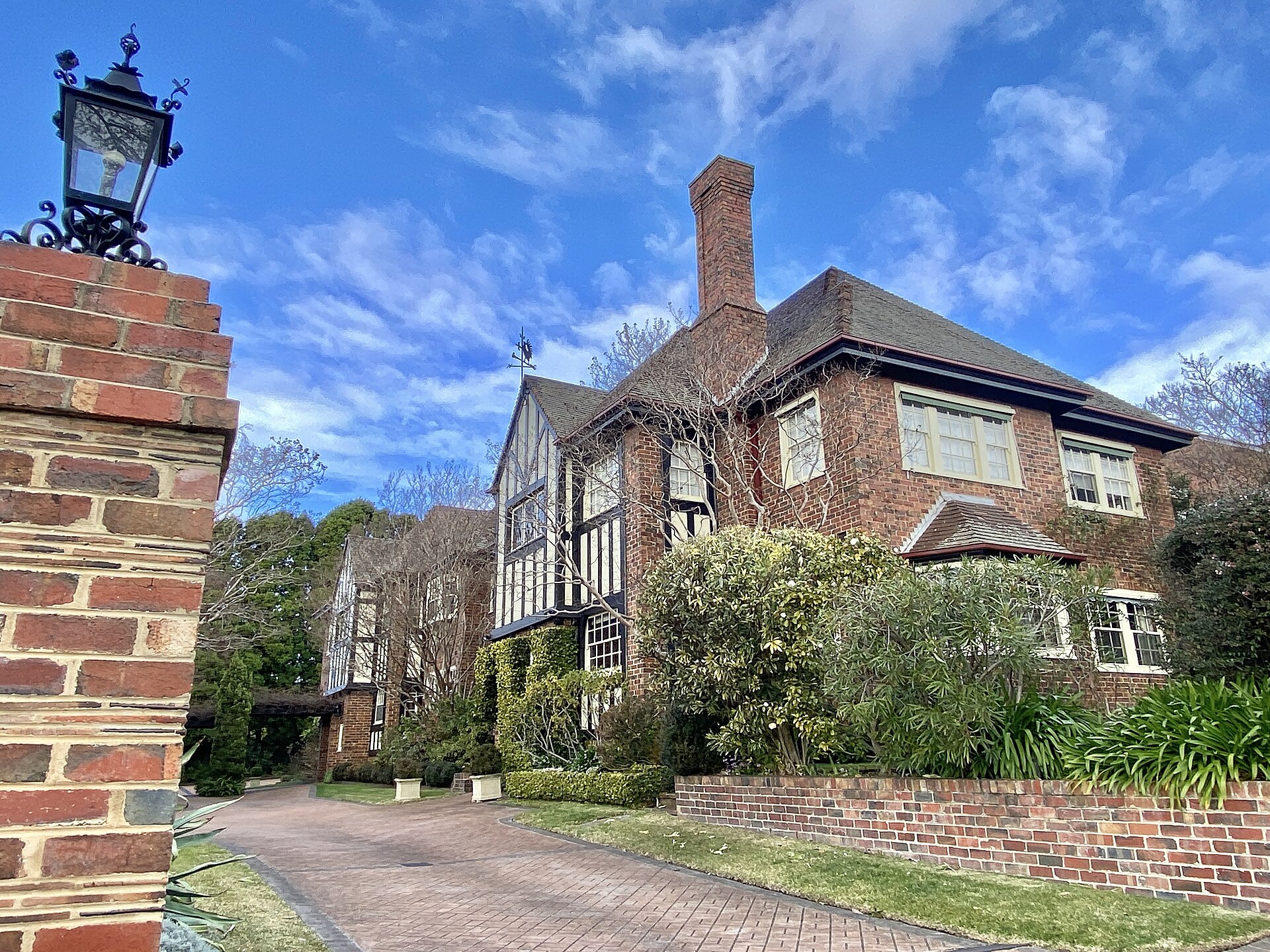
The residential streets away from Glenferrie Road feel calmer, with larger homes and established gardens. These streets suit retirees who still drive, walk for exercise rather than errands, and want a quiet base more than immediate shopfront access. Before buying, walk the route from the front door to Kooyong Station, the tram stop, and the nearest cafe at the time of day you would actually use it. A street that looks easy on a map may feel different if the grade, footpath condition, or crossing points are awkward.
Sir Robert Menzies Reserve is a useful local green asset. Stonnington Council describes it as a reserve opened in 1974 on the site of an old quarry and brickworks on its Sir Robert Menzies Reserve page. For retirees, the value is not only open space; it is having a nearby destination for a short walk, fresh air, and a change of scene without needing a full outing.
Kooyong Lawn Tennis Club is the other major local anchor. Its facilities page lists the club at 489 Glenferrie Road and describes health, sport, and lifestyle facilities for members. This is important because Kooyong’s social life is not built around a large public shopping strip. For the right retiree, club membership can provide routine and connection. For others, it may feel like an amenity they live beside rather than use.
The key local reality is dependency on neighbouring suburbs. Kooyong gives you a quiet address and useful transport, but much of your weekly life will spill into Malvern, Hawthorn, Toorak, Glen Iris, and Camberwell. That is not a flaw if you like the inner east and still move around comfortably. It is a flaw if you want everything inside one compact village.
Signature Craving
The signature retiree craving in Kooyong is not a late-night dining crawl. It is a dependable coffee, a familiar table, and a walk that does not have to become an expedition. Brothers Keeper Cafe at 481 Glenferrie Road is the obvious local name to know. Its own website places it in the heart of Kooyong and says it has served locals since 2017, with cafe service and Thai dinners listed on the Brothers Keeper Cafe site.
That matters because Kooyong’s food scene is small. You do not move here for dozens of venues inside the suburb boundary. You move here if one or two reliable local stops are enough during the week, then use nearby Malvern, Hawthorn, Toorak, or Glen Iris when you want more choice.
For retirees, Brothers Keeper works as a practical anchor: near the station, close to the tram corridor, and easy to combine with a walk or public transport trip. Nearby names such as Little Quarter, Le Petit Bistro, Croutons Fine Food, and The Purple Fig Bakery also appear in local dining directories, but the broader point is restraint. Kooyong has a small local scene, not a full restaurant strip.
The best way to test the suburb is to do the retiree version of a Saturday morning trial. Arrive by train or tram, have coffee on Glenferrie Road, walk toward Sir Robert Menzies Reserve, then continue through the residential streets you can realistically afford. If that loop feels enough, Kooyong may fit. If it feels too limited, you probably need a larger suburb centre.
Comparisons Table
| Suburb | Retiree upside | Retiree drawback | Better for |
|---|---|---|---|
| Kooyong | Quiet, premium, train plus tram, strong club and reserve access | Very expensive and limited local shopping depth | Affluent downsizers wanting calm and transport |
| Toorak | Prestige address, larger homes, strong nearby services | Higher price pressure and less train convenience in some pockets | Retirees prioritising status, privacy, and established streets |
| Malvern | More shops, medical access, cafes, tram and train options nearby | Busier feel and more through-traffic in retail pockets | Retirees wanting services closer to the front door |
| Hawthorn | Larger dining, retail, train, tram, and apartment choice | More student and commuter activity, less quiet in central pockets | Retirees wanting transport and amenities over seclusion |
| Glen Iris | More family streets, parks, and varied housing options | Some pockets are car-dependent and less walkable | Retirees wanting space and greenery with inner-east access |
Trust Block
Author: Marcus Cole
Method: This guide was rewritten from scratch for the 2026 retiree decision, using current suburb profile data, official census material, council information, venue pages, and local transport context. The focus is day-to-day suitability rather than sales language.
Key sources checked: ABS 2021 Kooyong suburb QuickStats, realestate.com.au Kooyong market and rental pages, City of Stonnington reserve information, Kooyong Lawn Tennis Club facilities information, and Brothers Keeper Cafe’s venue page.
Local caveat: Kooyong is very small, so property medians and rental figures can move sharply when only a small number of homes list or lease. Treat the numbers as directional, then inspect current listings before making a retirement move.
Editorial position: Kooyong is recommended only for retirees with the budget and mobility to use the surrounding inner east. It is not presented as a universal retirement suburb.
FAQ
Q: Is Kooyong good for retirees in 2026?
A: Yes, but only for a specific group. It suits retirees who can afford premium inner-east property, want quiet streets, and value train and tram access. It is less suitable for budget-conscious renters or people who need a large shopping village within the suburb.
Q: Is Kooyong affordable for downsizers?
A: Usually no. Even if you are downsizing from a large family home, Kooyong remains expensive. The bigger issue is choice: the suburb is small, and suitable single-level or low-maintenance homes may not appear often.
Q: Can retirees live in Kooyong without a car?
A: Some can. Kooyong Station and route 16 tram make car-light living realistic near Glenferrie Road. A car is still useful for larger shops, medical appointments, visiting family, and wet-weather errands.
Q: What is the main downside of retiring in Kooyong?
A: The main downside is the combination of high prices and limited local services. Kooyong is calm and well-located, but it is not self-contained in the way larger suburbs such as Malvern or Hawthorn can be.
Q: Are there many cafes and restaurants in Kooyong?
A: No. There are a few local options, with Brothers Keeper Cafe the clearest station-area anchor, but Kooyong does not have a deep dining strip. Most variety comes from nearby suburbs.
Q: Is Kooyong quiet?
A: Much of the residential area is quiet, especially away from Glenferrie Road. Properties close to the rail line, tram route, or major intersections need individual noise checks.
Q: Is Kooyong walkable for older residents?
A: It can be, especially near the station and Glenferrie Road, but retirees should test routes in person. Footpaths, gradients, crossings, and distance to daily services matter more than the suburb’s small map size.
Q: What nearby suburbs should retirees compare with Kooyong?
A: Compare Malvern for services, Hawthorn for amenity and apartments, Toorak for prestige, and Glen Iris for more residential space. Each gives a different version of inner-east retirement.
Q: Is Kooyong better for renters or buyers in retirement?
A: It is generally better for buyers with substantial capital. Renting in Kooyong can be difficult because the pool is small and rents are high. Retiree renters should compare nearby suburbs before committing.
Q: What is Kooyong’s strongest lifestyle feature for retirees?
A: The strongest feature is the mix of quiet residential streets with train, tram, reserve access, and Kooyong Lawn Tennis Club close by. That mix is rare, but it comes at a premium.
{< json-ld >} { “@context”: “https://schema.org”, “@graph”: [ { “@type”: “Article”, “@id”: “https://www.melbz.com.au/kooyong/kooyong-for-retirees/#article”, “headline”: “Kooyong 2026: Retiree Calm & Honest Local Verdict”, “description”: “No spin. Kooyong suits retirees with money, mobility, and a quiet routine, but its tiny scale and property prices rule out many downsizers.”, “author”: { “@type”: “Person”, “name”: “Marcus Cole” }, “datePublished”: “2026-03-21”, “dateModified”: “2026-05-25”, “image”: “https://www.melbz.com.au/images/kooyong/kooyong-001.jpg”, “mainEntityOfPage”: { “@type”: “WebPage”, “@id”: “https://www.melbz.com.au/kooyong/kooyong-for-retirees/” } }, { “@type”: “BreadcrumbList”, “@id”: “https://www.melbz.com.au/kooyong/kooyong-for-retirees/#breadcrumb”, “itemListElement”: [ { “@type”: “ListItem”, “position”: 1, “name”: “MELBZ”, “item”: “https://www.melbz.com.au/” }, { “@type”: “ListItem”, “position”: 2, “name”: “Kooyong”, “item”: “https://www.melbz.com.au/kooyong/” }, { “@type”: “ListItem”, “position”: 3, “name”: “Kooyong for Retirees”, “item”: “https://www.melbz.com.au/kooyong/kooyong-for-retirees/” } ] }, { “@type”: “FAQPage”, “@id”: “https://www.melbz.com.au/kooyong/kooyong-for-retirees/#faq”, “mainEntity”: [ { “@type”: “Question”, “name”: “Is Kooyong good for retirees in 2026?”, “acceptedAnswer”: { “@type”: “Answer”, “text”: “Yes, but only for retirees who can afford premium inner-east property, want quiet streets, and value train and tram access.” } }, { “@type”: “Question”, “name”: “Is Kooyong affordable for downsizers?”, “acceptedAnswer”: { “@type”: “Answer”, “text”: “Usually no. Kooyong remains expensive, and the small suburb size limits the number of suitable downsizer homes available.” } }, { “@type”: “Question”, “name”: “Can retirees live in Kooyong without a car?”, “acceptedAnswer”: { “@type”: “Answer”, “text”: “Some can, especially near Kooyong Station and route 16 tram, but a car remains useful for larger errands and appointments.” } }, { “@type”: “Question”, “name”: “What is the main downside of retiring in Kooyong?”, “acceptedAnswer”: { “@type”: “Answer”, “text”: “The main downside is the combination of high property prices, limited rental choice, and a small local service base.” } }, { “@type”: “Question”, “name”: “Are there many cafes and restaurants in Kooyong?”, “acceptedAnswer”: { “@type”: “Answer”, “text”: “No. Kooyong has a small local cafe scene, with broader food choice in nearby Malvern, Hawthorn, Toorak, and Glen Iris.” } }, { “@type”: “Question”, “name”: “Is Kooyong quiet?”, “acceptedAnswer”: { “@type”: “Answer”, “text”: “Much of Kooyong is quiet away from Glenferrie Road, though homes near rail, tram, and main-road corridors need individual noise checks.” } }, { “@type”: “Question”, “name”: “Is Kooyong walkable for older residents?”, “acceptedAnswer”: { “@type”: “Answer”, “text”: “It can be walkable near the station and Glenferrie Road, but older residents should inspect gradients, footpaths, and crossings in person.” } }, { “@type”: “Question”, “name”: “What nearby suburbs should retirees compare with Kooyong?”, “acceptedAnswer”: { “@type”: “Answer”, “text”: “Retirees should compare Malvern, Hawthorn, Toorak, and Glen Iris, depending on whether they prioritise services, amenity, prestige, or space.” } }, { “@type”: “Question”, “name”: “Is Kooyong better for renters or buyers in retirement?”, “acceptedAnswer”: { “@type”: “Answer”, “text”: “Kooyong is generally better for buyers with substantial capital because rental choice is limited and advertised rents are high.” } }, { “@type”: “Question”, “name”: “What is Kooyong’s strongest lifestyle feature for retirees?”, “acceptedAnswer”: { “@type”: “Answer”, “text”: “Its strongest feature is the combination of quiet residential streets, train and tram access, reserve space, and Kooyong Lawn Tennis Club nearby.” } } ] } ] } {< /json-ld >}