Verdict Box
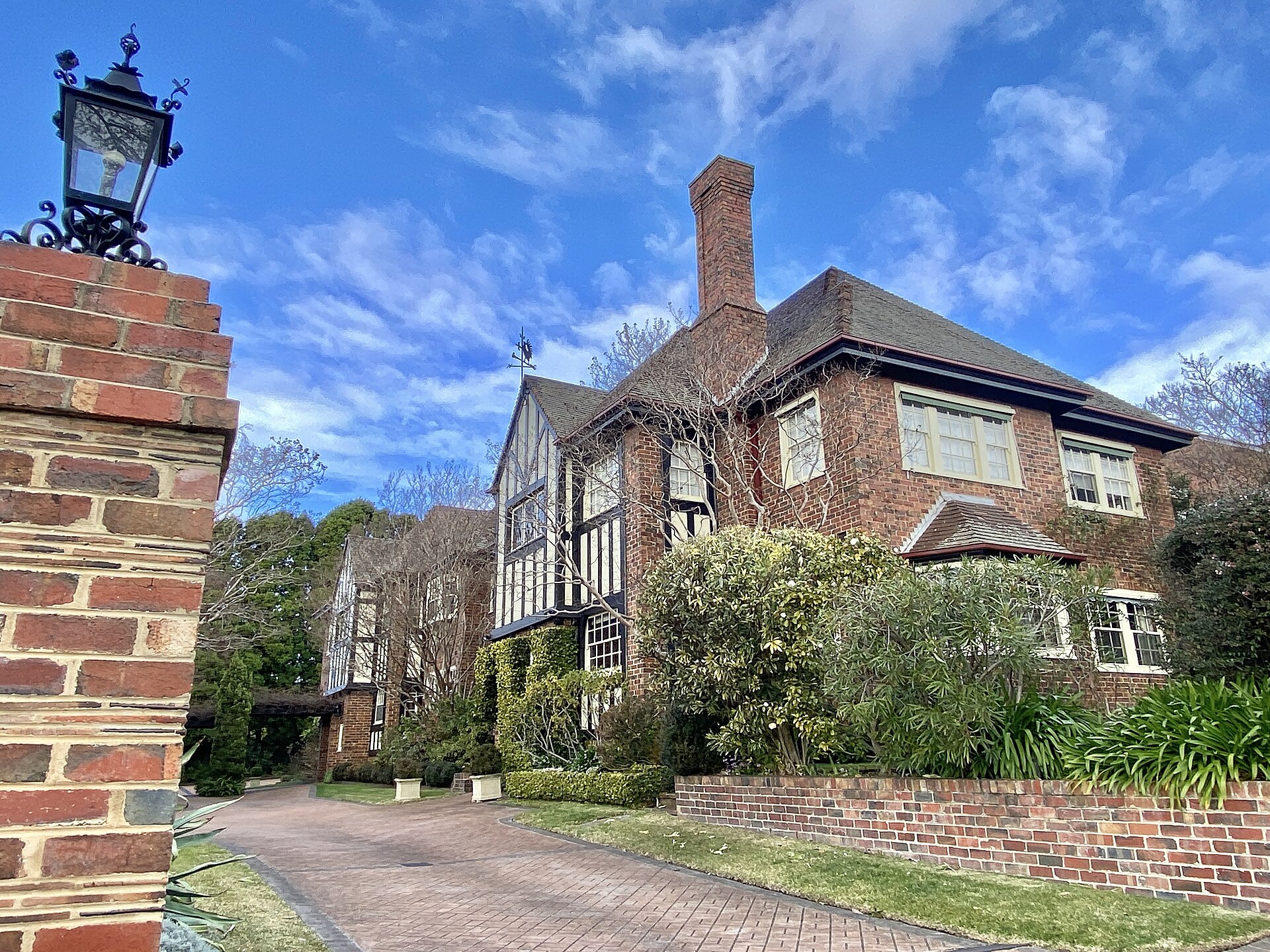
Best for: young professionals who want a fast Glen Waverley line commute, leafy streets, and early nights without pretending Kooyong has a full social scene. Skip if: you need late food, cheap share houses, walk-in bars, or a rental market with real choice every week. Rent pressure: brutal because the suburb is tiny, affluent, and low-stock. A good apartment here is usually competing with Toorak, Hawthorn East, Malvern, and Armadale searchers. Commute reality: Kooyong station and route 16 tram are the reason this suburb works. The Monash Freeway nearby helps drivers until peak hour turns Toorak Road and Glenferrie Road into a test of patience. Food scene: one honest local cafe option, then you leave the suburb. Family fit: stronger than the young-professional story, especially for established buyers. Overall score: 7.1/10. Kooyong is excellent if you value calm and access more than buzz. It is a poor fit if you expect your suburb to entertain you after 6 pm.
At-a-Glance Table
| Factor | Kooyong 2026 |
|---|---|
| LGA | Stonnington City Council |
| Postcode | 3144 |
| Geographic tier | Inner |
| Region | inner-south-east |
| Transport grade | n/a |
| Overall grade | n/a |
Who It Suits
Anika, 31, finance analyst — wants the train close, a quiet street, and zero pressure to be out every week. Tom, 34, medical specialist-in-training — values sleep, parking, and quick runs into the inner east more than nightlife. The Low-Key Executive Couple — can pay for calm, but still wants Glenferrie Road and Toorak Road within reach.
Rent & Property Reality
Median 1BR rent: about $500 per week in the Kooyong search area; YoY change: treat the suburb-specific 1BR figure as unreliable because Kooyong has too few true one-bedroom rentals to form a clean public series. The live Domain one-bedroom Kooyong search shows most relevant one-bedroom stock sitting in the surrounding Toorak, Malvern, Hawthorn and Hawthorn East orbit rather than in Kooyong itself, while Domain’s Kooyong rental page recently showed only a small number of Kooyong units with a 2BR unit median around $770 per week. Realestate.com.au’s Kooyong rental page has also shown a very small sample, with unit rent figures swinging sharply because there may be only a dozen or so listings in the previous 12 months.
Plain English: do not read Kooyong like Richmond, South Yarra, Brunswick, or even Hawthorn. There is not a deep ladder of studios, older flats, new towers, and mid-range units. Kooyong is a small, expensive pocket where the rental market can look different depending on which two or three properties are listed that fortnight. A single premium apartment on Toorak Road or near the station can pull the visible median upward, and a quiet week can make the suburb look almost unavailable.
For a young professional, the useful budget is not just the headline rent. If you want a real one-bedroom with parking, you should be mentally prepared for the high $400s to mid $500s if you are searching nearby stock, and substantially more if the address is larger, newer, or marketed as executive. If you insist on the Kooyong name on the lease, your bigger problem may be supply rather than price. You may wait, compromise on layout, or widen the map to Hawthorn East, Malvern, Armadale, Toorak, or Glen Iris.
The upside is that Kooyong can save time. The train station, route 16 tram, and proximity to major roads make the commute efficient for CBD, inner-south, and inner-east workers. The downside is that you are paying a prestige-area premium without getting the full amenity stack of a larger suburb. Rent here only makes sense if quiet access is the point, not if you are trying to maximise cafes, bars, supermarkets, gyms, and apartment choice per dollar.
Local Reality & Pockets
Favour the pockets where Kooyong’s smallness works for you rather than against you. Streets around Monaro Road, Talbot Crescent, Avenel Road, Mernda Road, Moralla Road and the quieter residential runs off Glenferrie Road are the better fit if you want the suburb’s core promise: calm, trees, station access, and a short walk to the tram without living directly on the arterial. The closer you are to Kooyong station, the more useful the suburb becomes for a young professional who works in the CBD or along the Glen Waverley line. That convenience is the whole argument.
Be more cautious right on Glenferrie Road and Toorak Road. They are practical, but they carry traffic, tram movement, train-crossing complexity, and the general grind of people cutting between Hawthorn, Malvern, Toorak and the freeway. Glenferrie Road gives you the route 16 tram and the local cafe strip, but it also means road noise and more interrupted parking. Toorak Road gives access but can feel like infrastructure first, neighbourhood second, especially near the Monash Freeway interchange.
Parking is the boring detail that matters. Many Kooyong rentals are older or premium, but not every apartment gives you visitor parking, easy street parking, or a frictionless second car setup. Check permit rules, garage clearance, and whether your street becomes harder during tennis events or school and commuter peaks. If you own a car but expect to leave it untouched during the week, you will be fine. If you drive daily at peak hour, test the exact commute before signing.
Two honest gotchas: first, Kooyong can feel socially thin. You can get coffee, commute, walk, and sleep well, but you will leave for dinner, groceries, gyms, and most social plans. Second, the suburb’s quiet can be expensive quiet. You are paying for location, postcode feel, transport, and low-density calm, not for a large menu of things to do. That is a good trade for some young professionals and a waste of money for others.
Signature Craving
Nom Nom’s at 487 Glenferrie Road is the honest local craving because Kooyong does not have a long food list to dress up. It is a cafe with Vietnamese and fusion leanings, and in this suburb that matters more than it would in a larger dining area. For a young professional, the value is practical: coffee before the train, a quick lunch when working from home, or a low-effort bite that does not require crossing into Hawthorn, Malvern or Toorak. The catch is that one venue cannot carry a whole lifestyle. Kooyong’s food reality is not bad; it is narrow. If your week needs new dinner options, late snacks, wine bars, and spontaneous group bookings, you will use neighbouring suburbs constantly. If you are happy with one familiar local stop and better transport than dining depth, Kooyong makes more sense.
Comparisons Table
| Suburb | Transport | Tier | Region |
|---|---|---|---|
| Kooyong | n/a | Inner | inner-south-east |
| Armadale | A | Inner | inner-south-east |
| Malvern | A+ | Inner | inner-south-east |
| Malvern East | N/A | Inner | inner-south-east |
Trust Block
Author: Dani Reyes — Melbourne food writer covering suburb-by-suburb honest eats. Pays her own bills.
Data: data/melbourne_suburbs_master.json (Codex per-LGA enumeration, cross-checked vs VEC + Australia Post + ABS SA2 boundaries), data/suburb_scores.json (composite percentile grades), data/venues/.json (OpenStreetMap + Gemini-verified venue catalog).
Last reviewed: 2026-05-26. Not financial advice. We do not accept paid placements in editorial.
FAQ
Q: Is Kooyong good for young professionals in 2026? A: Kooyong is good for a specific type of young professional: someone with a solid income, a CBD or inner-east commute, and a preference for quiet streets over constant local activity. The train station on the Glen Waverley line and route 16 tram make the suburb much more useful than its small size suggests. The trade-off is thin amenity. You do not move here for bars, cheap takeaway, or a dense apartment market. You move here because your work week gets easier and your evenings stay quiet.
Q: What is the biggest downside of living in Kooyong? A: The biggest downside is that Kooyong can feel under-supplied for renters and under-catered for social life. It is small, expensive, and mostly residential, so the rental market can be patchy and the food scene is limited. That means you may pay a premium and still leave the suburb for groceries, dinner, gyms, and weekend plans. If you are used to suburbs where you can improvise every night within a ten-minute walk, Kooyong may feel too restrained. The calm is real, but so is the lack of choice.
Q: How much should a one-bedroom renter budget in Kooyong? A: A practical one-bedroom budget is about $500 per week for the Kooyong search area, but you should treat that as a working guide rather than a clean suburb median. True Kooyong one-bedroom stock is scarce, so listings in nearby Toorak, Malvern, Hawthorn East and Hawthorn often shape what renters actually see. If you want parking, a better building, or a short walk to the station, budget above the cheapest advertised examples. If you need a firm ceiling under the mid-$400s, widen your search early.
Q: Is Kooyong better than Hawthorn for young professionals? A: Kooyong is quieter and more polished; Hawthorn is more useful day to day. Hawthorn gives you more apartments, more food, more shops, Swinburne activity, and stronger casual social options. Kooyong gives you calm, prestige-area streets, the Glen Waverley line, route 16 tram access, and less street-level noise once you are off the main roads. Choose Kooyong if you want retreat and can afford it. Choose Hawthorn if you want more rental choice and a suburb that does more of the work for you.
Q: Can you live in Kooyong without a car? A: Yes, but only if your routine lines up with the train, tram, and nearby suburbs. Kooyong station is the key asset, and the route 16 tram along Glenferrie Road gives another useful spine. For commuting, that can be enough. For groceries, late errands, big shops, and social plans, you will often travel into Hawthorn, Malvern, Armadale, Toorak, or the CBD. A car is not mandatory, but a car-free renter should choose an address close to the station or tram rather than deep in a quieter pocket.
Q: Which streets or pockets are best for renters? A: For renters, the best pockets are usually close enough to Kooyong station and Glenferrie Road to make transport easy, but not so exposed that traffic noise becomes your daily soundtrack. Monaro Road, Talbot Crescent, Mernda Road, Moralla Road and nearby residential streets are worth watching when rentals appear. Glenferrie Road can be convenient, especially near Nom Nom’s and the tram, but inspect for noise, privacy, and parking. Toorak Road addresses need extra scrutiny because access can come with heavier traffic and less residential calm.
Q: Is Kooyong a good suburb for nightlife and dating? A: Kooyong is not a strong nightlife suburb. It can work for dating if your plan is to meet elsewhere and come home to a quiet place, but it will frustrate anyone who wants local bars, late kitchens, and a lively strip close to home. Most nights out will push you toward Chapel Street, Hawthorn, Richmond, the city, Armadale, or Malvern. That is not a fatal flaw if you prefer planned nights over spontaneous local ones. It is a poor fit if after-work energy is part of why you rent inner east.
Q: How is the commute from Kooyong to the CBD? A: The commute is one of Kooyong’s strongest arguments. Kooyong station sits on the Glen Waverley line, so city-bound train access is straightforward, and route 16 tram gives another option along Glenferrie Road. The exact door-to-door time depends on how close you are to the station, whether you need the City Loop, and how reliable your walking connection is in bad weather. Driving can be quick outside peak periods, but Toorak Road, Glenferrie Road, and the Monash Freeway approaches can become slow when everyone is moving at once.
Q: Should I choose Kooyong over Armadale or Malvern? A: Choose Kooyong over Armadale or Malvern only if quiet, train access, and a smaller residential feel matter more than retail and food choice. Armadale and Malvern give you stronger shopping strips, more dining, more rentals, and a more complete day-to-day routine. Kooyong gives you a calmer base with very good transport and a prestige-area feel, but fewer conveniences within the suburb boundary. For a young professional who goes out often, Armadale or Malvern may be easier. For someone who wants work-week efficiency and low noise, Kooyong can justify itself.
“\n{\n "@context": "https://schema.org",\n "@graph": [\n {\n "@type": "Article",\n "@id": "https://melbz.com.au/kooyong/kooyong-for-young-professionals/#article",\n "headline": "Kooyong 2026: Quiet Money \u0026 Honest Local Verdict",\n "description": "Honest 2026 reality of Kooyong for young professionals: elite transport, thin nightlife, serious rent pressure, and one real local cafe anchor.",\n "datePublished": "2026-04-01",\n "dateModified": "2026-05-26",\n "author": {\n "@type": "Person",\n "name": "Dani Reyes",\n "url": "https://melbz.com.au/authors/dani-reyes/"\n },\n "publisher": {\n "@type": "Organization",\n "name": "MELBZ",\n "url": "https://melbz.com.au/"\n },\n "mainEntityOfPage": "https://melbz.com.au/kooyong/kooyong-for-young-professionals/"\n },\n {\n "@type": "BreadcrumbList",\n "itemListElement": [\n {\n "@type": "ListItem",\n "position": 1,\n "name": "Home",\n "item": "https://melbz.com.au/"\n },\n {\n "@type": "ListItem",\n "position": 2,\n "name": "Kooyong",\n "item": "https://melbz.com.au/kooyong/"\n },\n {\n "@type": "ListItem",\n "position": 3,\n "name": "Kooyong For Young Professionals",\n "item": "https://melbz.com.au/kooyong/kooyong-for-young-professionals/"\n }\n ]\n },\n {\n "@type": "FAQPage",\n "mainEntity": [\n {\n "@type": "Question",\n "name": "Is Kooyong good for young professionals in 2026?",\n "acceptedAnswer": {\n "@type": "Answer",\n "text": "Kooyong is good for a specific type of young professional: someone with a solid income, a CBD or inner-east commute, and a preference for quiet streets over constant local activity. The train station on the Glen Waverley line and route 16 tram make the suburb much more useful than its small size suggests. The trade-off is thin amenity. You do not move here for bars, cheap takeaway, or a dense apartment market. You move here because your work week gets easier and your evenings stay quiet."\n }\n },\n {\n "@type": "Question",\n "name": "What is the biggest downside of living in Kooyong?",\n "acceptedAnswer": {\n "@type": "Answer",\n "text": "The biggest downside is that Kooyong can feel under-supplied for renters and under-catered for social life. It is small, expensive, and mostly residential, so the rental market can be patchy and the food scene is limited. That means you may pay a premium and still leave the suburb for groceries, dinner, gyms, and weekend plans. If you are used to suburbs where you can improvise every night within a ten-minute walk, Kooyong may feel too restrained. The calm is real, but so is the lack of choice."\n }\n },\n {\n "@type": "Question",\n "name": "How much should a one-bedroom renter budget in Kooyong?",\n "acceptedAnswer": {\n "@type": "Answer",\n "text": "A practical one-bedroom budget is about $500 per week for the Kooyong search area, but you should treat that as a working guide rather than a clean suburb median. True Kooyong one-bedroom stock is scarce, so listings in nearby Toorak, Malvern, Hawthorn East and Hawthorn often shape what renters actually see. If you want parking, a better building, or a short walk to the station, budget above the cheapest advertised examples. If you need a firm ceiling under the mid-$400s, widen your search early."\n }\n },\n {\n "@type": "Question",\n "name": "Is Kooyong better than Hawthorn for young professionals?",\n "acceptedAnswer": {\n "@type": "Answer",\n "text": "Kooyong is quieter and more polished; Hawthorn is more useful day to day. Hawthorn gives you more apartments, more food, more shops, Swinburne activity, and stronger casual social options. Kooyong gives you calm, prestige-area streets, the Glen Waverley line, route 16 tram access, and less street-level noise once you are off the main roads. Choose Kooyong if you want retreat and can afford it. Choose Hawthorn if you want more rental choice and a suburb that does more of the work for you."\n }\n },\n {\n "@type": "Question",\n "name": "Can you live in Kooyong without a car?",\n "acceptedAnswer": {\n "@type": "Answer",\n "text": "Yes, but only if your routine lines up with the train, tram, and nearby suburbs. Kooyong station is the key asset, and the route 16 tram along Glenferrie Road gives another useful spine. For commuting, that can be enough. For groceries, late errands, big shops, and social plans, you will often travel into Hawthorn, Malvern, Armadale, Toorak, or the CBD. A car is not mandatory, but a car-free renter should choose an address close to the station or tram rather than deep in a quieter pocket."\n }\n },\n {\n "@type": "Question",\n "name": "Which streets or pockets are best for renters?",\n "acceptedAnswer": {\n "@type": "Answer",\n "text": "For renters, the best pockets are usually close enough to Kooyong station and Glenferrie Road to make transport easy, but not so exposed that traffic noise becomes your daily soundtrack. Monaro Road, Talbot Crescent, Mernda Road, Moralla Road and nearby residential streets are worth watching when rentals appear. Glenferrie Road can be convenient, especially near Nom Nom’s and the tram, but inspect for noise, privacy, and parking. Toorak Road addresses need extra scrutiny because access can come with heavier traffic and less residential calm."\n }\n },\n {\n "@type": "Question",\n "name": "Is Kooyong a good suburb for nightlife and dating?",\n "acceptedAnswer": {\n "@type": "Answer",\n "text": "Kooyong is not a strong nightlife suburb. It can work for dating if your plan is to meet elsewhere and come home to a quiet place, but it will frustrate anyone who wants local bars, late kitchens, and a lively strip close to home. Most nights out will push you toward Chapel Street, Hawthorn, Richmond, the city, Armadale, or Malvern. That is not a fatal flaw if you prefer planned nights over spontaneous local ones. It is a poor fit if after-work energy is part of why you rent inner east."\n }\n },\n {\n "@type": "Question",\n "name": "How is the commute from Kooyong to the CBD?",\n "acceptedAnswer": {\n "@type": "Answer",\n "text": "The commute is one of Kooyong’s strongest arguments. Kooyong station sits on the Glen Waverley line, so city-bound train access is straightforward, and route 16 tram gives another option along Glenferrie Road. The exact door-to-door time depends on how close you are to the station, whether you need the City Loop, and how reliable your walking connection is in bad weather. Driving can be quick outside peak periods, but Toorak Road, Glenferrie Road, and the Monash Freeway approaches can become slow when everyone is moving at once."\n }\n },\n {\n "@type": "Question",\n "name": "Should I choose Kooyong over Armadale or Malvern?",\n "acceptedAnswer": {\n "@type": "Answer",\n "text": "Choose Kooyong over Armadale or Malvern only if quiet, train access, and a smaller residential feel matter more than retail and food choice. Armadale and Malvern give you stronger shopping strips, more dining, more rentals, and a more complete day-to-day routine. Kooyong gives you a calmer base with very good transport and a prestige-area feel, but fewer conveniences within the suburb boundary. For a young professional who goes out often, Armadale or Malvern may be easier. For someone who wants work-week efficiency and low noise, Kooyong can justify itself."\n }\n }\n ]\n }\n ]\n}\n”