You are looking at Kooyong and the suburb feels too neat on paper. The real decision is simpler: live one block back from the main strip unless you genuinely want noise, cafe traffic, and parking friction as part of the deal.
The Verdict
The best Kooyong pocket for most people is one block back from the main strip. That is where the suburb starts making sense: close enough to walk to cafes, shops, and daily errands, but far enough away that your Saturday morning is not being run by other people’s brunch plans. The main strip is useful, but living directly on it is a trade-off, not an upgrade. You get convenience, yes. You also get harder parking, more foot traffic, and the kind of background noise that sounds charming at inspection time and less charming after three months.
If you are choosing between Kooyong’s pockets, read the suburb by distance from the action. The main strip suits people who want everything immediately downstairs. The quieter residential pockets suit families, retirees, and anyone who wants Kooyong’s access without feeling watched by the whole suburb. The edge zones toward Toorak and Hawthorn can be smarter than they look, especially if you want the Kooyong address and access but do not need the most polished, most obvious street. Don’t pick the liveliest part because it looks good in a listing photo; you will regret it if what you actually wanted was sleep, easy parking, and a neighbourly street.
Local Reality
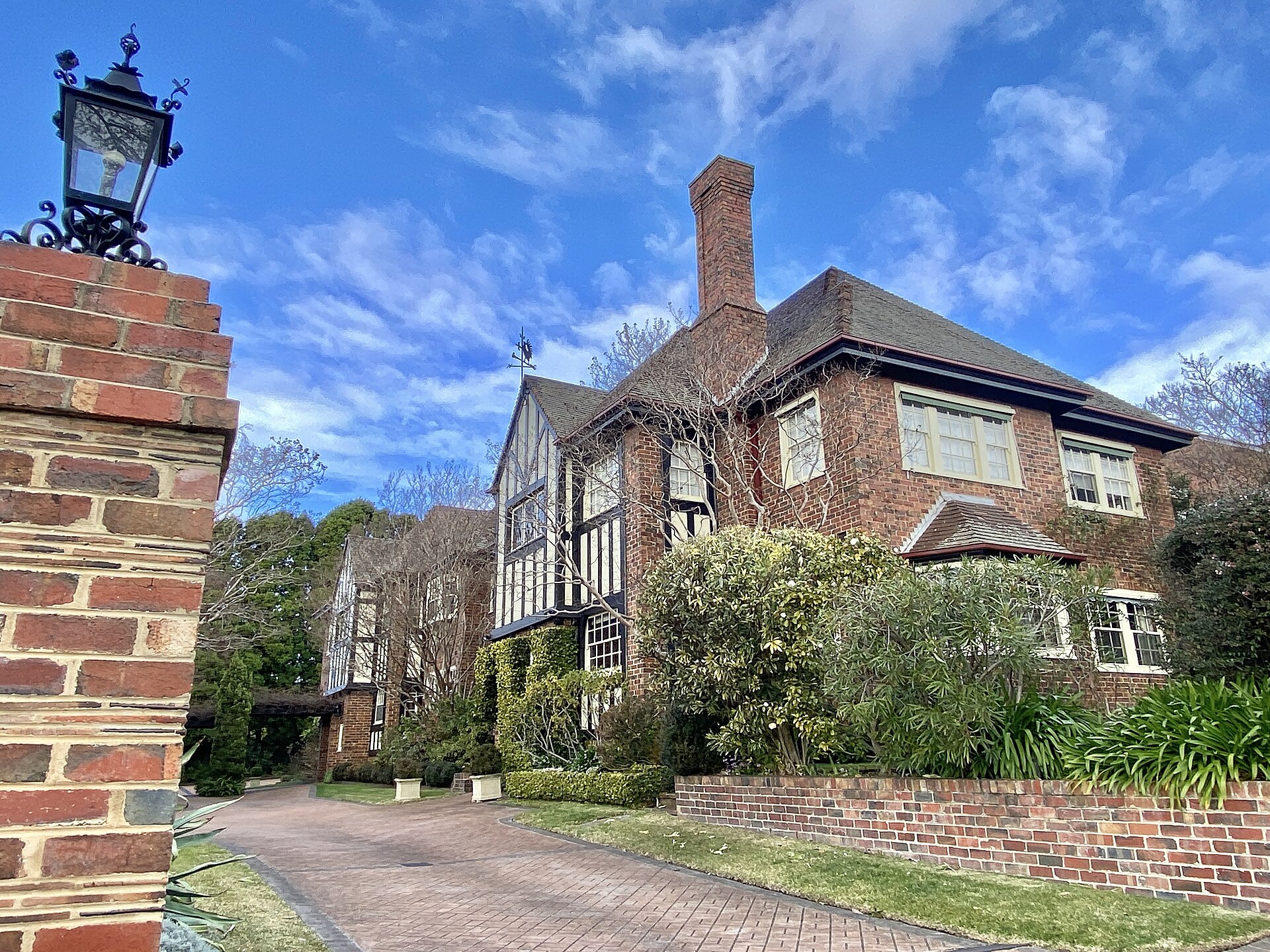
Kooyong is small enough that the vibe changes quickly. Start on the main strip and you get the public version of the suburb: cafes, shops, people moving through, and visitors forming their entire opinion from the first place they find a park. Move a block or two behind it and the pace drops. The streets feel more residential, with front gardens, old trees, dog walkers, and the same people doing the same morning routines. That is the Kooyong many residents are actually buying into.
The edges matter. Where Kooyong bleeds toward Toorak, the tone gets more polished and the price logic can feel less forgiving. Where it shifts toward Hawthorn, the suburb can feel more transitional, which is not automatically a bad thing. Those border streets may give you better value if you care more about space and access than having the textbook Kooyong feel. Malvern and Glen Iris also sit close enough in the mental map that buyers and renters often compare them when Kooyong starts feeling too tight or too expensive.
Parking is the everyday test. Near the main strip, assume it gets annoying at the exact times you most want it to be easy: weekend mornings, after-work errands, and when visitors come over. The quieter pockets are calmer, but inspect them at the hour you would actually be coming home, not at 11am on a weekday. Skip the main strip if you are sensitive to noise or need predictable parking. If you are west of the most convenient Kooyong pocket for your routine, you may be better off comparing Hawthorn or Malvern instead of forcing Kooyong to fit.
Who This Suits
If you are a young professional who likes being in the mix, pick the main strip or the streets immediately around it. You will pay for convenience and accept the trade-off: more noise, more movement, less privacy. If you are a couple looking to settle, pick one block back from the action. That gives you the walkability without making the suburb feel like it is sitting in your living room. If you are a family with kids, focus on the residential pockets with quieter streets and parks nearby, away from main road traffic. If you are a retiree downsizing, look for flat, calm streets with walking access to shops. If you are an investor, the obvious play is main strip apartments or edge-zone units where yield matters more than romance.
Cost expectations are straightforward even without pretending every street prices the same. The closer you are to the main strip, the more you are paying for convenience and scarcity. The quieter residential pockets can command a premium because they offer the suburb’s best version of itself: access without the hassle. The edge zones are where budget-conscious buyers and renters should look first, because they may deliver Kooyong access while feeling slightly less intense than the prestige streets.
Time of day changes the decision. Weekday mornings show you commuter patterns and whether the street really works for your routine. Saturday mornings show you cafe traffic, parking pressure, and how much the main strip spills into nearby streets. Evenings tell you whether the quiet pockets stay quiet or whether cut-through traffic becomes part of the deal. Do not inspect Kooyong only when it is at its prettiest. Walk it when you are tired, when parking is tight, and when you would actually be living there.
What to Do Next
Walk the main strip, then immediately walk one block back before you decide anything. That contrast is the suburb. For the broader suburb picture, read the Kooyong Living Guide.
| Who you are | Where to look |
|---|---|
| Young professional | Near the main strip — within walking distance of bars and cafes |
| Couple looking to settle | One block back from the action — quiet enough to sleep, close enough to walk |
| Family with kids | The residential pockets with parks nearby, away from main road traffic |
| Retiree downsizing | Quiet streets with flat terrain and walking access to shops |
| Investor | Main strip apartments or edge-zone units for yield |