Verdict Box
Kooyong is one of those suburbs where the transport story is better than the lifestyle marketing, provided you understand the exact trade-off. The good part is simple: Kooyong Station sits on the Glen Waverley line, route 16 tram runs along Glenferrie Road, and the suburb is close enough to Richmond and the CBD that a city commute can feel easy on normal weekdays. If you live near Glenferrie Road, you can walk to train, tram, coffee, dinner, and the Kooyong Lawn Tennis Club without planning your day around a car.
The harder part is also simple: Kooyong is tiny, expensive, low-supply, and not built like a dense transport hub. Domain’s Kooyong profile lists a population of only 817 and a high owner-occupier share, which matches the on-the-ground feel: quiet streets, large established homes, boutique apartments near Toorak Road, and very limited rental churn. That means the suburb can look perfect on a map but still be hard to actually move into.
For transport, Kooyong is a strong pick if your life points toward the CBD, Richmond, Hawthorn, Prahran, Malvern, or St Kilda. It is less compelling if you need direct access to the west, northern suburbs, Monash employment areas, or late-night food without changing modes. The train is the backbone, the tram is the useful backup, and the car is still relevant for weekend errands because the local retail strip is small.
The honest verdict: Kooyong is excellent for a disciplined commuter who wants calm streets and fast inner-east access, but it is not a value suburb and it is not a big-service suburb. You pay for position, not variety.
At-a-Glance Table
| Transport factor | Kooyong 2026 reality |
|---|---|
| Main train station | Kooyong Station on the Glen Waverley line |
| Main tram | Route 16 on Glenferrie Road, useful for Kew, St Kilda Road, St Kilda, and Melbourne University trips |
| CBD commute | Generally workable by train via Richmond, with timing dependent on service pattern and peak crowding |
| Walkability | Strong around Glenferrie Road and the station; weaker on hilly residential edges |
| Parking | Limited around the village and station; easier on residential streets only if you know restrictions |
| Cycling | Useful for confident riders heading toward Gardiners Creek links, Hawthorn, Malvern, or Richmond |
| Rental market | Scarce and expensive; small stock means listings can disappear quickly |
| Best fit | CBD commuters, inner-east downsizers, couples with one car, and people who value quiet over choice |
Who It Suits
Mia, 34, CBD commuter — wants a train-first week and does not need a large dining strip every night.
The One-Car Couple — can use the station and tram for work, then keep the car for shops, family visits, and weekend sport.
Priya, 46, school-run strategist — wants access to nearby private schools and inner-east roads, but still wants a station within reach.
The Quiet Downsizer — wants leafy streets, a small village strip, and transport without the noise of a major junction suburb.
Rent & Property Reality
Kooyong’s transport value is tied tightly to its property reality. This is not a suburb where good transport automatically means broad rental choice. It is a small, high-price pocket with low turnover and a strong owner-occupier base. The Domain Kooyong suburb profile lists the population at 817, with owner occupancy at 78% and renters at 22%. That matters more than a generic median because it explains the lived market: there are not many homes, not many landlords, and not many chances to wait for the perfect listing.
Domain’s rental listings page recently showed a 2-bedroom unit median rent of $770 per week for Kooyong, while the realestate.com.au Kooyong market profile has pointed to houses renting around $1,375 per week and units around $850 per week. Treat those figures as market signals rather than a guarantee, because Kooyong’s small sample size can move quickly. One premium apartment can shift the visible rental picture. One large family home can make the suburb look more available than it really is.
The best transport-positioned rentals are near Glenferrie Road, Toorak Road, and the station. Those give you the easiest walk to Kooyong Station, route 16 tram, Brothers Keeper, Little Quarter, Konbu Japanese Cuisine, Koots, and the small strip of everyday services. The catch is that those addresses are also the obvious ones, so they attract commuters who know exactly what they are buying into.
Further into the residential streets, the housing becomes quieter and grander, but your transport advantage depends on your tolerance for walking. Kooyong’s street pattern is pleasant, but it is not a flat grid of short blocks. A listing that claims station convenience may still involve a noticeable walk, a slope, or an awkward crossing. Check the walk at the time you actually leave for work, not at a lazy inspection window.
For buyers, transport is part of the premium. Kooyong sits between Toorak, Hawthorn, Malvern, and Glen Iris, with the Monash Freeway nearby and strong private-school geography around it. That position keeps demand resilient, but it also means entry prices can feel detached from the scale of the local shopping strip. You are not buying a large suburb centre. You are buying a small, well-located pocket with excellent access lines.
Local Reality & Pockets
The first pocket is the station village around Glenferrie Road. This is the most practical part of Kooyong for a commuter. You can get off the train, pick up coffee, meet someone for dinner, and be home quickly. Brothers Keeper at 481 Glenferrie Road is the obvious cafe anchor, while Little Quarter, Konbu Japanese Cuisine, and Koots add enough variety for a compact strip. It is convenient, but it is not a major activity centre. If you expect the density of Glenferrie Road in Hawthorn, you will be disappointed.
The second pocket is the Toorak Road apartment edge. This is where some of the newer or more lock-up-and-leave living appears. It can suit renters and downsizers who want Kooyong access without maintaining a large house. The upside is transport practicality. The downside is exposure to traffic, especially if the apartment faces a busier road or intersection. Inspect with windows closed and open, then check the route to the station on foot.
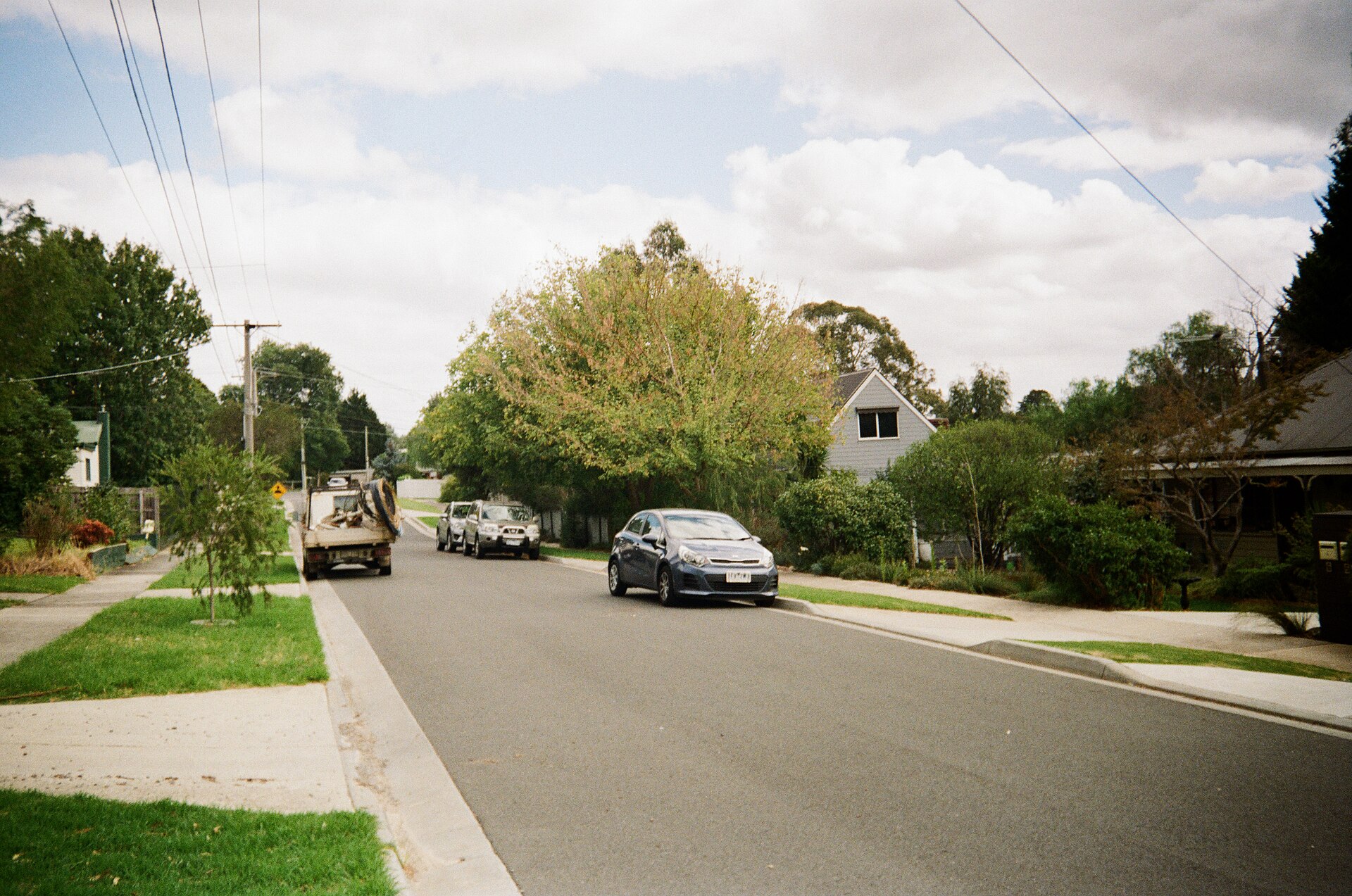
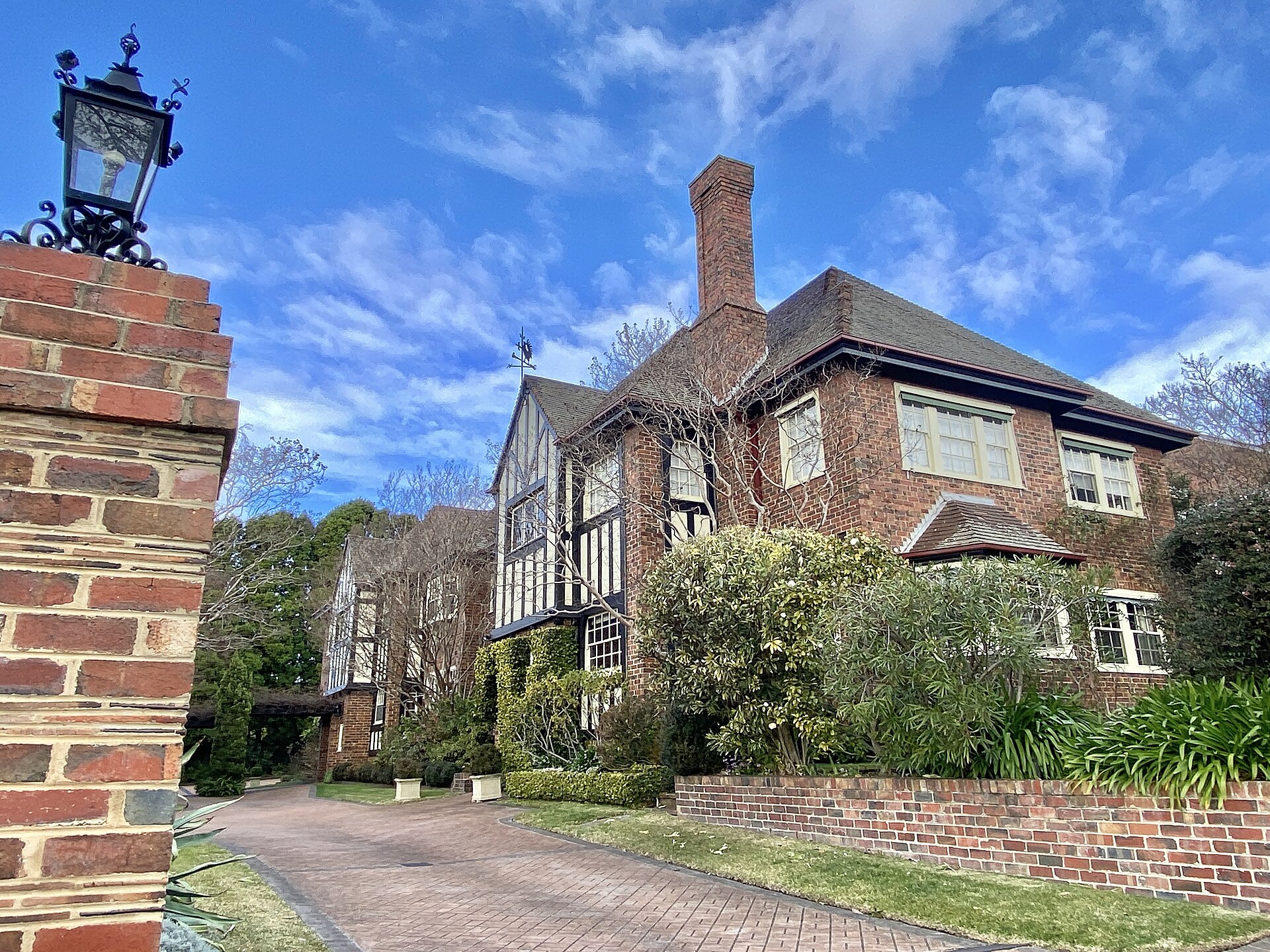
The third pocket is the established residential area toward Monaro Road, Talbot Crescent, and the quieter internal streets. This is Kooyong’s old-money residential face: calmer, greener, and less obviously commuter-focused. It feels removed from the main road quickly, but that can also mean you use the car more often than the map suggests. This pocket suits people who want the station as an asset, not necessarily as a daily necessity.
The fourth pocket is the Kooyong Lawn Tennis Club influence zone. The club is a genuine landmark and gives the suburb a specific identity. Event days can change traffic, parking, and local movement around Glenferrie Road. For most residents that is manageable, but if you are highly sensitive to occasional congestion, inspect around a busy club period rather than relying on a quiet weekday morning.
The fifth reality is the level-crossing and interchange feel around the station. Kooyong has rail, tram, road, and foot traffic converging in a small area. It is useful, but not always seamless. Stonnington transport advocacy documents have identified access and public transport improvements as local issues, including station access concerns across the municipality. For daily users, that means the suburb’s transport is strong in coverage, but the physical experience is not as polished as a rebuilt premium interchange.
Signature Craving
For a transport guide, the signature craving has to be the commuter reset: off the train, across Glenferrie Road, and into Brothers Keeper for coffee or a simple meal before the rest of the day claims you. It is not about a destination dining scene. It is about Kooyong having just enough local hospitality beside the station to make public transport feel human.
That matters more than it sounds. A suburb can have a station and still feel dead around it. Kooyong does not. The strip is small, but it has usable stops. Brothers Keeper covers the cafe role, Little Quarter gives another coffee option, Konbu handles casual Japanese, and Koots gives the area a more polished restaurant note. If you live nearby, these venues turn the commute from a pure logistics exercise into a routine that has a little comfort built in.
The limitation is scale. You will not get the range of Camberwell, Hawthorn, Malvern, or Prahran. Kooyong is not the suburb for someone who wants a new bar, ramen shop, bakery, grocer, gym, and late-night option all within five minutes. It is the suburb for someone who wants a reliable local strip, then accepts that bigger errands happen elsewhere.
The craving verdict: coffee before the train, dinner without driving on a weeknight, and enough street life to avoid feeling isolated. That is Kooyong’s sweet spot.
Comparisons Table
| Suburb | Transport strength | Property reality | Better for | Watch-out |
|---|---|---|---|---|
| Kooyong | Train plus route 16 tram in a very small suburb | Scarce, premium, owner-heavy | Quiet CBD commuters who want a station close by | Low rental supply and limited local retail |
| Toorak | Strong tram access, some train access at edges | Very high prices, prestige housing | Buyers prioritising status, schools, and private streets | Less train-convenient depending on pocket |
| Hawthorn | Multiple trains, trams, larger retail and dining strips | Broader apartment and rental choice | People who want transport plus activity | Busier, noisier, more student and traffic pressure |
| Malvern | Train, tram, retail, schools, and stronger everyday services | Premium but with more stock variety | Families and commuters wanting more shops nearby | Some pockets are further from the station than expected |
| Glen Iris | Glen Waverley line access and quieter residential streets | More family-house oriented, more spread out | Buyers wanting space and still-decent train access | Less compact if you want everything walkable |
Trust Block
Author: Tyler James
Method: This guide was rewritten from scratch for the 2026 transport pillar using current public-facing sources, local venue checks, suburb geography, and property-market signals from Domain and realestate.com.au.
Primary sources checked: PTV route information for the Glen Waverley line and route 16 tram, Domain’s Kooyong suburb profile, realestate.com.au’s Kooyong market profile, City of Stonnington transport and public realm material, and venue pages for Kooyong businesses including Brothers Keeper.
Local caveat: Kooyong has a small population and low listing volume, so rent and sale medians can be less stable than in larger suburbs. Treat live listings, inspection timing, and exact walking routes as essential checks.
Editorial verdict: Kooyong’s transport score is high for CBD-oriented commuters, but the suburb only suits people who accept scarcity, premium pricing, and a small local service base.
FAQ
Q: Is Kooyong good for commuting to the CBD?
A: Yes, especially if you live within walking distance of Kooyong Station. The Glen Waverley line gives direct rail access toward Richmond and the city, though exact timing depends on the timetable, peak conditions, and whether you need to change for a specific city station.
Q: Does Kooyong have a tram?
A: Yes. Route 16 runs along Glenferrie Road and is useful for Kew, St Kilda Road, St Kilda, Melbourne University, and intermediate trips where the train is not the right shape.
Q: Can you live in Kooyong without a car?
A: Some people can, particularly near Glenferrie Road. The realistic answer is that one car is still useful for larger grocery runs, family logistics, weekend sport, and trips across suburbs that are not aligned with the train or tram.
Q: Is Kooyong Station accessible for everyone?
A: Check current PTV access information before relying on it. Local transport advocacy has previously identified station access as an issue in the area, and older station layouts can be harder for prams, mobility aids, heavy luggage, or anyone who struggles with stairs.
Q: Is parking easy near Kooyong Station?
A: Not reliably. The area around the station and village is compact, and restrictions matter. If park-and-ride is central to your plan, test it on a weekday morning rather than assuming there will be an easy space.
Q: Is Kooyong better than Hawthorn for transport?
A: Kooyong is quieter and simpler, but Hawthorn has a bigger transport and retail ecosystem. Choose Kooyong for calm and quick station access; choose Hawthorn if you want more trains, more venues, and more rental stock.
Q: Are Kooyong rentals affordable?
A: No. Kooyong is a premium, low-supply market. Domain and realestate.com.au rental signals put units and houses well above many Melbourne suburbs, and the small number of listings can make the search harder than the headline median suggests.
Q: What is the main transport weakness in Kooyong?
A: Cross-suburb travel. The train is good for the Glen Waverley corridor and the CBD, and the tram is useful north-south, but trips to many employment areas still involve changes, driving, or a slower multimode route.
Q: Is Kooyong noisy because of transport?
A: It depends on the pocket. Properties near Toorak Road, Glenferrie Road, the rail line, or the tram route need a noise check. Internal residential streets can feel much quieter.
Q: Is Kooyong suitable for families?
A: Yes for families with the budget and the right school geography, but it is not a bargain family suburb. Transport is a plus, private-school access is a plus, and the small local strip is convenient, but larger parks, shopping, and activities often mean going into neighbouring suburbs.
Q: What should renters inspect first?
A: Walk from the property to Kooyong Station and the tram stop at the hour you would normally commute. Then check noise, parking restrictions, mobile reception inside the property, and whether the local shops cover your weekday basics.
{< json-ld >} { “@context”: “https://schema.org”, “@graph”: [ { “@type”: “Article”, “@id”: “https://www.melbz.com.au/kooyong/transport-guide/#article”, “headline”: “Kooyong 2026: Train-First Living & Honest Local Verdict”, “description”: “No spin. Kooyong transport is strong if you want train and tram access, but rentals are scarce, streets are tight, and station access has trade-offs.”, “author”: { “@type”: “Person”, “name”: “Tyler James”, “url”: “https://www.melbz.com.au/authors/tyler-james/” }, “datePublished”: “2026-03-21”, “dateModified”: “2026-05-25”, “image”: “https://www.melbz.com.au/images/kooyong/kooyong-001.jpg”, “mainEntityOfPage”: “https://www.melbz.com.au/kooyong/transport-guide/” }, { “@type”: “BreadcrumbList”, “@id”: “https://www.melbz.com.au/kooyong/transport-guide/#breadcrumb”, “itemListElement”: [ { “@type”: “ListItem”, “position”: 1, “name”: “MELBZ”, “item”: “https://www.melbz.com.au/” }, { “@type”: “ListItem”, “position”: 2, “name”: “Kooyong”, “item”: “https://www.melbz.com.au/kooyong/” }, { “@type”: “ListItem”, “position”: 3, “name”: “Transport Guide”, “item”: “https://www.melbz.com.au/kooyong/transport-guide/” } ] }, { “@type”: “FAQPage”, “@id”: “https://www.melbz.com.au/kooyong/transport-guide/#faq”, “mainEntity”: [ { “@type”: “Question”, “name”: “Is Kooyong good for commuting to the CBD?”, “acceptedAnswer”: { “@type”: “Answer”, “text”: “Yes, especially if you live within walking distance of Kooyong Station. The Glen Waverley line gives direct rail access toward Richmond and the city, with timing dependent on the timetable and peak conditions.” } }, { “@type”: “Question”, “name”: “Does Kooyong have a tram?”, “acceptedAnswer”: { “@type”: “Answer”, “text”: “Yes. Route 16 runs along Glenferrie Road and is useful for Kew, St Kilda Road, St Kilda, Melbourne University, and intermediate trips.” } }, { “@type”: “Question”, “name”: “Can you live in Kooyong without a car?”, “acceptedAnswer”: { “@type”: “Answer”, “text”: “Some people can, particularly near Glenferrie Road, but one car remains useful for larger grocery runs, family logistics, and cross-suburb trips.” } }, { “@type”: “Question”, “name”: “Is Kooyong Station accessible for everyone?”, “acceptedAnswer”: { “@type”: “Answer”, “text”: “Check current PTV access information before relying on it, because older station layouts can be harder for prams, mobility aids, luggage, or people who struggle with stairs.” } }, { “@type”: “Question”, “name”: “Is parking easy near Kooyong Station?”, “acceptedAnswer”: { “@type”: “Answer”, “text”: “Not reliably. The station and village area is compact, and restrictions matter, so park-and-ride assumptions should be tested on a weekday morning.” } }, { “@type”: “Question”, “name”: “Is Kooyong better than Hawthorn for transport?”, “acceptedAnswer”: { “@type”: “Answer”, “text”: “Kooyong is quieter and simpler, while Hawthorn has a bigger transport and retail ecosystem. The better choice depends on whether calm or choice matters more.” } }, { “@type”: “Question”, “name”: “Are Kooyong rentals affordable?”, “acceptedAnswer”: { “@type”: “Answer”, “text”: “No. Kooyong is a premium, low-supply market, and rental signals from Domain and realestate.com.au sit well above many Melbourne suburbs.” } }, { “@type”: “Question”, “name”: “What is the main transport weakness in Kooyong?”, “acceptedAnswer”: { “@type”: “Answer”, “text”: “Cross-suburb travel is the main weakness. The train and tram are useful, but many employment-area trips still involve changes, driving, or slower multimode routes.” } }, { “@type”: “Question”, “name”: “Is Kooyong noisy because of transport?”, “acceptedAnswer”: { “@type”: “Answer”, “text”: “It depends on the pocket. Properties near Toorak Road, Glenferrie Road, the rail line, or the tram route need a noise check, while internal streets are usually calmer.” } } ] } ] } {< /json-ld >}