Verdict Box
Best for: Families who want a northern-suburbs house budget without being pushed to the fringe. Skip if: You need polished streetscapes, cafe density, or a short city commute every day. Rent pressure: Cheaper than many inner-north alternatives, but decent family homes still move quickly and older stock can hide repair issues. Commute reality: Lalor station is the suburb’s trump card; away from it, car dependence rises fast. Food scene: Practical rather than destination-grade: pizza, wraps, cakes, bakeries and local Vietnamese options do the weekday job. Family fit: Good for backyard seekers, multigenerational households, and parents who value local sport and schools over image. Overall score: 7/10. Lalor is not pretty enough to flatter you at inspections, but that is partly why it still works. The family value is real if you buy or rent carefully, check street noise, and do not assume every old brick veneer has been maintained with love.
At-a-Glance Table
| Factor | Lalor 2026 |
|---|---|
| LGA | Whittlesea City Council |
| Postcode | 3075 |
| Geographic tier | North |
| Region | outer-north |
| Transport grade | C+ |
| Overall grade | C+ |
Who It Suits
Amandeep, 41, two-school-run parent — wants a yard, a station, and mortgage repayments that do not eat the whole household. The practical upsizer — accepts older kitchens if the floorplan, parking, and school access stack up. Nina and Rob, shift-worker household — need Northern Hospital, Epping, Thomastown, and the Ring Road within realistic reach.
Rent & Property Reality
Median 1BR rent proxy: $480 per week, 0% YoY, using Lalor’s unit median because REA’s 2026 snapshot does not publish a separate 1-bedroom unit median for the suburb. The useful citation is realestate.com.au’s Lalor rental market snapshot, which lists overall median rent at $520 per week, median house rent at $540 per week based on 370 listings, and median unit rent at $480 per week based on 174 listings. For a family article, that missing 1-bedroom line matters: Lalor is not really a 1-bedroom apartment suburb. Its rental market is built around older houses, units behind houses, and newer townhouses squeezed onto former house blocks.
In plain English, $480 a week is not a cheap inner-city apartment bargain; it is the lower end of the local family-rental ladder. A couple with one child may find a compact two-bedroom unit around that mark, but a three-bedroom house is more commonly in the low-to-mid $500s, and newer townhouses can push higher. The practical difference is cashflow. Compared with Reservoir, Preston, or Thornbury, Lalor may leave enough room for childcare, sport fees, car insurance, and the occasional emergency dentist bill. Compared with outer-growth suburbs, it gives you rail and older established services, but not always modern insulation, storage, or open-plan living.
The trap is assuming the advertised rent is the whole cost. Many Lalor rentals are older brick veneer homes with gas heating, ageing bathrooms, single glazing, patched driveways, and big lawns that tenants are expected to maintain. A $530 house can become less attractive if winter bills spike or if the garage is not watertight. Families should inspect wardrobes, heating, cooling, window locks, bathroom ventilation, roof stains, and fence condition with more suspicion than they would in a newer estate.
The best rental value is usually not the cheapest listing. It is the clean, boring home close enough to Lalor station, High Street buses, or Dalton Road services that does not force two cars into the household. If the weekly rent is $20 higher but saves one daily drive, it may be the better family decision.
Local Reality & Pockets
For families, Lalor is a suburb of pockets, not a single neat story. The easiest everyday living is generally around Lalor station, High Street, and the local shopping strips, because you can make school, train, groceries, takeaway, and pharmacy trips without turning every errand into a car loop. Streets close to the station suit older kids who are starting to travel independently, but you pay with more traffic movement, tighter parking, and a higher chance of hearing trains, buses, and late-night foot traffic.
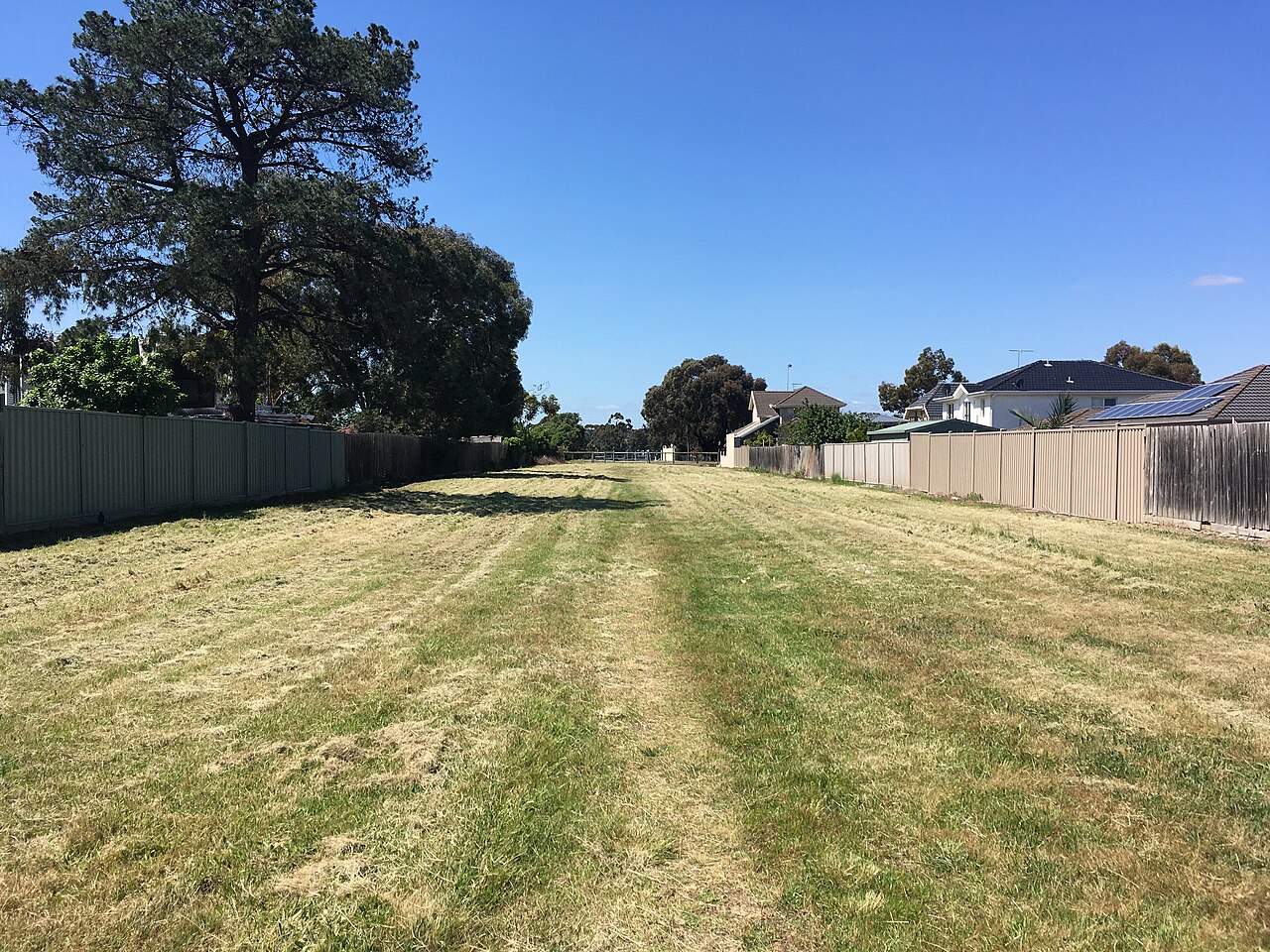
If you want quieter family rhythm, look for residential streets set back from High Street, Dalton Road, Edgars Road, Childs Road, and the heavier connectors. The blocks can be generous, and the older housing stock often gives families the thing newer estates ration: actual outdoor space. The trade-off is maintenance. A freshly painted facade can still hide old wiring, poor insulation, tired gutters, or rooms that bake in summer. Do not be shy about opening cupboards, checking heater age, and asking whether cooling reaches bedrooms.
Mosaic Drive is useful as a modern local food marker, with Lord of Dough and Fat Wraps and Wings at 53 Mosaic Drive, but it is not the whole suburb. Families choosing around that newer pocket should check parking at dinner time and how easy it is to enter and exit during peak school and commuter traffic. Around Dalton Road and High Street, convenience improves but noise and stop-start traffic become part of the daily soundtrack.
Two honest gotchas stand out. First, Lalor can look affordable on paper while still requiring two cars if you choose the wrong pocket. That erases part of the rent or mortgage advantage quickly. Second, street presentation varies sharply. One block can feel tidy and settled; the next can have neglected fences, hard rubbish patterns, cramped townhouse parking, and more through-traffic than the map suggests. Visit at school pickup, after 7 pm, and on a Saturday morning before deciding.
Signature Craving
The family food test in Lalor is not about a photogenic brunch queue. It is about whether dinner can be solved after tutoring, work, and a wet soccer training session. Lord of Dough at 53 Mosaic Drive is the obvious local craving because pizza travels well, kids understand it, and tired parents do not have to negotiate a complicated menu. Fat Wraps and Wings at the same address covers the kebab-and-chicken lane when the household is split. The Cake Box and Ferguson Plarre do the birthday-cake and school-event work, which matters more in family life than another glossy cafe fit-out. The honest verdict: Lalor’s eating scene is functional, not fancy. That suits the suburb. You will still drive to Reservoir, Preston, or Epping for a bigger night out, but weeknight feeding is covered without ceremony.
Comparisons Table
| Suburb | Transport | Tier | Region |
|---|---|---|---|
| Lalor | C+ | North | outer-north |
| Beveridge | F | North | outer-north |
| Bruces Creek | n/a | North | outer-north |
| Donnybrook | N/A | North | outer-north |
Trust Block
Author: Priya Sharma — Family-and-community correspondent; reads council planning notices for fun.
Data: data/melbourne_suburbs_master.json (Codex per-LGA enumeration, cross-checked vs VEC + Australia Post + ABS SA2 boundaries), data/suburb_scores.json (composite percentile grades), data/venues/.json (OpenStreetMap + Gemini-verified venue catalog).
Last reviewed: 2026-05-26. Not financial advice. We do not accept paid placements in editorial.
FAQ
Q: Is Lalor actually good for families in 2026? A: Yes, if your definition of good is practical rather than polished. Lalor gives families established streets, usable blocks, train access, local shops, and lower housing costs than many inner-north suburbs. It is less convincing if you want immaculate streetscapes, high-end cafes, or a short commute by default. The strongest family case is for households that value space, parking, and access to schools and sport over suburb status. The weakest case is for families who inspect one renovated townhouse and assume the whole area feels the same.
Q: What is the biggest mistake families make when choosing a Lalor pocket? A: The biggest mistake is choosing only by rent or purchase price, then discovering the daily logistics are awkward. A cheaper home can cost more in time if it sits too far from Lalor station, useful bus routes, school, childcare, or groceries. Families should test the school run, the station trip, and the Saturday parking situation before applying or offering. Lalor works best when the house and the weekly routine match. A big block is less valuable if every errand needs a car.
Q: Is Lalor safe enough for children and teenagers? A: Lalor is not a suburb where families should panic, but it is also not a place to assess from a sunny inspection alone. Check the exact street, lighting, footpaths, station walk, and nearby late-night activity. Teenagers benefit from train access and local shops, but parents should walk the likely routes after dark before assuming independence will be easy. The family-friendly streets are usually the quieter residential ones with visible owner-occupier care, decent fencing, and normal evening activity rather than constant vehicle movement.
Q: How does Lalor compare with Thomastown for families? A: Lalor and Thomastown are close enough that the better choice often comes down to the individual street and house, not the suburb name. Lalor’s appeal is its mix of station access, older family homes, and relatively direct links to Epping and Reservoir. Thomastown can feel more industrial in some pockets and very practical in others. Families comparing both should look at school zoning, rail access, road noise, and property condition. A well-located Thomastown home can beat a poorly located Lalor one, and the reverse is equally true.
Q: Do families need two cars in Lalor? A: Not always, but many households end up close to two-car living unless they choose carefully. Near Lalor station, High Street, and useful bus corridors, one-car family life is more realistic, especially if one parent commutes by train. Further from transport and shops, the suburb becomes more car-dependent. Before committing, map the real trips: childcare, school, supermarket, GP, sport, station, and grandparents if they help. If those trips scatter across the north, the cheaper rent may be partly cancelled by fuel, insurance, and parking pressure.
Q: What housing problems should families watch for in Lalor? A: Older homes are the main inspection risk. Lalor has plenty of brick veneer houses and older units that can be perfectly serviceable, but families should check heating, cooling, insulation, damp, bathroom ventilation, roof condition, window locks, and whether bedrooms are actually comfortable. Renovated kitchens can distract from expensive basics. In townhouses, inspect storage, garage usability, visitor parking, and noise transfer between walls. The best family home is not necessarily the newest one; it is the one with fewer hidden maintenance compromises.
Q: Is Lalor good for school access? A: Lalor has the advantage of being an established suburb with local schools, nearby education options, and reasonable access to surrounding suburbs such as Thomastown, Epping, Mill Park, and Reservoir. The important detail is zoning and daily travel, not the suburb label. Families should confirm current school zones directly before signing a lease or contract, then drive or walk the route at pickup time. A school that looks close on a map can still be annoying if the crossing points, parking, or traffic flow are poor.
Q: What is the commute like from Lalor? A: The commute is workable but not effortless. Lalor station is the key advantage, especially for city-bound workers who can tolerate the northern train run. Driving can be slower than expected when High Street, Dalton Road, Childs Road, or major connectors are carrying school and peak-hour traffic. Families with hybrid work will usually find Lalor easier than five-day CBD commuters. The suburb makes most sense when at least one adult works in the north, near Epping, Thomastown, Bundoora, Campbellfield, or along the Ring Road.
Q: Is Lalor likely to suit families long term? A: Lalor can suit families long term if they buy or rent a home with enough flexibility: a real third bedroom, usable outdoor space, storage, heating and cooling that reaches bedrooms, and parking that still works as children get older. The suburb’s value is strongest for households that want to stay connected to the established north without paying inner-north prices. The long-term risk is outgrowing a compromised townhouse or tolerating a noisy road because it looked affordable. Choose the street first, then the floorplan.