You are looking at Lalor and need the commute answer fast: can you live here without spending your life in traffic? Yes, if you are near the station. Further out, the answer gets messier, especially after dark.
The Verdict
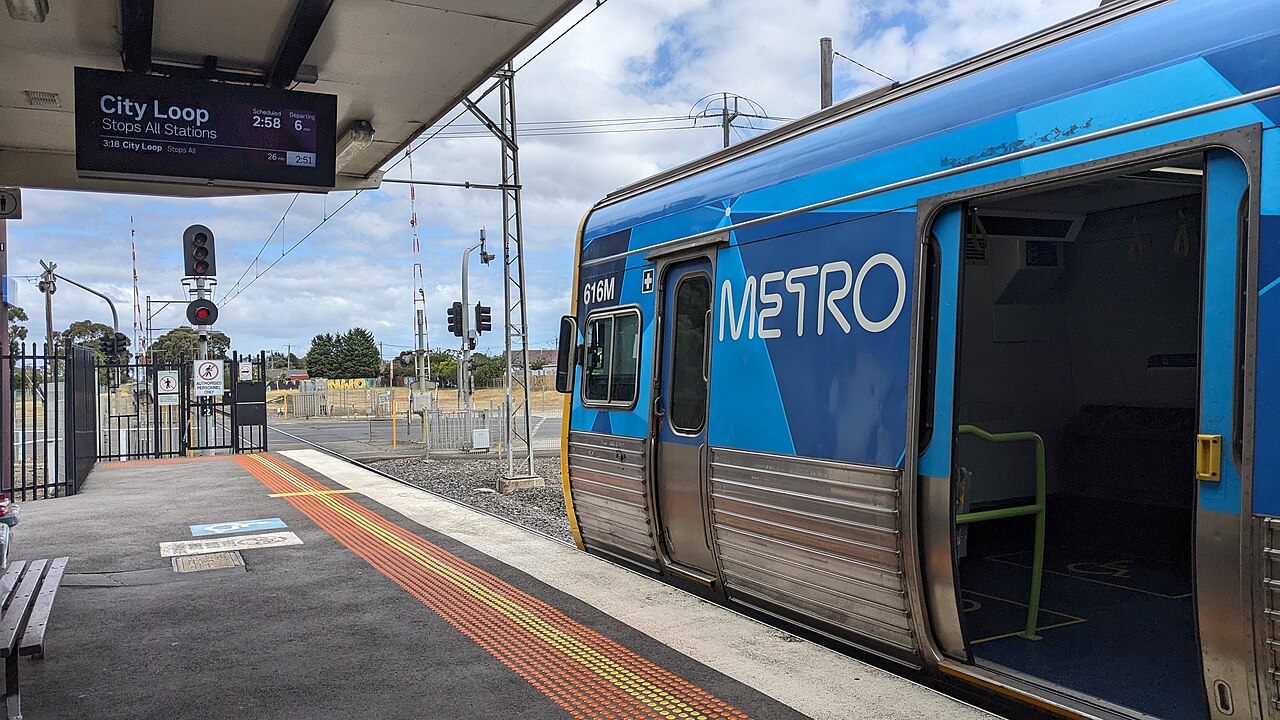
Lalor Station is the transport decision-maker here: if you can walk to it, Lalor works as a public-transport suburb; if you cannot, budget for more driving, more waiting, or both. The train is the clear winner for city-bound commuting because it is the suburb’s strongest direct link, especially in the morning peak when services are regular enough that you can usually show up rather than build your whole morning around the timetable. For a northern suburb at this distance from the city, a 20 to 40 minute door-to-door peak commute is realistic, depending on where you live in Lalor and where you need to end up in the city.
The trade-off is that Lalor is not pretending to be an inner suburb. There is no direct tram access, buses are mainly connectors, and weekend or evening movement needs more planning. Driving can beat the train off-peak, but during peak it becomes the less predictable option, especially once traffic builds around the station, main shops, and bigger roads out toward neighbouring suburbs. Parking is easier than inner-city Melbourne, but it tightens near the station and retail strips. Do not choose Lalor because someone tells you it is basically tram-connected northside living. It is not. Pick it because the train is usable, the parking is manageable, and a car is helpful rather than mandatory.
Local Reality
The real test in Lalor is not whether the suburb has public transport. It does. The real test is how far your front door is from Lalor Station, because that gap decides whether the commute feels easy or annoying. If you are close enough to walk, the train does the heavy lifting and the suburb becomes fairly straightforward: walk to the platform, ride toward the city, then deal with the final leg at the other end. If you are deeper in the residential streets, the same trip can turn into a bus connection, a station drop-off, or a drive-and-park calculation.
Buses matter, but they are not the star. They connect residential pockets to the station, shopping centres, and neighbouring areas that are not directly on the train line. During peak, the main routes are reasonable enough for routine trips. Off-peak and on weekends, you should check times before assuming a bus will appear soon. That is where Lalor feels different from Reservoir or inner suburbs with denser transport choices. It is functional, but less forgiving.
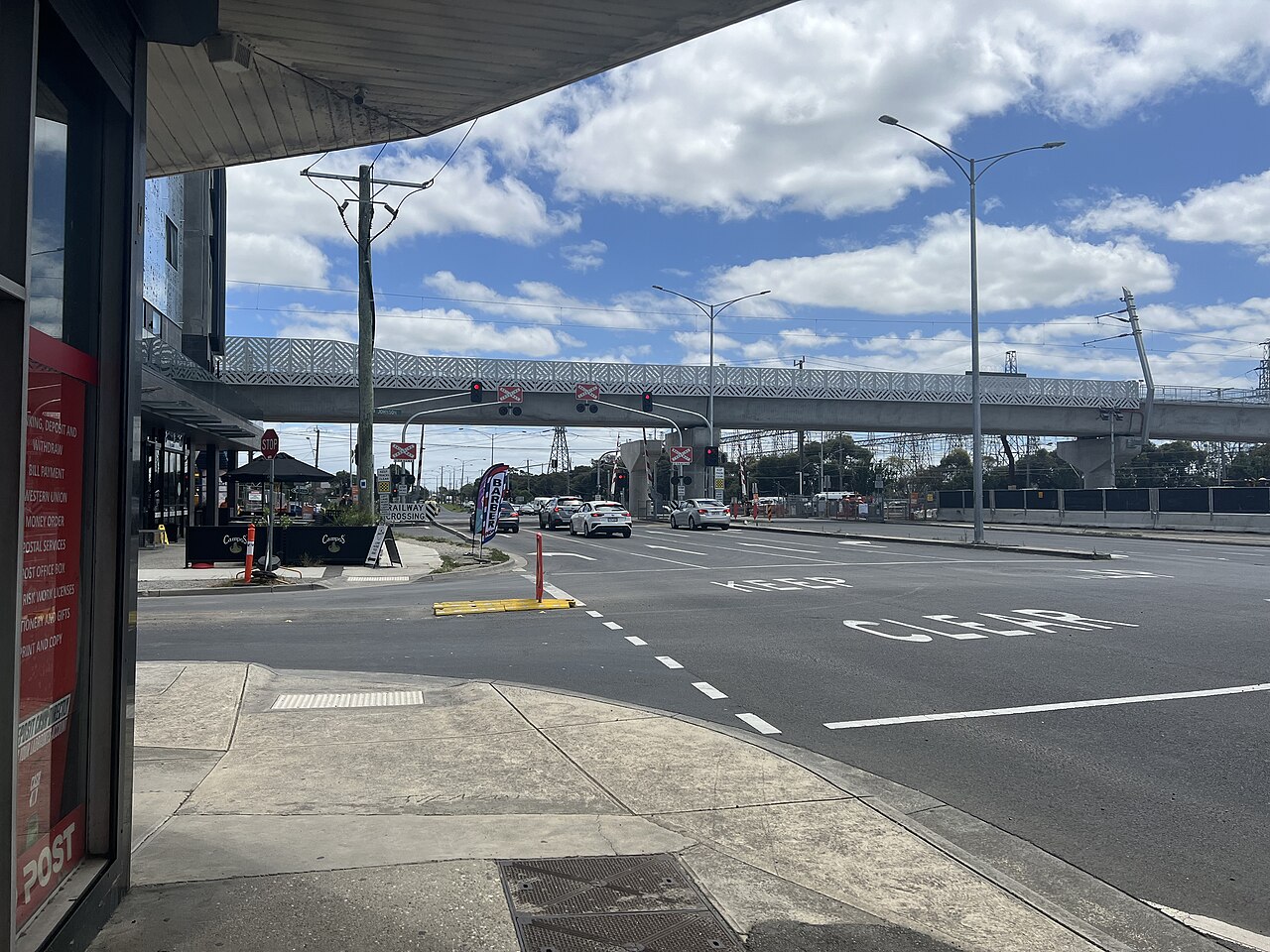
Driving is ordinary suburban Melbourne: easier parking than the inner city, but not frictionless. Residential streets are usually manageable, and shopping centre parking helps for errands. The pressure points are around Lalor Station and the main shops, where spaces can get tighter and short trips take longer than they should. Cycling is possible if you are comfortable with main-road conditions and the bigger intersections, but this is not a suburb where casual riders get a polished inner-city bike network.
Skip Lalor if direct tram access is non-negotiable. If you are west of the station or badly placed for the train, you may want to compare Thomastown, Reservoir, Epping, or Mill Park depending on whether train access, driving, or local buses matter most.
Who This Suits
If you are a city commuter, pick a home within easy walking distance of Lalor Station and treat the train as your default. That is the cleanest version of living here. If you are a hybrid worker, Lalor is forgiving: the train handles office days, and the easier suburban parking makes local errands less painful than they would be closer in. If you are a household with one car, this can work well as long as the person without the car has station access or a reliable bus connection. If you are fully car-dependent, Lalor is still practical, but peak-hour driving will decide how much you enjoy it. If you are tram-first, look elsewhere.
Cost-wise, the transport picture is more about trade-offs than surprise expenses. The train keeps the regular city commute simple, while the car adds the usual fuel, parking, maintenance, and traffic costs. The biggest hidden cost is time: living a short walk from the station saves daily minutes; living beyond a comfortable walk can quietly add waiting, drop-offs, or a second transport leg to every trip. That is the difference between Lalor feeling well connected and Lalor feeling like a suburb where you are always negotiating the next move.
Time of day matters. Morning peak is when the train case is strongest, because services are more frequent and the commute is predictable by outer-suburban standards. Evenings and weekends are where you need to be more deliberate, especially if buses are involved. Track works, signal faults, or replacement buses can add 20 minutes and a lot of patience. For regular weekday commuters, Lalor is solid. For late-night plans, spontaneous weekend trips, or tram-heavy routines, it asks more from you than inner Melbourne does.
What to Do Next
Before you commit, walk the route from the house to Lalor Station at the time you would actually commute. If it feels easy, Lalor works. Then read the broader Lalor suburb guide before comparing nearby suburbs.