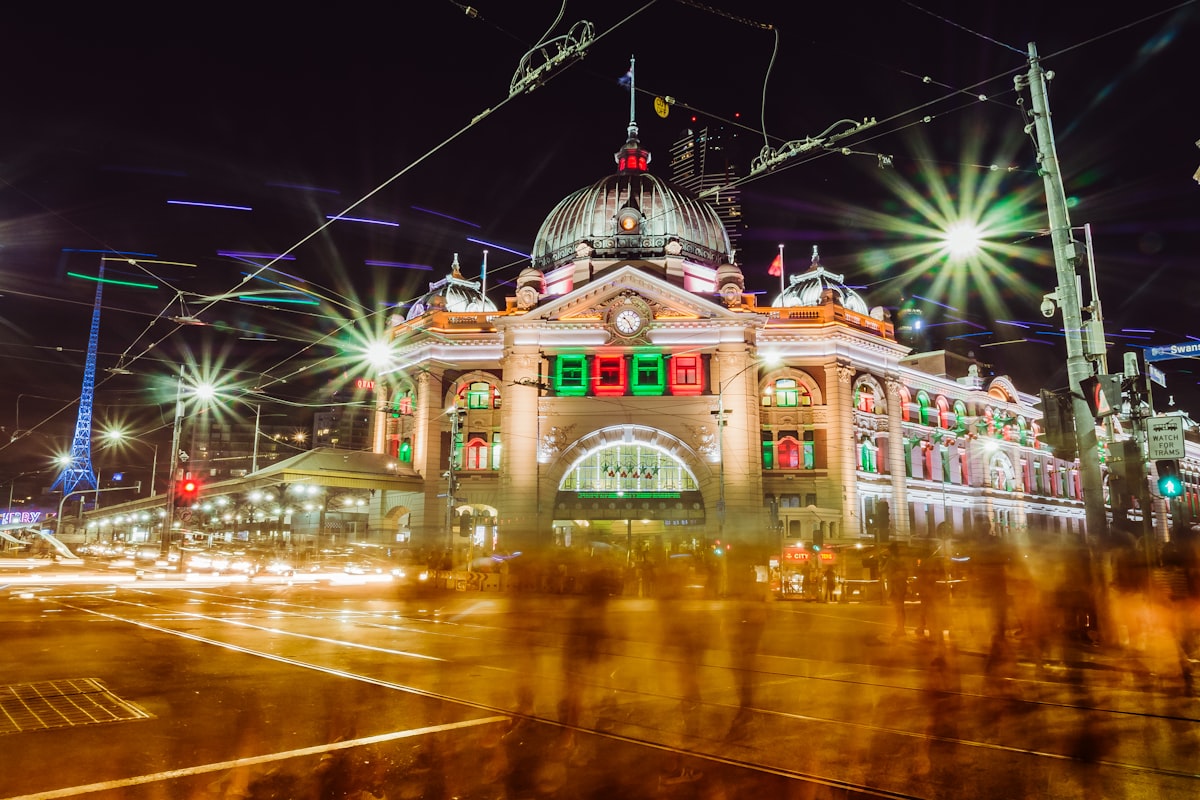
The thing about inner-Melbourne in 2026 is that the lifestyle is in the rituals, not the venues. You can copy the suburb someone moved to, the cafe they go to and the gym they joined – and still not have their week. This guide is the cultural read on the daily and weekly rituals that actually shape life inside the ring road for A12 tastemakers and A11 heavy internet users 18-29. I do not invent specific prices, exact times, queue lengths or attendance numbers. Where I describe a pattern, it’s observable. Where I quote a figure, it’s a check to confirm – not a fact.
At a glance
| Ritual | What I look for |
|---|---|
| Daily | Coffee, walk, transit – the things you do every weekday whether you mean to or not |
| Weekly | Gym, market, brunch, run-club – the rhythms that shape your week |
| Monthly | Dinner with friends at the same room, a haircut, a record store visit |
| Seasonal | The tram-route park in summer, the inside-bar route in winter |
| Community | Whether the rituals build social ties or just fill time |
| Online vs in-person | Heavy internet users who never close the loop with real-life community burn out faster |
| Verifiable claims | Hours, prices, queue times – I confirm with the venue’s own Instagram on the day, not a six-month-old blog |
The shortlist – what I actually filter on
- List the rituals you actually keep. Not the ones you wish you kept – the ones you do. That’s the floor of any lifestyle decision.
- Anchor each ritual to a place. A specific cafe, a specific gym, a specific market stall, a specific tram stop. Vague “I like coffee” doesn’t survive a move.
- Walk the new route at the actual time you’d do it. Mid-morning weekday is not Saturday 11am.
- Watch the regulars. A ritual room has people who are there every week – you’ll spot them inside two visits.
- Cross-check claims about the room with the room itself. A “great vibe” claim on TikTok is one Tuesday; verify with a return visit.
- Build in slack. Real rituals survive a missed week. Brittle ones don’t.
- Confirm hours and pricing on the day. Phone or DM the venue’s Instagram; aggregators and old blog posts lag the truth.
How to read your real rituals
Most lifestyle guides talk about the rituals people aspire to. The honest exercise is naming the ones you actually keep – because those are the only ones that will survive a move, a job change or a new relationship.
The honest weekly audit.
- Write down what you actually did last Tuesday, last Saturday and last Sunday morning.
- Highlight anything that happened the same way the week before.
- That’s your ritual list. Not what you wanted to do – what you did.
Anchoring.
- Each ritual should map to a place (cafe, gym, market, park) or a person (a friend, a family member, a barista, a neighbour).
- Rituals without anchors are intentions; they don’t usually survive disruption.
Stress-testing.
- If you moved suburbs tomorrow, which rituals would survive? Which would die?
- The dying rituals are part of the cost of the move.
Practical checks before you commit
- Phone or DM the venue’s own Instagram on the day – hours, dietary, bookings, door policy.
- Cross-check medians the week you act on Domain or REIV, not an agent’s quote.
- Walk the route at the actual time you’d use it – a Friday 8am commute is not a Sunday 11am one.
- Verify catchments, fees, waitlists, zoning at the official source – ACARA, the centre / council directly, VicPlan.
- Treat any single Reddit thread or TikTok claim as a shortlist input, not a verdict.
- Confirm card surcharge, public-holiday surcharge, cover charge with the venue before you sit or queue.
- Save the menu, price list or fee schedule offline before you commit – inner-Melbourne venues and centres update them often.
On internet signals (a disclaimer)
Anywhere this guide references “what tastemakers do”, “what heavy internet users follow”, “what’s trending” or “what 18-29s prefer”, treat it as a soft observable signal – not a measurement. I do not claim exact TikTok view counts, follower numbers, search-volume figures or attendance counts unless I link a public source. The patterns (regulars build community rooms; algorithms build brand rooms; rituals survive disruption better than intentions) are real and observable. The exact numbers are not the point – and anyone publishing precise figures without a public dataset is selling, not informing.
Watch-outs (the brutal truth)
- Stale online claims. Inner-Melbourne hospo, real estate, schooling, childcare and council policy all move faster than blog posts. Anything older than a few weeks is a starting hint, not a fact.
- Single-source figures. A TikTok caption is not a dataset; a Reddit thread is not a verdict.
- Sponsored content dressed up as recommendation. Treat any glowing post that doesn’t disclose a partnership but reads like a brochure with caution.
- The “authentic” trap. Marketing that has to call itself authentic usually isn’t. Real cultural rooms are confident enough not to label themselves.
- The “hidden gem” trap. Inner-Melbourne is well-mapped in 2026. Most “secret” venues are paid placement; the actual quieter rooms are obvious if you walk the strip.
- The yield trap. Lifestyle decisions are not investment decisions; if a property guide can’t separate the two, neither can it for you.
- The lifestyle-stretch trap. A suburb that costs you all the rituals you actually keep is a worse choice than a less-fashionable suburb that lets you keep them.
How I picked
The framework here combines four inputs, in order:
- Public datasets. Domain and REIV for medians, ABS for demographics, VicPlan for zoning, ACARA for school catchments, PTV for transit. None of these are perfect – but they’re public, dated, and accountable.
- Editorial criteria. I publish the criteria upfront so you can re-run the test with your own weighting (commute, ritual, peer group, budget).
- Community signal. What the inner-Melbourne 18-35 cohort tells us via the suburb-page feedback form, plus what regulars in specific scenes tell me directly.
- Walking the strip. I walk every suburb I write about at the time of day the suburb is being judged on. Saturday lunchtime, Sunday morning, Tuesday 11pm – they’re different cities.
I do not accept paid placement on shortlists. I do not invent specific operational figures. If a claim cannot be linked to a primary source, it does not appear.
FAQ
Is this guide for me if I’m not 18-29? Yes. A11 (heavy internet users 18-29) and A12 (inner-city tastemakers, often 28-45) overlap on most inner-Melbourne lifestyle decisions. The framework holds across the cohort.
How current are the figures and claims? Anything operational (prices, hours, fees, medians, waitlists) should be verified at the official source the day you act. The patterns described are observable; the exact numbers are not the point.
Why isn’t there a ranked list of venues or suburbs? Rankings flatten the cultural read. The point of this guide is to teach you to read the room yourself – which is the skill A12 tastemakers and A11 heavy internet users actually want.
How is this different from a regular Melbourne lifestyle guide? Most guides rank venues. This one reads scenes, rituals and communities. It assumes you can find the venues – the harder skill is choosing well between them.
Why does the guide keep saying “verify with the venue”? Because inner-Melbourne hours, prices, dietary policies, fees and trading hours genuinely change on short notice in 2026. A six-month-old TikTok or blog is a starting hint, not a fact.
Verdict
Inner-Melbourne in 2026 still rewards readers who treat lists as starting points and learn to read the room themselves. The cultural, scene-led, ritual-led or money-led version of any decision is more useful than the ranked one – because the ranked one ages out the moment a chef moves, a venue changes hands or a council policy shifts. Anchor on what you actually do, verify what you can verify, and walk the strip at the actual time of day you’d live it.