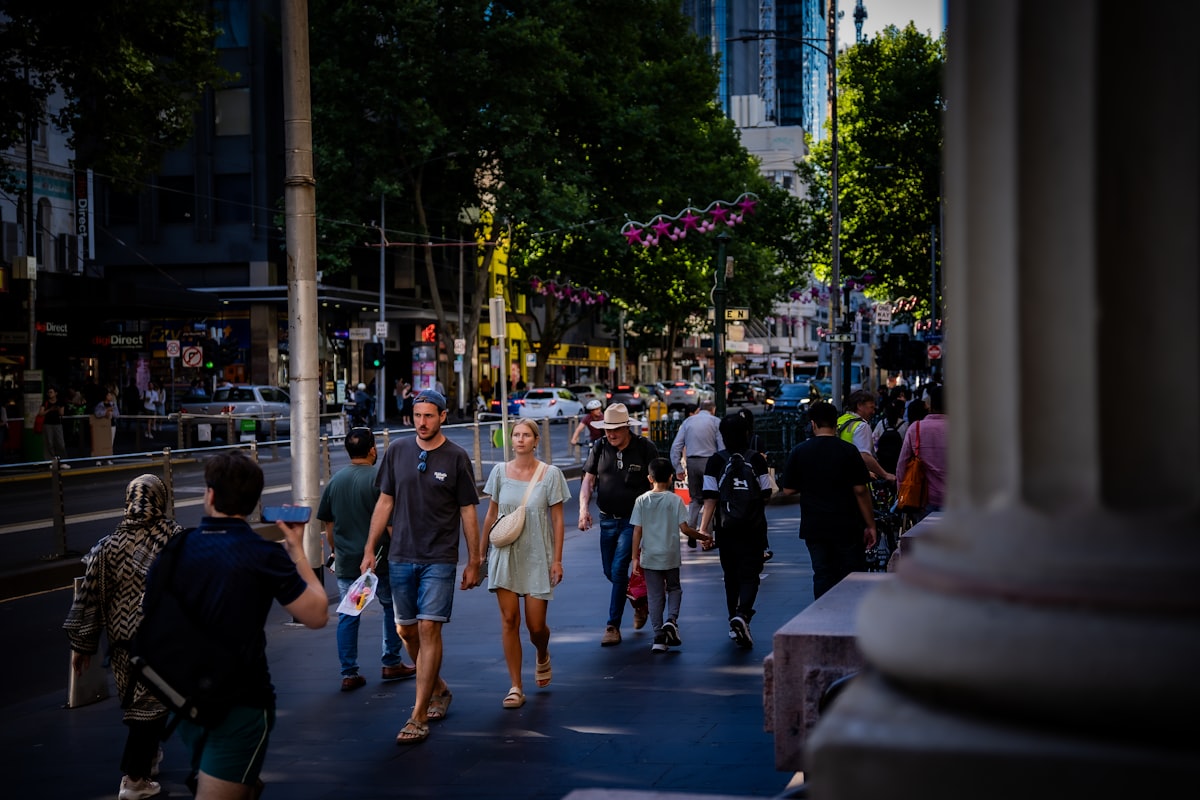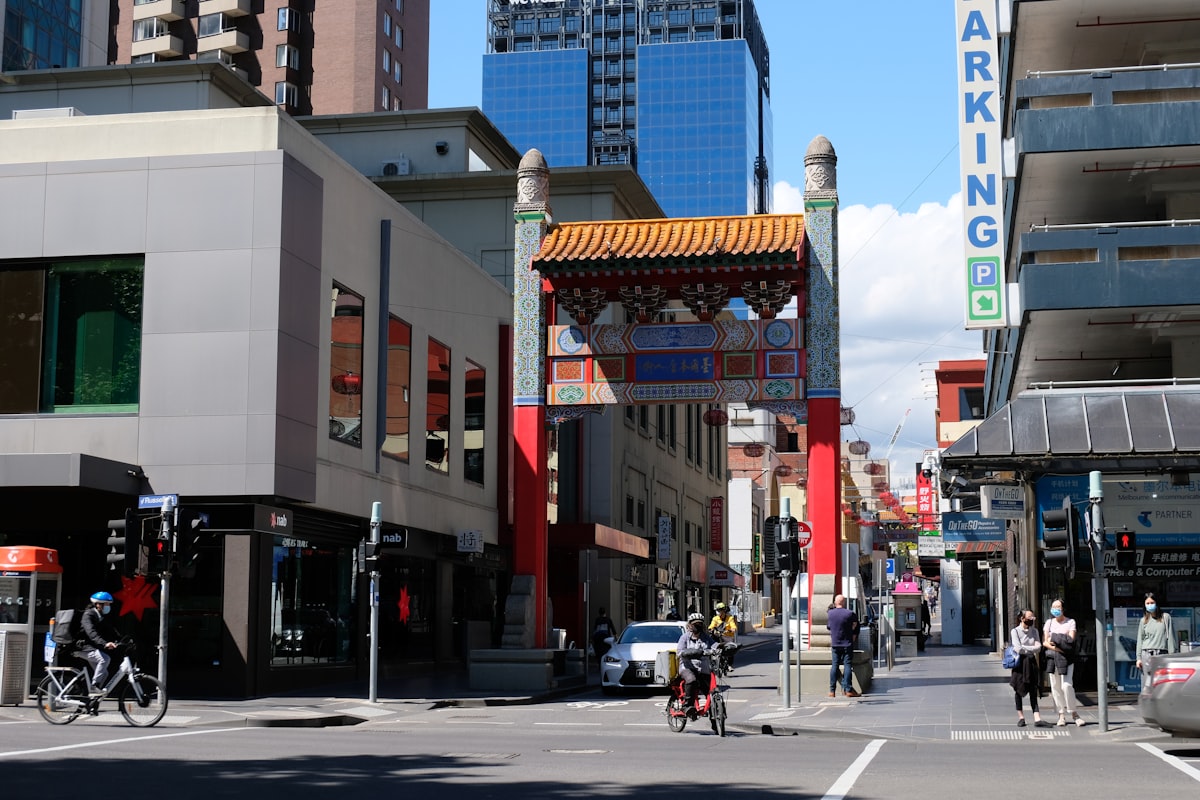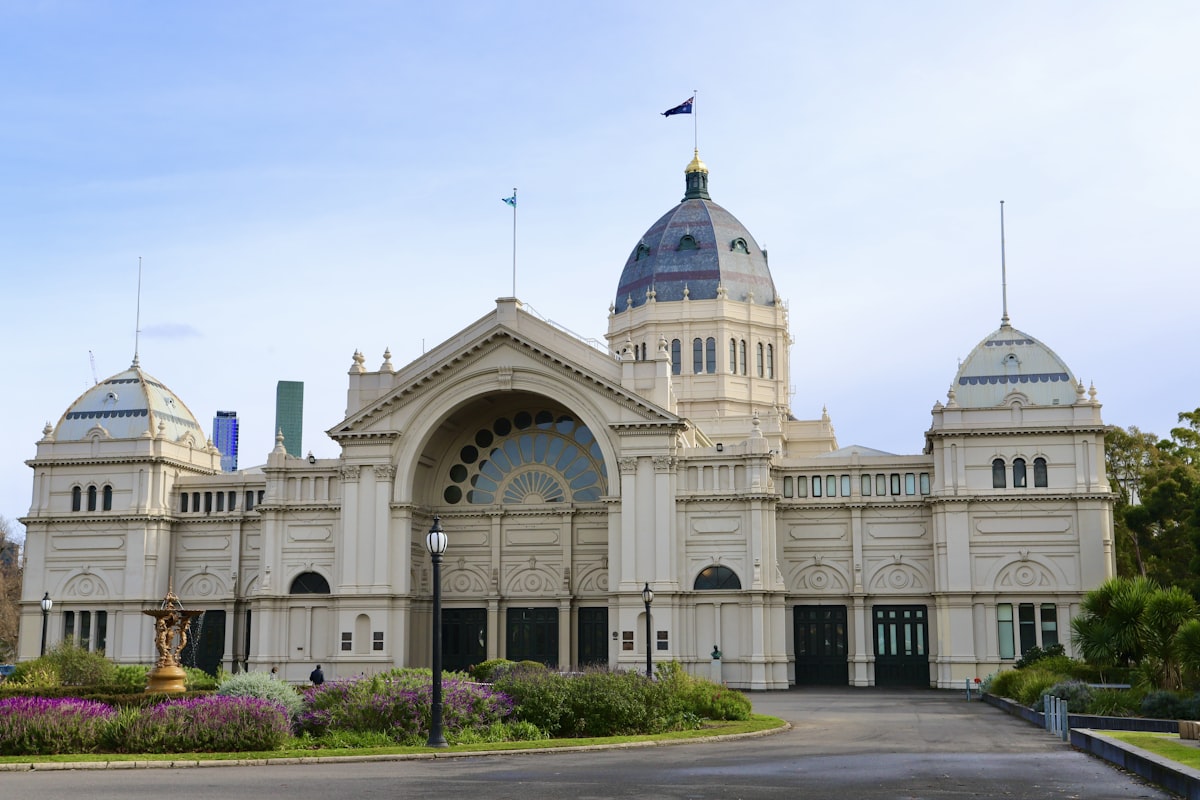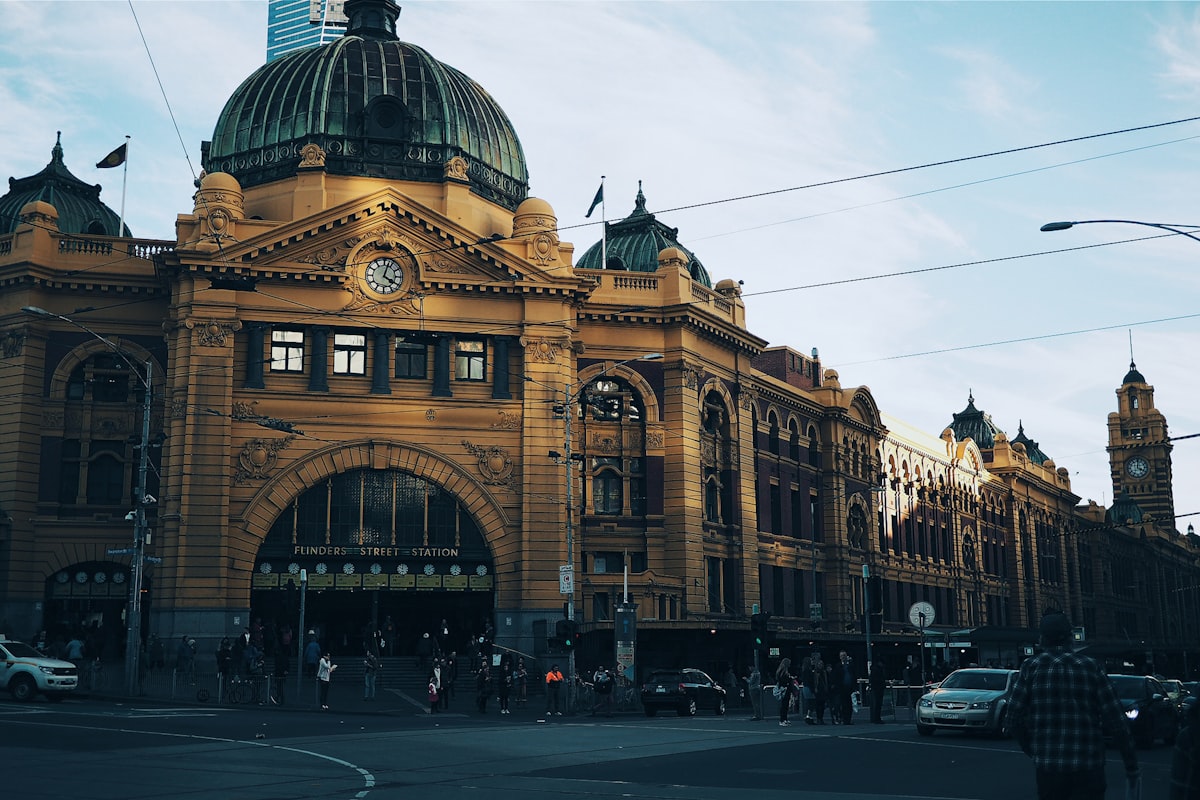
I’ll be straight with you. The lifestyle content circulating about inner-Melbourne in 2026 is a mix of real picks, stale picks, and posts dressed up as picks. This guide to late night food is for A12 inner-city tastemakers and the heavy internet users 18-29 who actually walk the streets they post about — anchored on Brunswick Street, Smith Street, Lygon Street, Sydney Road, Chapel Street, Bridge Road, Errol Street, Victoria Street, and the tram lines that thread them. I do not invent prices, hours, queue lengths, or social-media metrics. Anything I cannot confirm on a venue’s own site or a public dataset is framed as a check, not a fact. Criteria-led, scene-honest, no filler.
At a glance
| Criterion | What I verify in inner Melbourne |
|---|---|
| Source freshness | Anything older than 2-4 weeks online is a hint, not a fact |
| Primary data | Venue’s own Instagram or website beats every aggregator |
| Local pattern | What people actually do on a weekday vs what trends on Saturday |
| Hype filter | Treat any “best in Melbourne” claim without a public source as opinion |
| Walk test | I walk the strip at the time I’d actually use it before I commit |
| Budget anchor | I set a per-head or per-week number before the scroll starts |
| Honesty check | If a post reads like a brochure with no disclosure, I move on |
The shortlist — what I actually filter on
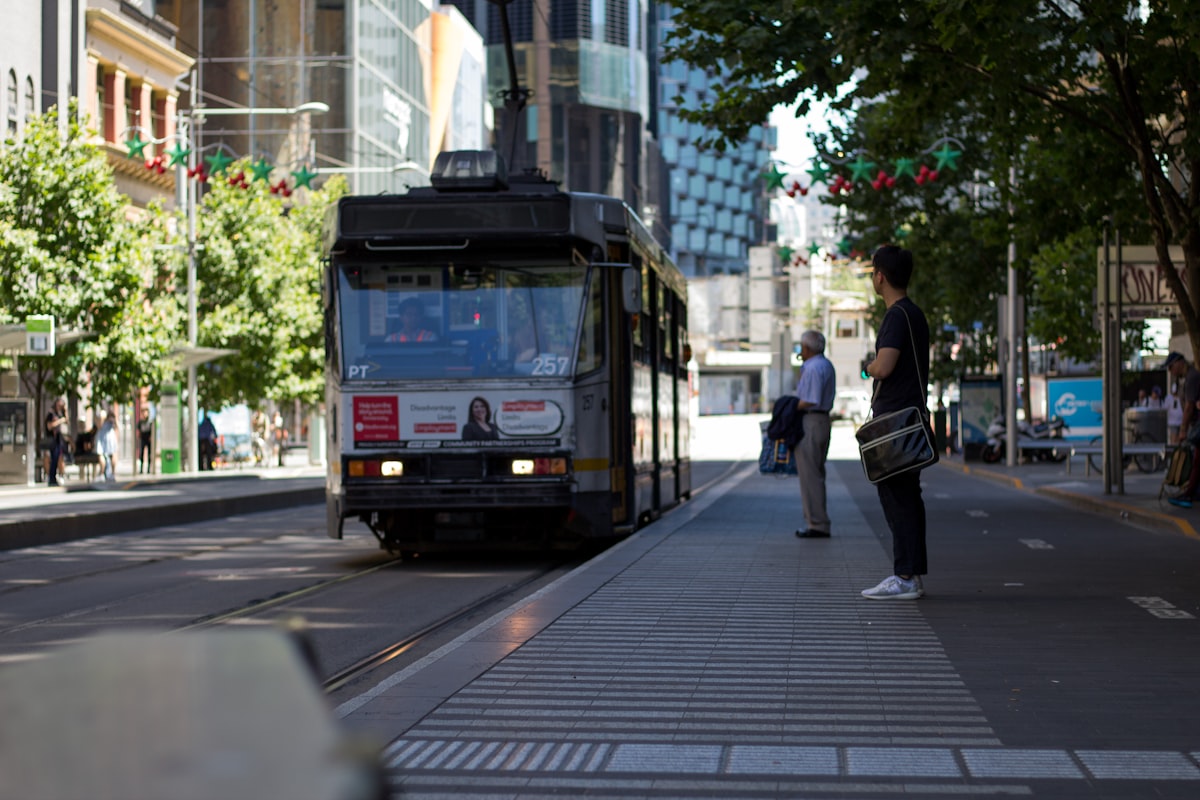
- Anchor on a transport node. Tram, train, or a 10-minute walk from one — anything further turns a quick late night food run into a logistics exercise. Inner-Melbourne is built for the 11/19/57/86 trams and the Upfield/Mernda/Frankston lines.
- Use the venue’s own channels first. Instagram and websites move faster than aggregators. A Maps listing can lag a closure by months.
- Filter for the experience you actually want. “Best late night food” without a criterion is marketing copy. Pick one filter (price, vibe, dietary, accessibility) and apply it before you scroll.
- Read the patterns, not the spikes. A venue with 800 reviews and a 4.5 average tells you more than one with 12 reviews and a 4.9.
- Cross-check against a public dataset. Domain medians, REIV monthly, ABS demographics, VicRoads count data — whichever applies — anchors the conversation in something verifiable.
- Walk the strip yourself. Thirty minutes on Brunswick Street or Smith Street will tell you more than thirty Reddit comments.
- Save the link, then revisit. If the post still feels right after a 24-hour pause, it’s signal. If not, it was hype.
Tastemakers vs the hype — the honest gap
Here’s what I notice about inner-Melbourne late night food content in 2026.
What tastemakers actually do.
- Walk the strip at the time of day they’d use it — not at the time the photographer used it.
- Treat any “viral” post as a starting hint, not a destination plan.
- Cross-check on Maps, then on the venue’s own Instagram, then by phone if it costs money or time.
- Know which strips on Brunswick Street have quietly turned over in the last six months.
- Build a routine on patterns (a quiet 8am Tuesday, a busy 11am Saturday) rather than a single visit.
What heavy internet users do well.
- Aggregate signals across TikTok, Reddit, Maps reviews, and group chats — none of them on its own, all of them together.
- Ask specific, falsifiable questions in suburb subreddits (“is X actually open Tuesdays?”) rather than vague ones.
- Read comments before captions — caption claims are the marketing, comments are the audit trail.
- Save addresses offline because inner-Melbourne reception in basements and stairwells is unreliable.
What hype-led readers miss.
- Stale picks. The viral list from 2024 has venues that closed in 2025.
- Sponsored posts that don’t disclose. Treat any feed that reads like a brochure with caution.
- One-off metrics. “Queue around the block” is one Saturday — not a trend.
- The difference between “everyone is searching this” and “this is good”. They are not the same.
The reframe for late night food. A12 tastemakers don’t ask “what’s the best?” — they ask “what’s the best for me, this week, on these criteria?”. That’s the question this guide is built around.
Practical checks before you commit
- Confirm with the primary source. Venue website or Instagram for hospo; PTV journey planner for transport; Domain or REIV for property-adjacent stats. Aggregators lag.
- Set a budget before you scroll. Inner-Melbourne late night food can quietly drift $20-50 above your mental anchor once surcharges, tickets, and cabs land.
- Plan your transport before you commit. Last-tram and last-train timings in inner-Melbourne typically wrap between midnight and 1am — confirm on PTV the night you go.
- Check accessibility on the venue’s own page. Step access, accessible toilets, parking, hearing-loop info — third-party blogs are often out of date.
- Don’t build a routine on a single post. “Empty at 3pm Wednesday” can be true that one week and wrong the next. Pattern beats spike.
- Read the disclosure. Sponsored content has to be disclosed. Treat anything that doesn’t disclose but reads like a brochure with caution.
- Phone if it matters. If you’re driving in, dropping plans, or paying a deposit, a 30-second phone call is cheap insurance.
Watch-outs (the brutal truth)
- Listings move fast. Inner-Melbourne late night food listings are updated daily on busy strips like Brunswick Street. A pick from March can be stale by June.
- Photos vs reality. What you see on TikTok is the best 7 seconds of someone’s visit, edited for engagement. Walk it yourself.
- Single-source claims. If a viral post says a place is “always quiet on Tuesdays”, verify before you build a routine around it.
- Sponsored content. Posts that don’t disclose a partnership but read like a brochure are the ones to flag. Disclosure is required by ACMA — its absence is the warning.
- Search-volume claims. Anyone telling you “12 million searches” without linking the source is selling, not informing.
- Hours and rules change. Cafes, bars, gyms, GPs, and venues in inner-Melbourne pivot trading hours regularly. Always phone or check the venue’s own socials the day you go.
- The ’locals-only’ trope is half-true. There are quieter pockets locals favour, but most of the inner-Melbourne strip is well-known. Don’t pay a premium for “secret” picks.
FAQ
Are the hours and prices I see online current? Treat any third-party listing as a starting hint. Confirm on the venue’s own site or Instagram the day you go — inner-Melbourne pivots fast and TikToks lag.
Can I trust a TikTok or Reddit recommendation for inner-Melbourne late night food? Use it as a shortlist, not a guide. Cross-check the venue still exists, still trades the hours claimed, and matches your actual criteria (price, dietary, accessibility, vibe) before you commit.
What’s a realistic budget for inner-Melbourne late night food? Inner-Melbourne lifestyle costs commonly drift $20-50 above the mental anchor once surcharges, transport, tickets, and incidentals are in. Set a per-head or per-week number before you start the scroll.
How do I avoid the queue or peak crowd? Mid-morning weekdays and late afternoons typically beat Saturday lunchtime by 30+ minutes. Confirm with the venue or check live transport data on PTV rather than relying on a single “best time to visit” post.
Why are some places I saw online already closed? Hospo and venue turnover is high in inner-Melbourne’s busy strips like Brunswick Street and Smith Street. Always confirm the venue’s own Instagram is still active before you plan a trip around it.
Should I trust ‘best of inner Melbourne’ lists? Use them as a shortlist. Verify each pin against a public dataset or by walking the strip — and check the publish date. A list from 2023 is not 2026.
Verdict
Inner-Melbourne in 2026 still rewards the tastemakers who treat the feed as a shortlist, walk the strip themselves, and verify everything that costs them money or time. Anyone planning their late night food decision on a single TikTok, a single Reddit reply, or a single sponsored “best of” list will be disappointed about a third of the time. The trick is not to abandon the feed — it’s to read it like a local from Brunswick Street would: as a starting point, not a verdict.