
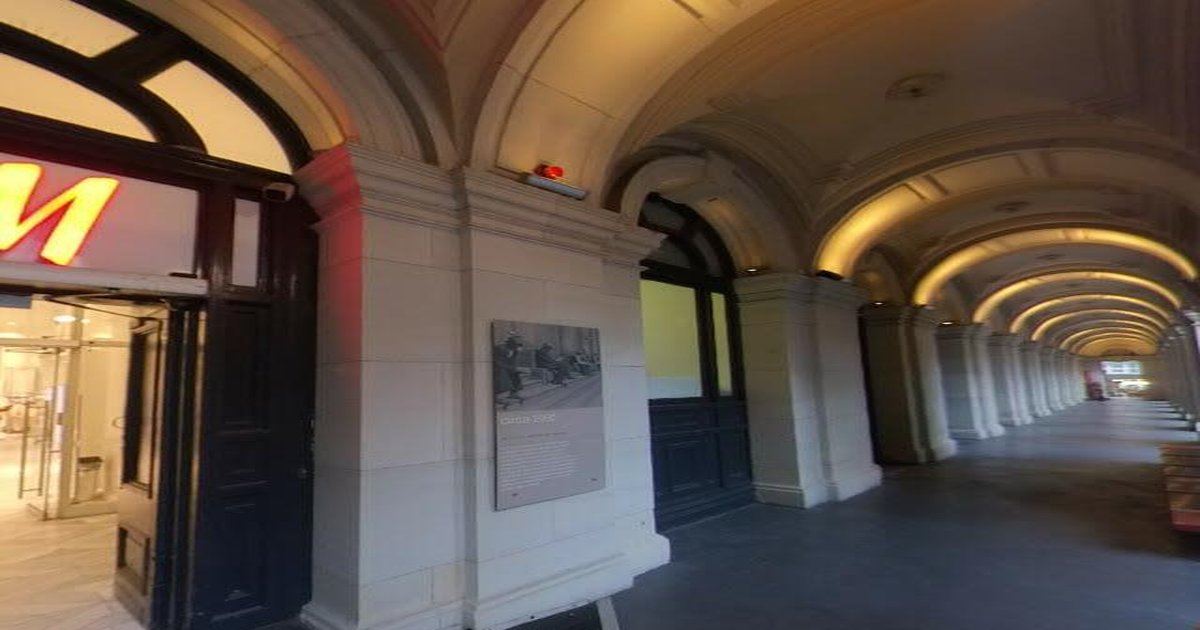
Buying in Melbourne CBD is a different proposition from buying in suburban Melbourne. There are almost no freestanding houses, the market is dominated by apartments, and the quality gap between buildings is enormous. Here is what you need to know before you sign anything.
What You Can Buy
One-bedroom apartments dominate the CBD market. Expect 40 to 55 square metres in newer towers, with prices ranging from $350,000 to $500,000 depending on floor level, aspect, and building quality. Older buildings on Lonsdale Street and La Trobe Street sit at the lower end. Newer developments on Collins Street and Flinders Lane command premiums.
Two-bedroom apartments range from $550,000 to $900,000 for a decent-quality unit with 65 to 85 square metres. The premium goes to buildings with city views, car parks, and quality finishes. A two-bedroom with a car park on Collins Street near the Paris End will push past $800,000.
Heritage conversions on Flinders Lane and Little Collins Street offer character that new towers cannot match — higher ceilings, exposed brick, and original architectural details. These attract buyers who want personality over pool access. Prices vary widely based on condition and size.
Penthouse and sub-penthouse apartments in premium towers start from $1.5 million and go well past $5 million for the top floors of buildings like Eureka (technically Southbank) or the newer developments near Southern Cross.
Body Corporate — The Number Everyone Underestimates
Strata fees in CBD apartment buildings range from $3,000 to $12,000 per year depending on building amenities and age. A building with a pool, gym, concierge, and shared rooftop will charge $8,000 to $12,000 annually on top of your mortgage. That is $670 to $1,000 per month before you have paid rates, insurance, or utility bills.
Check the building’s sinking fund and maintenance history before purchasing. Several CBD towers built between 2005 and 2015 have faced significant defect claims — cladding remediation, water ingress, and structural issues — that have resulted in special levies on owners.
Request the last three years of body corporate meeting minutes. They reveal upcoming maintenance costs, disputes between owners, and whether the building committee is competent.
Market Conditions in 2026
The CBD apartment market has been recovering steadily since the pandemic-era dip. International student demand has returned, pushing rental yields back up to 4.5 to 5.5 percent for well-located one-bedroom apartments. Vacancy rates sit under 2 percent, which means investor-grade apartments are renting quickly.
Purchase prices have not recovered to 2019 peaks in many buildings, creating an opportunity for buyers who are willing to hold for the medium term. The gap between quality buildings and investor-grade stock has widened — buildings with good management, solid construction, and genuine amenities hold value; cheaply built towers with tiny apartments and stacking issues do not.
Key Streets and Precincts
Collins Street (east of Russell) — The premium end. Higher prices, better finishes, proximity to the Paris End retail strip and Treasury Gardens. Lower yields but stronger capital growth historically.
Flinders Lane — The laneway dining and gallery precinct. Heritage conversions and newer boutique developments. Attracts owner-occupiers who value character.
Lonsdale and La Trobe Streets — The more affordable CBD corridors. Larger student and international resident populations. Higher yields, more transient tenant base.
Spencer Street / Southern Cross end — Larger newer towers, proximity to Southern Cross Station and Docklands. More affordable entry point but the neighbourhood feels less established.
FAQ
Is Melbourne CBD a good investment in 2026? For the right building, yes. Rental yields of 4.5 to 5.5 percent and vacancy rates under 2 percent support investor returns. But building selection matters enormously — a cheap apartment in a poorly managed tower will underperform.
Should I buy off the plan? Proceed with extreme caution. Several CBD off-the-plan purchases in the 2015-2020 period settled at values below what buyers paid. If you do buy off the plan, research the developer’s track record, inspect completed buildings by the same developer, and have your contract reviewed by a property lawyer.
How much are rates in the CBD? City of Melbourne rates for a CBD apartment typically run $1,200 to $2,500 per year depending on the property’s capital improved value.
The Verdict
Buying in Melbourne CBD makes sense if you are clear about what you are buying and why. The fundamentals — transport access, employment density, dining and cultural amenities — underpin ongoing demand. But the quality gap between well-built and poorly-built towers is wider than in any other Melbourne suburb. Inspect the building as carefully as you inspect the apartment. Request body corporate records. Check the sinking fund. And do not let a shiny display suite distract you from thin walls and a $10,000 annual strata bill.
More on Melbourne CBD: Rent Report 2026 | Cost of Living | The Complete Suburb Guide
Explore More of Melbourne CBD
- Melbourne CBD History
- Melbourne CBD Cocktails
- Melbourne CBD Melbourne Cbd For Retirees
- Melbourne CBD Cheap Eats
- Melbourne CBD Cheap Eats V2
- Melbourne CBD Rent Guide
- Melbourne CBD Best Restaurants V2
- Melbourne CBD Weekend Guide V2
💬 Discussion
Join the conversation — no account needed