You are weighing up retirement in Ormond and trying to separate the village-strip charm from the real-life compromises. The short answer: it works best if you want walkable services, familiar faces, public transport, and a suburb that still feels lived-in.
The Verdict
Ormond is the pick for retirees who want independence without feeling cut off. Choose it if your version of retirement is walking to coffee, doing small errands without the car, knowing a few shopfronts by habit, and still being able to get into the city or across to appointments without planning your whole day around transport. It is not a quiet coastal-style retirement bubble, and that is the point. Ormond feels like a real Melbourne suburb with retirees, families, renters, commuters, cafe regulars, and enough daily movement to stop things feeling stale.
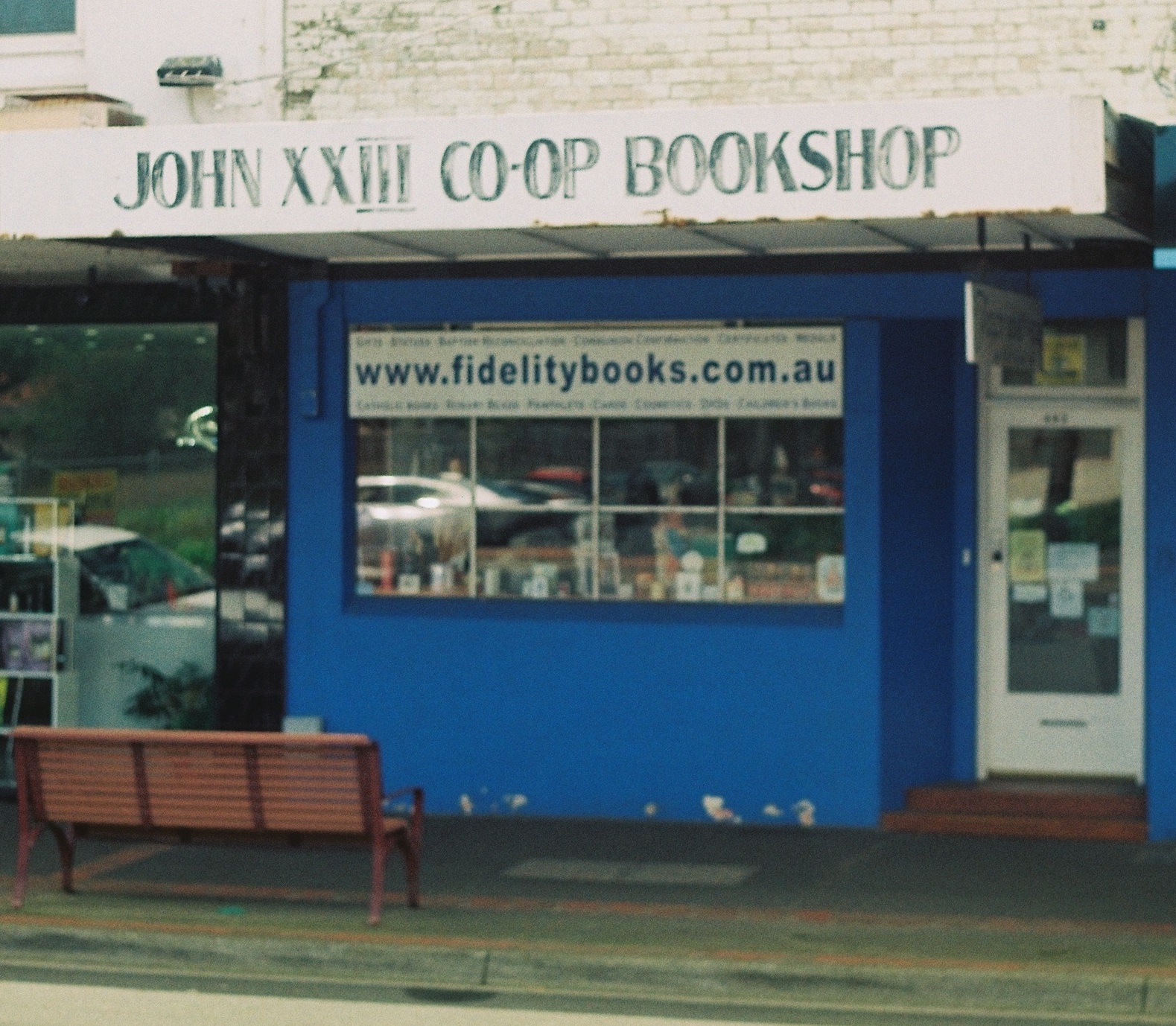
The strongest reason to consider Ormond is the daily convenience. The local shopping strip covers the basics: supermarket, chemist, newsagent-style errands, Australia Post, cafes, and enough dinner options for nights when cooking feels like a chore. Public transport also matters here. If you are trying to reduce driving, Ormond gives you a workable base for the city, medical appointments, shopping centres, and neighbouring suburbs. The best homes for retirees are not right on the busiest road, but a block or two back, where the noise drops and the walking access still holds. That is the sweet spot. Don’t buy into Ormond expecting total hush, easy parking at every hour, and a big garden at a bargain price. You’ll regret treating it like a country town with a train line.
What It’s Actually Like
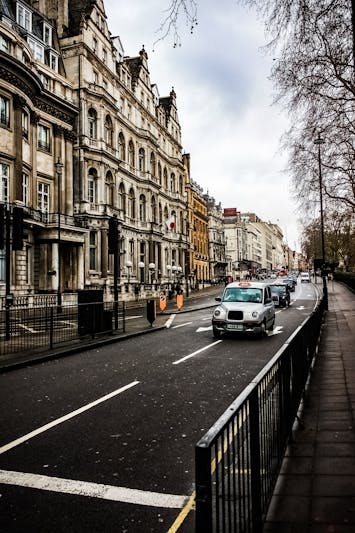
Ormond’s retirement appeal is street-level, not brochure-level. The suburb has a busy-and-quiet pattern that you need to understand before choosing a home. Around the main strip, cafe hours bring people, cars, short-stay parking pressure, and the usual stop-start movement of a functioning local centre. A block or two away, the residential streets settle down quickly. That difference matters. For retirees, the right address is often close enough to walk to the supermarket, chemist, cafes, and Australia Post, but far enough back that you are not listening to traffic every time the windows are open.
Getting around without a car is realistic for daily life. The footpaths are generally usable, the streets feel safe during the day and early evening, and the local rhythm is manageable rather than frantic. You can do simple errands on foot, meet someone for coffee, pick up medicine, post something, and get home without turning it into an expedition. For bigger medical needs, Ormond is not the whole answer. General practitioners, chemists, and medical centres are accessible, but specialist appointments will often mean travelling to a larger nearby hospital or another suburb. That is manageable by public transport or a short drive, but it is still a real factor if appointments are frequent.
The community feel is genuine, especially if you use the suburb rather than just sleep in it. Cafe regulars, park walkers, local shops, and community groups give Ormond the sort of familiarity that helps prevent isolation. You will probably start recognising faces. The warning: skip Ormond if your main priority is deep quiet, easy weekend parking, and a detached home with a generous garden. If you are west of the most convenient walking pocket or too far from the main strip, you may be better comparing Bentleigh, Glen Huntly, McKinnon, or Caulfield South before deciding.
Who This Suits
If you are a downsizer coming from a larger family home, pick Ormond if you want a smaller unit, townhouse, or apartment that still keeps you close to normal suburban life. If you are a cafe-and-errands retiree, aim for a home within comfortable walking distance of the main strip so the supermarket, chemist, post office, and coffee stops stay useful. If you are transport-first, prioritise public transport access and read the full Ormond Transport Guide before falling for a quieter pocket that is awkward day-to-day. If you are community-first, Ormond suits you best when you are willing to use the parks, cafes, and local groups often enough to become part of the suburb’s rhythm. If you are chasing silence, space, and easy parking above all else, Ormond is probably not your cleanest fit.
Cost expectations need a clear head. Ormond is not selling a cheap retirement fantasy. Downsizing options exist, including units, smaller townhouses, and apartments, and some newer developments suit people leaving larger homes. But the location premium is real. Places near the main strip are more practical for walking access, while quieter residential pockets can be calmer and sometimes feel more spacious. Bigger homes with gardens are at a premium, and parking near the shops can be competitive. For the fuller money picture, use Ormond Cost of Living alongside inspections, not after them.
Time of day changes the suburb. Morning and lunchtime cafe hours make the strip feel active. Weekends bring more competition around popular spots. Evenings are generally quieter, which many retirees will like, but it also means Ormond is not trying to be a late-night suburb. Inspect during the exact hours you expect to use it: weekday morning for errands, Saturday late morning for parking pressure, and early evening for noise. That will tell you more than a polished listing.
What to Do Next
Walk Ormond on a weekday morning before you inspect anything: supermarket, chemist, Australia Post, cafes, then one quiet residential street back. If it feels easy, keep going and read the full Ormond suburb guide before comparing properties.
More on Ormond:
Nearby suburbs: Bentleigh · Glen Huntly · McKinnon · Caulfield South
Data sourced from Google Places, OpenStreetMap, and ABS Census. Compiled April 2026. Found an error? Contact us.