Verdict Box
Parkville is one of the better inner-north bases for remote workers who need quiet, credible work infrastructure rather than a social coworking scene. The suburb works because the University of Melbourne, hospitals, research institutes and Melbourne Connect create a weekday environment where laptops are normal, meetings are easy to place, and public transport is unusually strong for a small suburb.
The trade-off is cost and access. A lot of the best work spots are tied to university, hospital or research ecosystems. Some areas feel open to the public; others are really built for students, staff, researchers and visitors. Cafes can be useful for a coffee and a focused hour, but Parkville is not the place to occupy a four-seat table through lunch with one flat white.
The honest call: Parkville suits remote workers who already have a reason to be near the university, Royal Melbourne Hospital, Royal Women’s Hospital, Royal Children’s Hospital, Peter MacCallum Cancer Centre, WEHI or the City North innovation precinct. It is less compelling if your work is fully location-free and you only want cheap rent plus a broad cafe strip. For that, Brunswick, North Melbourne or Carlton may give you more daily choice for less money.
At-a-Glance Table
| Factor | Parkville 2026 reality |
|---|---|
| Best for | Research, health, education, policy, biotech, university-linked founders, hybrid workers |
| Weak spot | High rent, limited pure-play coworking, campus crowding during semester |
| Main work anchors | Melbourne Connect, University of Melbourne libraries and cafes, Kathleen Syme Library nearby |
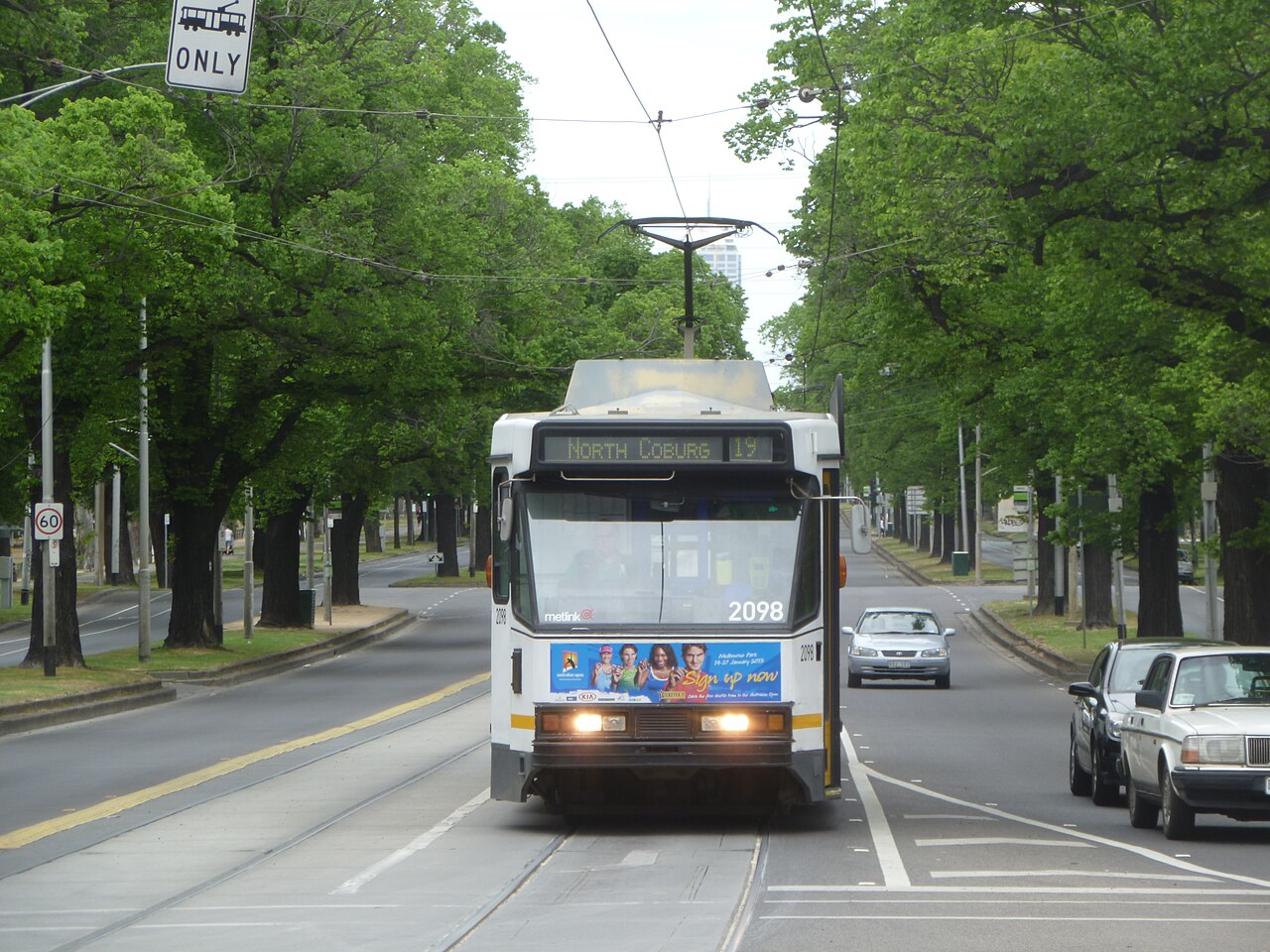
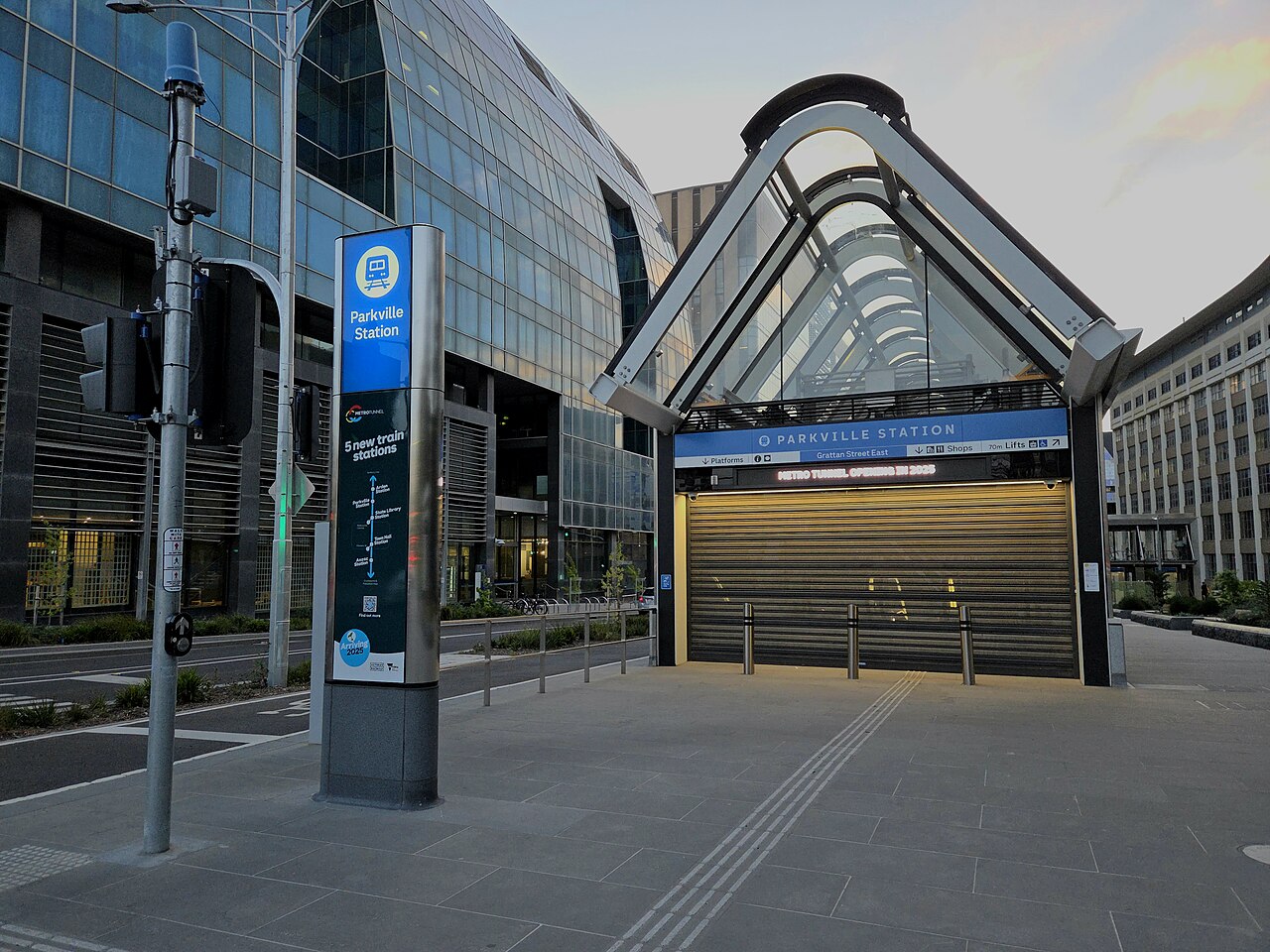
| Transport | Trams, Royal Park station, and Parkville Station via the Metro Tunnel precinct |
| Cafe-work style | Short sessions, off-peak laptop use, takeaway-friendly coffee |
| After-work reset | Royal Park, Princes Park edge, college streets, zoo-side walking loops |
| Property feel | Expensive houses, student-heavy apartments, institutional edges |
| Better alternative if budget matters | Brunswick or Kensington |
| Better alternative if nightlife matters | Carlton |
| Better alternative if you want CBD access first | North Melbourne |
Who It Suits
Maya, 31, health-tech product manager — needs quiet focus time, quick meetings near hospitals, and a professional-feeling suburb without CBD office towers.
The Research Contractor — works across university, biotech or medical projects and wants to move between campus, Melbourne Connect and hospital buildings without burning half the day.
Priya and Tom, hybrid renters — want a small apartment near Royal Park, use public transport more than a car, and value calm streets after screen-heavy workdays.
The Deep-Work Freelancer — likes libraries, early starts and weekday structure, but is disciplined enough not to treat small cafes as free offices.
Rent & Property Reality
Parkville’s rental market is not priced like a casual student suburb, even though students are a major part of the daily population. The reason is simple: the suburb is tiny in practical housing terms and sits beside major institutions that create constant demand. The University of Melbourne, Royal Melbourne Hospital, Royal Women’s Hospital, Royal Children’s Hospital, Peter MacCallum Cancer Centre and research institutes all pull workers, students, visiting academics and medical families into the same rental pool.
Current market profiles show the split clearly. realestate.com.au’s Parkville profile reports median property prices over the past year around $1.8 million for houses and $475,000 for units, with houses renting around $1,100 per week and units around $570 per week. Domain’s Parkville profile also shows a high-value, low-volume market, especially for houses. Treat those figures as market indicators rather than a guarantee for any one lease, because Parkville stock ranges from student apartments to large heritage houses.
For remote workers, the key cost question is not just weekly rent. It is whether the suburb saves enough time and friction to justify the premium. If you need to be at the university or hospitals two or three times a week, Parkville can make sense. A 15-minute walk to a lab, clinic, lecture theatre or grant meeting has value. If your clients are online and your only requirement is a desk, you may be paying for institutional proximity you do not use.
The ABS 2021 Census recorded Parkville with 7,074 residents, a median age of 26 and median weekly rent of $396 at the time. That census rent figure is useful for demographic context, not as a 2026 asking-rent guide. The 2026 renter should assume a much tighter market than the 2021 snapshot suggests, especially for well-located one-bedroom apartments, newer student-style buildings and any dwelling with a genuine separate work area.
Remote-work renters should inspect for three practical things: internal noise, natural light and desk placement. Many apartments marketed as convenient are small enough that the workday happens beside the bed. That is fine for a semester or short contract, but draining for a permanent remote setup. A slightly older unit with a real living room can beat a newer studio if you are on video calls every day.
Parking is another quiet cost. Parkville has permit zones, institutional traffic and event pressure around Royal Park and the zoo. If you can live car-light, the suburb rewards you. If you need a car for regional client visits, check parking rights before getting emotionally attached to a listing.
Local Reality & Pockets
Parkville is not one uniform remote-work suburb. It has distinct pockets, and your experience changes street by street.
The university and Grattan Street edge is the most useful work zone. This is where you get campus cafes, libraries, lecture buildings, student energy and quick access to Melbourne Connect. It is convenient, but it can feel crowded during semester. For remote workers, the best rhythm is to use this area early, between meetings, or outside peak lunch periods.
The hospital precinct around Royal Parade, Flemington Road and Grattan Street is more serious and less leisurely. It works well for clinicians, researchers, policy contractors and health administrators who need to move between appointments. It is not the place to expect relaxed cafe lingering. People are usually there for work, treatment, family visits or shift changes.
The Royal Park side gives Parkville its strongest daily-living advantage. If your work is screen-heavy, being able to walk through open parkland after a long day matters. Royal Park also changes the mental feel of the suburb: less retail convenience, more breathing room. The downside is that some homes are farther from the cafe and campus core, so the daily routine can involve more walking or tram planning.
The residential college streets are attractive, but they are not always quiet in the way outsiders expect. Term dates, student movement, events and late-night returns can affect the soundscape. If you work early mornings or do audio-heavy work, inspect at more than one time of day.
The northern edge toward Brunswick and Princes Park gives you more access to Sydney Road, Lygon Street and broader inner-north food options. It is often the most practical pocket for someone who wants Parkville calm but does not want to rely only on Parkville’s own limited retail scene.
For actual coworking, Melbourne Connect is the obvious local anchor. It sits at 700 Swanston Street in the Parkville campus orbit and is built around technology, research, entrepreneurship and university-linked activity. That makes it more relevant to founders, researchers and innovation teams than to someone who just wants a cheap desk twice a month. Nearby Carlton and the CBD broaden the options quickly if you need more conventional coworking memberships.
Kathleen Syme Library and Community Centre in Carlton is also part of the real Parkville remote-work map, even though it is technically over the suburb line. It offers library space, meeting rooms, free wi-fi and a location that works well from the university side of Parkville. For freelancers and students, it is often a better long-session option than a small cafe.
Signature Craving
The signature Parkville remote-work craving is not a long brunch. It is a proper coffee between focused blocks, ideally somewhere you can get in, reset, and leave without turning the place into your office.
Standing Room on the University of Melbourne Parkville campus fits that pattern. It is known as a compact coffee stop rather than a sprawl-out workspace, which is exactly why it makes sense here. Use it for a standing espresso, a takeaway before a meeting, or a short pause after library time. Do not build your entire workday around getting a table there.
Professor’s Walk Cafe near Baillieu Library is another useful campus option, especially if your day already revolves around library work or meetings on the south-western campus edge. Science Gallery Cafe at Melbourne Connect gives a more innovation-precinct feel and is convenient when your day includes the Swanston Street side.
The rule in Parkville is simple: cafes are punctuation, not the paragraph. Buy properly, avoid peak lunch loitering, keep calls out of small rooms, and move to a library, office, home desk or booked meeting room when the work session becomes serious.
Comparisons Table
| Suburb | Remote-work advantage | Main drawback | Who should choose it over Parkville |
|---|---|---|---|
| Parkville | Best access to university, hospitals, Royal Park and research precincts | Expensive rent and limited casual coworking depth | Health, research, education and biotech workers |
| Carlton | More food, evening activity and public library access | Busier streets and more student-night noise | Remote workers who want more after-hours options |
| North Melbourne | Strong CBD access, practical apartments, growing Arden link | Less campus-specific and patchy street feel by pocket | Hybrid workers with CBD clients |
| Brunswick | More cafes, lower relative rent pressure, stronger social life | Longer trip to hospitals and university core | Freelancers who want choice and budget flexibility |
| Kensington | Quieter village feel, good train access, more residential pace | Less useful for university-hospital meetings | Remote workers who want calm over institutional access |
Trust Block
Author: Aisha Osman
Research window: Updated May 2026 using suburb profiles, public transport project information, ABS Census 2021 data, council library information and verified local venue references.
Local lens: This article is written for renters and hybrid workers deciding whether Parkville’s university, hospital and research access is worth the rent premium.
Fact posture: Property figures move quickly. Treat quoted rents and prices as current market signals, then check live listings before signing a lease.
Editorial note: Parkville has real work infrastructure, but it is not being sold here as a cheap laptop-cafe suburb. The suburb’s value is proximity to serious institutions and green space.
FAQ
Q: Is Parkville good for remote workers in 2026?
A: Yes, if your work benefits from proximity to the University of Melbourne, hospitals, research institutes or Melbourne Connect. It is less persuasive if you just want affordable rent and lots of casual cafes.
Q: Are there coworking spaces in Parkville?
A: Melbourne Connect is the main local coworking and innovation-precinct reference point. For broader coworking choice, look into Carlton, North Melbourne and the CBD as well.
Q: Can I work all day from cafes in Parkville?
A: Usually not comfortably. Many cafes are compact or campus-oriented. They work better for short sessions, coffee breaks and between-meeting resets than full-day laptop use.
Q: What is the best public long-session work option nearby?
A: Kathleen Syme Library and Community Centre in Carlton is a practical nearby option, with library facilities, free wi-fi and meeting spaces. University libraries may be excellent if you have access.
Q: Is Parkville expensive to rent?
A: Yes. Current suburb profiles show unit rents around the high-$500s per week and house rents around $1,100 per week. Share rooms vary widely by lease type, building and season.
Q: Which part of Parkville is best for hybrid workers?
A: The Grattan Street, Swanston Street and Royal Parade edges are best if you need the university or hospitals. The Royal Park side is better if your priority is quiet and green space.
Q: Do you need a car in Parkville?
A: Most remote workers can live without one if their life is inner-city based. Trams, trains, cycling and walking cover many daily needs. A car adds parking complexity.
Q: Is Parkville quiet during the workday?
A: Residential streets can be quiet, but the institutional core is busy during semester and hospital shift periods. Inspect at the time you expect to work, not just on a weekend afternoon.
Q: How does Parkville compare with Carlton for remote work?
A: Parkville is stronger for research, health and deep-focus routines. Carlton has more food, bars, public library access and evening life. Choose based on whether your workday or after-work life matters more.
Q: Is Parkville suitable for founders?
A: It can be, especially for university-linked, med-tech, biotech, education or research commercialisation work. A general software founder may find better value in the CBD, Cremorne or Brunswick.
Q: What should renters inspect for if working from home?
A: Check desk space, call privacy, mobile reception, building noise, natural light, heating and cooling. A cheap studio can become expensive if it makes daily work miserable.
Q: Is Royal Park useful for remote workers?
A: Yes. It is one of Parkville’s biggest advantages. A proper walk before or after work can make the suburb feel more liveable than denser inner-city alternatives.