You walk through Parkville and the old money is obvious, but the real story is sharper: a well-kept suburb that kept having to argue for what stayed, what changed, and who got priced out along the way.
The Verdict
Parkville’s history is best read as a long defence of status, space, and community against Melbourne’s constant pressure to build, expand, and modernise. If you only take one thing from this article, take this: Parkville was never just a pretty residential pocket near the city. Its identity comes from the tension between established streets, public institutions, green space, and the slow creep of development around them.
The suburb began as one of Melbourne’s more well-to-do addresses, and you can still feel that in the street grid, older housing stock, and formal community institutions. It was shaped by the city’s outward growth from the Yarra, but it never became a blank commuter suburb. Parkville held onto a particular kind of Melbourne confidence: close to the city centre, visibly planned, and built around parks and public space rather than pure retail bustle. Over the 20th century, its working and community years added another layer: pubs, sports clubs, church halls, neighbours who knew each other because they shared routines, not branding.
The easy version is to call Parkville “heritage meets gentrification” and move on. That misses the point. The suburb’s most interesting chapter is the argument between preservation and upgrade: better infrastructure, safer streets, higher values, more cafes and restaurants, but also demolished buildings, closed local institutions, and people who could no longer afford to stay. Don’t read Parkville as a sleepy old suburb that simply became desirable. You’ll regret that shortcut, because the local story is really about who got to keep belonging once the suburb became more valuable.
What It’s Actually Like
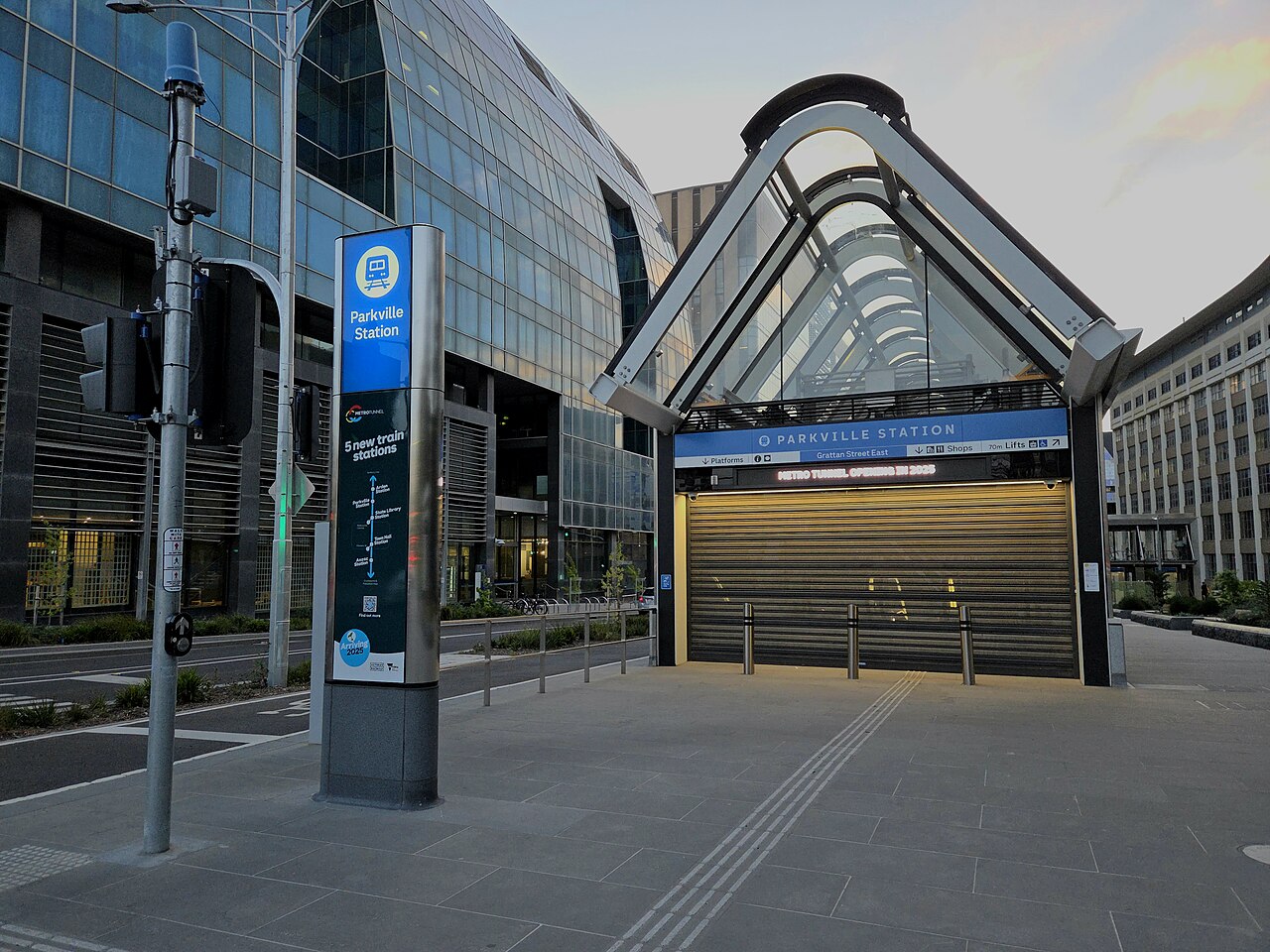
Parkville’s history is visible because the suburb has not been scraped clean. Walk it properly and you see old buildings beside newer apartments, established residents beside newcomers, and traditional local habits beside the more polished version of inner Melbourne life. The historic feel is not hidden in a museum-style strip; it sits in the housing stock, the street layout, the parks, and the way the suburb still feels more residential than performative.
Royal Park is the obvious anchor. It gives Parkville a different rhythm from denser neighbours like Carlton and North Melbourne, where the street life is louder and the commercial strips do more of the talking. Parkville’s public spaces matter because they explain why development pressure here has always felt sensitive. When a suburb’s value is tied to green space, quiet streets, and proximity to the city centre, every new building feels like a negotiation over the suburb’s personality.
The Yarra matters in the broader Melbourne story too, because Parkville’s growth belongs to the city’s expansion out from that original centre. It was settled and reshaped as Melbourne needed more housing, more institutional space, and more well-connected inner suburbs. That explains why the place can feel both old and strategic: not remote, not accidental, and not especially loose in its layout.
Skip the romantic version if you want a simple “old Melbourne was better” story. Parkville gained things through change: better food options, improved infrastructure, more cultural activity, safer streets, and higher property values for people who already owned. But the gains were uneven. Long-term residents carry frustration because losses were specific: buildings demolished, affordable shops gone, local institutions weakened, people priced out. If you are west of the strongest Parkville pull toward Royal Park, it is worth looking at North Melbourne’s history too; the working-suburb story is more visible there.
Who This Suits
If you are a new Parkville resident, read the suburb as layers rather than nostalgia. The older homes, formal streets, and green space explain why people defend the place so strongly. If you are a renter trying to understand why prices feel unforgiving, follow the money: Parkville’s heritage feel, city access, and public-space advantage made demand almost inevitable. If you are a buyer, the history tells you why values hold up, but also why development debates will keep happening. If you are a history walker, start with the parks, the older residential streets, and the contrast with Carlton and North Melbourne rather than hunting for one perfect landmark.
Cost expectations are part of the story. Parkville’s shift brought higher property values for existing owners and higher barriers for everyone arriving later. The old suburb may have had more affordable shops and less polished daily life, but the modern version is priced around scarcity: inner-city access, green space, established housing, and a name that carries status. That does not make every change bad, but it does mean “improvement” was never free. Someone paid for it, often through rent, displacement, or the disappearance of ordinary local places.
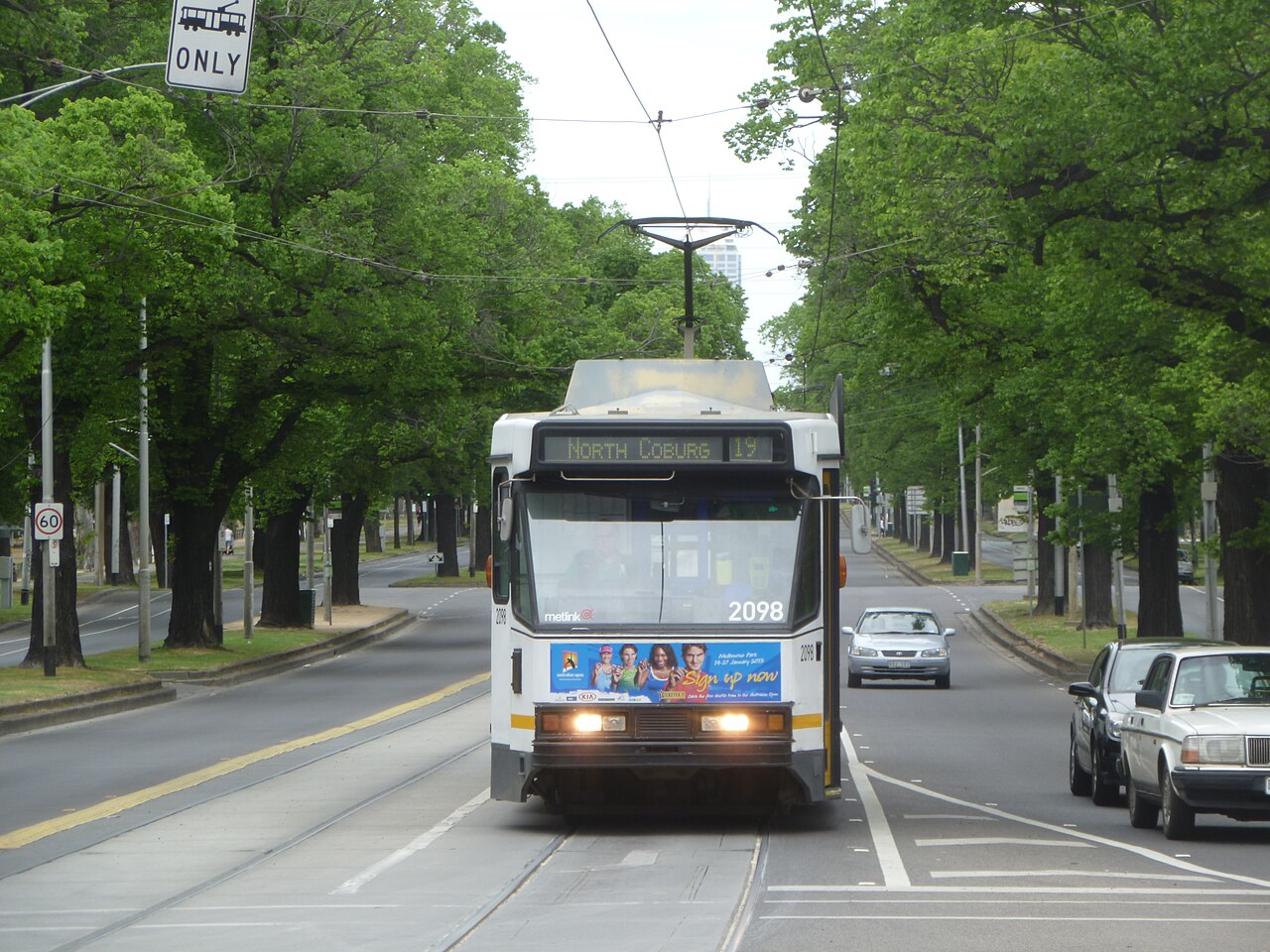
Time of day changes how the history feels. In quieter hours, Parkville reads as residential and layered: old buildings, parks, and a suburb that still has room to breathe. During busier periods, the modern pressure shows more clearly through traffic, new apartments, and the sense that the suburb is constantly being asked to absorb more demand. Season matters too. In good weather, Royal Park makes the suburb’s public-space advantage obvious. In duller months, you notice the built fabric more: the houses, the institutions, the careful old bones of the place.
What to Do Next
Walk Parkville slowly around Royal Park, then compare it with Carlton or North Melbourne so the differences are obvious. For the current suburb picture, read the Parkville living guide before you decide what the history means today.