Verdict Box
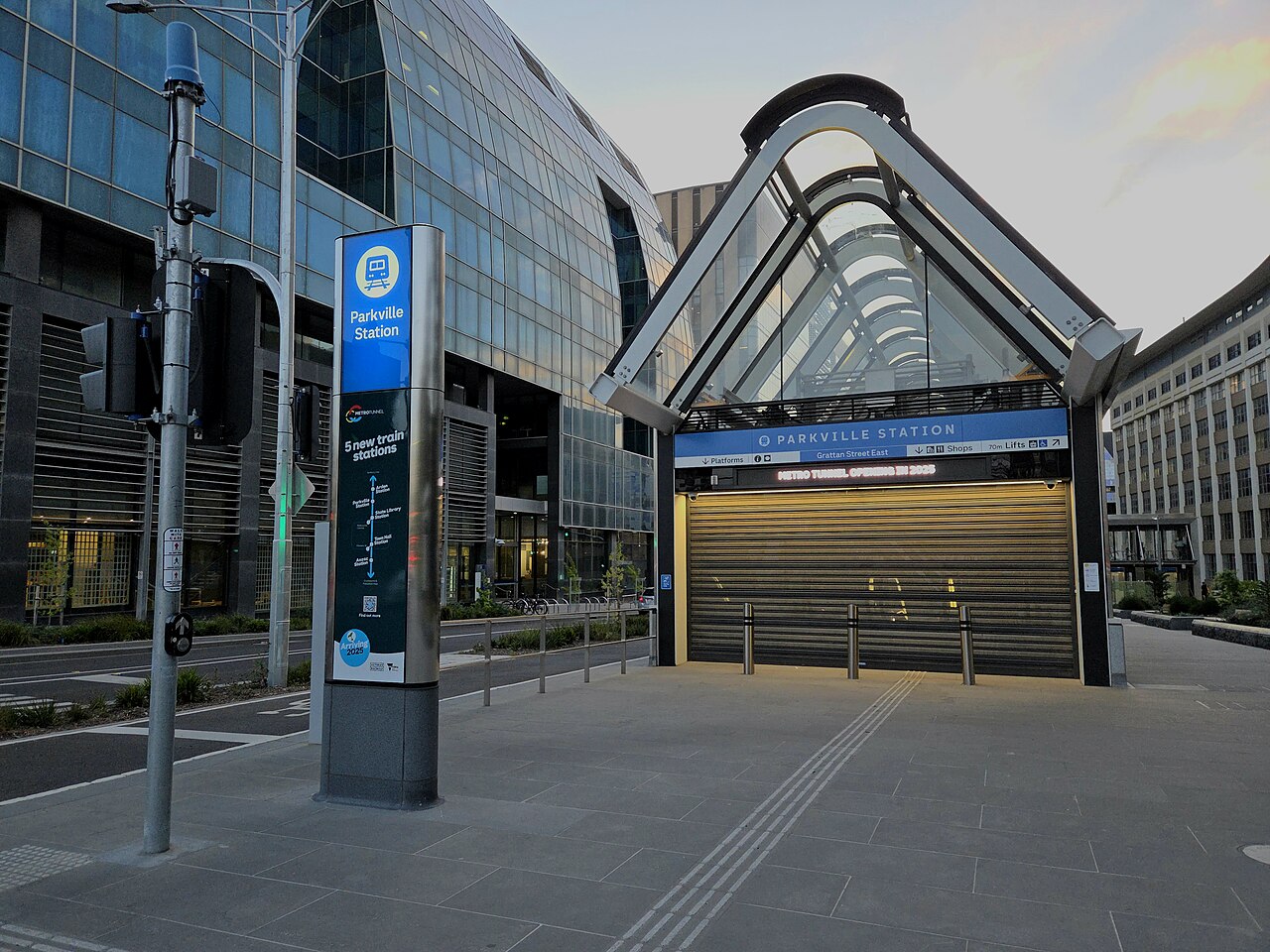
Best for / Families who want Royal Park, the hospital precinct, university access and a quieter inner-north address without needing a shopping strip at the front door. Skip if / You want a big detached house under pressure-free rent, easy visitor parking, or a primary-school-and-cafe rhythm on every corner. Rent pressure / High. One-bedroom units sit around the high-$400s weekly and family houses jump hard because there is not much supply. Commute reality / Excellent on paper: trams on Royal Parade and Flemington Road, cycling into the CBD, and quick access to hospitals. School-run traffic can still bite. Food scene / Thin inside Parkville itself. Most family meals out mean Carlton, North Melbourne, Brunswick or Lygon Street. Family fit / Strong for parkland, medical access and older kids; less easy for toddlers if you need shops, childcare and play dates all within one block. Overall score / 7.5/10 for the right family, 5.5/10 for anyone expecting suburban convenience.
At-a-Glance Table
| Factor | Parkville 2026 |
|---|---|
| LGA | Melbourne City Council |
| Postcode | 3052 |
| Geographic tier | Inner |
| Region | inner-cbd |
| Transport grade | B |
| Overall grade | B |
Who It Suits
Anika and Ravi, hospital-roster parents — value short commutes to Royal Melbourne, Royal Children’s and the university precinct more than backyard size. The Royal Park family — wants weekend sport, bikes, playgrounds and open grass to do the heavy lifting. The high-school-planning household — is deliberately positioning near University High School access, trams and older-kid independence.
Rent & Property Reality
Median 1-bedroom rent in Parkville is about $488 per week on REA’s current suburb data, while broader studio-and-1-bedroom unit reporting has sat around $490 per week with an 8.88% annual lift; REA’s Parkville renter snapshot also puts the overall unit median at $560 per week based on 325 rental listings, with 1-bedroom units shown at $488 per week: realestate.com.au Parkville rental trends. Treat that number carefully. Parkville’s rental market is not a neat grid of comparable apartments. It is a small suburb split between heritage houses near Royal Parade, institutional land around the hospitals and university, and newer apartment stock around Galada Avenue, Cade Way and Manningham Street. A single median can hide very different family experiences.
For families, the important number is not the 1-bedroom figure itself; it is the floor it creates. If a compact apartment already costs close to $500 weekly, a proper family rental with two or three bedrooms moves quickly into a different bracket. REA’s snapshot shows Parkville houses at a $1,050 per week median, down 7% year on year, but that fall does not mean families suddenly have leverage. It reflects a small sample and a market where only a limited number of houses are offered. When a house in the right street appears, it can still attract parents who work in the medical precinct, university staff, relocating academics and families trying to sit near University High School.
The practical read: Parkville rewards households with a precise reason to be here. If your week is built around Royal Children’s Hospital, Royal Melbourne Hospital, the University of Melbourne, trams on Royal Parade, and Royal Park, the rent can make sense because you buy back time. If your reason is simply “inner north but quieter,” compare North Melbourne, Brunswick West, Carlton North and Flemington before signing. You may get more retail, more rental choice, or a slightly easier three-bedroom search. Also check whether the advertised home has heating, cooling, storage and parking, because older Parkville houses can look beautiful online and still behave like expensive maintenance projects in winter.
Local Reality & Pockets
Parkville is not one uniform family suburb. The pocket south and east of Royal Park, around The Avenue, Story Street, Leonard Street, Morrah Street and parts of Gatehouse Street, is the version many families picture: older housing, leafy streets, quick park access and a quieter evening feel. These streets work best if your household values walking, cycling and tram access over a garage full of gear. The closer you get to Royal Parade, the more convenient the tram becomes, but the more you need to listen for traffic before falling in love with a facade.
Flemington Road is a different proposition. It is useful for hospital workers and public transport, but it carries tram noise, traffic and emergency-vehicle movement. That can be fine for adults and older children who sleep heavily; it is less charming with a baby, a front bedroom and single glazing. Grattan Street and the university edge bring student movement and construction pulses. Around Galada Avenue, Cade Way and Manningham Street, the newer apartment stock can be practical, especially for small families or separated parents, but inspect storage, lift noise, parking allocation and how far the walk feels with groceries or a pram.
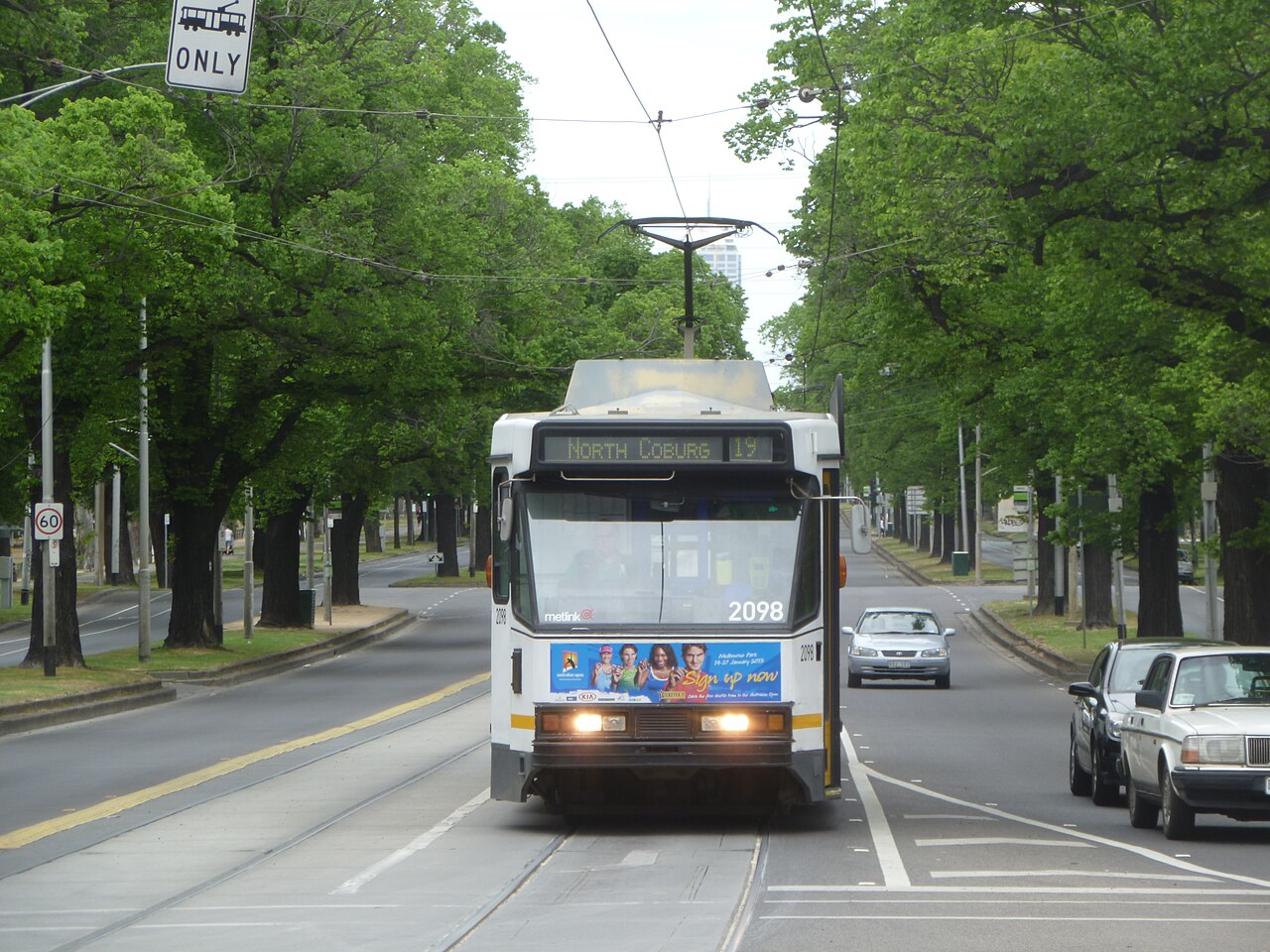
For transport, Royal Parade trams are the spine. Cycling into the CBD, Carlton, Brunswick and North Melbourne is genuinely workable, and Royal Park gives children a rare amount of open space so close to the city. Parking is the tradeoff. Permit rules, hospital visitors, university activity and event-day pressure can make “easy parking” a risky assumption. If you have two cars, verify permits before you apply, not after approval.
Two gotchas matter. First, Parkville’s calm can be institutional rather than village-like: hospitals, the zoo, university buildings and parkland occupy huge chunks, so everyday retail is thinner than the map suggests. Second, school logistics need checking street by street. Do not assume a Parkville address gives you the exact school path you want; verify the current zone and enrolment rules before you make the lease or purchase decision.
Signature Craving
Parkville itself is more residential, parkland and institutional than dinner-strip suburb, so the honest family craving usually happens just over the border. The reliable move is Brunetti Classico on Lygon Street in Carlton: coffee for the adults, cakes that solve a wet Saturday, and enough surrounding food options that nobody has to pretend a quiet Parkville street is a restaurant precinct. That is the pattern here. You live in Parkville for Royal Park, trams, hospitals, university access and calm evenings, then you borrow Carlton or North Melbourne when the household needs food with a bit more choice. If you want a suburb where the local strip is part of the daily identity, Parkville may feel too restrained. If you like separating home calm from eating-out noise, it makes more sense.
Comparisons Table
| Suburb | Transport | Tier | Region |
|---|---|---|---|
| Parkville | B | Inner | inner-cbd |
| Carlton | A+ | Inner | inner-cbd |
| Carlton North | C+ | Inner | inner-cbd |
| Docklands | B | Inner | inner-cbd |
Trust Block
Author: Priya Sharma — Family-and-community correspondent; reads council planning notices for fun.
Data: data/melbourne_suburbs_master.json (Codex per-LGA enumeration, cross-checked vs VEC + Australia Post + ABS SA2 boundaries), data/suburb_scores.json (composite percentile grades), data/venues/.json (OpenStreetMap + Gemini-verified venue catalog).
Last reviewed: 2026-05-26. Not financial advice. We do not accept paid placements in editorial.
FAQ
Q: Is Parkville actually good for families in 2026? A: Yes, but only for a specific kind of family. Parkville is strong if you want Royal Park, short medical-precinct commutes, university access, cycling options and a quieter inner-north base. It is weaker if your family routine depends on a large local shopping strip, lots of rental choice, easy visitor parking and a big backyard. The suburb has excellent access to open space, but everyday convenience often sits just outside the boundary in Carlton, North Melbourne, Brunswick or Flemington.
Q: Which part of Parkville is best for a family rental? A: For a calmer family rental, start around The Avenue, Story Street, Leonard Street, Morrah Street and the streets facing or feeding into Royal Park. These pockets give you the Parkville upside: open space, older streetscapes, trams within reach and less late-night movement than the university edge. If you inspect near Royal Parade or Flemington Road, do it at peak hour and again at night. Traffic, tram noise and hospital movement can change the feel of a property dramatically.
Q: Is Parkville too expensive for families? A: For many families, yes. The issue is not just price; it is supply. Parkville has a small residential footprint, and a lot of land is tied up in hospitals, university facilities, the zoo and Royal Park. That means there are fewer family-sized homes available than in broader suburbs. One-bedroom unit figures near the high-$400s weekly set the lower edge of the market, while houses can sit around four figures weekly. Families need a strong reason to pay the premium.
Q: What are the main downsides of living in Parkville with kids? A: The main downsides are limited local retail, high rents, parking pressure and patchy housing choice. Parkville can look calm, but it is bordered by major institutions and arterial roads. Some homes are beautiful but old, with heating, insulation or maintenance issues that matter when children are involved. You also need to check school zones and childcare availability early. The suburb rewards organised families; it is less forgiving if you expect everything to be obvious after one inspection.
Q: Can kids get around Parkville independently? A: Older kids can, particularly if they are confident with trams, bikes and walking routes. Royal Parade gives strong tram access, Royal Park creates space for sport and outdoor time, and nearby Carlton and North Melbourne widen the after-school map. Younger children still need supervision around Flemington Road, Royal Parade, Grattan Street and hospital traffic. The suburb is not car-dependent in the outer-suburban sense, but road crossings and tram corridors need to be part of the family safety calculation.
Q: Is Parkville better for young kids or teenagers? A: Parkville arguably becomes easier as children get older. Toddlers and preschoolers benefit from Royal Park, but parents may notice the thin local retail and the need to travel for some activities, childcare or casual meals. Teenagers get more from the suburb: trams, bikes, the university edge, sports fields, libraries and access to Carlton, Brunswick and the CBD. If your children are close to high-school age, Parkville’s location can feel much more useful than it does during the pram-and-nap years.
Q: How bad is parking in Parkville? A: Parking is manageable only if you verify the exact address conditions. Some homes have off-street parking, some rely on permits, and some sit close enough to hospitals, university buildings or tram routes that visitor parking becomes a headache. Families with two cars should be cautious. Do not assume a quiet street equals easy parking. Check permit eligibility with the relevant council, inspect during business hours, and look at what happens when hospital shifts, university activity or weekend park use overlap.
Q: Does Parkville have enough food and shops for family life? A: Not inside the suburb in the way families might expect from Carlton North, Brunswick or North Melbourne. Parkville is excellent for parkland and institutional access, but its food and retail life is modest. Many households treat Carlton’s Lygon Street, North Melbourne village streets and Brunswick as their practical extensions. That can work well if you are happy to travel a few minutes for dinner, groceries or a treat. It will frustrate families who want a strong local strip around the corner.
Q: Should a family buy in Parkville or rent first? A: Rent first if you are new to the area and your budget allows it. Parkville’s pockets feel different street by street, and the wrong frontage can mean tram noise, traffic, parking stress or a colder old house than expected. Renting lets you test school runs, hospital commutes, Royal Park use and the reality of doing errands outside the suburb. Buying can make sense for long-term university, hospital or school-zone reasons, but it is an expensive way to discover you wanted more village convenience.