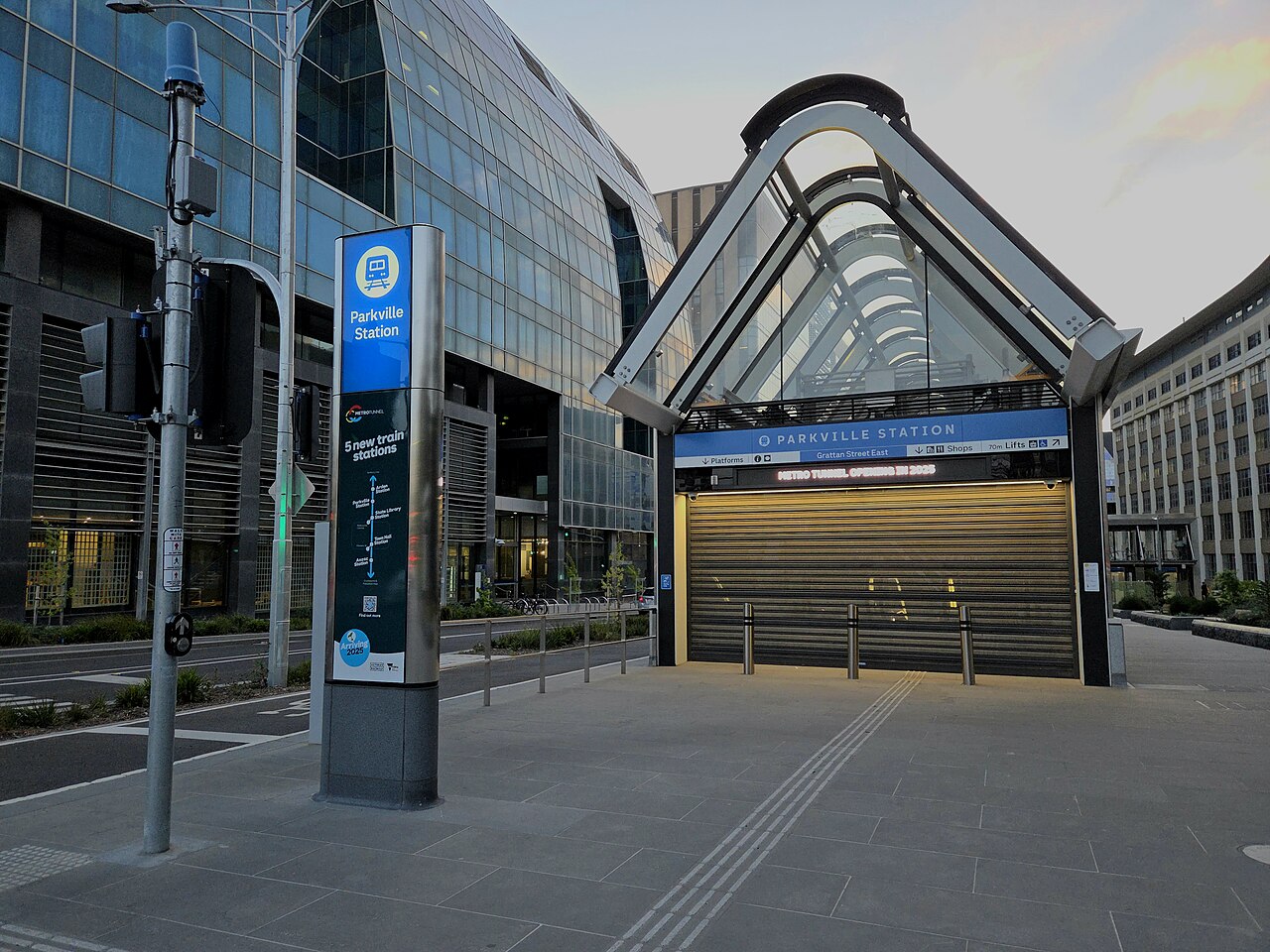
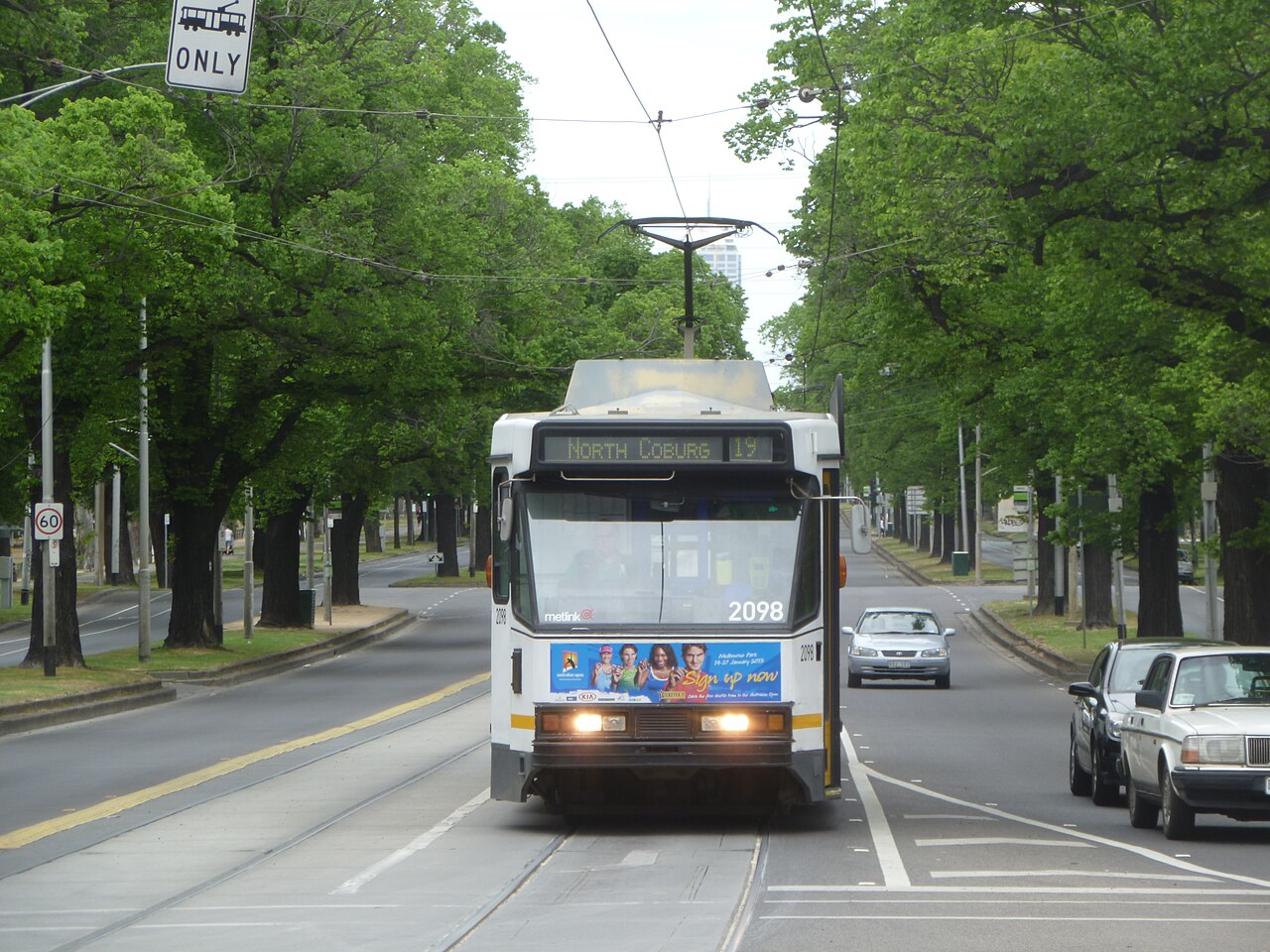
Verdict Box
Parkville is a strong retiree suburb for a particular kind of older Melburnian: someone who wants serious healthcare close by, usable public transport, Royal Park on the doorstep, and the city within easy reach without living inside the CBD grid. It is not a budget retirement pick, and it is not the most socially settled suburb in the inner north because the university, hospitals and rental apartments keep the population young and transient.
The biggest win is convenience. Royal Melbourne Hospital, the Royal Women’s Hospital, Peter MacCallum Cancer Centre, the Royal Children’s Hospital and multiple specialist clinics sit in or around the Parkville medical precinct. For retirees managing appointments, supporting a partner through treatment, or simply wanting confidence about emergency access, that is a real lifestyle factor rather than a brochure line.
The trade-off is price and rhythm. Parkville’s freestanding houses are scarce and expensive, apartments vary sharply by building, and some streets feel more institutional than residential. The suburb works best if you can live near Royal Park, Royal Parade, Parkville Gardens or the quieter heritage pockets, then use Carlton, North Melbourne and Brunswick for extra dining, shopping and services.
Verdict: Parkville is very good for retirees who are active, medically practical, public-transport comfortable and happy with an inner-city pace. It is weaker for retirees who want a traditional retirement village feel, a large single-level home, or lots of local retail within one flat main street.
At-a-Glance Table
| Factor | Parkville retiree reality in 2026 |
|---|---|
| Best for | Active retirees, downsizers, medical precinct users, park walkers, car-light households |
| Watch-outs | High house prices, limited detached stock, younger student population, event and hospital traffic |
| Transport | Route 19 on Royal Parade, Route 58 near Royal Park, Upfield train line at Royal Park and nearby stations |
| Green space | Royal Park is the major advantage: open grass, paths, zoo edge, sports areas and quieter walking pockets |
| Healthcare | One of the strongest suburbs in Victoria for hospital proximity |
| Daily shopping | Useful but not complete; many residents use Carlton, North Melbourne, Brunswick or the CBD |
| Housing style | Heritage terraces, large homes, apartments near institutions, newer stock around Parkville Gardens |
| Overall retiree score | High for access and lifestyle, medium for affordability and village feel |
Who It Suits
The Hospital-Practical Downsizer — wants to be near major medical care without moving into a clinical-feeling retirement complex.
The Royal Park Walker — values morning loops, open sky and a tram home more than beach access or suburban shopping centres.
Margaret, 68, city-comfortable — wants lectures, galleries, cafes and appointments close, but still needs a quiet street at night.
The Car-Light Couple — would rather use trams, taxis and short local trips than maintain two cars in retirement.
Rent & Property Reality
Parkville property is the reason many retirees admire the suburb from nearby rather than move in. The suburb has limited detached housing, a protected heritage character in parts, and constant demand from medical staff, university workers, families chasing inner-north schooling, investors and renters who want to be close to the University of Melbourne or hospital precinct.
Current public property portals show the split clearly. Realestate.com.au’s Parkville profile lists median house prices around the high-$1 million range and units much lower, with houses renting around $1,100 per week and units around $570 per week in its 2025-2026 market snapshot: Parkville property profile. Treat those as live market indicators rather than a fixed promise, because Parkville’s sample sizes can be small and the mix of terraces, large family homes, student apartments and newer units can distort averages.
For retirees, the practical question is not “Can I afford Parkville?” but “Which Parkville am I buying into?” A terrace near Royal Parade is a different retirement proposition from an apartment near a hospital loading zone, and a Parkville Gardens apartment is different again from a heritage home near The Avenue. Noise, lift reliability, body corporate costs, visitor parking, step-free access and walking distance to a tram stop matter more than the suburb median.
Renting can work for retirees trialling the area, but it is not cheap enough to be casual. A two-bedroom unit may be the realistic entry point, especially for someone who wants a lock-up-and-leave base close to hospitals and the city. Before signing, check whether the apartment is aimed at students, whether short-stay letting is common in the building, and how noisy the corridors are during semester.
Buying a house is a prestige decision as much as a retirement decision. The better Parkville homes have heritage charm, strong land value and access to open space, but many are multi-level, older, maintenance-heavy and not designed around aging in place. If stairs, bathrooms, heating, roof condition or rear access already feel like future problems, budget for modifications before falling in love with the postcode.
The ABS 2021 Census recorded Parkville’s median age at 26, with a population profile shaped heavily by students and institutions: ABS Parkville QuickStats. That does not make it unsuitable for retirees, but it does mean older residents are not the dominant local demographic. If you want neighbours mostly in the same life stage, Parkville may feel young.
Local Reality & Pockets
Parkville is not one simple suburb. The Royal Parade edge feels formal and institutional, with trams, traffic, university buildings and medical precinct movement. It is convenient, but it can be exposed and busy at certain hours. Retirees who want fast access to appointments may accept that compromise; retirees wanting quiet from the front gate may not.
The heritage residential streets around The Avenue, Park Drive and nearby pockets carry much of Parkville’s classic appeal. They give you tree canopy, older architecture and access to Royal Park, but prices are high and homes may not be easy to retrofit. Footpaths are generally usable, though older streets can still bring uneven surfaces, leaf litter and awkward crossings.
Parkville Gardens is a different proposition. It is more apartment-oriented, planned and separated from the older university edge. It can suit retirees wanting a newer building, lift access and less heritage maintenance, but you should test transport and daily shopping patterns. It is not always as effortless on foot as the map suggests, especially for people who dislike crossing larger roads or relying on transfers.
The Royal Park side is the suburb’s emotional centre for many retirees. The park gives Parkville a kind of space that Carlton and North Melbourne do not quite match. Walks can be short and flat-ish if you choose carefully, or longer if you loop toward the zoo, sports fields and train line. The reality is that Royal Park is open, sometimes windy, and not manicured like a small formal garden. Some people love that; others prefer tighter, more polished parks with more seating and retail nearby.
Daily life often spills beyond the suburb boundary. Carlton gives you Lygon Street dining and services. North Melbourne gives you Errol Street and market access. Brunswick gives you Sydney Road. The CBD gives you galleries, theatres and specialist appointments. Parkville’s strength is being close to all of that, not replacing it all within its own borders.
Signature Craving
For a realistic Parkville retiree routine, the signature craving is coffee and pastry before or after a slow walk, appointment or tram ride. Kintsugi Coffee at the University of Melbourne’s Parkville campus fits that pattern because it is close to the academic precinct rather than pretending to be a suburban brunch destination. It works for a morning stop, a low-pressure catch-up, or a quick pause before heading down Royal Parade.
Parkville’s food scene is useful but scattered. Hospital cafes serve a purpose, especially for appointments and visiting family, but they are not why you move here. University cafes can be good, but they follow campus rhythms and may feel crowded during semester. For a fuller restaurant night, most retirees will look to Carlton, North Melbourne, Brunswick or the CBD.
That is not a weakness if you understand it before moving. Parkville is not a suburb where every retirement habit happens on one main street. Its local pleasure is more about combining pieces: coffee near campus, a walk through Royal Park, tram access to the city, a medical appointment without a cross-town drive, then dinner in Carlton if you feel like staying out.
If you need a weekly ritual, build it around timing. Mid-morning on weekdays is better than student rush periods. Early evenings can be shaped by hospital shifts, zoo visitors, sports users and commuters. The suburb rewards people who can choose their own hours and avoid peak pressure.
Comparisons Table
| Suburb | Retiree strengths | Retiree drawbacks | Better fit than Parkville if… |
|---|---|---|---|
| Carlton | More dining, Lygon Street services, strong city access | Less open parkland, more late-night activity in parts | You want restaurants and daily retail closer than Royal Park |
| North Melbourne | Village feel around Errol Street, market proximity, good transport | Patchy streetscape quality, traffic pressure near arterials | You want a stronger local shopping strip and slightly less institutional feel |
| Brunswick | More music, cafes, supermarkets and tram choice | Busier road corridors, less immediate hospital access | You want a bigger everyday retail scene and do not need the medical precinct next door |
| Flemington | Better value in parts, market access, train and tram options | More variable street feel, less prestige, distance from Parkville hospitals | You want inner-north access with a more price-conscious property search |
Trust Block
Author: Tyler James
Method: This guide was rewritten from scratch for the 2026 retiree use case, using current public property data, ABS Census context, transport geography, local venue checks and suburb-level liveability analysis.
Key sources checked: ABS 2021 Census QuickStats for Parkville, realestate.com.au Parkville market profile, City of Melbourne and Royal Park context, public transport routes serving Royal Parade and Royal Park.
Local caution: Parkville changes street by street. Before buying or renting, inspect at weekday peak, a hospital shift-change period, and a quiet weekend morning. Those three visits tell you more than one polished open-home inspection.
Editorial stance: Parkville is not being sold here as a universal retirement answer. It is a high-access, high-cost inner suburb with genuine advantages and equally real compromises.
FAQ
Q: Is Parkville good for retirees in 2026?
A: Yes, for retirees who want hospitals, trams, Royal Park and city access close by. It is less suitable for people seeking low prices, a beachside pace or a mainly older local population.
Q: Is Parkville affordable for retirees?
A: Usually no. Units can be more accessible than houses, but detached homes are expensive and scarce. Retirees need to assess total costs, including owners corporation fees, maintenance, rates, accessibility upgrades and parking.
Q: Is Parkville quiet?
A: Some residential streets are quiet, especially away from Royal Parade and the medical precinct. Other pockets feel busy because of hospitals, university traffic, trams, events, zoo visitors and commuter movement.
Q: Can retirees live in Parkville without a car?
A: Many can, particularly if they are comfortable with trams, taxis, rideshare and walking. The key is choosing a home close to a reliable stop and checking whether groceries, chemists and appointments are manageable without driving.
Q: What is the biggest retiree advantage in Parkville?
A: Healthcare proximity. Being close to major hospitals and specialists can reduce stress for retirees managing regular appointments or supporting a partner with ongoing care needs.
Q: What is the biggest drawback?
A: The suburb can feel young, expensive and institution-led. If you want a slower suburb centred on retirees, local clubs and a traditional shopping village, Parkville may not deliver that feeling.
Q: Which part of Parkville is best for retirees?
A: The best pocket depends on mobility. Royal Park-adjacent streets suit walkers, Royal Parade suits tram users, and Parkville Gardens may suit apartment buyers wanting newer stock and lift access.
Q: Are there good walks for older residents?
A: Yes. Royal Park is the main asset, with open paths, zoo-side routes and options for shorter loops. Retirees should still test gradients, seating, shade and crossing points before assuming every walk is easy.
Q: Is Parkville better than Carlton for retirees?
A: Parkville is better for parkland and hospital access. Carlton is better for restaurants, retail and a stronger street-life routine. Many retirees choose based on whether daily green space or daily dining matters more.
Q: Is Parkville safe for retirees?
A: Parkville generally feels safe in its residential pockets, but it has institutional traffic, visitors and students moving through at different hours. Inspect at night and around major roads before committing.
Q: Should downsizers buy an apartment in Parkville?
A: It can make sense if the building is well managed, quiet, accessible and not dominated by short-term or student turnover. Check lift history, soundproofing, strata minutes, visitor parking and nearby construction risk.