You look at Plenty now and it reads like a quiet outer suburb, but the real story is how paddocks became family streets. This is the short version: what changed, what stuck around, and what to notice before calling it boring.
The Verdict
The best way to understand Plenty is as a post-war growth suburb, not a heritage postcard. Its history is less about one grand building or famous old strip and more about Melbourne pushing outward from the Yarra, turning agricultural land and market gardens into streets, homes, parks, shops, and community routines. If you only take one thing from this article, take this: Plenty’s character was built slowly, street by street, by families, workers, local institutions, and later waves of new residents.
That matters because the obvious story is too neat. Plenty was not simply “old farmland, then modern suburb.” The working years shaped the place just as much as the first settlement did. Pubs, sports clubs, church halls, small shops, and public spaces did the social work before cafe culture and property demand arrived. Then the post-war housing boom pushed the bigger shift: more homes, more families, more infrastructure, and eventually more pressure on the older version of the suburb. Don’t romanticise the old Plenty as automatically better, but don’t buy the glossy upgrade story either. Growth brought safer streets, better food options, more things to do, and rising property values for some owners. It also closed places, priced people out, and sanded off parts of the suburb that were useful precisely because they were ordinary. Don’t read Plenty’s history as a tidy success story — you’ll miss the cost.
Local Reality
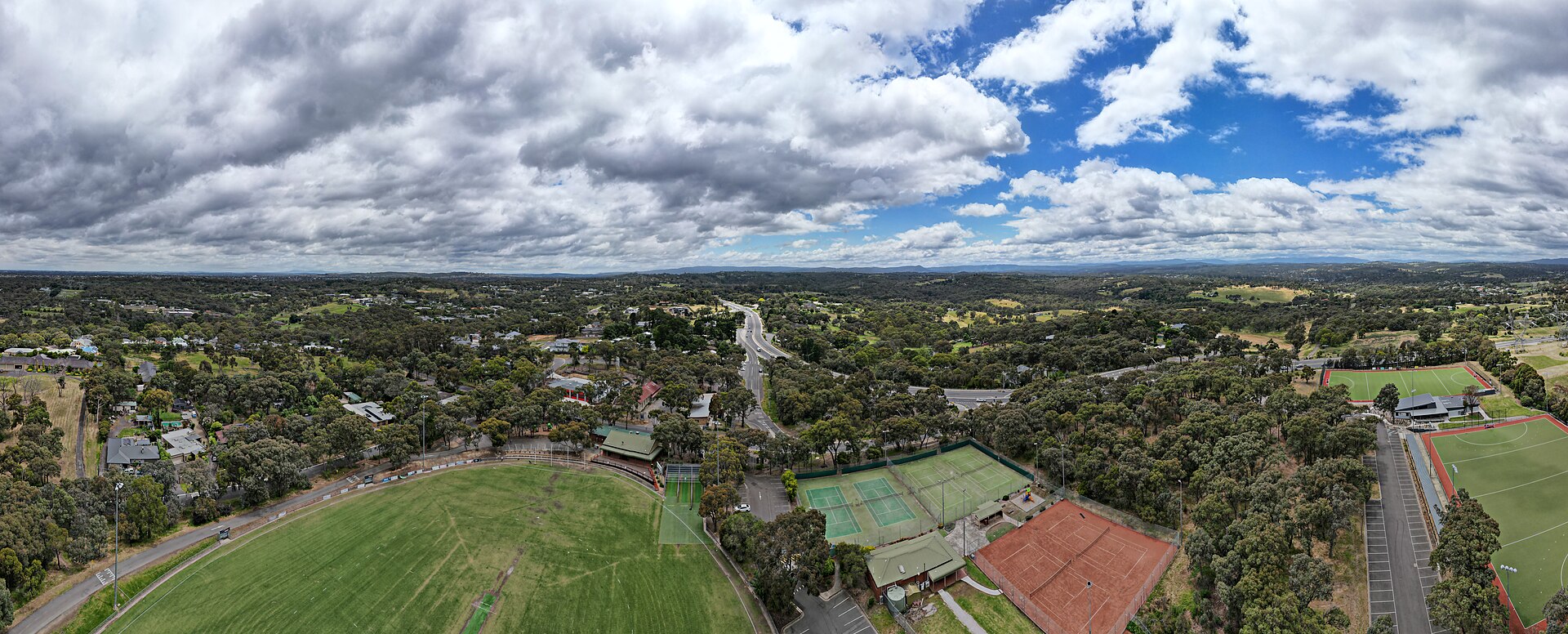
What it’s actually like is layered rather than dramatic. Plenty still carries the feel of a suburb that was made for households, routines, and local movement, not for visitors chasing a landmark. The older story is in the way parks and public spaces sit inside daily life, the way established residents talk about what used to be there, and the way new businesses or renovations can feel both welcome and slightly jarring. You do not get a single museum-style moment where the past announces itself. You get fragments: housing stock from different periods, community buildings that have changed purpose, and small local habits that survived longer than the buildings around them.
The useful comparison is with nearby Diamond Creek, Mill Park, and South Morang. Diamond Creek gives you a clearer neighbouring reference point for older outer-suburban life. Mill Park and South Morang show the pressure of bigger growth corridors and newer infrastructure expectations. Plenty sits in that conversation rather than outside it. If you are trying to understand the suburb, walk it slowly and look for the joins: where older homes sit beside newer builds, where public spaces still feel designed for local families, and where the newer version of the suburb is trying to make itself more convenient.
Skip this if you want a dramatic heritage trail with plaques every few steps. Plenty’s history is quieter than that. If you are west of the main Plenty orbit and already closer to Mill Park or South Morang, you may get a cleaner read on newer suburban growth by looking there instead. Plenty is best understood by people who care about how ordinary suburbs change, not by people chasing a single old-world centrepiece.
Who This Suits
If you are a new resident, read Plenty through the things that still work locally: parks, community habits, school-run rhythms, and the older social infrastructure that shaped how people knew their neighbours. If you are a buyer, look past the surface calm and ask what stage of change the specific street is in: established family pocket, renovation zone, or edge-of-growth pressure point. If you are a long-term local, the useful frame is not whether Plenty improved or declined, but which gains were worth the losses. If you are just suburb-curious, compare Plenty with Diamond Creek, Mill Park, and South Morang instead of judging it in isolation.
Cost expectations are part of the history now. The suburb’s rise in demand changed the meaning of “local.” Higher property values helped existing owners who stayed, but they also made the suburb less forgiving for people who relied on affordable shops, older rentals, or the unpolished version of the area. That is the uncomfortable part of the Plenty story: the same changes that made it more liveable for some people made it harder for others to remain.
Time of day matters because Plenty does not reveal itself like a nightlife suburb. Morning and late afternoon are better for reading the place properly, when local movement is visible and the suburb feels used rather than staged. In warmer months, parks and public spaces carry more of the story. In quieter seasons, the built layers stand out more: older homes, newer development, renovated local spots, and the suburban infrastructure that shows how Melbourne kept pushing outward.
What to Do Next
Walk Plenty before you judge it, then compare what you see with the current Plenty suburb guide. The point is not nostalgia. It is knowing which parts of the suburb’s past still shape daily life now.