Verdict Box
Port Melbourne is a strong work-from-home suburb if your week is mostly home desk, cafe change-up, foreshore reset and occasional client meeting. It is not the cheapest place to rent a spare-bedroom office, and it is not a suburb with a deep coworking market on every corner. The value is in the rhythm: Bay Street errands, the 109 tram into the city, a proper walk to the water, and enough local desk options to avoid feeling trapped at home.
The honest catch is space. Many apartments around Beacon Cove, Bay Street and the converted warehouse pockets are comfortable for one person working remotely, but a couple both taking calls can hit limits fast. Houses and larger townhouses solve that, but the rent jumps sharply. If your employer covers coworking or you run a client-facing business, Port Melbourne is easier to justify. If every dollar matters, South Melbourne, Docklands or even further west may give more desk-per-dollar.
Use Port Melbourne if you want a professional weekday without giving up the bay. Skip it if your remote-work priority is cheap rent, late-night study rooms, multiple train options or a big coworking scene.
At-a-Glance Table
| Factor | Port Melbourne 2026 reality |
|---|---|
| Best fit | Hybrid workers, consultants, founders, senior employees, solo operators |
| Main work base | Home office, Bay Street cafes, Port Melbourne Library, small coworking suites |
| Formal workspace | Bay Street Business Centre, Central OPS, nearby CBD and Southbank options |
| Public transport | Route 109 light rail to the city, plus buses and cycling routes |
| Cafe pattern | Good for short sessions and meetings; less ideal for all-day laptop use |
| Rent pressure | High, especially for houses and larger apartments with a separate study |
| Biggest lifestyle upside | Foreshore walks before calls or after laptop-heavy days |
| Biggest practical downside | Limited train access and fewer workspace choices than CBD-edge suburbs |
Who It Suits
Priya, 34, product lead - works from home three days a week, needs one clean video-call room, and values a Bay Street coffee run between stand-ups.
The Solo Consultant - wants a professional address, a meeting room option, and quick access to city clients without living in the CBD.
The Foreshore Resetter - does focused work in blocks and uses the beach, Sandridge Trail and local gyms to break up screen-heavy days.
The Cafe-Meeting Regular - does not need to camp at a table all day, but wants reliable places for a one-hour client chat or planning session.
Rent & Property Reality
Port Melbourne remote work lives or dies on your floor plan. A one-bedroom apartment can work if you take limited calls and can set a desk away from the kitchen bench. A two-bedroom unit is the realistic remote-work upgrade: one bedroom, one work room, and enough separation to keep the lounge usable after hours. Townhouses and houses give the best home-office setup, but the rent can move from uncomfortable to serious very quickly.
Realestate.com.au’s Port Melbourne profile listed houses renting around $970 per week and units around $700 per week in 2026, with rental yields also published by dwelling type: Port Melbourne property market. Domain’s March 2026 rental report put the wider Melbourne median at $590 for houses and $600 for units, with vacancy tight at 1.0%: Domain Rental Report March 2026. That gap explains the local trade-off. Port Melbourne is not priced like a simple inner-suburb convenience choice; it is priced as a bayside, city-adjacent address.
For buyers, the remote-work question is slightly different. Older workers cottages around the historic grid can be charming but tight. Apartments near the foreshore may have better light and lift access, but not always enough acoustic separation. Newer townhouses can be excellent for dual-income hybrid households if they include a ground-floor study or second living space. Before signing anything, test where the desk actually goes, whether the NBN point is sensible, and whether your work chair can stay out without turning the living room into an office.
The other property reality is parking and deliveries. If you run a home business with samples, equipment or frequent courier drop-offs, a compact apartment may get annoying. If your work is laptop-only, the suburb is much easier.
Local Reality & Pockets
Bay Street is the practical spine. It gives you cafes, groceries, pharmacy runs, the library, service businesses and a direct sense of weekday movement. For remote workers, that matters because a suburb can feel flat if every errand requires a car. Bay Street also has Bay Street Business Centre at 373 Bay Street, which advertises coworking pods, private offices, meeting rooms, boardroom access, high-speed fibre internet, printing, shower, bike storage and parking: Bay Street Business Centre.
Port Melbourne Library at 333 Bay Street is the quietest local fallback for admin blocks. The City of Port Phillip lists free Wi-Fi, weekday opening hours and limited parking: Port Melbourne Library. It is not a private office and it is not built for confidential calls, but it works for writing, study, invoices, applications and low-noise laptop sessions.
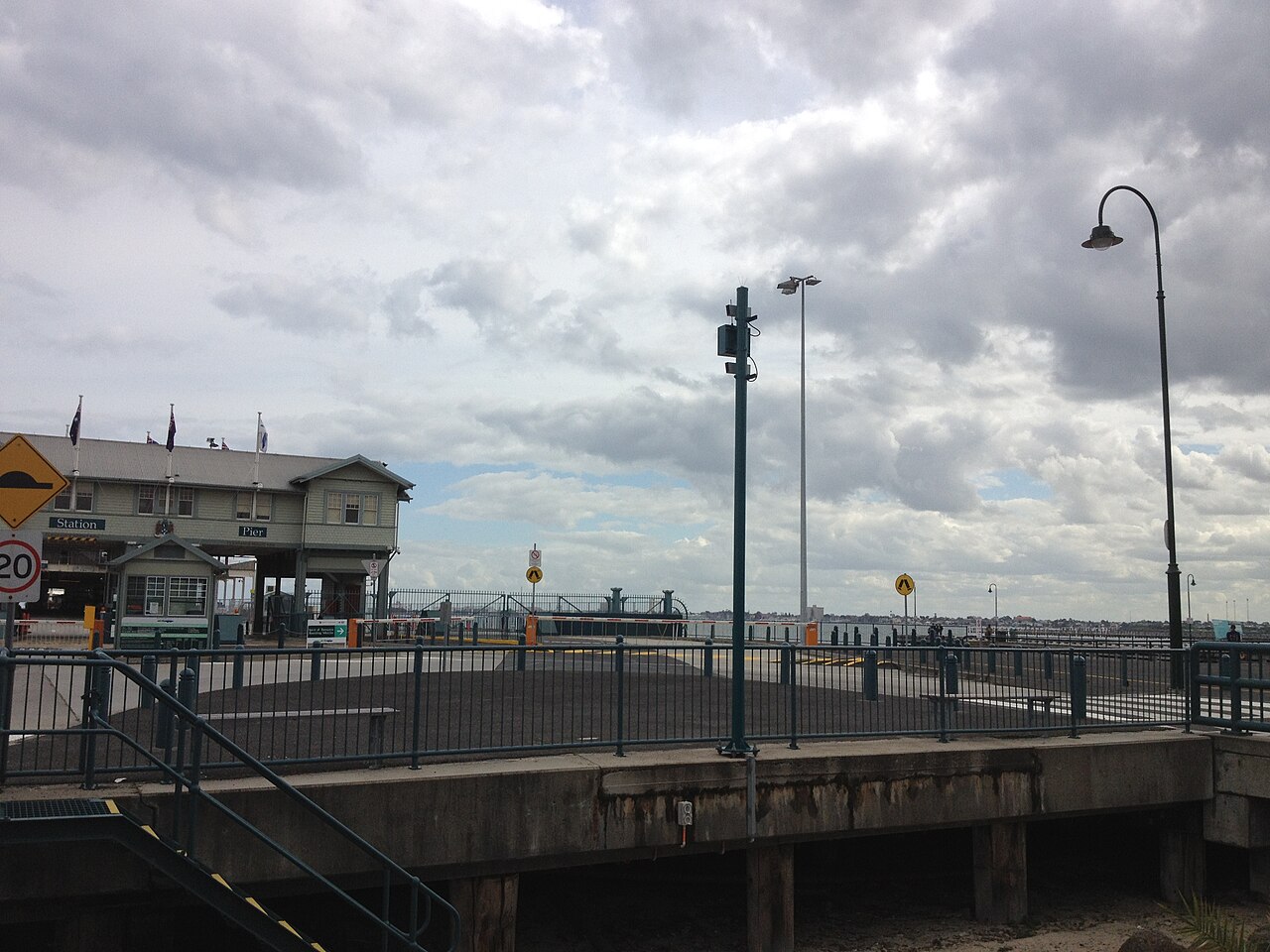
Beacon Cove is the polished foreshore pocket. It suits remote workers who want a morning walk near Station Pier, neat apartment living and quick access to the light rail. The trade-off is that it can feel quieter after work, and your local cafe options thin out compared with the Bay Street strip. It is good for people who already have a strong home setup.
Fishermans Bend and the industrial edges are different. The area suits engineers, designers, project workers and business owners who need access to commercial sites, workshops or suppliers. It is not the prettiest cafe-worker fantasy, but it can be extremely practical if your work touches construction, logistics, manufacturing, aviation, defence, design or project delivery. Central OPS lists a Port Melbourne business hub at 65 Fennell Street with remote office space, coworking and serviced offices: Central OPS Port Melbourne.
The old residential grid between Bay Street and the water is the lifestyle sweet spot. You can walk to coffee, tram, library, beach and dinner. The downside is that many homes are compact, renovated at different standards, and expensive when they have a proper office. Inspect at the time of day you will work. Truck noise, school traffic, street parking and neighbour renovation noise matter more when home is also your office.
Signature Craving
The signature remote-worker craving in Port Melbourne is the mid-morning Bay Street reset: a proper coffee, a short walk, and back to the desk before the next call. Balderdash Cafe at 295 Bay Street is one of the better-known local names, listed by Urban List with weekday hours from 7 am and weekend hours from 8 am: Balderdash Cafe. It works best as a coffee-and-breakfast stop, a casual meeting point, or the place you use when your home desk needs a reset.
Do not treat every cafe as a free coworking office. Port Melbourne’s cafe rooms are often compact, and staff turnover on tables matters during breakfast and lunch. The better etiquette is simple: use cafes for short sessions, buy properly, avoid taking loud calls inside, and move on when the room fills. If you need four hours, power, privacy and a meeting room, pay for a workspace or use the library for quiet non-call work.
That is the wider Port Melbourne pattern. The suburb gives you enough places to break the day, not an unlimited supply of laptop real estate. The most successful remote workers here build a routine: home for deep work, library for quiet admin, coworking for calls or meetings, cafe for a short change of scene, foreshore for the mental reset.
Comparisons Table
| Suburb | Remote-work advantage | Remote-work drawback | Better for |
|---|---|---|---|
| Port Melbourne | Foreshore breaks, Bay Street routine, local coworking, close CBD access | Higher rent and fewer workspace choices than CBD-edge areas | Hybrid professionals who value the bay |
| South Melbourne | More food choice, office spillover, market access, multiple city routes | Less coastal calm and more weekday traffic pressure | Consultants and workers with frequent city meetings |
| Albert Park | Leafy streets, lake and beach access, quieter residential feel | Even tighter cafe and workspace choice, high housing costs | Home-office workers who want calm and can pay for it |
| Docklands | More apartments, corporate workspace nearby, quick CBD access | Can feel office-heavy and wind-exposed, less village-style daily rhythm | Workers who want city convenience and apartment stock |
Trust Block
Author: Zara Patel
Persona used: Priya, 34, product lead, hybrid worker, currently comparing inner bayside suburbs for a two-bedroom rental with a real desk setup.
Research basis: Venue checks used public listings for Bay Street Business Centre, Central OPS, Port Melbourne Library and Balderdash Cafe. Property context used realestate.com.au suburb data and Domain’s March 2026 rental report. Demographic grounding used the ABS 2021 Port Melbourne QuickStats page: ABS Port Melbourne 2021 Census.
Editorial stance: This guide does not assume that cafe culture equals good remote work. The verdict weighs desk space, noise, rent, transport, meeting options and the reality of working from home several days a week.
Last checked: 25 May 2026.
FAQ
Q: Is Port Melbourne good for remote workers?
A: Yes, for the right worker. It suits people who want a strong home base, Bay Street errands, foreshore breaks and quick access to city clients. It is weaker for people who need cheap rent, a train station, or many coworking choices within a short walk.
Q: Are there proper coworking spaces in Port Melbourne?
A: Yes, but the market is not as deep as the CBD, Cremorne or Southbank. Bay Street Business Centre offers local serviced offices, coworking pods and meeting rooms. Central OPS also lists a Port Melbourne business hub. For more variety, you will likely look into Southbank, Docklands or the CBD.
Q: Can I work from Port Melbourne Library?
A: Yes, for quiet laptop work. The library at 333 Bay Street lists free Wi-Fi and weekday opening hours. It is useful for writing, reading, study and admin, but it is not suitable for confidential calls or long video meetings.
Q: Are Port Melbourne cafes laptop-friendly?
A: Some are fine for short sessions, especially outside peak meal times. The suburb’s cafe scene works better for a one-hour reset or informal meeting than for sitting with a laptop all day. Buy properly, keep calls outside, and avoid occupying larger tables when the room is full.
Q: What is the best pocket for remote workers in Port Melbourne?
A: Bay Street is the easiest all-round pocket because it puts cafes, shops, the library, tram access and services close together. Beacon Cove suits people who prioritise foreshore walks and apartment living. Fishermans Bend suits workers connected to project, industrial or commercial sites.
Q: Is Port Melbourne rent expensive for work-from-home households?
A: Yes. The problem is not just median rent; it is the premium for a usable extra room. A cheaper one-bedroom may look fine online, but remote workers often need a two-bedroom, townhouse or house to avoid working from the dining table every day.
Q: Is the 109 tram enough for hybrid work?
A: For many people, yes. The 109 gives a direct light-rail connection toward the city, which helps with office days and client meetings. The limitation is that Port Melbourne does not have a heavy rail station, so cross-town trips can be less convenient.
Q: Is Port Melbourne better than South Melbourne for remote work?
A: Port Melbourne is better if you want water, quieter breaks and a bayside routine. South Melbourne is better if you want more food options, stronger office spillover, faster access to multiple tram corridors and a larger day-to-day work network.
Q: Is Port Melbourne suitable for two people working from home?
A: It can be, but inspect carefully. Two remote workers need acoustic separation, enough desk space, good internet placement and a layout that does not put both people on calls in the same living area. Many apartments will feel tight unless they have a second bedroom or study nook.
Q: Who should avoid Port Melbourne for remote work?
A: Avoid it if you need low rent, late-night study spaces, a large coworking community, frequent train travel or a big spare room on a modest budget. The suburb rewards people who can pay for the location and use the local rhythm well.