
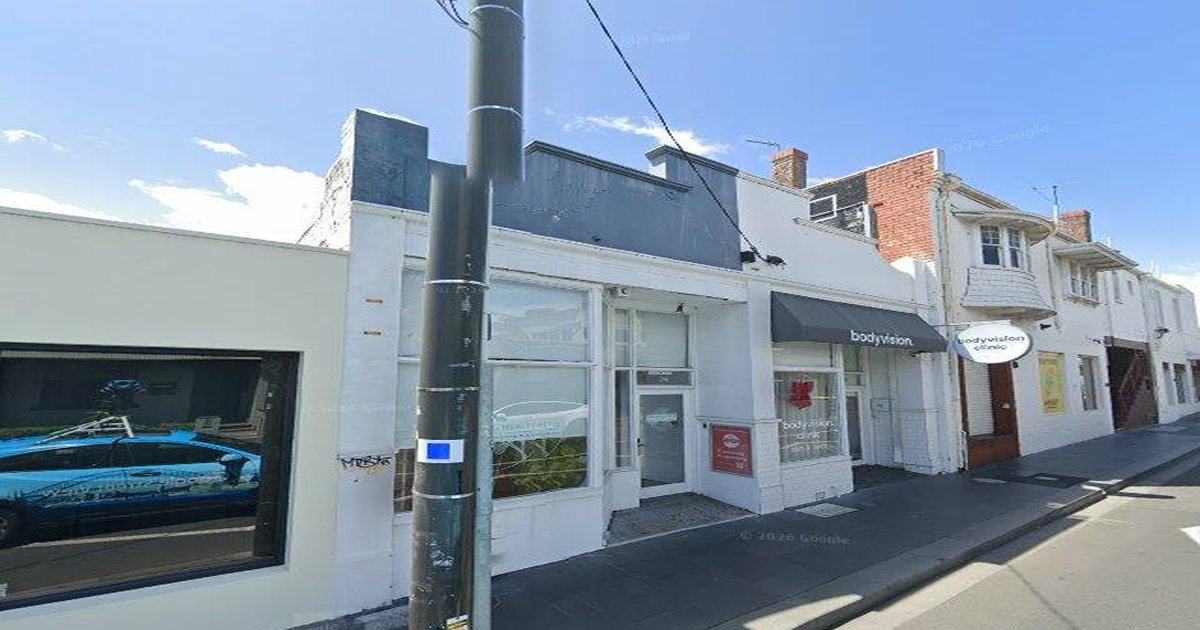
Prahran’s history explains why the suburb feels the way it does today. The Victorian terraces, the market, Chapel Street’s commercial energy, and the LGBTQ+ community on Commercial Road all have roots that stretch back decades or centuries. Here is the story.
The Early Days: 1840s-1880s
The name Prahran derives from an Aboriginal word, with various spellings recorded in the 1840s. European settlement began in the 1840s as Melbourne expanded south from the Yarra River. By the 1850s Gold Rush, Prahran was growing rapidly as workers, tradespeople, and their families moved into the area.
Prahran Market opened in 1864, making it one of Melbourne’s oldest continuously operating fresh food markets. The market was the commercial and social heart of the suburb from the start, and it remains so today, 160 years later.
Chapel Street developed as the main commercial strip during this period. The Victorian-era shopfronts that survive along Chapel and Greville Streets date from the 1870s and 1880s, when Prahran was one of Melbourne’s most populated municipalities.
The Working Suburb: 1890s-1960s
For much of the 20th century, Prahran was a working-class suburb. The housing stock of Victorian terraces and Edwardian cottages was built for workers and their families. The pubs, churches, sports clubs, and corner shops formed the social infrastructure.
The City of Prahran was its own municipality from 1856, one of Melbourne’s earliest. It governed itself independently until local government amalgamations in the 1990s folded it into the City of Stonnington.
Migration waves reshaped the suburb through the mid-20th century. Greek, Italian, and Eastern European communities brought new food, new languages, and new energy. The dining culture that defines Prahran today has roots in this period.
The Creative Turn: 1970s-1990s
Cheap rents in the 1970s and 1980s attracted artists, musicians, and students. Greville Street became Melbourne’s bohemian hub: record shops, vintage stores, galleries, and cafes replacing the milk bars and general stores. Greville Records, which opened in 1979, is one of the few survivors from this era.
Commercial Road emerged as the centre of Melbourne’s LGBTQ+ community during this period. Bars, clubs, and community organisations established a presence that continues today, making Prahran one of Melbourne’s most important suburbs for LGBTQ+ culture and history.
Revolver Upstairs opened on Chapel Street in 1998 and quickly became one of Melbourne’s most iconic late-night venues, cementing Prahran’s reputation for nightlife.
Gentrification and Change: 2000s-Present
The pattern that plays out across inner Melbourne arrived in Prahran too. Property values climbed. New apartment developments replaced older housing. The cafe scene expanded. Rents rose.
What Prahran has managed better than some suburbs is holding onto its character through the change. The market still operates. Greville Street still has indie energy. Commercial Road’s LGBTQ+ community remains strong. The pubs — the Prahran Hotel on Commercial Road, the College Lawn Hotel off Greville — are still pouring.
Prahran Square, the conversion of a multi-storey car park into public green space on Chapel Street, represents the suburb’s more recent evolution: prioritising community and pedestrians over cars.
What Got Lost
Every suburb transformation has a cost. Affordable housing is the biggest casualty. The working-class families who built Prahran could not afford to live here now. Some of the independent shops, pubs, and institutions that defined the old suburb have closed. The creative community that thrived on cheap rent has been priced into other suburbs.
This is worth acknowledging honestly. The Prahran of today is richer, more polished, and more expensive than the suburb these communities built.
Prahran Today
In 2026, Prahran is a suburb that carries its history visibly. The heritage buildings sit alongside modern developments. The market anchors the community. Chapel Street serves both shopping and nightlife. Greville Street maintains its indie identity. Commercial Road’s LGBTQ+ culture remains a defining feature.
The suburb sits in the City of Stonnington (postcode 3181), 5km south-east of the CBD, served by Prahran station on the Sandringham line and trams 72 (Commercial Road), 78 (Chapel Street), and 6 (High Street).
FAQ
How old is Prahran Market? Prahran Market has been operating since 1864, making it one of Melbourne’s oldest continuously running fresh food markets.
What is the history of Chapel Street? Chapel Street developed as Prahran’s main commercial strip in the 1870s-1880s. It has served as a shopping, dining, and nightlife destination ever since.
Why is Commercial Road important to Melbourne’s LGBTQ+ community? Commercial Road in Prahran has been the centre of Melbourne’s LGBTQ+ community since the 1970s-1980s, with bars, clubs, and community organisations establishing a lasting presence.
The Verdict
Understanding Prahran’s history explains its present. The suburb’s personality, from the market to the music venues to the multicultural dining, comes from layers of community that have built on each other over 180 years. What makes Prahran work in 2026 is that enough of those layers remain visible.
More Prahran: Neighbourhood Guide | Prahran Suburb Guide | Cost of Living
Nearby suburbs: South Yarra | St Kilda | Carlton
💬 Discussion
Join the conversation — no account needed