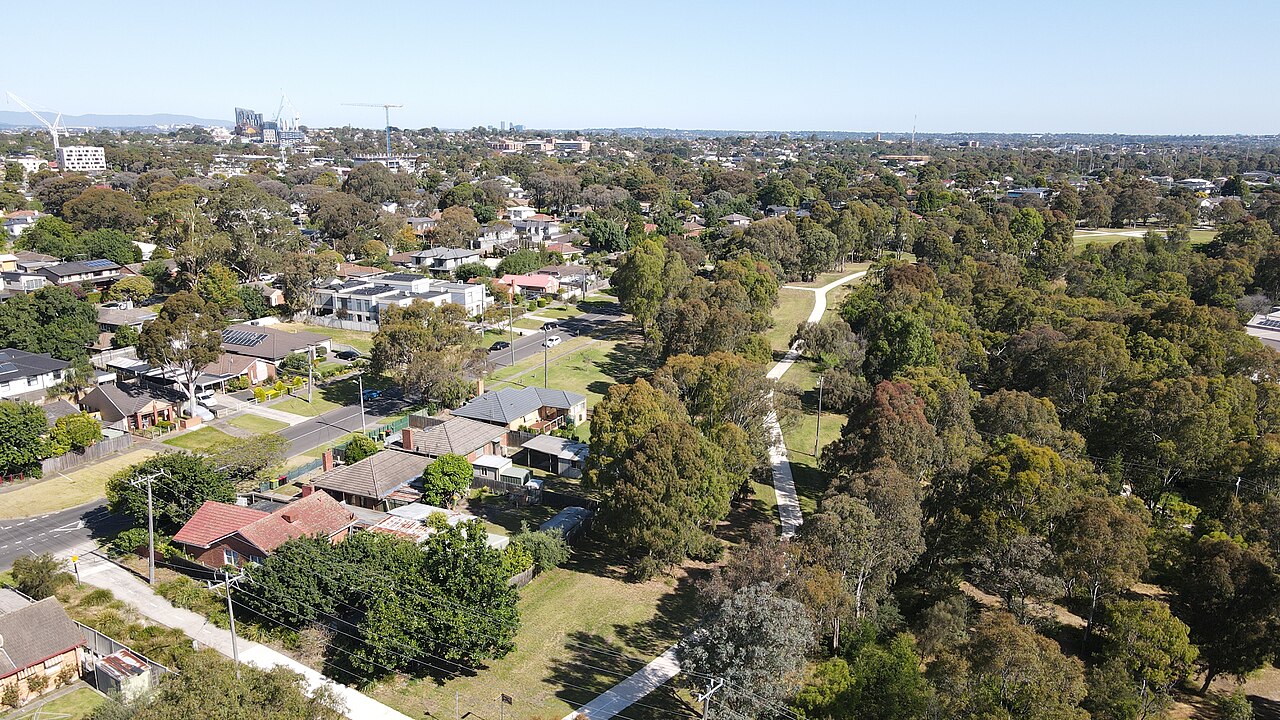
Verdict Box
Best for: families who want inner-north access without paying Northcote or Thornbury premiums, and who can tolerate a bit of road noise for trains, trams, food and services. Skip if: your idea of family life needs silent streets, easy driveway parking and a neat school-zone story. Preston is practical, not polished. Rent pressure: a one-bed is still cheaper than many inner-north neighbours, but family-sized houses and townhouses are where the pain lands. Good rentals move quickly, especially near Bell, Preston and Regent stations. Commute reality: the Mernda train line and route 86 tram are the suburb’s real parenting infrastructure. Bell Street, Plenty Road and High Street are the tax you pay for that convenience. Food scene: strong, useful and not just date-night food: Vietnamese, Indian, Thai, cafes and Preston Market cover actual weekly life. Family fit: excellent for mobile, mixed-age households; less ideal for families chasing low-traffic suburbia. Overall score: 8/10 if you choose the pocket carefully, 6.5/10 if you rent on the wrong road.
At-a-Glance Table
| Factor | Preston 2026 |
|---|---|
| LGA | Darebin City Council |
| Postcode | 3072 |
| Geographic tier | North |
| Region | middle-north |
| Transport grade | A+ |
| Overall grade | B |
Who It Suits
Priya, 41, two-school-calendar parent — wants trains, libraries, groceries and after-school food within one suburb. The Park-and-Tram Family — will trade a smaller yard for Darebin Creek, local playgrounds and the 86 tram. The Noise-Tolerant Upgrader — can handle Bell Street spillover if the house layout, school run and rent stack up.
Rent & Property Reality
Median 1-bedroom rent in Preston is about $450 per week, with realestate.com.au’s broader Preston unit rent series sitting at $550 per week and up 6% over the past year; see the current REA Preston rental listings and suburb profile. That headline number matters because Preston’s family story is not just about whether a couple can afford a one-bed apartment. It is about whether the suburb still gives families a ladder: start small near the train, move into a two-bed unit, then maybe fight for a townhouse or older house when children, prams, grandparents and school bags start taking over the floor plan.
The plain-English version: Preston is no longer a cheap fallback suburb, but it still gives better value than many suburbs closer to the city on the same side of town. One-bed stock clusters around apartment strips and newer builds near High Street, Plenty Road, Bell Street and transport nodes. Those homes can work for singles, couples and separated parents who need a bedroom, a train and predictable bills. They do not solve the larger family problem. Once you need three bedrooms, a usable second living zone, storage, off-street parking or a proper backyard, you are competing with professional couples, share houses, renovators between homes and families priced out of Thornbury, Northcote and Brunswick.
For families, the rent question is therefore less “is Preston affordable?” and more “which compromise are we buying?” A cheaper house near Bell Street may save weekly rent but cost sleep, crossing confidence and air quality. A newer townhouse off Plenty Road may be efficient and close to the tram, but the garage can become the only realistic storage area. A period house in a quieter pocket near Regent or Preston West may feel right, then attract a queue at inspection because every other parent has made the same calculation.
Budget for speed. Have references, payslips and school-zone questions ready before inspection day. Also inspect at school drop-off, after 5 pm and on a Saturday. Preston can feel completely different depending on traffic, market days, train timing and whether the street has become informal overflow parking.
Local Reality & Pockets
For family life, Preston rewards street-by-street judgement. The safer bet is usually a residential pocket set back from the hard roads but still close enough to use the suburb properly. Around Regent station, parts of Preston West and the quieter streets running off Gilbert Road can feel more settled for prams, scooters and primary-school walking. Gilbert Road also gives you route 11 tram access, local cafes like Jackson Dodds at 611 Gilbert Road, and a less frantic rhythm than the High Street and Bell Street edges. The trade-off is that some streets are narrow, older homes may have awkward parking, and tram proximity does not mean every house is peaceful.
Plenty Road is useful but exposed. Boundary Espresso at 107 Plenty Road and Sartoria at 115 Plenty Road sit on a corridor that is excellent for coffee, tram access and quick movement, but families should be honest about noise. The 86 tram is a serious advantage, especially for older kids and city commutes, yet main-road living means more traffic sound, harder right turns, and less relaxed front-door life. If you are inspecting near Plenty Road, stand outside during peak hour and listen before you start imagining furniture.
High Street is the same bargain in a different outfit. Paradise Indian Restaurant at 50 High Street and Pad Cha at 319 High Street show why the strip is useful: dinner, errands, services and Preston Market are close. But High Street-adjacent apartments and houses can come with delivery traffic, bin noise, late parking churn and weekend congestion. Being near Preston station is valuable; being directly in the squeeze can wear thin with young children.
Bell Street is the big caution line. It can make a listing look better on a map than it feels in real life. Noise, heavy vehicles and crossing stress are the obvious issues, but the subtler one is daily friction: getting in and out of driveways, finding visitor parking, and letting children walk independently. St Georges Road and Murray Road also deserve inspection at peak times.
Two honest gotchas: first, off-street parking in listings can be technically true but practically tight, especially in townhouses where the garage barely fits storage plus a car. Second, Preston’s convenience can mask uneven footpaths, busy crossings and patchy shade. Walk the actual school-run route before signing, not just the distance on the map.
Signature Craving
The family test in Preston is whether dinner can happen after a broken childcare pickup, not whether a place looks good on a Saturday list. Boundary Espresso on Plenty Road is the useful kind of cafe: close to the 86 tram, easy to fold into errands, and not pretending parents have unlimited time. For a proper meal, Paradise Indian Restaurant on High Street gives families a dependable option when cooking has lost the vote, while Chumanchu on Gilbert Road works for a quick Vietnamese reset near the tram side of the suburb. The signature craving here is practical comfort: coffee before the logistics begin, then takeaway that can survive the drive home. Preston’s advantage is density you can actually use. The catch is parking; the closer you get to High Street, Plenty Road and market traffic, the more you need a Plan B.
Comparisons Table
| Suburb | Transport | Tier | Region |
|---|---|---|---|
| Preston | A+ | North | middle-north |
| Alphington | A | North | middle-north |
| Coburg | A+ | North | middle-north |
| Coburg North | N/A | North | middle-north |
Trust Block
Author: Priya Sharma — Family-and-community correspondent; reads council planning notices for fun.
Data: data/melbourne_suburbs_master.json (Codex per-LGA enumeration, cross-checked vs VEC + Australia Post + ABS SA2 boundaries), data/suburb_scores.json (composite percentile grades), data/venues/.json (OpenStreetMap + Gemini-verified venue catalog).
Last reviewed: 2026-05-26. Not financial advice. We do not accept paid placements in editorial.
FAQ
Q: Is Preston a good suburb for families in 2026? A: Yes, but it is better for families who want urban convenience than for families chasing quiet suburbia. Preston gives you trains on the Mernda line, the 86 tram on Plenty Road, the 11 tram along Gilbert Road, Preston Market, libraries, parks and a deep food strip. The trade-off is traffic. Bell Street, High Street, Plenty Road and Murray Road all shape daily life. If your children are young, choose the pocket before you choose the house. A slightly smaller home on a calmer street can beat a larger rental on a road that makes every crossing stressful.
Q: Which Preston pockets suit families best? A: Families often do better in residential streets set back from the main corridors: parts of Preston West near Gilbert Road, quieter streets around Regent, and pockets that let you reach trains, trams or parks without living directly on the traffic line. These areas can give children more walkable routines while keeping parents connected to groceries, cafes and public transport. Inspect the route to school, not just the property. A house can be technically close to everything but still require awkward crossings, narrow footpaths or daily car dependence.
Q: What are the main Preston streets to be careful with? A: Bell Street is the obvious one because it carries heavy traffic and can make nearby homes noisier than the listing suggests. Plenty Road is excellent for the 86 tram, cafes and movement, but tram noise and traffic are real. High Street is useful for shops, food and Preston Market access, yet parking churn and delivery activity can be tiring. Murray Road and St Georges Road also need peak-hour checks. None of these roads is automatically a deal-breaker, but families should inspect at morning peak, evening peak and a weekend before applying.
Q: Is Preston expensive for renters with children? A: It can be, especially once you need three bedrooms, a second bathroom or secure storage. One-bedroom rents around $450 per week make Preston look manageable on paper, but family-sized stock is a different contest. Older houses with yards attract strong demand, and newer townhouses often trade outdoor space for low-maintenance layouts. The best value is usually in accepting one compromise deliberately: smaller yard, older kitchen, less fashionable pocket or a longer walk to the station. The worst value is paying a premium for location while still landing on a noisy road.
Q: How is public transport for school and work commutes? A: Public transport is one of Preston’s strongest family arguments. Preston, Bell and Regent stations connect to the Mernda line, while the 86 tram on Plenty Road gives a direct north-south spine through the inner north. Gilbert Road’s 11 tram helps Preston West households move without always defaulting to the car. For older kids, that independence matters. The warning is that transport convenience can come with road exposure. A home five minutes from a tram stop may also mean tram bells, traffic noise and less comfortable walking conditions for younger children.
Q: Are Preston schools a reason to move there? A: Schools are part of the appeal, but they should not be treated as a magic answer. Preston has local primary options and Preston High School has increased the suburb’s appeal for secondary-age families, but enrolment zones, capacity and individual fit matter. Families should check the current zone map, visit schools, and walk the route from the actual address. A school that looks close on a map may involve a difficult crossing or an unpleasant stretch along a main road. The suburb works best when school, transport and home pocket all line up.
Q: What parks and outdoor options matter for families? A: Preston is stronger on practical outdoor access than on large private yards. Families use local reserves, playgrounds, sports grounds and the broader Darebin Creek corridor to compensate for smaller blocks and townhouse living. The best setup is a home where a park is part of the weekly rhythm rather than a planned expedition. Check shade, toilets, crossings and whether the walk is comfortable with a scooter or pram. Also remember that some parks feel very different after sport, school hours or weekend traffic, so visit at the times your family would actually use them.
Q: Does Preston work without a car? A: For some households, yes. A family near Preston station, Bell station, Regent station, Plenty Road or Gilbert Road can cover a lot by train, tram, walking and delivery. Groceries, cafes, takeout, medical services and schools can be close enough to reduce car dependence. But a car-free family still needs to audit crossings, footpaths and night travel. Preston’s map can look simple until you add prams, rain, tired children and Bell Street. The suburb is car-light friendly in the right pocket, not automatically easy without a car everywhere.
Q: What is the biggest mistake families make when choosing Preston? A: The biggest mistake is choosing based on suburb reputation instead of micro-location. Preston can be excellent on one street and wearing on the next. A listing near transport, food and schools may still have traffic noise, poor parking, awkward bins, a dark townhouse layout or a school run that crosses a hostile road. Inspect slowly. Open windows, stand outside, try parking, walk to the station, walk to the nearest playground and time the trip to the school gate. The suburb rewards families who test daily life before signing.


