
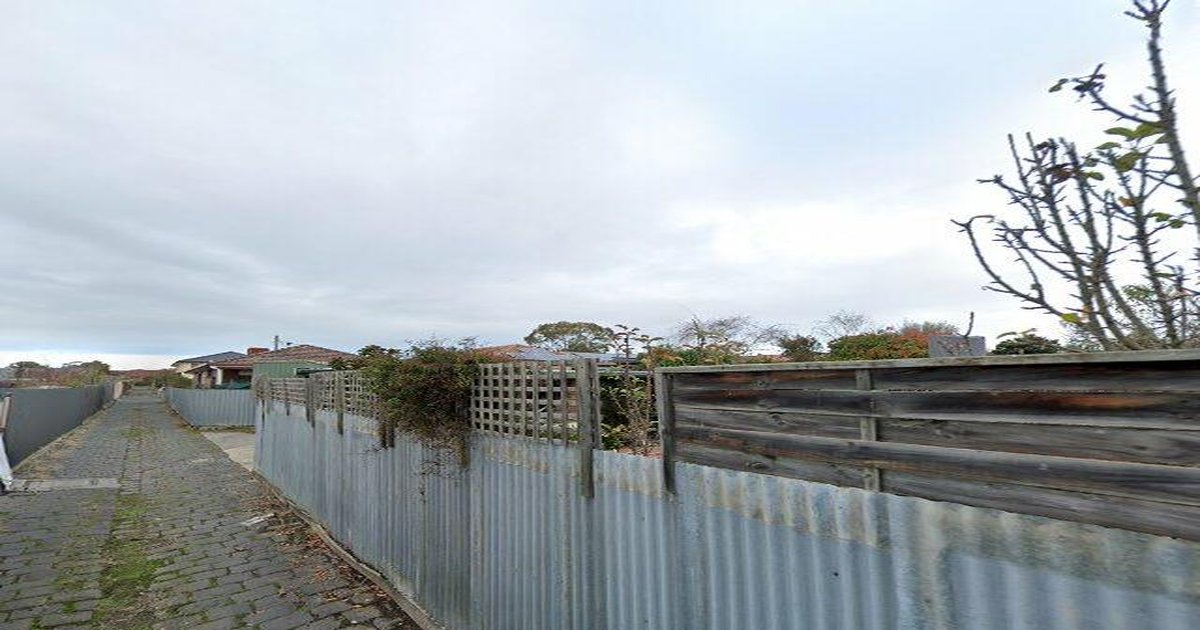
Before the cafes and apartments, Preston was industrial workshops. The transformation tells a quintessentially Melbourne story.
See our full Preston suburb guide for the current picture.
Early Settlement and the Wurundjeri
Before European settlement, the land that is now Preston was Wurundjeri country. The area’s flat terrain and proximity to the Merri Creek made it part of the broader landscape used by the Wurundjeri Woi-wurrung people for thousands of years. European settlement arrived in the 1830s and 1840s, with the area initially used for farming and grazing.
The Working-Class Foundation
Preston was officially proclaimed a town in 1850 and a city in 1922. For much of the 20th century, it was defined by the people who worked here — manufacturing, trades, and the industries that employed the northern suburbs. The street grid along High Street, Bell Street, and Murray Road was built to serve a working population. The pubs, the sports clubs, the church halls were the social infrastructure.
The Olympic Hotel on Bell Street has been feeding and watering locals for decades. The housing stock — modest weatherboard and brick homes — reflects the suburb’s working-class origins, and many survive alongside newer developments.
The Migration Waves
Migration waves transformed Preston’s character. Greek and Italian families arrived from the 1950s onward, establishing the delis, bakeries, and social clubs that defined the suburb for a generation. Vietnamese communities followed in the 1970s and 1980s, building the food scene that now anchors High Street — Pho Hung, Lam Lam, and the Vietnamese grocers are direct descendants of this wave.
Turkish and Lebanese communities added another layer — Cedar Bakery on High Street, the gozleme stalls at Preston Market, and the halal butchers that locals travel from across the northern suburbs to visit. Each wave brought new food, new languages, and new energy. Preston absorbed them all.
Preston Market — Since 1970
Preston Market opened in 1970 and has been the suburb’s heart ever since. One of Melbourne’s last great multicultural markets, it concentrates Turkish, Vietnamese, Lebanese, Chinese, and Italian food businesses in one place. The market has survived redevelopment threats, ownership changes, and the existential crisis that every Melbourne market seems to go through.
As of 2026, it’s still there, still functioning, and still the reason some people move to the suburb. Locals are rightly protective — losing it would fundamentally change what Preston is.
The Gentrification Wave
Preston’s transformation accelerated in the 2010s as the creative class arrived — artists, musicians, young professionals — drawn by cheaper rent and character. New cafes appeared where milk bars used to be. The pub got a renovation. A bar opened in a former workshop. The rent started going up.
Dexter on High Street brought fire-cooked modern Australian dining. Tallboy & Moose at 270 Raglan Street brought craft brewing. Surly’s on High Street brought pet-nats and vegan cocktails in a space decorated with mismatched furniture. The gentrification story plays out across Melbourne, but Preston’s version is distinctive because the old and new coexist rather than one replacing the other.
What Got Lost
Every suburb transformation has a cost. Long-term residents carry frustration about what was demolished, what closed, and who was priced out. These aren’t abstract losses — they’re specific buildings, specific businesses, specific people who couldn’t stay. This is important to acknowledge honestly.
Preston Today
Today, Preston sits in the City of Darebin (postcode 3072), roughly 10 kilometres from the CBD, served by three train stations on the Mernda line and the 86 tram along Plenty Road. The old buildings sit alongside the new. The established residents share the suburb with newcomers. The traditional shops trade next to the trendy ones.
It’s a real suburb with layers — walk through Preston and you’re walking through decades of Melbourne’s story.
FAQ
When was Preston established? Proclaimed a town in 1850, a city in 1922. Preston Market opened in 1970.
What communities make up Preston? Greek, Italian, Vietnamese, Turkish, Lebanese, Chinese, and a growing cohort of young professionals. The multicultural mix is one of Melbourne’s most genuine.
Has Preston been gentrified? Partially. The cafe and bar scene has grown significantly since the 2010s, but Preston hasn’t fully gentrified — the old-school pubs, multicultural food scene, and market culture still define the suburb alongside the newer additions.
The Verdict
Preston’s history is written in its streets — the Olympic Hotel’s unchanged Beer garden, Pho Hung’s 12-hour broth, the gozleme stalls at the market, and the newer craft bars that opened last year. It’s a suburb that carries its past visibly, and that layering of decades is what gives Preston its distinctive character. Whether the ongoing evolution preserves what matters depends on how it’s managed — but for now, Preston is one of Melbourne’s best examples of old and new coexisting.
More on Preston:
💬 Discussion
Join the conversation — no account needed