You are thinking about moving to Reservoir, or walking back from the station after dinner, and the safety question is sitting in your head. The useful answer is simple: Reservoir is generally fine at night, with a few routes and times worth treating differently.
The Verdict
Reservoir is safe enough at night if you stick to the main shopping strip, Reservoir station routes, and well-lit main roads. That is the decision most people need: do the normal Melbourne thing, keep your awareness switched on, and do not turn a quiet back street into a personal shortcut at 1am just to save four minutes.
The commercial strip is the safest-feeling part after dark because it has the things that matter: shopfront lighting, restaurants trading into the evening, bars and pubs later in the week, and enough foot traffic that you do not feel like the only person outside. Residential streets are different. They are not automatically dangerous, but after 10pm they can feel empty in the way many Melbourne suburbs feel empty: parked cars, darker tree canopy, fewer open doors, less sound. Reservoir’s older reputation also makes some people more nervous than the actual street experience usually justifies. The risk is not zero, especially very late, but the day-to-day reality is much more functional than scary.
The practical call is this: walk the main roads, use Reservoir station sensibly, and budget for rideshare after midnight if the walk is longer than 15-20 minutes. Uber and DiDi are usually available, with inner-city trips often landing around $20-40 and surging after midnight on weekends. Don’t do the tough-guy shortcut through darker back lanes after venues empty out. You will not look brave; you will just feel annoyed with yourself halfway home.
Local Reality
Reservoir changes character after dark in stages. Early evening is easy: people are still eating, heading home from work, walking from Reservoir station, and moving around the main shopping strip. Restaurants usually close around 9:30-10:30pm on weeknights and closer to 11pm on weekends, so the street still has a normal suburban pulse. Bars and pubs can run later, typically around 1am on weeknights and up to 3am on Friday and Saturday, depending on the licence.
The stranger-feeling window is not 8pm. It is after midnight, especially between midnight and 1:30am on weekends when venues empty out and the street can feel busier, louder, and occasionally rowdy. That does not mean threatening. It means you should expect more drunk energy, more rideshare pickups, and more people clustering near lit areas before the suburb goes quiet again. By 3am, the streets are close to empty.
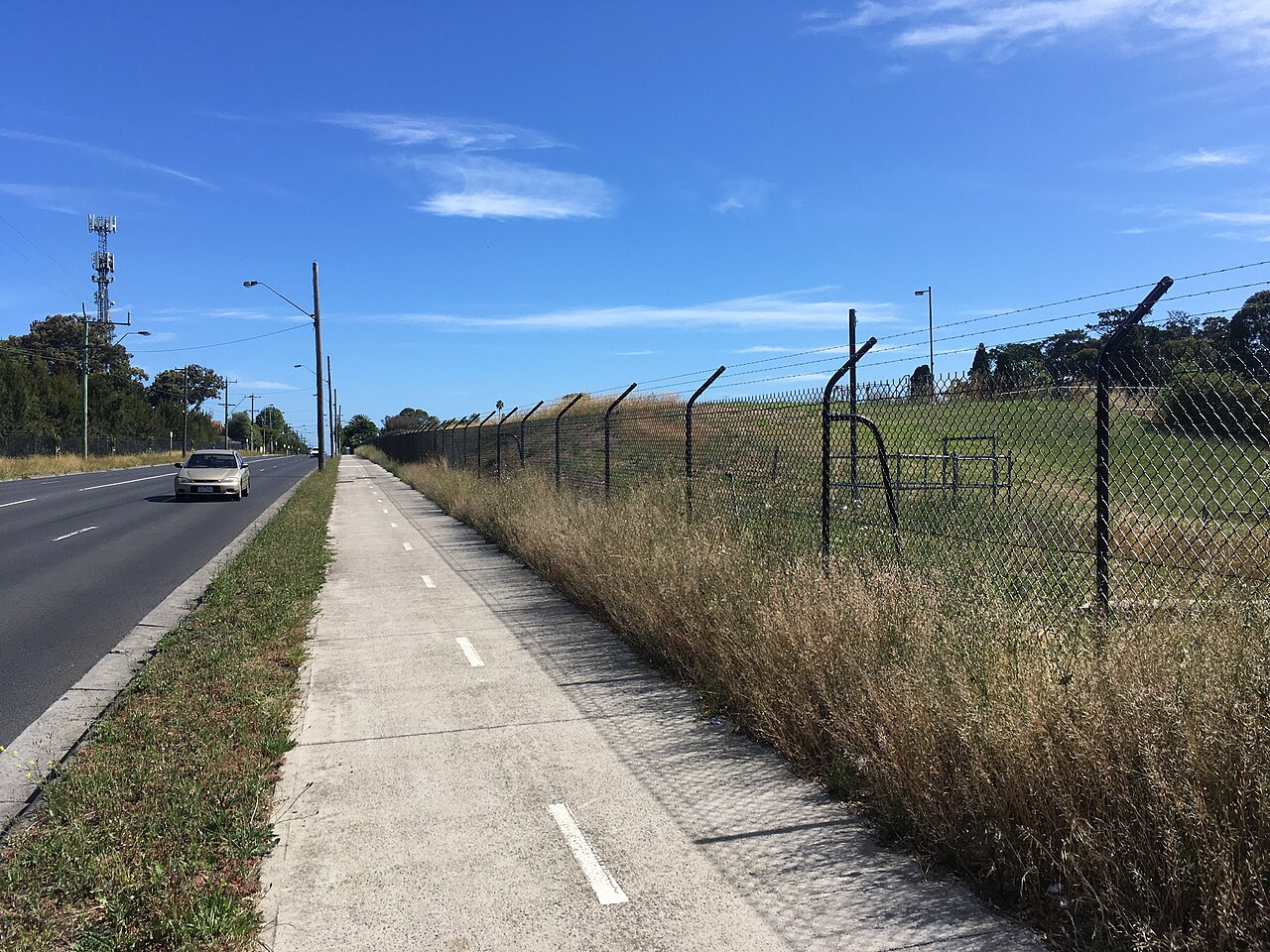
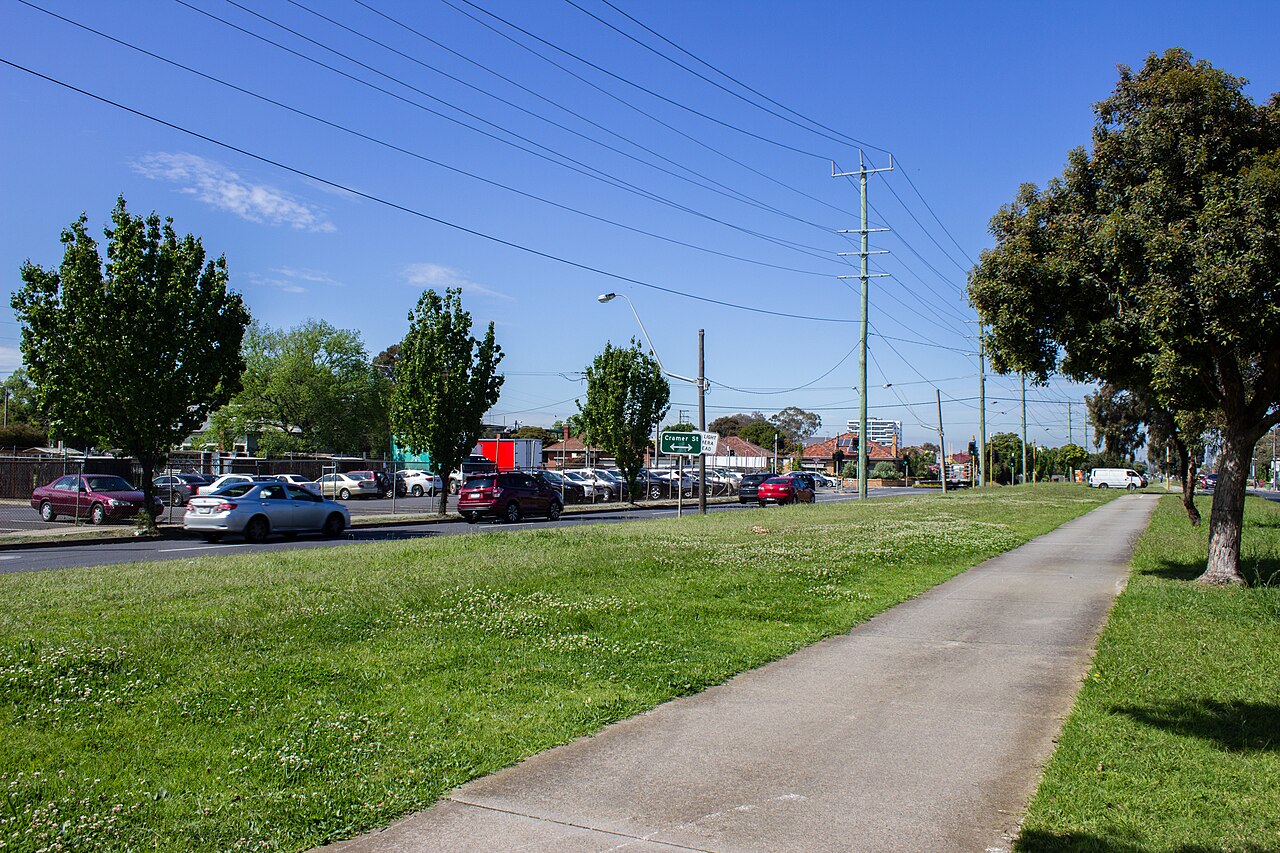
Lighting is best around the commercial strip and main roads. Reservoir has had LED street lighting upgrades across residential streets, but some pockets still feel darker where the tree canopy is heavy or the road bends away from open shopfronts. If you are walking home late from Reservoir station, the boring route is the right route: choose the bigger road with better lighting and more passing cars, even if it adds a few minutes.
Skip walking if you are tired, distracted, carrying valuables loosely, or more than 20 minutes from home after midnight. Use Night Network on Friday and Saturday nights where it works, or book Uber or DiDi. If you are well west of Reservoir station, do not make a point of crossing half the suburb on foot late at night just because the map says it is walkable. It may be technically fine, but it is not the best version of the trip.
Who This Suits
If you are a new renter testing the suburb, walk the main shopping strip and station area early in the evening before judging Reservoir by old reputation alone. If you are a commuter, pick well-lit routes to and from Reservoir station and avoid the quietest residential cut-throughs late at night. If you are coming for dinner, stay close to the active strip and leave before the post-midnight lull if you want the easiest exit. If you are out past 1am, pick rideshare unless your walk is short, familiar, and on main roads. If you are an anxious solo walker, choose the route that feels obvious rather than the route that looks fastest.
Cost is mostly about transport, not safety equipment or special planning. Walking is fine for short, familiar trips. Public transport is workable around normal last-train hours, with Night Network helping on Friday and Saturday nights. Rideshare is the backup you should actually budget for, especially if you are coming back from the inner city. Expect $20-40 for many inner-city trips, with surge pricing after midnight on weekends. That is irritating, but it is often better value than standing around too long deciding whether a long walk feels okay.
Time of day matters more than the suburb name. Before 10pm, Reservoir feels like a lived-in suburban area with normal evening movement. From 10pm to midnight, it becomes quieter but still manageable around main roads and the station. After 2am, the suburb is sparse, and your route choice matters more. In winter, the same walk can feel darker and emptier earlier because fewer people are outside; in warmer months, the strip tends to hold more casual activity later.
What to Do Next
Walk Reservoir at night once before you sign a lease: start at Reservoir station, follow the main shopping strip, then test your real route home. For the broader suburb read, use the Reservoir suburb guide.
Assessment reflects general experience of Reservoir residents and visitors in 2026. Individual experiences vary. Always trust your own judgment.