You are trying to rent in Reservoir and the good listings keep disappearing before dinner. The move is simple: know which rental type fits you, inspect hard, apply the same day, and do not get seduced by space you cannot afford.
The Verdict
The winner for most renters is a smaller, well-located Reservoir apartment or unit, not the biggest house you can technically stretch to. Reservoir rewards convenience: being close to the main strip, transport, shops, and the parts of the suburb you actually use will matter more in week six than an extra room you only notice when rent is due. Studios and one-bedders suit solo renters who want a foothold without bleeding cash. Two-bedroom apartments are the sweet spot for couples, professionals, and sharers, but they are also where competition bites hardest. Three-bedroom houses and townhouses exist, but families and share houses are hunting the same stock, and the backyard premium is real.
The market is competitive, but it is not hopeless. Good properties attract multiple applications and busy open inspections, yet Reservoir still has a steady flow of rental stock across different price tiers. Your edge is preparation, not charm. Have ID, payslips, references, rental history, and your Ignite or 2Apply details ready before you inspect. Apply on the day, keep your budget realistic, and search below your true maximum so the next rent increase does not wreck you. Look beyond the major portals too: walk the streets, check community noticeboards, and keep an eye on local Facebook groups because some listings never make it to the apps. Do not chase the biggest three-bedder just because it looks like value online - if it is damp, noisy, badly ventilated, or a parking headache, you will regret it.
Local Reality
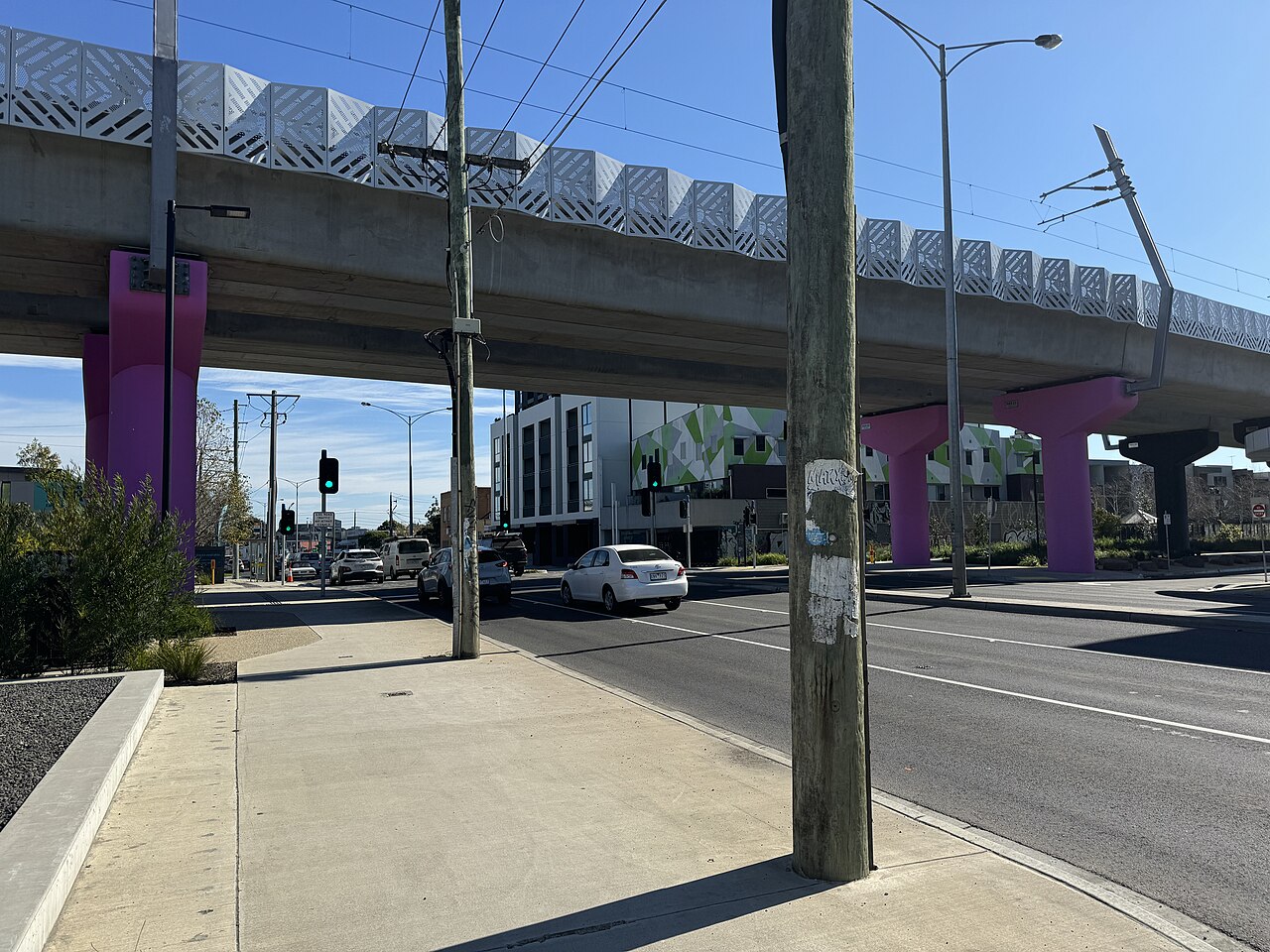
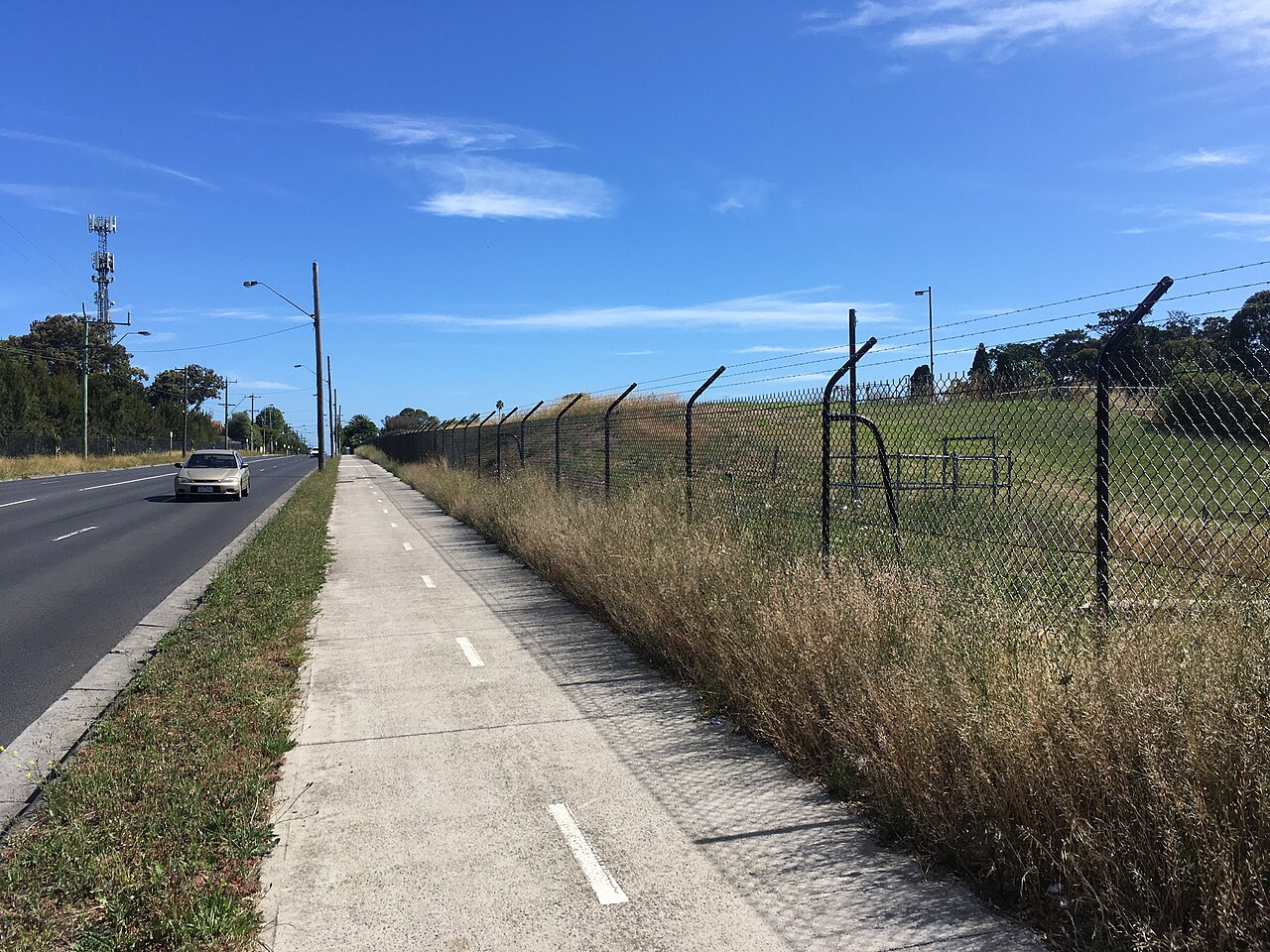
Reservoir rentals can look very different street to street. A place near the main strip will make daily life easier, but it can also bring street noise, harder parking, and more foot traffic than the inspection photos suggest. If a rental does not include off-street parking, treat that as a real cost and inspect the street properly before signing. Some streets require permits, and even where they do not, the difference between easy weeknight parking and circling the block after work is the kind of detail that changes how a place feels to live in.
Older Reservoir properties need a colder eye than newer apartments. Check bathroom fans, window seals, wardrobes, corners, and anything that smells musty. Damp and ventilation issues are not cosmetic; they become your winter problem. Internet is another easy miss. Check NBN availability and connection type for the specific address, because not every unit in the same building gets the same speed or reliability. Friday 6pm tells you more than Tuesday 11am, especially for noise and parking.
The obvious comparison is Preston and Thornbury. If you want more inner-north energy, you may keep looking south. If you want Reservoir’s balance of space, community, and price, stay disciplined and do not panic-apply for the wrong place. Skip this if you need polished apartment living above everything else; Reservoir still has plenty of older stock, and some of it needs scrutiny. If you are west of the areas that make Reservoir convenient for your routine, you should probably compare Coburg or Pascoe Vale before committing.
Who This Suits
If you are a solo renter, pick a studio or one-bedder in the most useful location you can afford. The apartment itself does not need to be glamorous if it keeps your commute, shops, and social life simple. If you are a couple, pick the best two-bedroom apartment you can secure without maxing out your budget, because this is the most contested category and hesitating usually costs you. If you are sharing, look at two-bedroom apartments first, then three-bedroom houses only when the layout genuinely works and the backyard premium makes sense. If you are a family, focus on three-bedroom houses or townhouses, but inspect for damp, storage, parking, and noise with less forgiveness than a renter who only needs a base.
Cost-wise, the practical rule is to decide your real ceiling, then search below it. Reservoir is cheaper than some inner-north alternatives, but that does not make every listing good value. A smaller, well-located rental can be the smarter buy than a bigger place further out, especially if the extra space is something you rarely use. Leave room for rent increases, utilities, moving costs, and the little setup expenses that appear in the first month.
Timing matters. Open inspections for good properties can be crowded, and listings that sit around for a week are not the norm. Have your documents ready before the inspection, apply the same day if the place passes your checks, and include a brief personal note explaining who you are and why the property suits you. Flexible move-in dates help too, especially if you can start earlier than another applicant. In winter, be extra suspicious of damp and poor ventilation. In warmer months, check noise and parking at peak times rather than trusting a quiet midday inspection.
What to Do Next
Set your budget below your true maximum, inspect at a busy time, and apply the same day only if the place passes the damp, noise, parking, and internet checks. For the bigger money picture, read the Reservoir cost of living guide.