
Updated March 2026 | Dani Ortiz reporting
Richmond’s story is Melbourne’s story compressed into a single postcode — colonial settlement, industrial boom, migration waves, decline, gentrification, and reinvention. Understanding how the suburb got here explains why it feels the way it does today: a place where Victorian terraces stand next to housing commission towers, where Vietnamese grandmothers share streets with tech workers, and where the MCG’s roar still shakes windows on match day.
The Early Years: 1800s
The Wurundjeri people of the Kulin nation are the traditional custodians of the land Richmond sits on. European settlement began in the 1830s when Melbourne was barely a town, and Richmond was among the first suburbs established outside the central grid. The suburb was officially proclaimed in 1855 and named after Richmond in London — a common colonial pattern of borrowing English place names.
Early Richmond was a mix of farming land and small-scale industry along the Yarra River. The river provided water for tanneries, breweries, and textile mills that set up along its banks. By the 1860s, the grid of streets that still defines the suburb — Bridge Road, Swan Street, Church Street — was laid out, and workers’ cottages were being built at pace to house the families flowing in from the goldfields and from overseas.
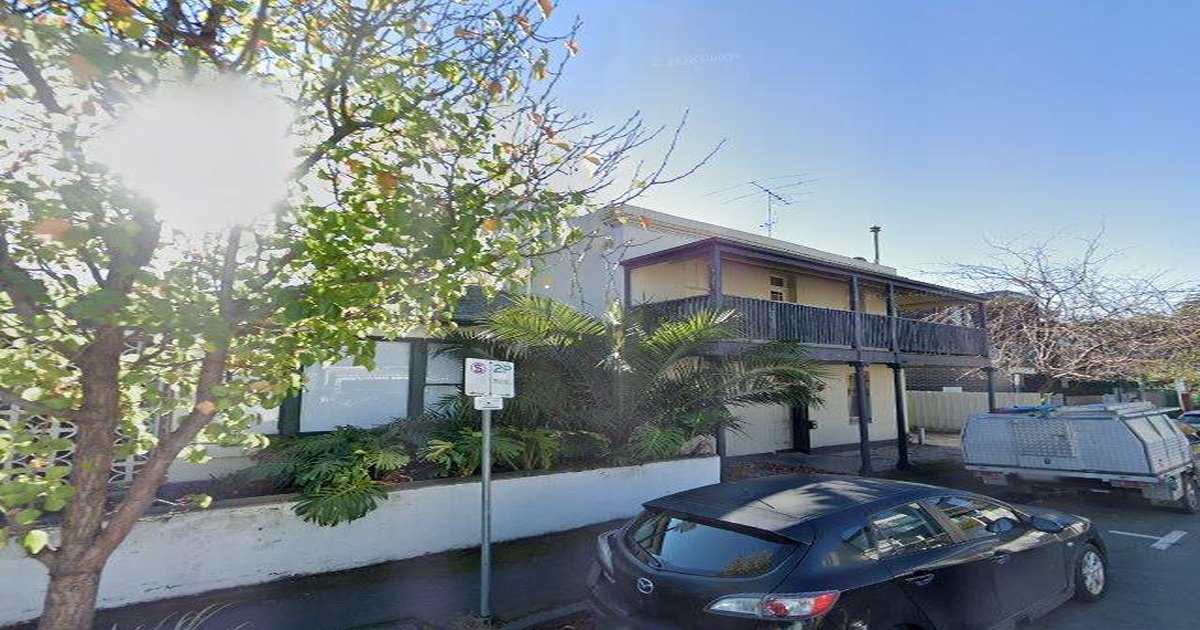
The Victorian terraces and workers’ cottages that real estate agents now sell for over a million dollars were built for labourers, factory hands, and tradespeople. Richmond was a working-class suburb from its first brick.
The Factory Era: 1900s–1960s
For much of the 20th century, Richmond was defined by manufacturing. The suburb’s flat land near the river and proximity to rail infrastructure made it ideal for factories. Bryant & May (matches), Rosella (canned food and sauce), Skipping Girl vinegar (the iconic neon sign that still stands), and Wertheim’s piano factory were all Richmond operations.
Bridge Road became the commercial strip — a proper high street with butchers, bakers, haberdashers, and the kind of shops that served families who walked to work. Swan Street ran parallel with a rougher edge: pubs, betting shops, and the pull of the MCG at the eastern end.
Richmond Football Club, founded in 1885, became the suburb’s identity. Punt Road Oval — the Tigers’ home ground — sat next to the MCG, and the club’s fortunes became inseparable from the suburb’s mood. A Tigers win on Saturday meant a good week in Richmond. That has not changed.
The housing stock from this era tells the story. Streets of narrow-fronted terraces and weatherboard cottages built for families who worked in the factories. Small backyards, shared laneways, and a density that made neighbours out of strangers. The pubs — the Corner Hotel, the Bridge Hotel, the Prince Alfred — were the social centres. Every street had its local.
The Vietnamese Migration: 1970s–1990s
The single most transformative event in Richmond’s modern history was the arrival of Vietnamese refugees in the late 1970s and early 1980s. As Vietnamese families settled in the affordable housing around Victoria Street, they began opening restaurants, bakeries, grocers, and community businesses that gradually transformed the strip into what it is today: Melbourne’s “Little Saigon.”
By the mid-1980s, Victoria Street between Church Street and Hoddle Street was recognisably Vietnamese — pho restaurants with steaming pots visible through shopfronts, bakeries producing fresh banh mi daily, and grocers selling produce that most Australians had never seen. The strip grew organically, driven by community need rather than council planning or development strategy.
This was not always smooth. The Vietnamese community faced racism, institutional barriers, and the challenge of building businesses in a suburb that was simultaneously declining as its factories closed. But they built Victoria Street into one of Australia’s most significant food and cultural corridors — and they did it from scratch.
Today, Victoria Street is Richmond’s most famous strip and one of Melbourne’s defining food destinations. The families who built it deserve more credit than they typically receive.
The Decline and Transition: 1980s–2000s
As manufacturing left Melbourne’s inner suburbs through the 1970s and 1980s, Richmond went through a rough patch. Factory closures meant job losses. Property values dropped. Bridge Road’s retail strip struggled. The suburb developed a reputation for being tough — not dangerous exactly, but edgy, with pockets of public housing, drug activity near North Richmond, and streets that felt emptier than they should.
The pubs kept going. The footy kept going. Victoria Street kept growing. But much of Richmond in the 1990s was affordable precisely because it was not fashionable.
Bridge Road reinvented itself briefly as Melbourne’s factory outlet capital — discount fashion stores filling the shopfronts that traditional retailers had vacated. For a decade, it drew bargain hunters from across the city. That era has largely passed as online retail absorbed the outlet model, though a few stores remain.
Gentrification: 2000s–Present
Richmond’s gentrification followed the pattern common across inner Melbourne, but with its own specific character. Artists, musicians, and students arrived first, drawn by cheap rent and the suburb’s proximity to the CBD. Cafes appeared where milk bars used to be. The pubs got renovated. Warehouses became apartments.
Property prices climbed steadily through the 2000s and then sharply from 2010 onward. The median house price crossed $1 million and kept going. Workers’ cottages built for factory hands became investment properties. The demographic shifted — younger professionals, couples without children, and eventually families with enough income to afford inner-city living.
Cremorne, technically Richmond’s southern pocket, developed its own identity through this period — tech companies, creative agencies, and start-ups colonising the old industrial buildings along Church Street’s southern stretch.
What got lost: some of the milk bars, the corner shops, the affordable housing options, the rougher edges that gave the suburb its character. What arrived: better food, safer streets, improved infrastructure, higher property values. Whether the trade was worthwhile depends on who you ask — and how long they have lived here.
Richmond Today
Richmond in 2026 carries its layers visibly. Walk down Bridge Road and you pass heritage shopfronts alongside new apartment developments. Victoria Street still serves pho from the same family recipes, but the residential streets behind it now house professionals earning six figures. The MCG and Melbourne Park (home of the Australian Open) sit at the suburb’s edge, drawing millions of visitors annually. Punt Road Oval still hosts Tigers training. The Yarra River trails along the southern border connect cyclists and runners to the CBD.
The suburb sits in the City of Yarra, postcode 3121. Richmond Station remains one of Melbourne’s busiest rail interchanges, serving the Sandringham, Frankston, Cranbourne, Pakenham, and Glen Waverley lines. East Richmond and Burnley stations provide additional access. The transport connections that the factories relied on now serve commuters, and they remain one of Richmond’s strongest practical arguments.
The tension between preservation and development continues. New apartment towers go up. Older buildings face demolition pressure. The Vietnamese community’s presence on Victoria Street is under pressure from rising rents. The pub culture on Swan Street has been joined by wine bars and cocktail spots. Richmond is changing — as it always has — and the current chapter is being written in real time.
FAQ
When was Richmond established? Richmond was officially proclaimed as a municipality in 1855, making it one of Melbourne’s oldest suburbs. European settlement in the area began in the 1830s.
Why is Victoria Street called “Little Saigon”? Vietnamese refugees who settled in Richmond from the late 1970s onward built a concentrated strip of Vietnamese restaurants, bakeries, and businesses along Victoria Street. The community transformed the strip into Melbourne’s centre of Vietnamese food and culture.
What factories were in Richmond? Major Richmond factories included Bryant & May (matches), Rosella (food processing), Wertheim (pianos), and the Skipping Girl vinegar factory whose neon sign remains a Melbourne landmark. Most closed between the 1970s and 1990s as manufacturing left the inner suburbs.
How has Richmond’s population changed? From working-class factory families in the early-to-mid 1900s, to Vietnamese migrants from the late 1970s, to young professionals and gentrifiers from the 2000s onward. The suburb now houses a mix of all these groups alongside students, families, and long-term public housing residents.
The Verdict
Richmond’s history explains its present. The workers’ cottages now worth millions were built for labourers. The pho restaurants on Victoria Street were opened by refugees who arrived with very little. The pubs that draw Saturday crowds have been pouring beers since before Federation. The suburb’s current appeal — diverse food, strong transport, proximity to the MCG and CBD — is the accumulated result of 170 years of different communities building on what came before. Understanding that history makes the suburb richer to live in and harder to take for granted.
More Richmond guides: Honest Guide | Cost of Living | Richmond Overview
Know a piece of Richmond history we should include? Email [email protected].
Explore More of Richmond
- Richmond Things To Do This Weekend
- Richmond Cheap Eats
- Richmond Rent Guide
- Richmond Date Night Guide
- Richmond Victoria Street Vietnamese
- Richmond New Openings
- Richmond Things To Do
- Richmond Rent Report
💬 Discussion
Join the conversation — no account needed