Richmond sits in Melbourne’s inner east — a suburb that runs diverse, sporty, food-obsessed. Here’s what the numbers and the locals actually say about the property and rental situation.
Rental Prices — Richmond 2026
| Property Type | Weekly Rent | Monthly | Annual |
|---|---|---|---|
| 1-bedroom unit | $520/wk | $2253/mo | $27,040/yr |
| 2-bedroom unit | $691/wk | $2994/mo | $35,932/yr |
| 3-bedroom house | $914/wk | $3960/mo | $47,528/yr |
Rents in Richmond have fluctuated slightly compared to 2025. The vacancy rate sits at 3.6%, which is relatively comfortable — take your time choosing.
Property Prices
| Property Type | Median Price | 12-Month Change |
|---|---|---|
| House | $1,553,807 | -0.8% |
| Unit/Apartment | $761,884 | +1.8% |
Gross rental yield: 4.9% (units tend to yield higher than houses in Richmond).
Who Lives Here
Richmond attracts a mix of young professionals and established families. The suburb is known for Victoria Street Vietnamese, Bridge Road, MCG proximity.
Average resident profile:
- Age: Predominantly 30-45
- Household: Young professionals and sharehouse groups
- Income: Around metro median
Renting Tips for Richmond
- Apply fast. Good properties in Richmond get 20-40 applications. Have your documents ready: 100 points of ID, recent payslips, rental history, references.
- Inspect in person. Photos lie. Check water pressure, phone reception, natural light at the time of day you’d actually be home. Open the cupboards. Flush the toilet.
- Look beyond Bridge Road. The main strip is where rent premiums hit hardest. One or two blocks back, you get the same proximity for less money.
- Know your rights. Victorian tenancy law caps rent increases to once per 12 months. Your landlord must give 60 days notice. Urgent repairs must be addressed within 48 hours (blocked toilet, no hot water, gas leak).
- Budget beyond rent. Factor in: utilities ($150-250/month), internet ($70-90/month), contents insurance ($15-25/month), and transport (Richmond station, trams on Bridge/Swan/Victoria).
Investment Outlook
Richmond is a mature market — don’t expect explosive growth, but it’s stable and liquid. The 4.9% gross yield is above the metro average.
Key factors:
- Transport: Richmond station, trams on Bridge/Swan/Victoria
- Schools: Several well-regarded public and private options
- Infrastructure: Cycling infrastructure improvements coming 2026-2027
Suburb Character & Lifestyle
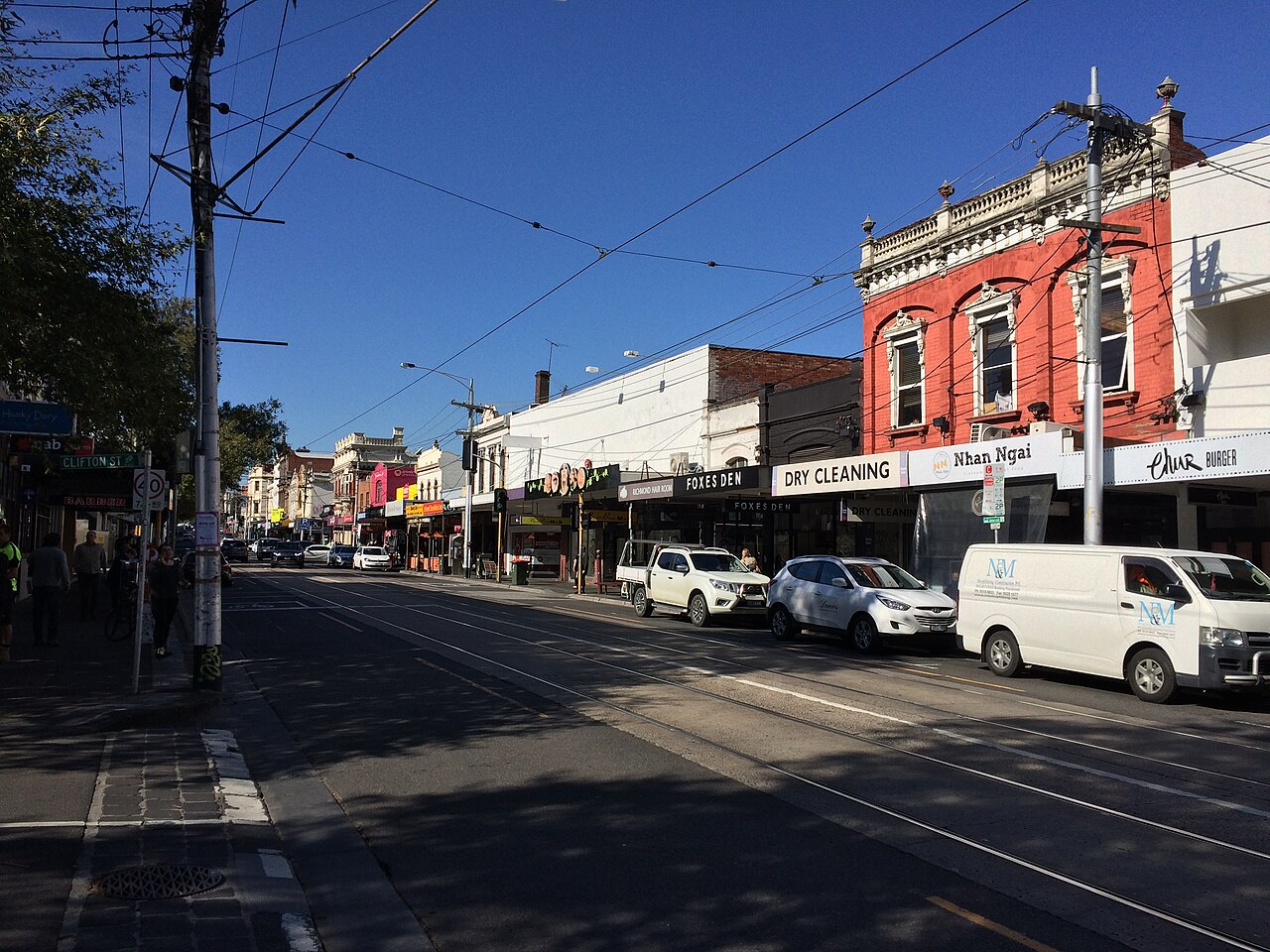
Richmond runs diverse, sporty, food-obsessed. The main commercial strip along Bridge Road is where most of the daily life happens — cafes, restaurants, and essential services within walking distance for those who live close. The neighbourhood is known for Victoria Street Vietnamese, Bridge Road, MCG proximity, which drives both rental demand and property values.
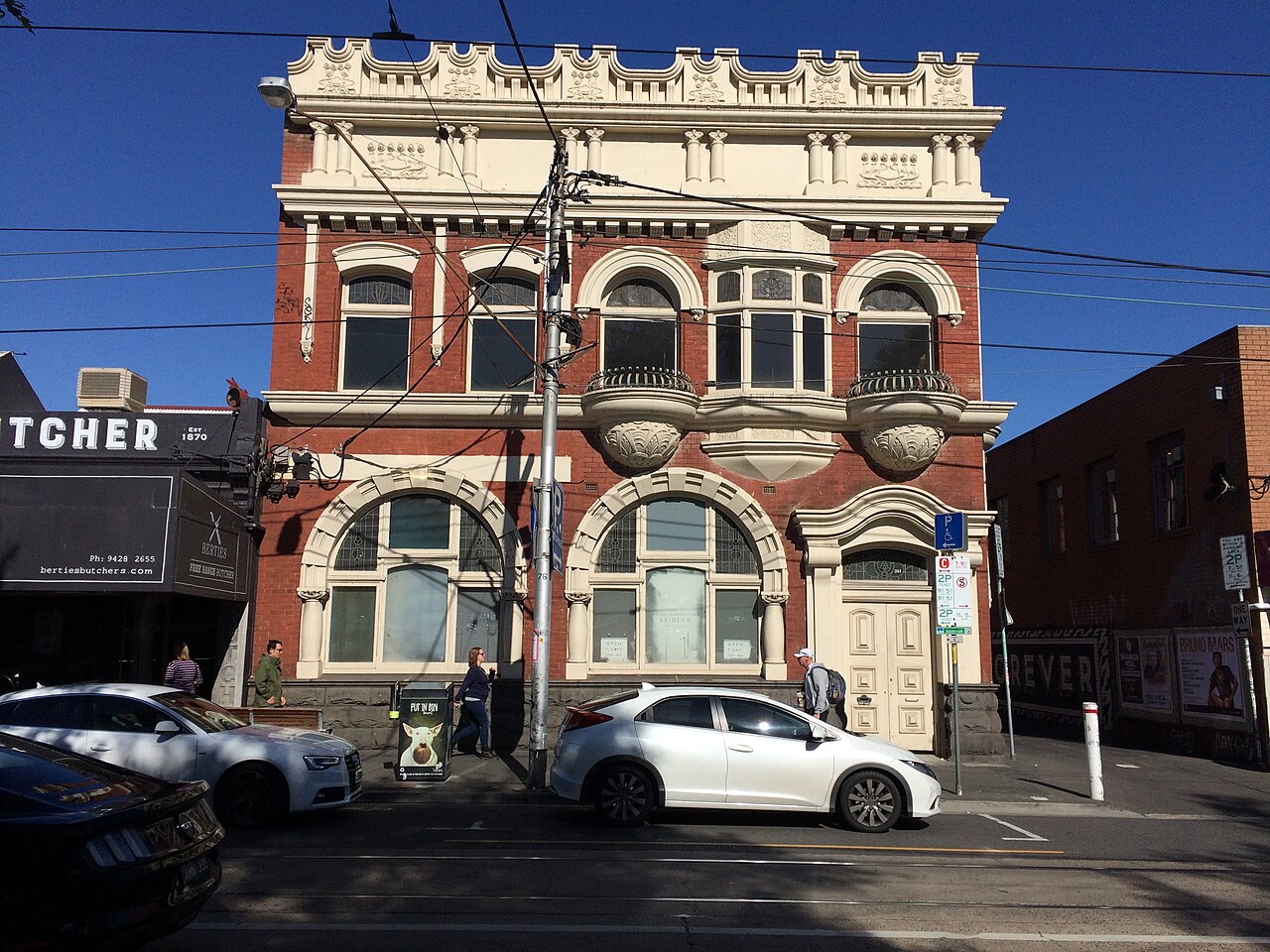
The housing stock is largely character homes on established streets with some newer townhouse developments. For renters, the most common options are rooms in shared Victorian terraces. For buyers, the entry point is typically a 2-bedroom terrace needing renovation at the lower end of the market.
Transport reality: Richmond station, trams on Bridge/Swan/Victoria. The commute to the CBD is realistic for daily workers, and most residents report using a combination of public transport, cycling, and driving depending on the trip.
Cost of Living Snapshot
| Expense | Typical Cost |
|---|---|
| Coffee | $5.00-5.50 |
| Brunch | $22-32 |
| Dinner out | $35-55 pp |
| Pint of beer | $13-15 |
| Cocktail | $22-28 |
| Groceries | $146/wk (couple) |
| Utilities | $228/mo (1br) |
| Internet | $70-90/mo (NBN) |
The Bigger Picture
Richmond has seen consistent demand from owner-occupiers and investors alike, driven by lifestyle amenity and transport links. The suburb is diverse, sporty, food-obsessed, which attracts professionals who value walkability and lifestyle.
5-year outlook: Above-average growth potential due to demand-supply imbalance. The fundamentals — location, transport, lifestyle amenity — are improving.
What to watch: New apartment developments may increase supply.
Nearby
Last updated: March 2026. Data sources: Domain, REA Group, SQM Research.
Keep Exploring
More in this area:
Nearby suburbs:
Useful tools:
Richmond Places To Know
The Corner Hotel
A Richmond institution for live music, rooftop drinks and pre-game energy near Swan Street. It is especially useful when you are new to the area because it doubles as a social landmark: people use it for gigs, meetups and “see you near Richmond Station” plans.
Victoria Street
Victoria Street is the suburb’s best everyday food strip, especially for Vietnamese restaurants, bakeries and grocery stops. If you are moving nearby, walk it at lunch and dinner before choosing your regulars, because the street feels different by time of day.
Bridge Road
Bridge Road is Richmond’s practical moving-in strip, with dining, retail, services and tram access running through the suburb. Yarra City Council notes its closeness to the MCG makes it useful before or after major events, which also means match-day traffic and parking can be painful. Source: Yarra City Council
Richmond Recreation Centre
A strong local option if you want gym, swim and fitness classes without leaving the suburb. It is a good early membership to sort after moving, especially if your apartment has limited amenities.
Citizens Park
A handy green space for dog walking, casual sport and getting a breather from Richmond’s denser streets. It is also a useful mental map point between Bridge Road, Church Street and the quieter residential pockets.
Local Tips
Richmond rewards choosing your pocket carefully. Swan Street suits people who want nightlife, trains, sport crowds and fast access to the city; Bridge Road is better for tram-based commuting, shopping and a slightly more everyday rhythm; Victoria Street is best if food, groceries and quick links to Abbotsford or North Richmond matter most.
If you own a car, check parking rules before signing a lease. Some streets are permit-heavy, some apartments have limited spaces, and game days around the MCG can change the feel of the whole area.
Public transport is one of Richmond’s biggest strengths. Richmond Station is excellent for city and eastern-suburb access, while trams along Swan Street, Bridge Road, Church Street and Victoria Street make car-free living realistic.
Noise varies block by block. A place above a shop, beside a tram line or near Swan Street will feel very different from a terrace tucked behind Church Street, even if the listing says “Richmond” in both cases.
FAQ
Is Richmond good for renters new to Melbourne?
Yes, if you want inner-city convenience, strong public transport and plenty to do without needing a car. It can be busy and expensive, so inspect at the same time of day you expect to be home.
Which part of Richmond is best for commuting?
Near Richmond Station is best for train access, while Bridge Road and Victoria Street suit tram commuters. If you work in the CBD, most parts of Richmond are manageable.
Is Richmond family-friendly?
Parts of it are, especially quieter residential streets away from nightlife and major roads. Families should prioritise school zones, outdoor space, parking and noise before focusing only on cafe or restaurant access.