
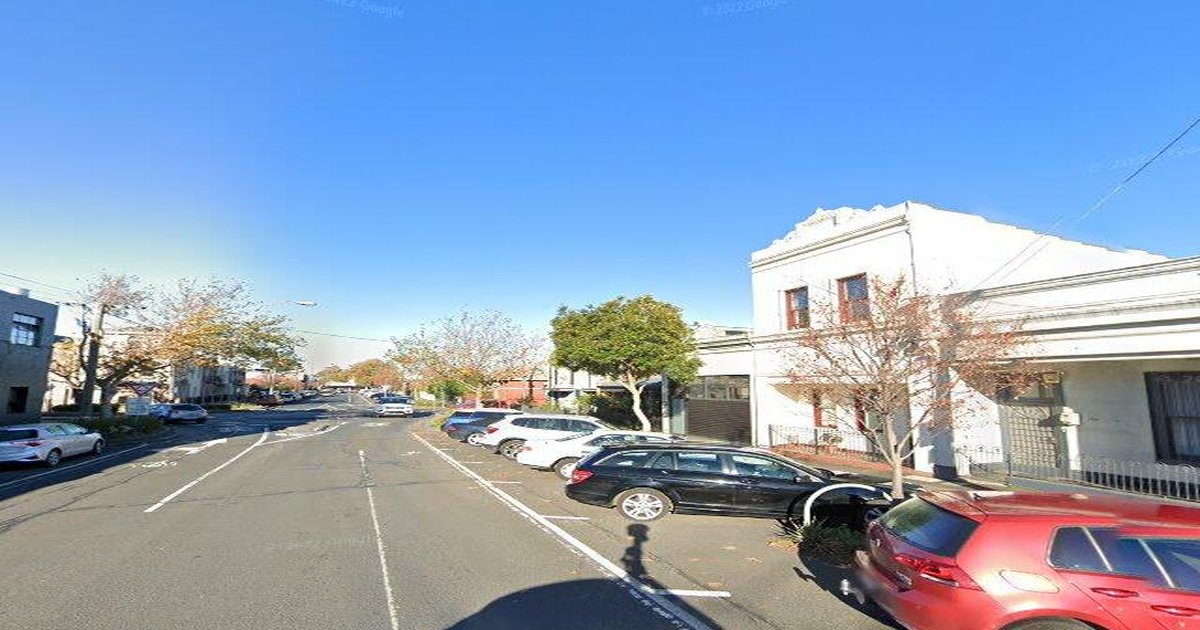
Buying in Richmond is a significant financial decision. Here’s the reality of the market in 2026 — not a sales pitch, not doom and gloom, just the facts and context you need to make a smart move.
Richmond Property Prices: March 2026
Based on Domain, REIV, and realestate.com.au data for Richmond (postcode 3121):
| Property Type | Median Price | Annual Change |
|---|---|---|
| House | $1.4 million | +2.8% |
| Townhouse | $1.05 million | +3.1% |
| Apartment (2-bed) | $620,000 | +1.9% |
| Apartment (1-bed) | $420,000 | +1.5% |
Richmond sits in the City of Yarra and benefits from being one of Melbourne’s best-connected inner suburbs. Richmond Station alone serves five train lines (Sandringham, Frankston, Cranbourne, Pakenham, Glen Waverley), and the tram network covers Swan Street (70), Church Street (78), and Bridge Road (109, 48, 75). That connectivity underpins consistent demand.
What Kind of Property Can You Buy?
Apartments — The entry point for most first-time buyers in Richmond. New-builds cluster around Church Street and the Cremorne pocket. Established units along Swan Street and Bridge Road offer older stock with lower body corporate fees. Quality varies enormously — inspect thoroughly. A 2-bedroom apartment on a quiet street off Swan Street is a very different proposition from one above a Bridge Road shopfront.
Townhouses — Middle ground between apartments and houses. Most are newer construction (post-2005) in the eastern pockets near Burnley Station and along the Cremorne border. Usually come with a small courtyard and a car space — luxuries that apartment buyers miss.
Freestanding Houses — The premium end. Victorian and Edwardian terraces dominate the residential streets between Swan Street and Bridge Road. Many have been renovated or extended. Land value drives the price — a renovated 3-bedroom terrace on a quiet street near Church Street will clear $1.5 million easily.
Heritage Properties — Richmond has character homes that attract renovation-minded buyers. The heritage overlay (City of Yarra controls this) means you can’t demolish or dramatically alter the facade. These can be money pits or goldmines depending on your skill and budget.
The Pocket Guide: Where to Buy
Near Swan Street (western end): Closest to the MCG and Richmond Station. Walking distance to the best dining strip. The trade-off: noise on match days and higher density. Apartments dominate. Best for young professionals and investors.
Between Bridge Road and Swan Street: Richmond’s most desirable residential pocket. Quiet tree-lined streets, Victorian terraces, proximity to Gleadell Street Market. This is where families buy when they can afford to stay inner-city. Premium prices.
Victoria Street corridor: The more affordable pocket of Richmond. Closer to North Richmond and the Vietnamese food strip. The 109 tram runs to the CBD. Properties here sit $50,000–$100,000 below the Richmond median for equivalent dwellings.
Eastern pocket (near Burnley): Quieter, greener, closer to the Yarra River trail. Burnley Station provides train access. More townhouses and newer apartments. Slightly less walkable to the main strips but compensated by river proximity and relative calm.
Cremorne border (Church Street south): Technically still 3121 but functions as its own micro-market. Newer apartment developments with modern amenities. A slight premium over the Richmond median reflects newer stock and proximity to the Cremorne tech precinct.
Auction Day Reality
Melbourne runs on auctions, and Richmond is no different. Saturday mornings you’ll see the crowd gathered on footpaths outside properties with varying levels of poker faces.
Tips for auction success:
- Set a hard limit before auction day. Do not go past it.
- Attend several auctions as an observer before bidding for real.
- Have finance pre-approved — unconditional if possible.
- Get a building inspection done before auction (you can’t make it conditional after).
- Understand the reserve price system — the vendor sets a minimum, and it may not be realistic.
- Check the City of Yarra planning portal for nearby approved developments before buying — a 6-storey apartment block approved next door changes everything.
Common Mistakes Buyers Make in Richmond
- Falling in love before due diligence — The charm of Richmond’s heritage streets can override rational analysis. Inspect with your head, not your heart.
- Underestimating renovation costs — Older properties hide expensive problems. Victorian terraces on Bridge Road may look gorgeous but the stumps, plumbing, and wiring could cost $100,000+ to fix.
- Ignoring body corporate fees — For apartments, these add $2,000–$6,000 per year to your ongoing costs. Buildings with pools and gyms charge more.
- Buying on a main road — Swan Street, Bridge Road, Punt Road, and Victoria Street properties are cheaper for a reason — noise and resale difficulty.
- Not researching future development — The City of Yarra planning portal shows approved developments. A quiet street today could have a construction site tomorrow.
Is Richmond a Good Investment?
Richmond’s long-term track record is strong. The suburb has consistently appreciated above the Melbourne median over 10- and 20-year periods, driven by proximity to the CBD (3km), transport infrastructure, and the ongoing dining and entertainment appeal of Swan Street and Bridge Road.
For investors, rental yields in Richmond run approximately 3.2–3.8% for apartments and 2.5–3.0% for houses (based on March 2026 medians). Vacancy rates sit around 1.5–1.8% for the inner east, meaning good properties attract tenants quickly. The combination of capital growth and rental demand makes Richmond a solid long-term hold.
Frequently Asked Questions
Is Richmond affordable for first-home buyers? One-bedroom apartments from $400,000–$450,000 are the most accessible entry point. With the Victorian First Home Owner Grant and stamp duty concessions, a first-home buyer needs a deposit of roughly $60,000–$80,000. That’s achievable but not easy. Two-bedroom apartments start around $580,000–$650,000.
How does Richmond compare to South Yarra for property? Richmond is typically 10–15% cheaper than South Yarra for equivalent properties. You get better transport connections (Richmond Station has five lines versus South Yarra’s two) and arguably more dining variety. South Yarra offers proximity to the Botanic Gardens and Chapel Street. Both are strong long-term investments.
What’s the best street to buy on in Richmond? The quiet residential streets between Swan Street and Bridge Road — think Lord Street, Docker Street, Waltham Street — are the most sought-after. Close enough to walk to everything, quiet enough to actually live in. Properties here rarely come up and sell quickly when they do.
Should I buy near the MCG? Properties within a few blocks of the MCG are cheaper than the Richmond median because of event-day noise, traffic, and crowds. If you don’t mind that (or actively enjoy it), you can get into Richmond for less. If quiet evenings matter to you, look east of Church Street.
Verdict
Buying in Richmond makes sense if the suburb’s lifestyle aligns with your life and budget. The fundamentals — location, transport, community, dining — underpin ongoing demand and consistent capital growth. Don’t buy here just because it’s popular — buy because you want to live here (or because the rental fundamentals support an investment).
Do your research, know your numbers, and don’t let auction-day pressure override your financial limits.
Read More
- [Richmond Rent Report 2026](/richmond/rent-report/) — the full rental market breakdown with current prices
- Richmond Neighbourhood Guide — understanding the suburb before you buy
- Richmond for Young Professionals — is it worth the inner-city premium?
Explore More of Richmond
- Richmond History
- Richmond Things To Do This Weekend
- Richmond Cheap Eats
- Richmond Rent Guide
- Richmond Date Night Guide
- Richmond Victoria Street Vietnamese
- Richmond New Openings
- Richmond Things To Do
Nearby Suburbs Worth Checking
Data sourced from Google Places, OpenStreetMap, and ABS Census. Compiled April 2026. Found an error? Contact us.
💬 Discussion
Join the conversation — no account needed