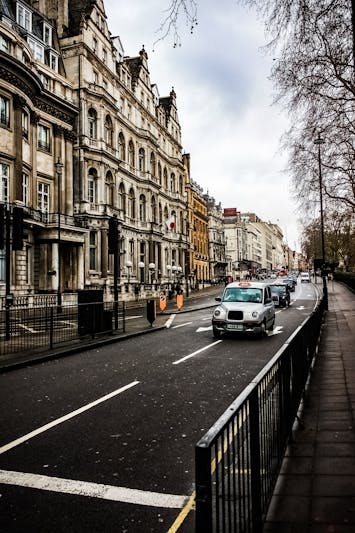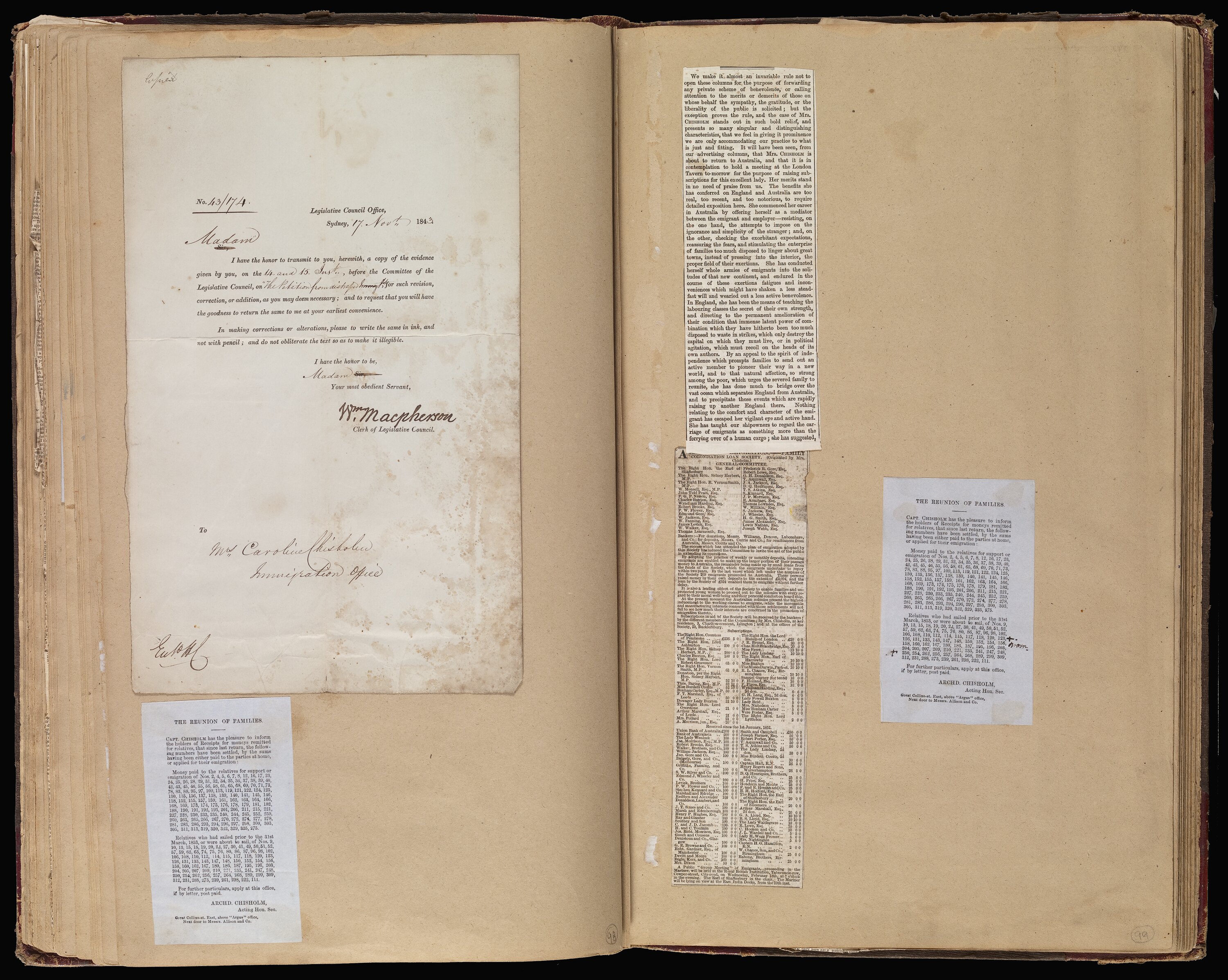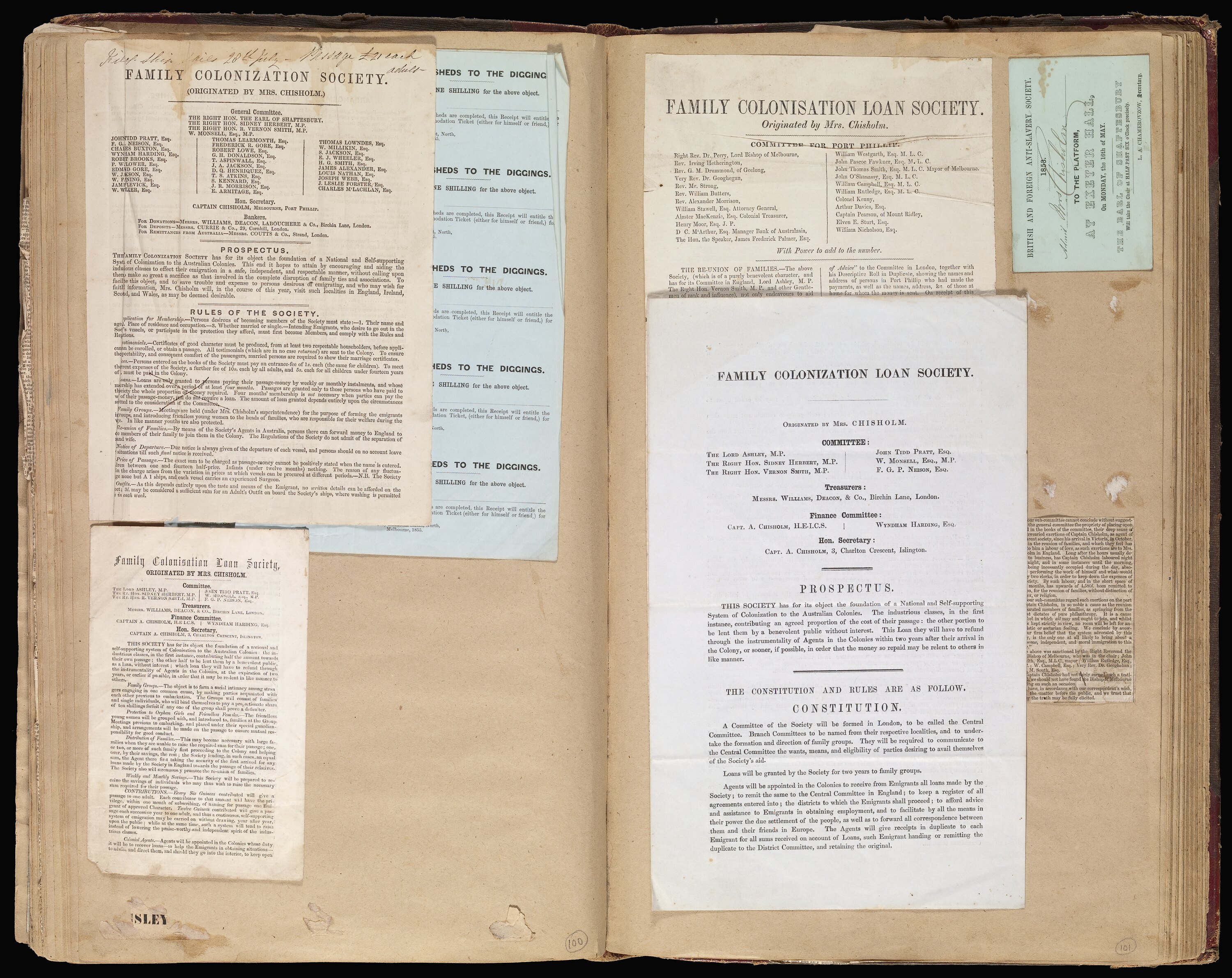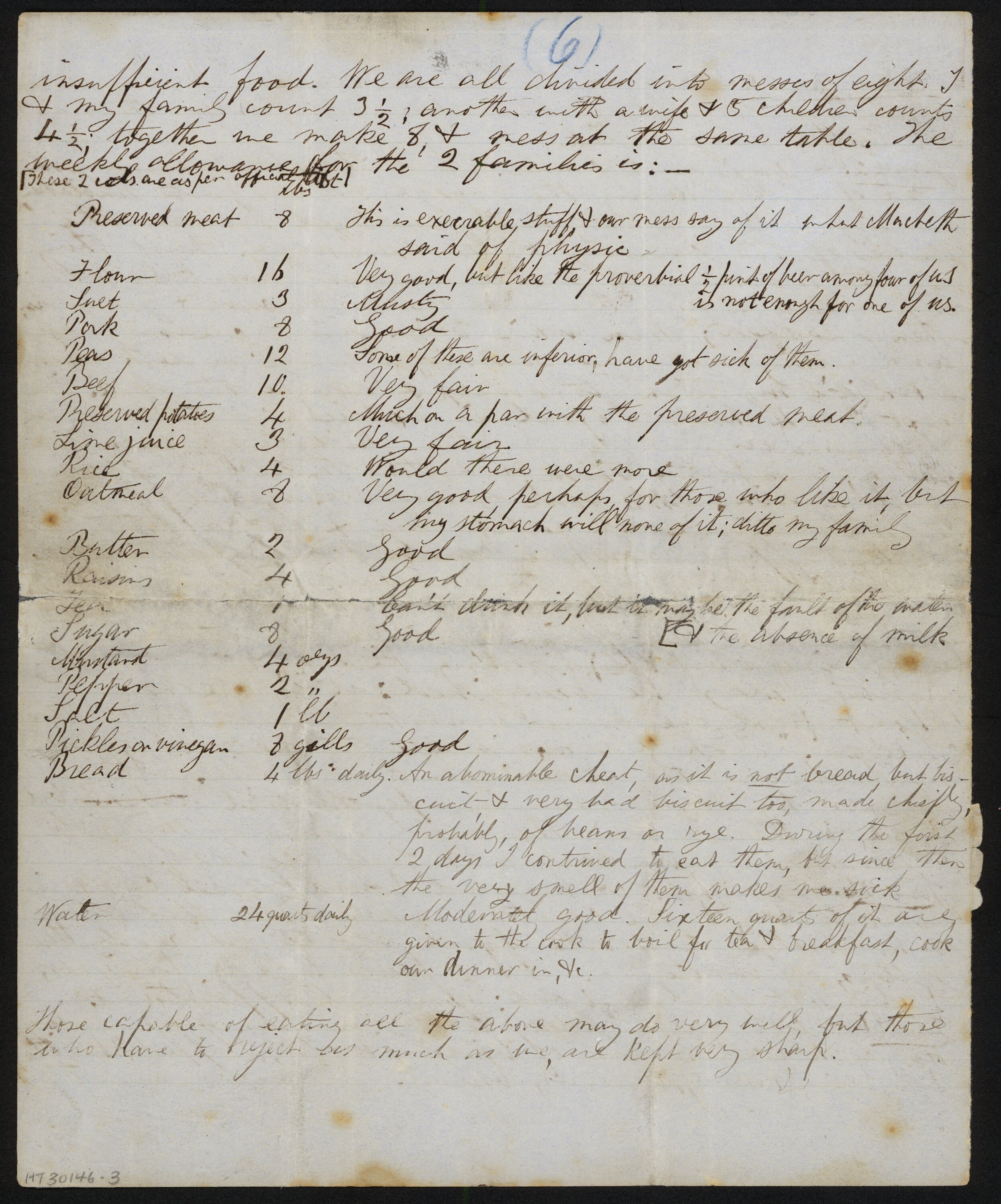
You can read Scoresby wrong if you only see the quiet streets. The useful version is simpler: paddocks became family housing, work shaped the social life, and the suburb is still deciding what to keep as Melbourne keeps pushing outward.
The Verdict
Scoresby’s defining story is the post-war housing boom, not some neat cafe-led reinvention. If you only take one idea from its history, make it this: Scoresby was built as a practical outer-east family suburb, shaped by agricultural land, market gardens, migration, work, and the slow conversion of open land into streets of homes. That matters because it explains why the suburb still feels more lived-in than polished. The bones are suburban and functional: housing stock from a different era, community institutions that carried daily life, and a street pattern that grew out of Melbourne’s outward push rather than inner-city fashion.
The interesting bit is the tension. Scoresby has changed, but it has not fully traded its old identity for a showroom version of itself. The old buildings beside newer ones, traditional shops near upgraded spaces, and established residents alongside newer arrivals are the real story. Better food options, safer streets, improved infrastructure, and higher property values all arrived with the renewal. So did the losses: affordable shops, older local institutions, and the kind of suburb that did not need to perform for anyone. Don’t buy the lazy line that Scoresby was simply “improved” by change. Some people gained, some people were priced out, and the suburb makes more sense when you hold both truths at once.
Local Reality
Scoresby’s history is easiest to read at street level, not in a timeline. Look around the shopping strip, the parks, the sports clubs, and the church halls and you can see what the suburb was built to do: house families, support workers, and give people enough local infrastructure to build a life without heading into the city for everything. The suburb sits inside the wider Melbourne story that pushed outward from the Yarra in waves, but Scoresby’s version is quieter and more practical than dramatic.
The old agricultural layer still matters because it explains the scale. Before the family homes, there was open land, market gardens, and a suburb waiting for Melbourne’s growth to reach it. Then the post-war decades turned paddocks into streets. That change did not land in one clean moment. Long-term residents watched it happen street by street, with new families, new languages, and new routines arriving over time.
The warning is this: skip the nostalgia if it turns into pretending the old Scoresby was perfect. It was not. The working years had community, but they also had fewer choices. Renewal brought useful things: more diverse food, better public spaces, and more reasons to stay local. But if you are west of the main Scoresby story and your daily life already points toward Wantirna South or Wheelers Hill, those histories may explain your routine better. If you are looking toward Rowville or Ferntree Gully, you are reading a different edge of the outer east altogether.
The Decision Frame
If you’re a new resident trying to understand the suburb, start with the post-war housing story. It explains why Scoresby feels settled, residential, and practical rather than glossy. If you’re a long-term local, the most useful lens is loss and replacement: which shops closed, which buildings disappeared, and which community habits survived. If you’re looking at property, focus on the older housing stock and the pressure created by continuing demand. If you’re a family, pay attention to the community infrastructure: parks, sports clubs, church halls, and the local routines that made the suburb work before it became another point on Melbourne’s growth map.
Cost expectations are part of the history too. Scoresby became more valuable as Melbourne expanded, infrastructure improved, and buyers looked further out for space. Existing owners often benefited from that lift. Renters, younger families, and people tied to older affordable shops did not always get the same deal. That is the uncomfortable part of suburban renewal: the suburb can become more liveable at the same time it becomes harder for some people to remain in it.
Time of day changes how you read the place. A weekday makes the working-suburb history more obvious: movement, errands, school runs, and practical local trips. A weekend shows the family layer more clearly, with parks and local institutions doing the social work that pubs, clubs, and halls once carried more heavily. Seasonally, Scoresby is not a suburb that reveals itself through one big event. It is slower than that. Walk it more than once, and the layers make more sense.
What to Do Next
Walk Scoresby with the old paddock-to-family-homes story in mind, then read the current suburb picture in the Scoresby suburb guide. Skip the easy nostalgia; the real history is what changed, who gained, and what still feels local.