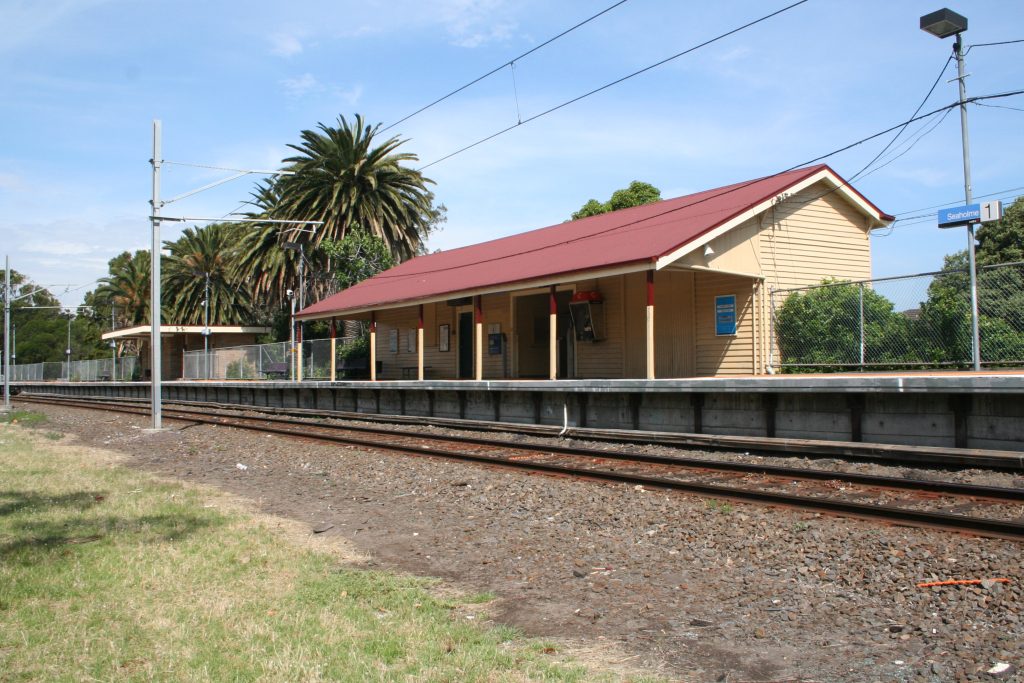
You walk through Seaholme and the suburb looks quiet, but the story underneath is not: a seaside escape became a permanent bayside neighbourhood, then kept absorbing Melbourne’s growth without losing every trace of where it started.
The Verdict
Seaholme’s defining history is the shift from holiday retreat to permanent residential suburb. If you only remember one thing, remember that: this was once a place Melburnians used differently, as a seaside release from the city, before transport, housing demand, and everyday suburban life made it a place people stayed. The original bones still matter: the street grid, older housing stock, parks, public spaces, and community institutions were not built for today’s property market. They were built for a slower, more local version of life.
That makes Seaholme different from the louder nearby stories. Williamstown carries the obvious historic drama, Altona has the bigger industrial and bayside footprint, and Altona Meadows tells a more modern growth story. Seaholme sits between those narratives. Its history is quieter, but that is the point. The suburb’s changes happened street by street: holiday crowd to permanent residents, milk bars giving way to newer local businesses, older institutions surviving in altered form, and property values rising as the suburb became more desirable. Don’t reduce Seaholme to a generic gentrification story, though. You’ll miss the specific tension that makes it interesting: the suburb gained liveability, investment, and better everyday options, but some of the old affordability and unpolished local character went with it.
Local Reality
What it’s actually like is layered rather than dramatic. Seaholme does not announce its history with one grand landmark or a neat heritage trail. You read it in the mix: older homes beside newer builds, traditional suburban layouts adapted to modern expectations, and the lingering sense that this was once more modest and less watched. The suburb’s seaside origin still matters because the bay shaped why people came here in the first place. The later transport improvements changed the question from “can we escape here?” to “can we live here?”
The useful comparison is with Altona and Williamstown. Altona gives you the broader western bayside context, while Williamstown gives you the more obvious historic reference point. Seaholme is smaller and less showy, so its history is easier to overlook if you are expecting plaques, preserved shopfront theatre, or a single postcard version of the past. That is also why it rewards a slower walk. Look at the older streets, the positioning of public spaces, and the way newer housing has been inserted rather than pretending the suburb started fresh.
Skip this history if you want a clean nostalgia piece. Seaholme’s past is not just charming old buildings and beachside memory; it includes pricing pressure, demolition, closed local businesses, and the frustration of people who watched familiar places disappear. If you are coming from west of Altona Meadows looking for a big, obvious heritage hit, you will probably get more from Williamstown first. Come to Seaholme when you want the subtler story of how ordinary Melbourne suburbs change.
Who This Suits
If you’re a new Seaholme resident, read the suburb as a before-and-after map. The current quietness makes more sense when you understand that permanent residents replaced the holiday rhythm over time. If you’re a property watcher, focus on the tension between older housing stock and new development pressure. That is where the suburb’s next chapter is already visible. If you’re a local history person, compare Seaholme with Altona and Williamstown rather than isolating it. The contrast explains why Seaholme feels understated. If you’re a long-term resident, the important frame is loss as well as gain: better infrastructure and more options came with rising costs and changed social texture.
Cost expectations are simple: the historical story is tied directly to desirability. Seaholme became more liveable, better connected, and more attractive to buyers, which helped existing owners but made it harder for some people to stay. That is the trade sitting behind the nicer streets, better food options, safer public spaces, and higher property values. History here is not separate from the market; it is one of the reasons the market changed.
Time of day changes how the suburb reads. A weekday walk can make Seaholme feel purely residential, almost too quiet for its own story. A weekend walk gives you a better sense of how the suburb functions now: established residents, newer arrivals, families, and people moving between nearby bayside suburbs. Season matters too. The seaside origin is easier to understand in warmer weather, when the old idea of escaping the city heat feels practical rather than abstract.
What to Do Next
Walk Seaholme slowly before comparing it with Altona or Williamstown. Start with the suburb’s current shape, then read the history through what has changed and what survived. For the present-day version, use the Seaholme suburb guide.