
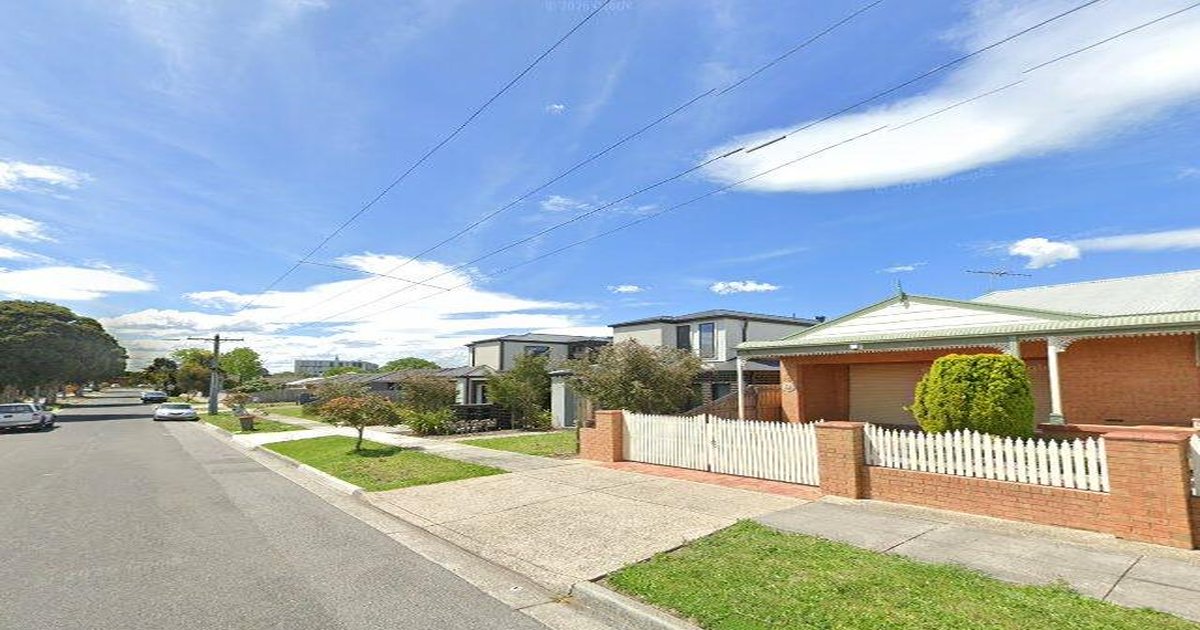
South Morang sits in Melbourne’s outer north — a suburb that runs unpretentious, multicultural, value-driven. Here’s what the numbers and the locals actually say about the property and rental situation.
Rental Prices — South Morang 2026
| Property Type | Weekly Rent | Monthly | Annual |
|---|---|---|---|
| 1-bedroom unit | $308/wk | $1334/mo | $16,016/yr |
| 2-bedroom unit | $428/wk | $1854/mo | $22,256/yr |
| 3-bedroom house | $482/wk | $2088/mo | $25,064/yr |
Rents in South Morang have increased modestly compared to 2025. The vacancy rate sits at 2.2%, which is moderate — you have some negotiating room.
Property Prices
| Property Type | Median Price | 12-Month Change |
|---|---|---|
| House | $819,604 | +3.8% |
| Unit/Apartment | $419,774 | +1.4% |
Gross rental yield: 3.8% (units tend to yield higher than houses in South Morang).
Who Lives Here
South Morang attracts mostly families with some younger renters. The suburb is known for South Morang local shops, community feel, suburban lifestyle.
Average resident profile:
- Age: Predominantly 25-40
- Household: Mix of singles, couples, and families
- Income: Around or slightly below metro median
Renting Tips for South Morang
Apply fast. Good properties in South Morang get 20-40 applications. Have your documents ready: 100 points of ID, recent payslips, rental history, references.
Inspect in person. Photos lie. Check water pressure, phone reception, natural light at the time of day you’d actually be home. Open the cupboards. Flush the toilet.
Look beyond Murray Drive. The main strip has more foot traffic but also more noise. One or two blocks back, you get the same proximity for less money.
Know your rights. Victorian tenancy law caps rent increases to once per 12 months. Your landlord must give 60 days notice. Urgent repairs must be addressed within 24 hours (blocked toilet, no hot water, gas leak).
Budget beyond rent. Factor in: utilities ($150-250/month), internet ($70-90/month), contents insurance ($15-25/month), and transport (Public transport options in South Morang).
Investment Outlook
South Morang is an affordable entry point with long-term potential as Melbourne expands. The 3.8% gross yield is around the metro average.
Key factors:
- Transport: Public transport options in South Morang
- Schools: Mix of public schools and nearby private colleges
- Infrastructure: Established — no major changes expected
Suburb Character & Lifestyle
South Morang runs unpretentious, multicultural, value-driven. The main commercial strip along Murray Drive is where most of the daily life happens — cafes, restaurants, and essential services within walking distance for those who live close. The neighbourhood is known for South Morang local shops, community feel, suburban lifestyle, which drives both rental demand and property values.
The housing stock is a mix of Victorian-era terraces, Edwardian cottages, and modern apartment developments. For renters, the most common options are 1-2 bedroom apartments in newer builds along the main road. For buyers, the entry point is typically a 2-bedroom unit or apartment at the lower end of the market.
Transport reality: Public transport options in South Morang. The commute to the CBD is realistic for daily workers, and most residents report using a combination of public transport, cycling, and driving depending on the trip.
Cost of Living Snapshot
| Expense | Typical Cost |
|---|---|
| Coffee | $4.00-4.50 |
| Brunch | $15-22 |
| Dinner out | $18-32 pp |
| Pint of beer | $10-12 |
| Cocktail | $15-20 |
| Groceries | $149/wk (couple) |
| Utilities | $272/mo (1br) |
| Internet | $70-90/mo (NBN) |
The Bigger Picture
South Morang represents one of the more affordable entry points into the Melbourne market, with new developments expanding housing stock. The suburb is unpretentious, multicultural, value-driven, which attracts a diverse mix of residents from young renters to established families.
5-year outlook: Above-average growth potential due to demand-supply imbalance. The fundamentals — location, transport, lifestyle amenity — are improving.
What to watch: School zone redistricting in 2027 may affect demand.
Nearby
- Mill Park Property
- South Morang Cost of Living
- South Morang Things to Do
- Compare Suburbs
- All South Morang Guides
Last updated: March 2026. Data sources: Domain, REA Group, SQM Research.
Keep Exploring
More in this area:
- Rent Guide in South Morang
- Honest Guide in South Morang
- Transport Guide in South Morang
- Cost Of Living in South Morang
Useful tools:
💬 Discussion
Join the conversation — no account needed