
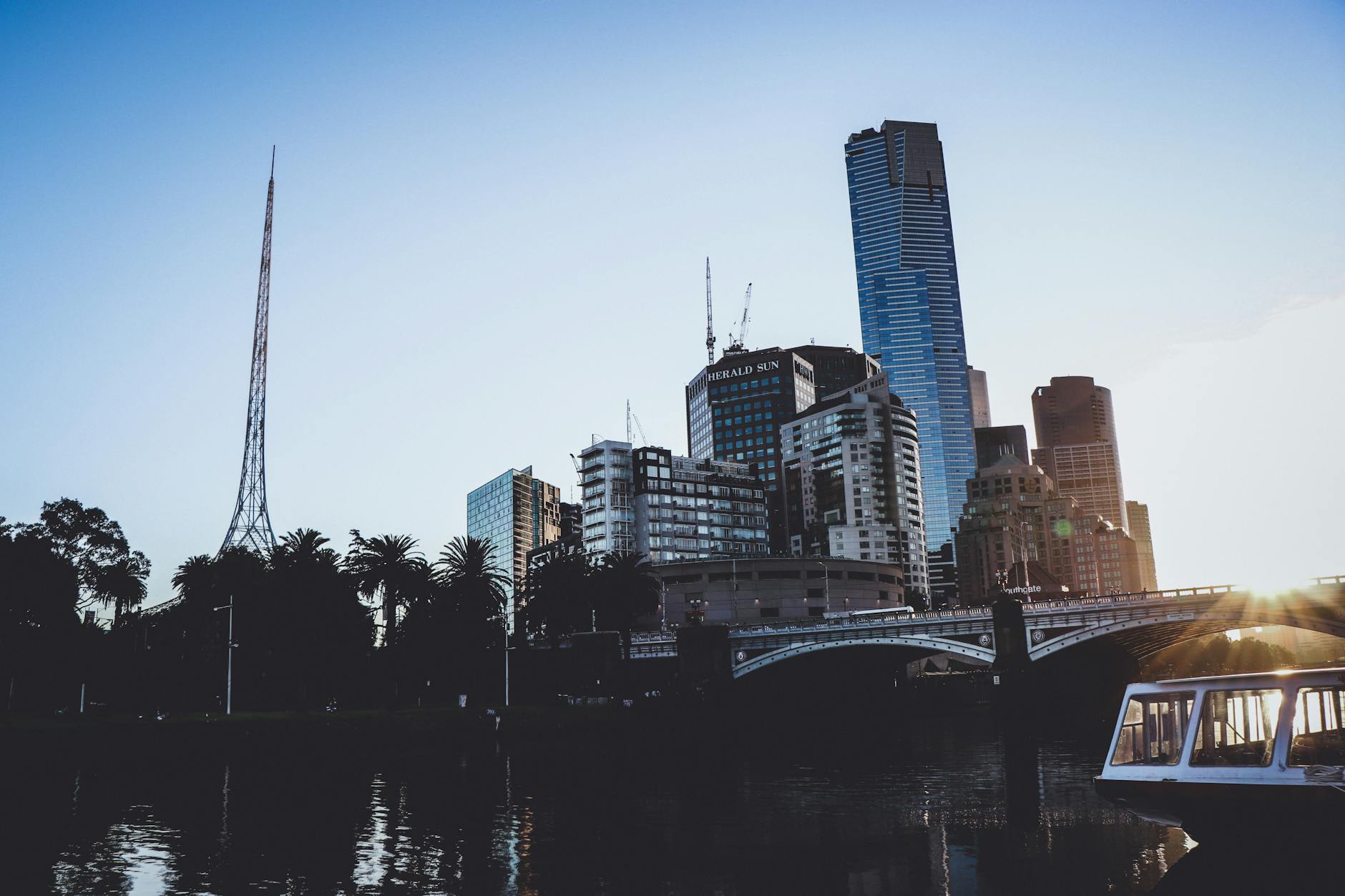
South Yarra’s story is one of old money, careful preservation, and a suburb that’s managed to modernise without losing its bones. Understanding that history explains why the streets feel the way they do today — why the terraces sit next to apartment towers, why Domain Road has a different energy to Chapel Street, and why the property prices have stayed stubbornly high for over a century.
Before European Settlement
The land that became South Yarra was Wurundjeri country, part of the Kulin Nation. The Yarra River — “Birrarung” in Woiwurrung language — served as a food source, a meeting place, and a boundary marker. The river flats and the higher ground where the Royal Botanic Gardens now sit were used for seasonal camping and resource gathering long before surveyors drew their grid lines across the landscape.
The 1840s-1850s: Establishment and Wealth
South Yarra was among the first areas south of the Yarra to attract Melbourne’s colonial elite. Governor Charles La Trobe built his cottage near the present-day Botanic Gardens in 1839 — the site is now part of the gardens’ grounds. By the 1850s, gold rush wealth was flowing into property, and South Yarra’s elevated position, river views, and proximity to the young city made it prime territory.
Como House, built in 1847 on Williams Road, is the suburb’s most intact example of this era. The Armytage family occupied it from 1864 until 1959, and the National Trust now manages it as a public heritage site. Walking the grounds gives you a genuine sense of what South Yarra looked like before Chapel Street existed.
The 1860s-1900s: Victorian Grandeur
The Victorian era gave South Yarra most of the heritage architecture that still defines its residential streets. Ornate terraces along Claremont Street, grand homes on Domain Road, and the commercial shopfronts along Toorak Road all date from this period. The suburb was firmly established as a wealthy residential area — close enough to the city for business, removed enough for gardens and privacy.
South Yarra station opened in 1859 as part of the Melbourne-to-Brighton line, making it one of Melbourne’s earliest suburban rail connections. Chapel Street’s commercial strip grew around the station, establishing the pattern that still drives the suburb’s retail economy.
The 20th Century: Holding Course
Unlike suburbs that went through dramatic industrial or demographic shifts, South Yarra stayed broadly consistent through the 20th century. The housing stock was maintained rather than demolished. The commercial strips evolved gradually. The demographics shifted from old-money families to a mix that included professionals, students, and immigrants, but the suburb’s underlying character — moneyed, residential, well-located — held.
The apartment boom from the 1960s onwards introduced the high-rise buildings along Toorak Road and the Chapel Street corridor. Not everyone was happy about it then, and the debate about density versus character continues today.
Chapel Street’s Rise and Reinvention
Chapel Street’s transformation from a local shopping strip to Melbourne’s premier fashion and nightlife destination happened across the 1980s and 1990s. The designer boutiques arrived, the restaurants multiplied, and the nightlife scene grew into something genuinely significant. By the mid-2000s, Chapel Street between Toorak Road and Commercial Road was arguably Melbourne’s most famous commercial strip.
The 2010s brought a correction. Online retail hit the fashion stores hard. Several iconic venues closed. COVID accelerated changes that were already underway. In 2026, Chapel Street is reinventing itself again — fewer chain stores, more independent operators, and a food scene that’s matured into something genuinely strong. You can respect the hustle.
South Yarra Today
The suburb carries its history visibly. Victorian terraces sit alongside glass apartment towers. Como House runs community events in gardens that predate Melbourne’s own municipality. Fawkner Park — named after John Pascoe Fawkner, one of Melbourne’s founders — remains the neighbourhood’s communal green space, used daily in 2026 just as the original park planners intended.
What’s been lost: affordable housing, some of the independent businesses that couldn’t keep up with rising rents, and a portion of the community diversity that characterised earlier decades. What’s arrived: better restaurants, improved infrastructure, and a suburb that’s learned to balance preservation with change.
The Verdict
South Yarra’s history matters because it explains the present. The expensive real estate has been expensive since the 1850s. The transport connections have been strong since 1859. The tension between preservation and development has been playing out for 160 years. Understanding that context helps you understand why the suburb feels the way it does — not accidentally premium, but deliberately so, from the very beginning.
FAQ
How old is South Yarra? European settlement began in the late 1830s. South Yarra station opened in 1859. Most of the heritage housing stock dates from the 1860s-1900s.
What is Como House? A heritage-listed mansion built in 1847 on Williams Road, now managed by the National Trust. The grounds are open to the public and the house offers ticketed tours.
When did Chapel Street become famous? Chapel Street’s transformation into a fashion and nightlife strip happened through the 1980s and 1990s, peaking in the mid-2000s. It’s currently in another reinvention phase.
More South Yarra: Neighbourhood Guide | Suburb Guide | Family Guide
Explore More of South Yarra
- South Yarra Late Night Eats
- South Yarra Things To Do This Weekend
- South Yarra Cheap Eats
- South Yarra Rent Guide
- South Yarra Suburb Roast
- South Yarra Date Night Guide
- South Yarra Live Music
- South Yarra New Openings
💬 Discussion
Join the conversation — no account needed