Verdict Box
Best for: renters who want cheaper west-side access, strong Vietnamese and Chinese options, and a station suburb that still feels practical. Skip if: you need a walkable Japanese strip, polished date-night dining, or quiet streets without doing inspection homework. Rent pressure: cheaper than many middle-ring suburbs, but the bargain has narrowed. Smaller units are scarce, and family homes get chased hard. Commute reality: St Albans station is the anchor. Live too far from it and daily life becomes car-first very quickly. Food scene: the honest call is that St Albans is not a Japanese-food suburb. It is much stronger for Alfrieda Street Asian eating, casual bakeries, sweets, chicken, pizza, and late practical meals. Family fit: good value if you need space and can tolerate traffic, school-run congestion, and mixed street presentation. Overall score: 6.5/10 for Japanese cravings, 8/10 for value eating if you stop forcing the wrong category.
At-a-Glance Table
| Factor | St Albans 2026 |
|---|---|
| LGA | Brimbank City Council |
| Postcode | 3021 |
| Geographic tier | West |
| Region | middle-west |
| Transport grade | N/A |
| Overall grade | D |
Who It Suits
Mina, 31, train-dependent renter — wants cheaper rent near a station and can travel for proper Japanese nights. The Alfrieda Street regular — cares more about fast, filling, local Asian meals than a curated dining scene. Sam and Priya, first lease together — can handle a less polished suburb if the rent leaves money for food and bills.
Rent & Property Reality
Median 1BR rent is about $350 per week, with realestate.com.au showing St Albans unit rent growth at 0% year on year in its current renter snapshot: REA St Albans rental market profile. That number is the plainest way to understand St Albans in 2026: it is still cheaper than many suburbs closer to the city, but it is not the loose, easy rental market people sometimes imagine when they hear west-side value.
For a single renter, $350 a week means the suburb can work if your income is steady and you are not trying to live alone in a renovated place right beside the station. Once you add bond, the first rent cycle, electricity, internet, Myki costs, and a car if you need one, the weekly number stops being the whole story. The cheap-looking unit several streets from the train can become less cheap if every shop run, late dinner, or weekend errand needs a drive.
For couples, St Albans is more forgiving. Splitting a small unit can leave room for groceries, bills, and the occasional meal out on Alfrieda Street. The catch is supply. One-bedroom stock is not as deep as the family-home market, so the clean, well-located rentals attract fast applications. If you see a neat unit close to St Albans station, Alfrieda Street, Main Road East, or the quieter residential streets off those corridors, assume other renters have seen the same value.
For the Japanese-food angle, rent matters because you are not paying a premium to live above a sushi-and-ramen precinct. You are paying for station access, larger blocks around the suburb, and a strong everyday Asian food base that leans Vietnamese and Chinese rather than Japanese. That can be a smart trade if your regular life is groceries, trains, and cheap dinners. It is a weak trade if your ideal week involves walking to izakaya, ramen, sushi trains, and tidy dessert bars without leaving the postcode.
The practical test is simple: inspect at the time you will actually be home. A unit that feels fine at 11am can be a different proposition near school pickup, after dark, or when Main Road East traffic is moving badly. St Albans can still be good value, but the value is earned by choosing the pocket carefully, not by assuming the suburb does the work for you.
Local Reality & Pockets
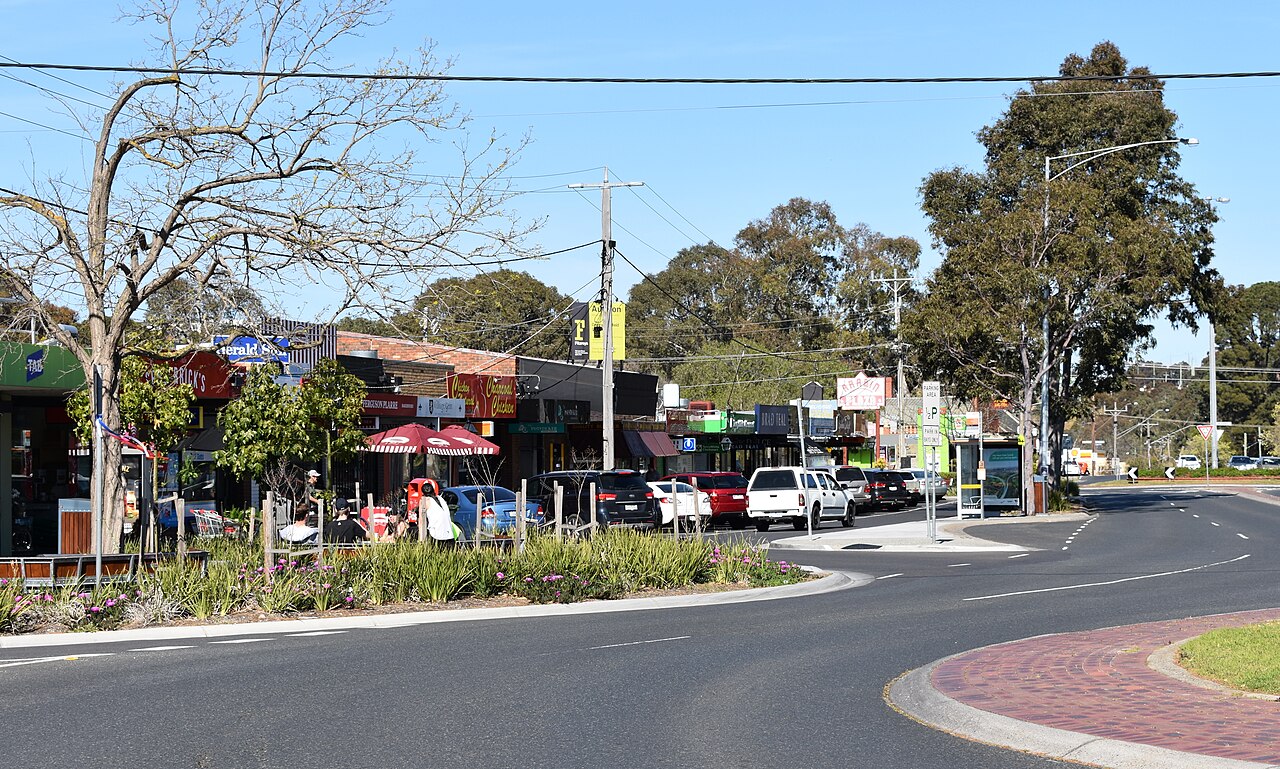
For St Albans, start your search around the station-side streets if you want the suburb to make sense without a car. Alfrieda Street is the food and errand spine, with Quang Vinh at 66 Alfrieda Street and Dessert Story at 24 Alfrieda Street giving you a fair read on how the strip functions: useful, busy at meal times, and more practical than pretty. If you want to eat locally after work, this is the pocket that saves you from driving for every small craving.
Main Road East is the other key corridor, but it comes with a different trade. You get easy access to takeaway and casual food around places like Ai Hue at 306 Main Road East, Nando’s at 329 Main Road East, and Il Padrino at 322 Main Road East, but you also get traffic noise, turning movements, delivery drivers, and less relaxed parking. A place directly on or backing onto Main Road East needs a sharper inspection: open the windows, listen for trucks, check driveway access, and ask yourself whether the convenience is worth the constant movement.
East Esplanade is worth checking if you want to be close to the station and food without being buried in the busiest retail stretch. Marty’a at 7 East Esplanade is a useful local marker. Around there, parking can still be annoying at peak times, but daily life is easier if you are using trains. The strongest pocket for many renters is not the loudest address but the street that is a five-to-ten-minute walk from the station, slightly off the main roads, with enough lighting and foot traffic to feel comfortable after dark.
The first gotcha is that St Albans is often sold as cheap and easy, but the good rentals are not sitting around waiting. Anything clean, secure, and close to transport moves quickly. The second gotcha is category mismatch. If you are reading this for Japanese food, do not pretend the suburb has a deep Japanese scene. It does not. You can eat well here, but the local strength is broader Asian food and everyday value, not ramen counters and omakase energy.
Parking is mixed. Around Alfrieda Street, short errands are manageable if you time them well, but weekend and dinner peaks can test patience. Residential streets vary block by block: some feel calm, others carry cut-through traffic or crowded kerbs from multi-car households. Transport is the suburb’s biggest practical asset, but only if you live close enough to use it without turning every commute into a walk-plus-train-plus-wait calculation.
Signature Craving
The honest signature craving in St Albans is not Japanese. It is the moment you stop hunting for a ramen shop that is not really there and lean into what the suburb actually does well. Quang Vinh on Alfrieda Street is the better local instinct: big-flavour Asian eating, central to the strip, and much closer to the way St Albans locals actually eat on a weeknight. If you want sushi, izakaya, or a polished Japanese dinner, plan to leave the suburb. If you want a practical meal before the train, a cheap feed after errands, or something that reflects the suburb’s real food rhythm, Alfrieda Street beats a forced Japanese shortlist. That is the useful verdict: St Albans is not failing at Japanese food; it is simply playing a different food game.
Comparisons Table
| Suburb | Transport | Tier | Region |
|---|---|---|---|
| St Albans | N/A | West | middle-west |
| Albanvale | n/a | West | middle-west |
| Albion | A+ | West | middle-west |
| Ardeer | D+ | West | middle-west |
Trust Block
Author: Dani Reyes — Melbourne food writer covering suburb-by-suburb honest eats. Pays her own bills.
Data: data/melbourne_suburbs_master.json (Codex per-LGA enumeration, cross-checked vs VEC + Australia Post + ABS SA2 boundaries), data/suburb_scores.json (composite percentile grades), data/venues/.json (OpenStreetMap + Gemini-verified venue catalog).
Last reviewed: 2026-05-26. Not financial advice. We do not accept paid placements in editorial.
FAQ
Q: Is St Albans actually good for Japanese food in 2026? A: Not really, and the useful answer is to say that plainly. St Albans has plenty of casual eating, especially around Alfrieda Street and Main Road East, but its visible local strength is not Japanese dining. If you are expecting ramen, sushi trains, izakaya snacks, and tidy Japanese lunch sets within the suburb, you will likely be disappointed. The better strategy is to live here for value, transport, and broader Asian food, then travel when you specifically want Japanese.
Q: Where should I eat locally if the Japanese options are thin? A: Use the suburb on its own terms. Alfrieda Street is the first place to walk because it concentrates the most useful food activity, including Quang Vinh at 66 Alfrieda Street and Dessert Story at 24 Alfrieda Street. Main Road East gives you more practical takeaway and casual options, including Ai Hue, Nando’s, and Il Padrino. That mix will not replace a Japanese precinct, but it does cover weeknight meals, sweets, quick lunches, and low-fuss dinners better than a forced Japanese list would.
Q: Is Alfrieda Street a good pocket to live near? A: Yes, if you value convenience over quiet. Alfrieda Street puts you close to St Albans station, local eating, errands, and the part of the suburb that feels most useful without a car. The trade is movement: traffic, foot traffic, parking pressure, delivery vehicles, and more noise at meal times. I would favour side streets within walking distance rather than a place sitting directly in the busiest section. Inspect after work, not only during a quiet weekday slot.
Q: What streets or areas should renters inspect carefully? A: Anything on Main Road East needs a careful noise and access check because the convenience comes with traffic. That does not make it a bad address, but you need to test how the home feels with windows open and cars moving. Around Alfrieda Street, check parking and evening lighting. Near East Esplanade and the station, check train access, pedestrian flow, and whether the street feels comfortable after dark. St Albans changes quickly from one block to the next, so do not judge by suburb name alone.
Q: Can you live in St Albans without a car? A: You can, but only if you choose the address deliberately. A place near St Albans station, Alfrieda Street, and the main shopping strip is much easier for a car-light lifestyle. Move deeper into the residential pockets and the suburb becomes more car-dependent for groceries, late meals, family visits, and weekend errands. The mistake is renting a cheaper place too far from the station, then paying for that saving with time, rideshares, or constant driving.
Q: Is St Albans affordable compared with nearby suburbs? A: It is still relatively affordable for Melbourne’s west, especially for renters who care about train access and do not need a glossy food scene. Current REA data shows one-bedroom unit pricing around the mid-$300s per week, while broader unit rents sit higher. The catch is quality and location. Cheap rent on paper can mean older fittings, poor insulation, awkward parking, or a longer walk than you will enjoy in winter. Compare the whole weekly cost, not just the advertised rent.
Q: Is St Albans a good suburb for food writers or serious eaters? A: Yes, if the brief is honest everyday eating rather than polished dining. St Albans rewards people who like suburban food culture, regulars, big portions, practical service, and restaurants that are part of daily life. It is not the suburb I would send someone to for a Japanese feature built around multiple local venues. It is, however, a suburb where you can write well about Vietnamese, Chinese, sweets, takeaway routines, station-adjacent eating, and the gap between reputation and reality.
Q: What is the biggest misconception about St Albans dining? A: The biggest misconception is that every strong food suburb can be stretched into every cuisine category. St Albans is strong for certain kinds of eating, but Japanese is not the natural lane. A weak article would pretend otherwise and pad the list with nearby venues or unrelated places. The better read is more useful: if you live in St Albans, know your local regulars, enjoy the Alfrieda Street rhythm, and travel when a specific cuisine is not represented well in the postcode.
Q: Would Dani Reyes recommend moving to St Albans for food? A: For food in general, yes with caveats. For Japanese food specifically, no. I would recommend St Albans to renters who want value, public transport, and an eating scene that is more practical than curated. I would not recommend it to someone whose weekly routine depends on walking to Japanese dinner, sushi lunch, and ramen on a cold night. The suburb makes sense when you accept its strengths instead of forcing it to behave like a different part of Melbourne.