Verdict Box
Best for: renters who want real food, Sunbury-line access, big-house suburbs, and prices that still make inner-west friends wince. Skip if: you need quiet cafe polish, late-night softness, or streets where parking is effortless after 6 pm. Rent pressure: cheaper than much of Melbourne, but the cheap-looking one-bed stock is thin, older, and often snapped up by people already living nearby. Commute reality: St Albans station is the move if you walk; Ginifer is handy for hospital-side trips; Keilor Plains is calmer for north-side homes. The train is simple, the station precinct is not always smooth. Food scene: Vietnamese, charcoal, chicken, sweets, and no patience for performative brunch. Alfrieda Street does the heavy lifting. Family fit: strong if you need space, schools, shops, and relatives nearby; weaker if your kids need quiet streets around the station at all hours. Overall score: 7.1/10. St Albans works when you stop expecting it to behave like a polished middle-ring suburb.
At-a-Glance Table
| Factor | St Albans 2026 |
|---|---|
| LGA | Brimbank City Council |
| Postcode | 3021 |
| Geographic tier | West |
| Region | middle-west |
| Transport grade | N/A |
| Overall grade | D |
Who It Suits
Nina, 29, nurse on rotating shifts — needs Sunshine Hospital access, cheap takeaway, and a station that still works before dawn. The multi-car family — wants a driveway, bulk groceries, and enough bedrooms without moving to the fringe. Duc, 41, food-first renter — would rather live near Alfrieda Street than pay extra for a suburb with worse dinner.
Rent & Property Reality
Median 1BR rent: $350 per week, roughly +6% year-on-year based on Domain’s current St Albans rental card compared with late-2025 indexed figures; use that as a market signal, not a courtroom-grade statistic. Domain’s current suburb rental page lists 1-bedroom units at $350/week, with 2-bedroom units at $410/week and 3-bedroom units at $460/week, which is the clearest live public benchmark for this article: Domain.
Plain English: St Albans is still one of the more survivable western suburbs for renters, but the cheap number needs context. A $350 one-bed is usually not a sleek apartment above a cute strip with a lift, secure parking, and clean acoustics. It is more likely an older unit, a compact flat, a subdivided arrangement, or something with a trade-off: noise, no private outdoor space, dated fittings, awkward parking, or a walk that feels longer in winter rain. The headline rent is good; the inspection quality varies hard.
For someone arriving in their first month, the trap is comparing St Albans against Footscray or Sunshine only on rent. Yes, the weekly cost can look kinder. But if you choose the wrong pocket, you can spend the savings on rideshares, a second car, storage, or the mental tax of fighting station parking. Prioritise walking distance to St Albans station if your job is on the Sunbury line or in the CBD. Prioritise Ginifer if Sunshine Hospital, Victoria University, or the east side of the suburb matters. Keilor Plains is the quieter play for some households, but it is less useful if your life revolves around Alfrieda Street.
A one-bed renter should budget beyond rent: higher winter heating in older brick units, occasional pest management if the block is poorly maintained, and parking friction around shopping streets. Couples should test the evening noise before applying. Families chasing value usually get better utility from a 3-bedroom house than trying to make a cheap one-bed do too much. The St Albans rental win is not glamour; it is getting a workable base while keeping enough cash for food, transport, and life.
Local Reality & Pockets
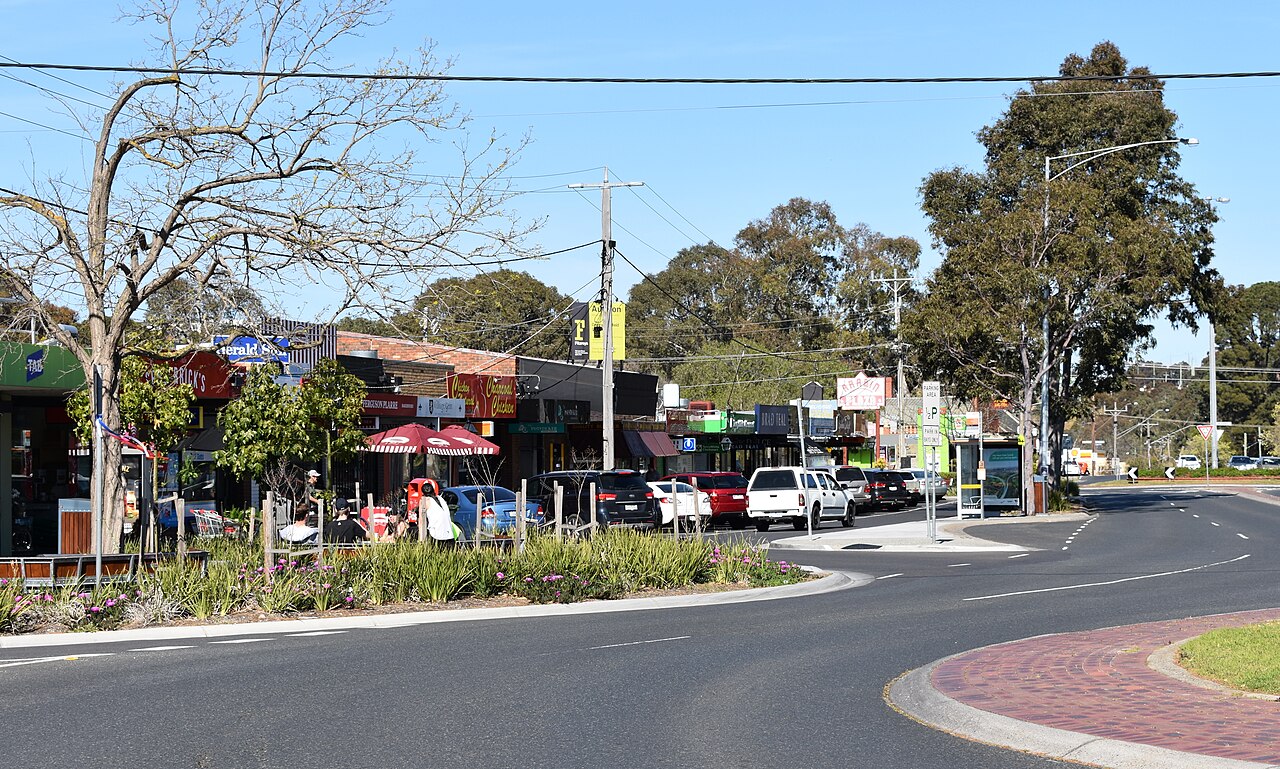
Favour the streets that match your actual week, not the fantasy version of it. If you commute by train, being within a straight, well-lit walk of St Albans station is worth more than an extra bedroom you never use. East Esplanade and St Albans Road put you close to the station and buses, but they also put you near movement, loitering, brake noise, and late food traffic. Alfrieda Street is great when you need groceries, a quick bowl, dessert, phone repair, pharmacy, or a haircut; it is less great when you expect clean kerb access at 6 pm.
Main Road East is useful but loud. Live right on it only if the rent discount is real and the windows are decent. Main Road West has more car logic and less foot-street energy, but it can feel exposed after dark in patches. Around Ginifer, the hospital and station pull cars into nearby residential streets, and Brimbank has been actively reviewing parking pressure around Sunshine Hospital and Ginifer Station. That means signs matter. Do not assume a side street is free all day just because someone else is parked there.
The more comfortable local pattern is this: station-side living if you are car-light, side-street living if you own two cars, and north-west pockets closer to Keilor Plains if you want a calmer home base. Taylors Road is a major boundary to respect; it helps you move, but you do not want your bedroom taking the full traffic wash. Furlong Road and St Albans Road are practical connectors, not peaceful edges.
Two honest gotchas: first, the shopping strip rewards people who know exactly where they are going. Newcomers circle, hesitate, double back, then discover the parking limit or loading zone too late. Second, St Albans has different moods by hour. From 6 to 8 am it is tradies, school prep, and station movement. From 8 to 9:30 am, Main Road East and school-adjacent streets tighten. Lunch is easier. From 3 to 5 pm, school pickup and buses make short trips slow. From 5:30 to 7:30 pm, takeaway runs clog the obvious kerbs. After 9 pm, the station precinct is usable but not cosy. In hot northerly weather, exposed strips feel harsher; in winter, the underpasses and station approaches feel colder than the map suggests.
Signature Craving
The first proper St Albans craving is not brunch; it is the moment you stop pretending you will cook after a commute and head for Alfrieda Street. Quang Vinh at 66 Alfrieda Street is the local reset button: quick, direct, and built for people who know what they want before they sit down. If you are closer to Main Road East, Ái Huê at 306 Main Road East, Il Padrino at 322 Main Road East, Nando’s at 329 Main Road East, and Dessert Story at 24 Alfrieda Street cover the other survival categories: family dinner, easy chicken, sweet stop, and a no-drama meeting point. The trick is timing. Go before the dinner squeeze or commit to walking, because kerbside optimism is how newcomers learn St Albans the annoying way.
Comparisons Table
| Suburb | Transport | Tier | Region |
|---|---|---|---|
| St Albans | N/A | West | middle-west |
| Albanvale | n/a | West | middle-west |
| Albion | A+ | West | middle-west |
| Ardeer | D+ | West | middle-west |
Trust Block
Author: Freya Anderson — Outer-ring correspondent — knows the cafe scene from Beaconsfield to Bayswater.
Data: data/melbourne_suburbs_master.json (Codex per-LGA enumeration, cross-checked vs VEC + Australia Post + ABS SA2 boundaries), data/suburb_scores.json (composite percentile grades), data/venues/.json (OpenStreetMap + Gemini-verified venue catalog).
Last reviewed: 2026-05-26. Not financial advice. We do not accept paid placements in editorial.
FAQ
Q: Which station should I use in St Albans? A: Use St Albans station if your life is centred on Alfrieda Street, Main Road East, the core shops, or a direct Sunbury-line commute. It is the most useful station for everyday errands because you can get off the train and handle food, groceries, pharmacy runs, and buses in one loop. Ginifer suits the hospital and Victoria University side, especially if your work shifts start early or finish late. Keilor Plains is the quieter option for some northern homes, but it is less convenient for the main food strip.
Q: Do I need a car in St Albans? A: You can live without a car if you are close to St Albans station and your work sits on the Sunbury line or connects cleanly through Footscray. But most households here run at least one car because groceries, school trips, medical appointments, family visits, and late-night errands are easier by road. The first-month mistake is renting a cheaper place deeper in the suburb while assuming buses will solve every gap. Check the exact bus route and evening frequency before signing, especially if you work weekends or shifts.
Q: Where should newcomers shop first? A: Start with Alfrieda Street for the everyday St Albans pattern: produce, quick meals, bakeries, small services, phone fixes, and dessert runs. Main Road East gives you more chain and car-based convenience, including Nando’s and Il Padrino nearby. For a first month, do one walking lap from the station along Alfrieda Street before you try to solve everything by driving. You will learn which shops are useful, where the crossings are awkward, and why locals avoid doing a slow car crawl at dinner time.
Q: What are the parking traps? A: The big trap is assuming St Albans parking is casual because the suburb is affordable. Around Alfrieda Street, station edges, Ginifer, and hospital-side streets, restrictions can change from one block to the next. Read the signs every time during your first few weeks. Loading zones, short-stay bays, school-time pressure, and residential spillover all matter. If you are inspecting a rental, visit after 6 pm and again on a weekday morning. A driveway is worth more here than the listing photos usually make it look.
Q: Which roads are useful, and which ones wear you down? A: Main Road East is useful for food, station access, and quick east-west movement, but it carries enough traffic and stopping activity to become tiring if your bedroom faces it. Main Road West is practical for crossing the suburb and reaching larger car-based errands. Taylors Road is a major northern movement route, good for getting out but not ideal as a noise edge. Furlong Road and St Albans Road matter for hospital, station, and school movement. The calmer rental is usually one or two streets back from these roads.
Q: Is Alfrieda Street worth living near? A: Yes, if you value food, errands, and transport more than silence. Living near Alfrieda Street means you can get dinner, dessert, basic services, and the train without planning your whole evening around a car. The trade-off is noise, people movement, parking pressure, and a street environment that can feel rough around the edges after dark. Newcomers who love convenience usually adapt quickly. Newcomers who want quiet streets, easy kerbs, and polished shopfronts should live a little further back and walk in when needed.
Q: What daily routines do locals figure out first? A: First, they time food runs before the dinner parking squeeze, especially near Alfrieda Street and Main Road East. Second, they pick a station based on the day: St Albans for errands, Ginifer for hospital-side trips, Keilor Plains for calmer north-side access. Third, they stop doing big grocery runs at the worst traffic hour and split errands into smaller loops. A newcomer tries to do everything at 6 pm by car. A local walks, parks once, or delays the trip by 45 minutes.
Q: What is St Albans like by hour? A: From 6 to 8 am, expect tradie traffic, early trains, and households getting moving. From 8 to 9:30 am, school streets and main connectors slow down. Late morning is the easiest time for errands. From 3 to 5 pm, school pickup and bus movement make short car trips feel longer than the map says. From 5:30 to 7:30 pm, takeaway and grocery trips hit the same kerbs. After 9 pm, the station and strip are still functional, but most people keep trips direct.
Q: What should I check before signing a lease? A: Inspect the street at the exact times you will use it: morning commute, dinner hour, and late evening. Check whether the bedroom faces Main Road East, Main Road West, Taylors Road, St Albans Road, or a busy cut-through. Test phone reception inside the unit, not just at the door. Confirm parking rules, bin storage, heating, cooling, and whether the block has enough off-street space for residents. For older one-bed units, look hard at windows, damp, kitchen ventilation, and how sound moves between walls.


