Verdict Box
Best for: families who want a real house budget, train access, strong food options, and daily services without paying inner-west prices. Skip if: you need polished streetscapes, quiet cafe-school-run energy, or a suburb where every pocket feels equally settled after dark. Rent pressure: still comparatively affordable, but the cheap end is thin and family homes draw plenty of competition. Commute reality: Sunbury line access is useful, especially near St Albans and Ginifer stations, but weekend works and station parking can bite. Food scene: the strongest family perk is practical food density around Alfrieda Street, Main Road East, and East Esplanade, not fancy dining. Family fit: good for resilient, budget-aware households who inspect streets carefully and prioritise space over postcode polish. Overall score: 7.1/10. St Albans is not the easy lifestyle answer some agents imply. It is a value suburb with real upside, real grit, and enough daily infrastructure to work well if you choose the right pocket.
At-a-Glance Table
| Factor | St Albans 2026 |
|---|---|
| LGA | Brimbank City Council |
| Postcode | 3021 |
| Geographic tier | West |
| Region | middle-west |
| Transport grade | N/A |
| Overall grade | D |
Who It Suits
Nadia, 34, nurse with two kids — wants a three-bedroom rental near the Sunbury line and can handle a less manicured street if the numbers work. The Multi-generational Household — values driveway space, grocery access, and casual dinner options more than a designer main strip. Chris and Linh, first-home planners — want western-suburbs affordability without giving up train access, schools, parks, and late dinner options.
Rent & Property Reality
Median 1BR rent is $350 per week, with the closest published YoY movement at +2% for St Albans units overall; REA’s current St Albans renter snapshot lists the one-bedroom unit line at $350 pw and the broader unit median at $440 pw, based on 411 unit listings over the past 12 months via realestate.com.au market insights.
That number needs a careful reading. A $350 one-bedroom median does not mean family renters will find a comfortable standalone place for bargain money. It mostly tells you that St Albans still has older flats, studios, compact units, and share-house-style listings that sit below the rest of Melbourne’s rental ladder. For a family, the more relevant line is usually the two-bedroom and three-bedroom stock. The same REA snapshot puts two-bedroom houses around $430 pw, three-bedroom houses around $478 pw, two-bedroom units around $420 pw, and three-bedroom units around $480 pw. In plain language: the suburb still offers entry points, but the family-sized market is not loose.
The best value is usually in older houses and units that are clean but plain: original kitchens, basic heating and cooling, long driveways, dated bathrooms, and yards that need weekend maintenance. Newer townhouses often erase the affordability advantage quickly, especially when they sit close to St Albans station, Alfrieda Street, or Main Road East. Families should also budget beyond rent. Older homes can cost more to heat and cool, and some cheaper listings are cheaper because the layout is awkward, the insulation is poor, or the street has heavy through-traffic.
The contrarian point is that St Albans is not just a fallback suburb. It can be a rational family rental choice if you are comparing it with Sunshine, Deer Park, Cairnlea, or Keilor Downs and you need the rent to leave room for childcare, car costs, school expenses, and groceries. But do not shop only by weekly rent. Inspect at school pick-up time, after dinner, and on a wet day. A $20-a-week saving disappears fast if the parking is painful, the bedroom faces a noisy road, or the walk to the station feels wrong for your household.
Local Reality & Pockets
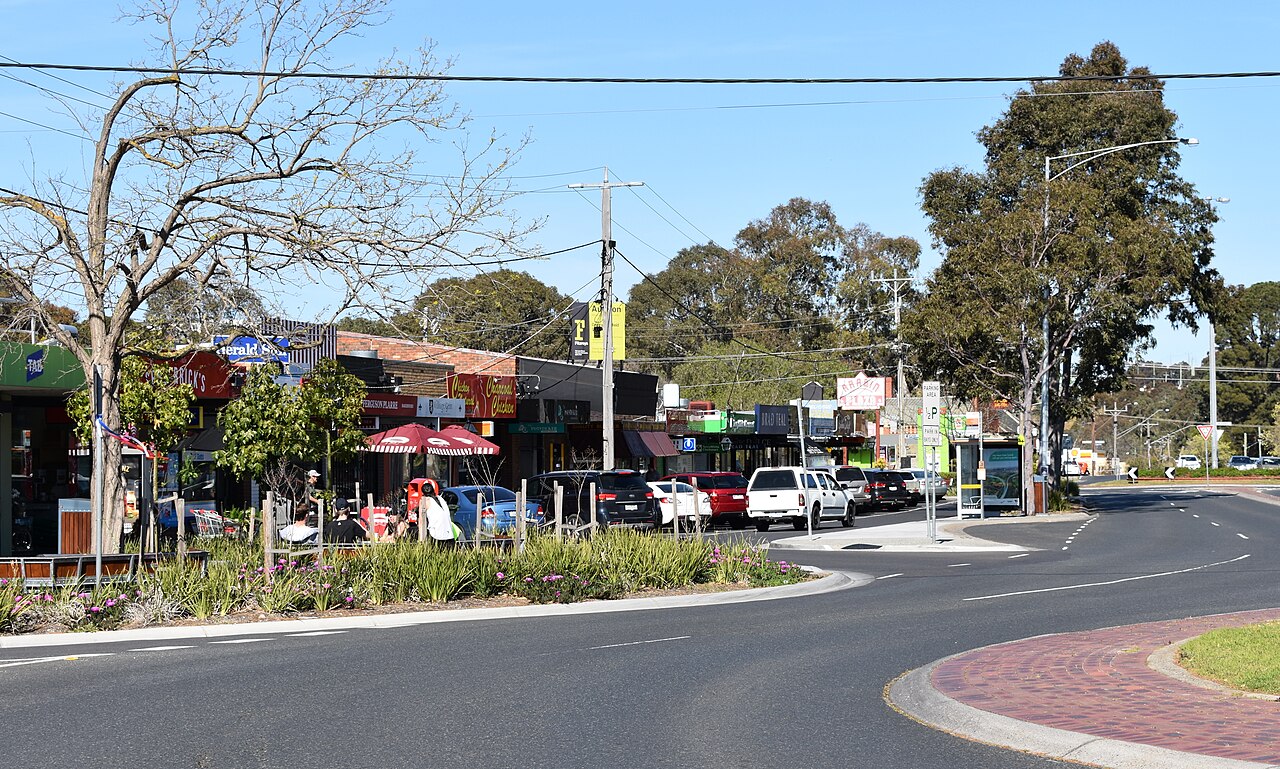
For families, the safest way to read St Albans is by micro-pocket, not by suburb name. Around Alfrieda Street you get the strongest convenience: grocers, pharmacies, casual food, station access, and quick errands. The trade-off is traffic, short-stay parking pressure, delivery vehicles, and more street activity at night. If you want dinner options and public transport within a short walk, this pocket is useful. If you have toddlers, a light sleeper, or a household that needs easy driveway access every evening, inspect carefully.
Main Road East is practical but not peaceful. The venue strip around Ái Huê at 306 Main Road East, Nando’s at 329 Main Road East, and Il Padrino at 322 Main Road East tells you what the road does well: quick food, passing trade, and easy navigation. It also tells you the problem: traffic movement, headlights, buses, parking churn, and less calm for front bedrooms. Families should generally favour side streets set back from Main Road East rather than properties directly on it, unless the home has proper glazing, rear bedrooms, and secure off-street parking.
East Esplanade, near the station side, is convenient but can feel exposed because station-adjacent streets carry commuter movement. Marty’a at 7 East Esplanade is a useful landmark: good for proximity, less ideal if you want complete quiet. Further from the station, streets around established residential blocks can offer bigger lots and calmer evenings, but you then become more car-reliant for groceries, sport, and school runs. Near Ginifer, Victoria University and health-related trip patterns add daytime activity; that can be a plus for buses and services, but parking can be more contested around peak times.
Two honest gotchas matter. First, street presentation varies sharply within a few turns, so do not assume the next block feels like the listing photos. Second, St Albans can be excellent for food and family logistics while still feeling rough around certain station-adjacent or car-park edges after dark. The right family pocket is usually a boring side street with a clean walk route, not the address closest to every amenity.
Signature Craving
The family craving in St Albans is not white-tablecloth brunch; it is the low-friction dinner that saves a weeknight. Quang Vinh on Alfrieda Street is the kind of local anchor that makes the suburb easier for families: quick, familiar, casual, and close to the errands people are already doing near the main strip. Dessert Story at 24 Alfrieda Street covers the after-dinner treat run, while Marty’a on East Esplanade and Il Padrino on Main Road East handle pizza nights when cooking is not happening. The honest verdict: St Albans food works best when you treat it as practical family infrastructure. You will not be short of options, but parking and footpath activity around Alfrieda Street can make a supposedly quick stop feel longer than planned.
Comparisons Table
| Suburb | Transport | Tier | Region |
|---|---|---|---|
| St Albans | N/A | West | middle-west |
| Albanvale | n/a | West | middle-west |
| Albion | A+ | West | middle-west |
| Ardeer | D+ | West | middle-west |
Trust Block
Author: Priya Sharma — Family-and-community correspondent; reads council planning notices for fun.
Data: data/melbourne_suburbs_master.json (Codex per-LGA enumeration, cross-checked vs VEC + Australia Post + ABS SA2 boundaries), data/suburb_scores.json (composite percentile grades), data/venues/.json (OpenStreetMap + Gemini-verified venue catalog).
Last reviewed: 2026-05-26. Not financial advice. We do not accept paid placements in editorial.
FAQ
Q: Is St Albans actually good for families in 2026? A: Yes, but only for families who are comfortable choosing street by street. St Albans has the ingredients families usually need: train access on the Sunbury line, primary and secondary school options, everyday shops, larger older homes, food around Alfrieda Street and Main Road East, and rents that still compare well with many Melbourne suburbs. The catch is uneven polish. Some blocks feel calm and practical; others carry noise, parking pressure, or more after-dark activity. It suits families who inspect carefully rather than buying the suburb-wide sales pitch.
Q: Which parts of St Albans should families inspect first? A: Start with quieter residential streets set back from Alfrieda Street, Main Road East, and the station edges, then test how the school run and grocery run would actually work. Side streets can give you the best balance: close enough to services, but away from the heaviest traffic and parking churn. Around Ginifer can suit households using Victoria University, health services, or the train, but check peak parking. Around Alfrieda Street is convenient, but families should inspect at night and during busy trading periods.
Q: Is St Albans station safe for teenagers commuting to school? A: Many teenagers use the Sunbury line without issue, but parents should be realistic about the station environment. St Albans is a busy transport node, and the station surrounds can feel different at 4 pm, 8 pm, and late at night. For families, the better question is the full door-to-door route: lighting, crossings, who else is around, and whether your child has a simple backup if a train is cancelled. Walk the route together before committing to a rental or purchase.
Q: How does St Albans compare with Sunshine for families? A: Sunshine generally has stronger regional-centre energy, more major retail, more visible development momentum, and bigger transport interchange benefits. St Albans usually wins on price, family-sized rental value, and a more immediate everyday food strip around Alfrieda Street. The trade-off is that St Albans feels less polished and varies more sharply street to street. If you want a larger home and can accept a rougher-looking pocket, St Albans may make more sense. If you want broader services and stronger perceived growth, Sunshine may justify the extra cost.
Q: Are schools a reason to move to St Albans? A: Schools are a reason to consider St Albans, but not a reason to skip your homework. St Albans Primary School, St Albans North Primary School, University Park Primary School, and St Albans Secondary College are all part of the local education picture, but Victorian school zones can change and enrolment rules matter. Families should check Find my School, call the school directly, and test the commute at real times. The practical advantage is choice and proximity, not a single prestige school carrying the whole suburb.
Q: Do families need two cars in St Albans? A: Not always, but many households will still find a second car useful. If you live close to St Albans station or Ginifer station and one adult works along the Sunbury line, one car can work. The harder parts are weekend sport, childcare drop-offs, larger grocery runs, and visiting relatives across the west where public transport is less direct. Parking also matters: some older homes have long driveways, while newer townhouses can be tighter. A cheap rent is less useful if your household logistics need constant rideshares.
Q: What are the biggest family gotchas in St Albans? A: The first gotcha is noise. Main Road East, station-adjacent streets, and busier sections near Alfrieda Street can carry traffic, late food runs, and parking turnover. The second is property quality. Older rentals may look affordable but have weak insulation, tired heating, poor cooling, or awkward bedroom placement. The third is block-by-block variation. You can move from a calm family street to a much less comfortable setting in a few minutes. Inspect more than once and do not rely on midday open-home impressions.
Q: Is Alfrieda Street a plus or a minus for family living? A: It is both. Alfrieda Street is one of the reasons St Albans works: food, quick errands, groceries, cafes, and train access are all close. For busy parents, that can remove a lot of friction from the week. But living right on top of the strip is different from living near it. Parking can be tight, traffic can be impatient, and evening activity may not suit every household. The sweet spot is often a walkable side street where you can use Alfrieda Street without absorbing all of its noise.
Q: Would you buy or rent in St Albans as a family? A: I would rent first if you are new to the suburb, especially with children. St Albans rewards local knowledge: which streets feel calm, which station route you actually like, where parking becomes annoying, and whether the food-and-train convenience offsets the rougher edges for your family. Buying can make sense because land, train access, and established services are real strengths. But I would not buy off suburb-level affordability alone. Spend weekends there, visit at night, and compare several pockets before treating it as a long-term family base.