You are ready to downsize, keep your GP close, walk to coffee, and stop driving for every small errand. Sunshine can work for that, but only if you pick the right pocket and accept it is still a busy, real suburb.
The Verdict
Sunshine is a good retirement pick if you want connection over quiet. The best version of retiring here is living a block or two off the main strip, close enough to walk to supermarkets, chemists, Australia Post, cafes, and public transport, but far enough back that traffic noise is not your daily soundtrack. That is the sweet spot: practical services nearby, enough street life to avoid feeling isolated, and no need to plan the whole day around getting in the car.
The main reason Sunshine works is that it is not trying to be a polished retirement enclave. It has families, workers, long-time locals, new apartment dwellers, cafe regulars, park walkers, and people doing ordinary errands. For many retirees, that is better than being surrounded only by other retirees. You get community without the staged feeling. You can walk to coffee, recognise faces, use the shopping strip for everyday needs, and still get into the city or nearby medical appointments by public transport. See the broader Sunshine suburb guide if you want the full suburb background before comparing it with nearby areas.
The catch is that Sunshine is not the answer if your retirement fantasy is total peace, a huge garden, and easy parking outside every shop. Do not pick a home right on the busiest streets unless you genuinely like movement and noise. You will regret choosing convenience so aggressively that you lose the calm you were trying to retire into.
What It’s Actually Like
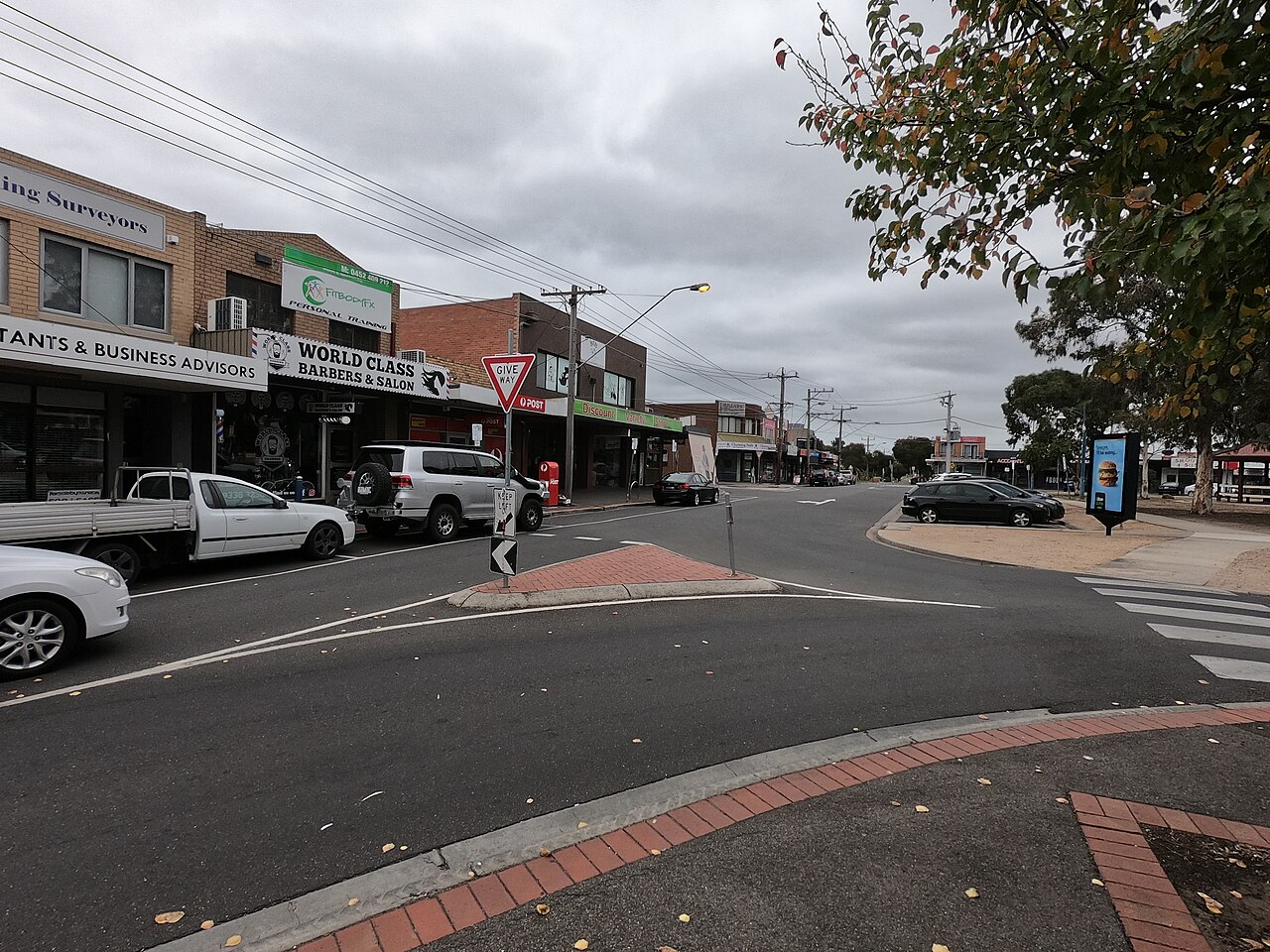
Day to day, Sunshine is useful first and charming second. That matters for retirees. The shopping strip gives you the basics: chemists, newsagents, Australia Post, supermarkets, cafes, and enough places to eat when you do not want to cook. You are not stranded in a quiet suburb where every errand becomes a drive. During the day and early evening, walking feels viable in the central areas, and the footpaths are generally workable for regular short trips.
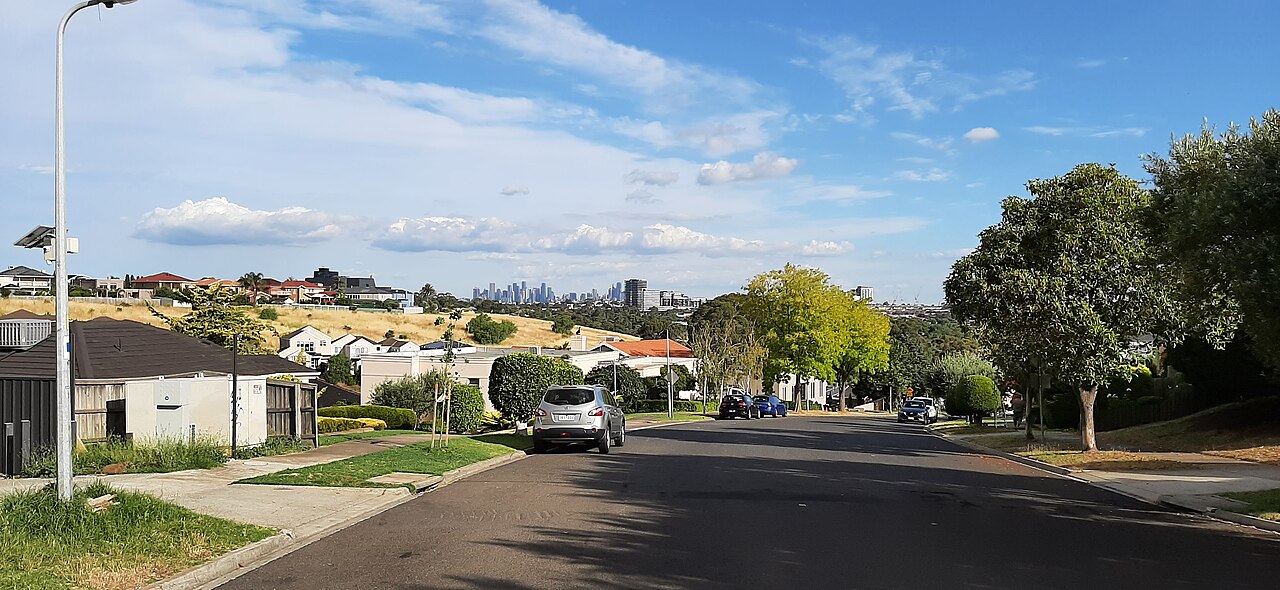
The street choice is the whole game. A home just behind the main strip gives you the better version of Sunshine: you can walk in for groceries, coffee, the post office, or a prescription, then retreat back to a quieter street. Go too close to the busier roads and you will notice the traffic. Go too far out and the suburb starts losing one of its best retirement advantages, which is being able to handle small daily needs on foot.
Parking near the shops can be competitive, especially when the popular cafe and shopping hours overlap. Weekend crowds are not unbearable, but they do change the feel. If you like doing errands slowly and without stress, weekday mornings are your friend. Parks and green spaces are useful for daily walks, though Sunshine is more practical urban suburb than leafy retirement postcard.
Skip Sunshine if you need rural-level quiet or want a large older home with a generous garden at an easy price point. Those bigger homes are at a premium, and some services will still require travel to neighbouring suburbs. If you are west of the most convenient walking pockets and still relying on the car for everything, you should compare Sunshine West, Sunshine North, Braybrook, and St Albans before deciding.
Who This Suits
If you are a downsizer who wants to keep independence, pick a smaller townhouse, unit, or apartment within walking distance of the main strip. If you are a social retiree, pick Sunshine for the cafe rhythm, park regulars, and everyday community feel. If you are a transport-first retiree, read the Sunshine Transport Guide and prioritise access over extra space. If you are a quiet-life retiree, look one or two blocks back from the busier streets, not right in the middle of the action.
If you are retiring on a strict budget, Sunshine can still make sense because the suburb helps reduce car dependence. Walking to the supermarket, chemist, post office, and cafes is not just convenient; it can reduce the hidden costs of daily life. But do not assume every downsizer option is cheap. Newer apartments, smaller townhouses, and well-located units can attract other buyers who want exactly the same convenience. For broader budget context, compare it with Sunshine Cost of Living.
Time of day matters here. Sunshine feels easiest in the morning, when shops are open, cafes are active, and errands are simple. The suburb quietens in the evening, which is good if you want calm but less ideal if you want a constantly buzzing village feel. Weekends bring more competition for parking near the shops, so retirees who can shop midweek will have a better experience.
The season caveat is simple: in good weather, Sunshine’s walkability is one of its strongest retirement arguments. In rough weather, distance matters more. A ten-minute walk to essentials is fine; a twenty-minute walk because you picked the wrong pocket starts to feel like a chore.
What to Do Next
Walk Sunshine on a weekday morning before you inspect anything: start at the main strip, check the shops, then test the quieter side streets. If transport is your deciding factor, read the Sunshine Transport Guide before you shortlist homes.