Verdict Box
Best for: renters and buyers who want inner-north access, late dinners, walkable errands and a suburb that still has working edges. Skip if: you need easy parking, quiet nights, big backyards or a school-run life with low friction. Rent pressure: high. One-bedroom apartments sit around the mid-$500s weekly and the better stock disappears fast. Commute reality: excellent if your life points toward the CBD, Fitzroy, Carlton, Richmond or Abbotsford. Less simple if you drive cross-town at peak hour. Food scene: unusually strong for a small suburb, but the best value is not always on the prettiest block. Family fit: possible, especially near the quieter eastern and southern pockets, but Collingwood asks families to trade space for access. Overall score: 8/10 if you like dense inner-city living; 5/10 if you are trying to recreate a suburban routine with two cars and silence after 9pm.
At-a-Glance Table
| Factor | Collingwood 2026 |
|---|---|
| LGA | Yarra City Council |
| Postcode | 3066 |
| Geographic tier | Inner |
| Region | inner-north |
| Transport grade | B |
| Overall grade | B |
Who It Suits
Priya, 41, council-notice reader — wants walkability, public transport and planning-change clues before the auction crowd notices. The Car-Light Couple — can live happily with trams, trains, bikes and an occasional car-share booking. The Food-First Renter — will trade storage, parking and a balcony for Smith Street, Johnston Street and late-week dinner choices.
Rent & Property Reality
Median 1BR rent: $550 a week, with Collingwood’s broader unit rent up 3% over the past year according to realestate.com.au’s Collingwood rental snapshot. Domain’s live rental pages also show one-bedroom unit medians around the same level, with current advertised stock clustering from the low-$500s to low-$600s depending on parking, building age and position.
That number is useful, but it can mislead people who have not rented in inner Melbourne recently. A $550 one-bedroom in Collingwood usually means an apartment, not a large older flat with spare storage and easy street parking. If it has secure parking, a good balcony, a newer kitchen, proper natural light and a location near Smith Street or Wellington Street, it can push above the median quickly. If it is cheaper, check the window orientation, lift noise, rubbish room position, short-stay activity, heating and whether the bedroom is really a bedroom rather than a partitioned box.
The plain-language version: Collingwood is not cheap, but it is still often cheaper than paying for a larger place further out and then bleeding time on transport, taxis and delivery. The suburb rewards people who use what is close by. If you walk to groceries, dinner, work transport, parks and appointments, the rent buys back hours. If you mostly drive and want a quiet garage-to-sofa lifestyle, you are paying a premium for benefits you will not use.
For renters, the pressure point is quality rather than raw availability. There are usually listings, but the good ones are inspected hard: apartments with decent light, storage, ventilation and no awkward noise exposure. Budget beyond the headline rent too. Some buildings make car ownership expensive or pointless, older terraces can have heating and insulation issues, and small apartments make storage units tempting. A realistic single renter should treat $550 as the starting line, not the finish line; couples should compare a strong one-bedroom against a modest two-bedroom before assuming the bigger option is automatically out of reach.
Local Reality & Pockets
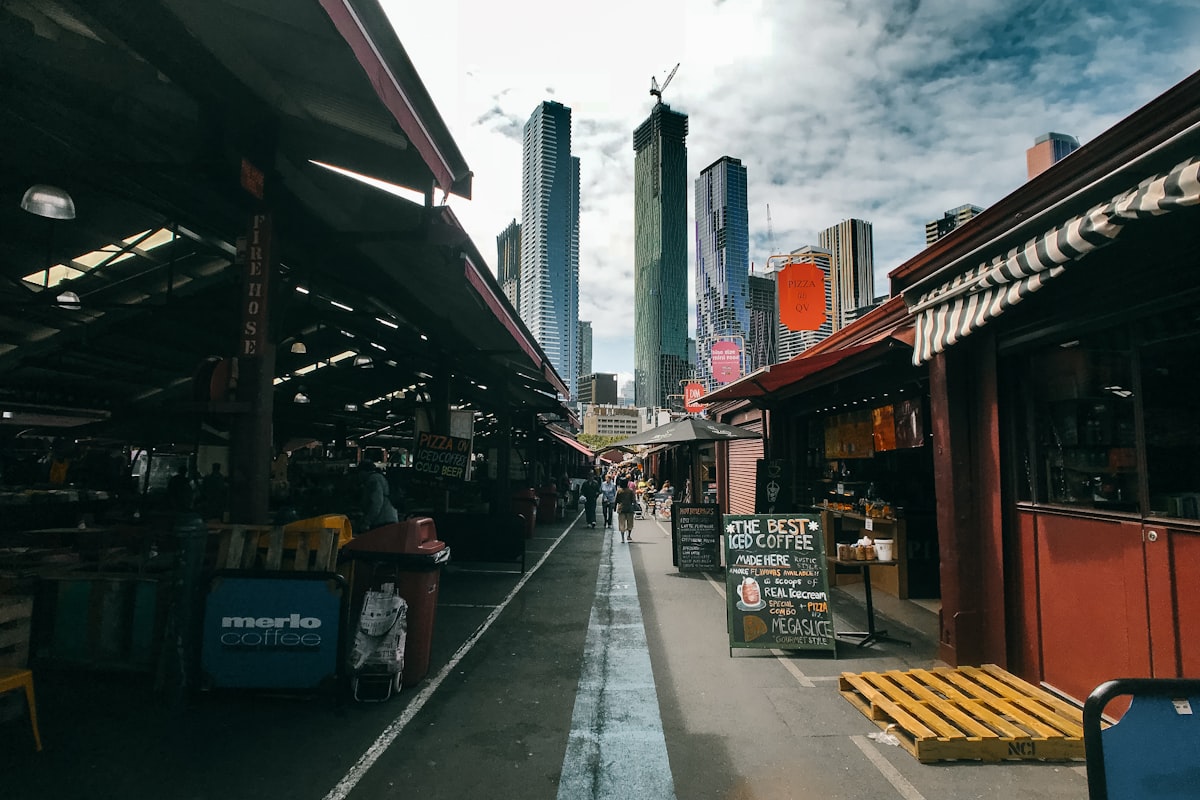
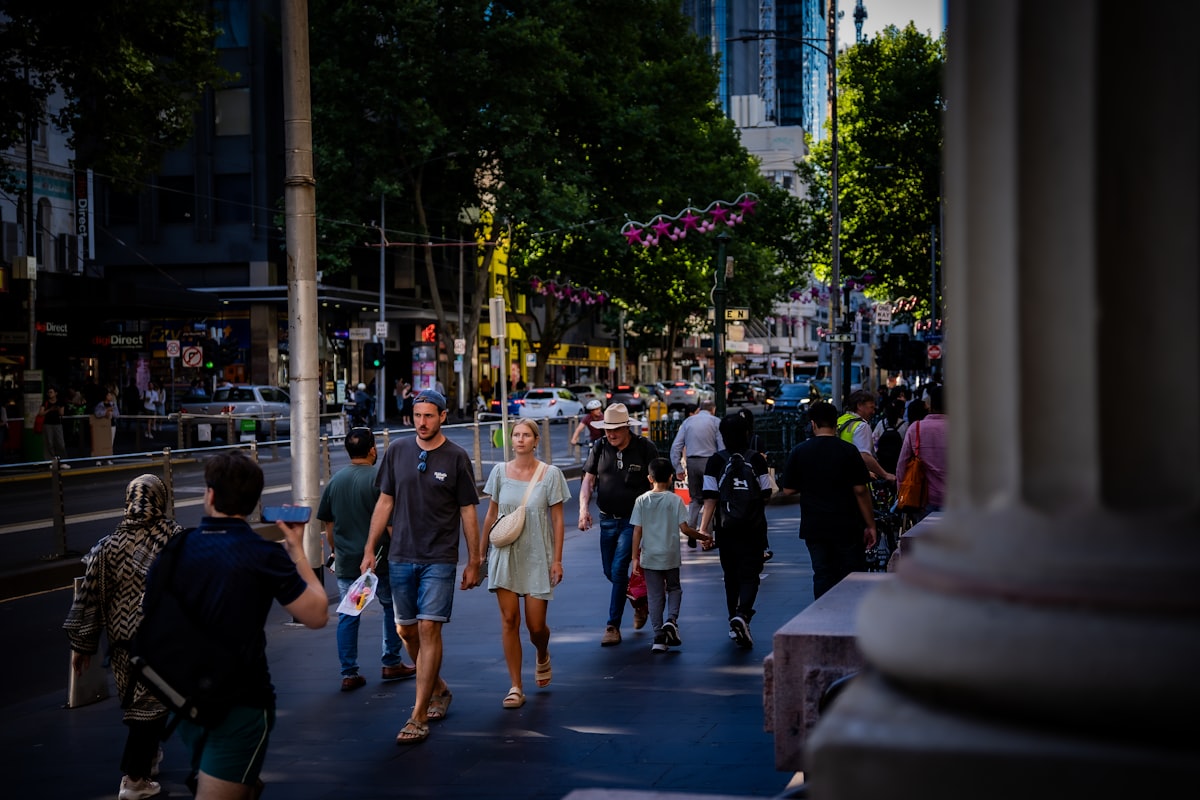
Collingwood is a suburb of tiny distances and big differences. A few minutes on foot can move you from restaurant noise to quiet warehouse conversions, from tram convenience to parking pain, or from a polished apartment lobby to a narrow street where delivery vans and residents fight for kerb space.
Smith Street is the obvious lifestyle spine. Living close to it gives you fast access to trams, supermarkets, cafes and dinner, including addresses like Goon Korean BBQ at 270 Smith Street, Nourish at 118 Smith Street and Pubcha at 88 Smith Street. The trade-off is noise, especially near tram stops, late venues, bottle-shop foot traffic and waste collection. If you are inspecting near Smith Street, go back after 9pm and again early morning. Daytime inspections flatter these apartments.
Johnston Street suits people who want busier street energy and direct east-west movement. Savannah at 7 Johnston Street and Punjabi Curry Cafe at 87 Johnston Street give the strip real food value, but the road can feel hard-edged at night and traffic noise is not theoretical. Stanley Street, with New Jaffa at 32 Stanley Street, can be a better compromise: close enough to eat well, often a little more residential in feel, and useful for people who want access without sleeping directly on top of the action.
For quieter living, look at the smaller streets between the major roads, and inspect the eastern side toward Abbotsford if river access matters. Wellington Street and Hoddle Street edges are practical for movement but can be harsh for noise and air quality. Parking is the daily gotcha: many homes have no off-street space, permits are not magic, and visitors may find the area annoying. The second gotcha is apartment quality. Collingwood has some excellent warehouse-style homes and some ordinary small builds where poor ventilation, thin walls or internal bedrooms only become obvious after move-in. Transport is strong, but do not assume every pocket feels equally connected with prams, groceries or late-night trips home.
Signature Craving
The signature Collingwood craving is a table that feels casual until the bill reminds you this suburb is no longer rough-and-cheap. For a night that still makes sense, start with Goon Korean BBQ on Smith Street: it fits the local rhythm better than a polished special-occasion room, because Collingwood is at its best when dinner is noisy, practical and close enough to walk home from. If you want a different lane, Savannah on Johnston Street gives the area an African option, New Jaffa on Stanley Street covers Mediterranean comfort, and Pubcha keeps the Korean thread going further down Smith. The honest tip is to book or go early. The suburb is dense, tables turn hard, and the easiest dinner plans are the ones made before everyone else on the tram starts searching at 7pm.
Comparisons Table
| Suburb | Transport | Tier | Region |
|---|---|---|---|
| Collingwood | B | Inner | inner-north |
| Abbotsford | B+ | Inner | inner-north |
| Burnley | A+ | Inner | inner-north |
| Clifton Hill | A | Inner | inner-north |
Trust Block
Author: Priya Sharma — Family-and-community correspondent; reads council planning notices for fun.
Data: data/melbourne_suburbs_master.json (Codex per-LGA enumeration, cross-checked vs VEC + Australia Post + ABS SA2 boundaries), data/suburb_scores.json (composite percentile grades), data/venues/.json (OpenStreetMap + Gemini-verified venue catalog).
Last reviewed: 2026-05-26. Not financial advice. We do not accept paid placements in editorial.
FAQ
Q: Is Collingwood a good suburb to live in 2026? A: Yes, if you want dense inner-city living and you will actually use the access you are paying for. Collingwood works best for people who walk, ride, use trams and like having food, groceries, bars and services close by. It is less convincing for households that need quiet streets, easy parking, large homes or low-stress school logistics. The suburb is practical rather than polished: strong transport, serious food, small dwellings, noise exposure and visible development pressure all sit together.
Q: Which part of Collingwood is best for renters? A: For renters, the best pocket depends on the trade-off you can tolerate. Near Smith Street is convenient but louder, with tram noise, venue spillover and harder visitor parking. Stanley Street and nearby smaller streets can give you food access without sitting directly on the busiest strip. Edges near Wellington Street and Hoddle Street are useful for movement but need careful noise checks. The smartest rental inspection is done twice: once in daylight for condition, and once at night for sound, street feel and building behaviour.
Q: Is Collingwood expensive to rent? A: Collingwood is expensive compared with middle-ring suburbs, but not absurd by inner-north standards. A one-bedroom apartment around $550 a week is a realistic reference point in 2026, with better-positioned or better-finished stock often moving higher. The issue is less about finding any listing and more about finding one with light, ventilation, storage, quiet and a workable layout. Renters who own a car should also cost parking properly, because the rent alone does not show the full monthly burden.
Q: Can families live comfortably in Collingwood? A: Some families do, but Collingwood is not the easy-mode version of family life. The upside is access: parks nearby, public transport, schools in the broader area, libraries, services and short trips into the city. The downside is space, parking, noise and the price of family-sized homes. Apartment living with children can work if the building has good storage, lift reliability and nearby outdoor routines. A family with two cars, lots of gear and a low tolerance for street noise will usually find Collingwood wearing.
Q: Do you need a car in Collingwood? A: No, and for many residents a car becomes more burden than benefit. Collingwood is close to trams, buses, cycling routes and nearby train access, with Fitzroy, Abbotsford, Richmond, Carlton and the CBD all within practical reach. Daily errands can often be done on foot. The problem is occasional trips: family visits across town, bulky shopping, bad-weather school runs or weekend sport. If those are regular, budget for parking stress or consider car-share rather than assuming street parking will behave.
Q: Is Smith Street too noisy to live near? A: It can be, but the answer changes building by building. A rear-facing apartment with double glazing can be very different from a front bedroom above a retail strip. Smith Street brings tram movement, late foot traffic, delivery vehicles, waste collection and weekend noise. That is the price of convenience. If you are sensitive to sound, avoid bedrooms facing the main strip and inspect after dark. Do not rely on a midday open-for-inspection, because Collingwood’s real acoustic personality appears outside business hours.
Q: What are the biggest gotchas before moving to Collingwood? A: The first gotcha is assuming inner-city convenience removes friction. It removes some friction and creates other kinds: parking rules, small floorplans, noise, short-stay neighbours, body corporate rules and limited storage. The second gotcha is judging a property from the street. Some plain buildings contain excellent apartments; some attractive conversions have awkward layouts or poor thermal performance. Check ventilation, rubbish access, lift condition, bike storage, parcel security and whether nearby venues or main roads will affect sleep.
Q: How is the food scene in Collingwood for locals? A: It is one of the suburb’s strongest arguments, especially because the food is not limited to one strip or one cuisine. Smith Street carries Korean options like Goon Korean BBQ and Pubcha, while Johnston Street has places such as Savannah and Punjabi Curry Cafe. New Jaffa on Stanley Street adds a Mediterranean option away from the most obvious stretch. The local advantage is repeatability: you can build regular weeknight habits rather than treating every meal as an event. The catch is price creep and peak-hour crowding.
Q: Is Collingwood better than Fitzroy or Abbotsford? A: Collingwood is not simply better or worse; it is sharper. Fitzroy has more of the established inner-north identity and can feel more polished in parts. Abbotsford gives better access to river paths and can feel calmer near the Yarra side. Collingwood sits between them with stronger warehouse edges, serious food access, quick city movement and more street-level contrast. Choose Collingwood if you want convenience with grit still visible. Choose elsewhere if you want the same access with a softer residential feel.