
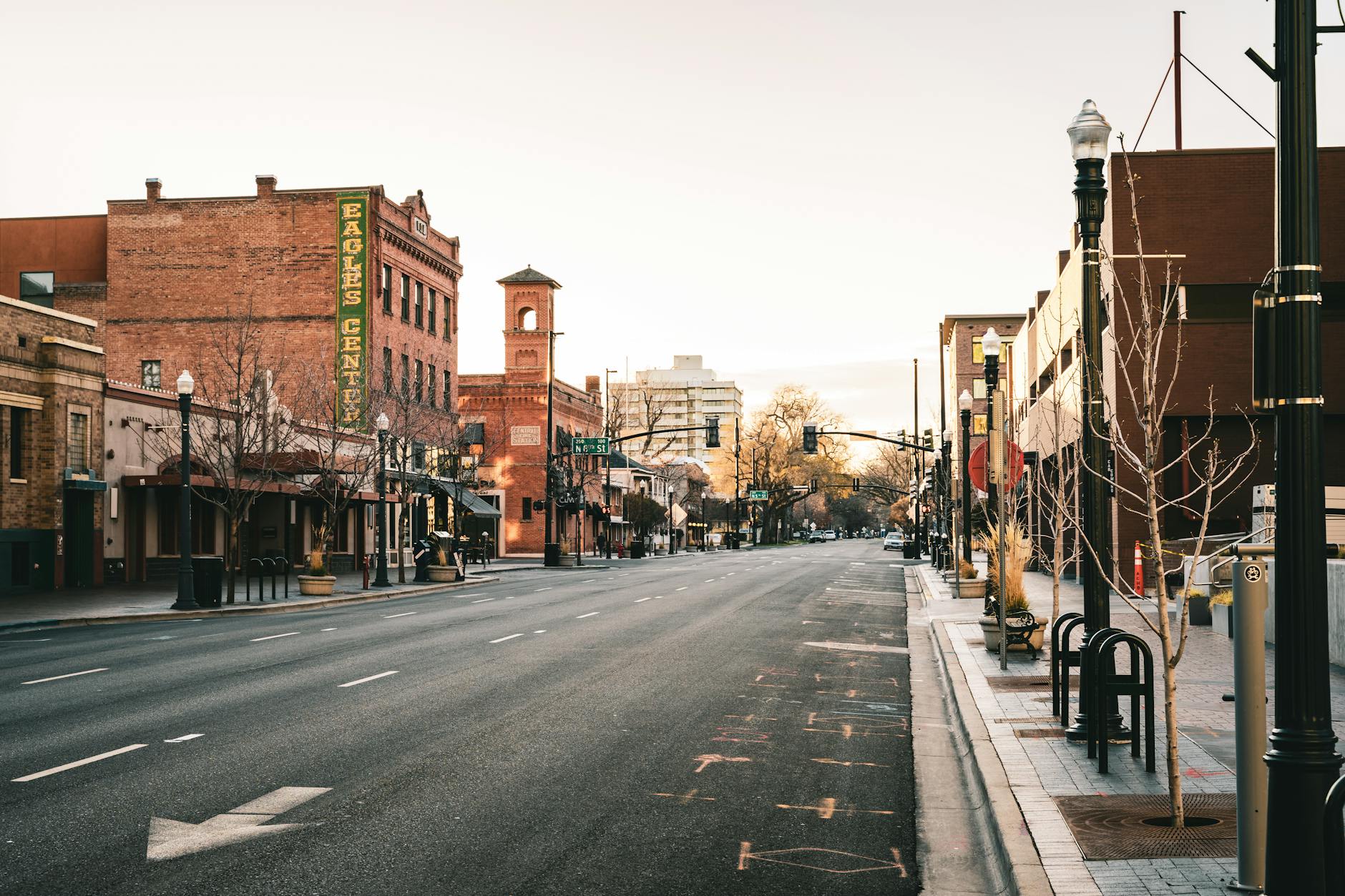
The history of Thornbury is not just dates and facts - it is the DNA of the current personality of this suburb.
The Name and the Land
Thornbury takes its name from an 1840s property called “Thornbury Park,” which occupied much of the area that’s now the suburb. Before European settlement, this was Wurundjeri country — part of the broader Kulin nation whose people lived along the Merri Creek corridor for tens of thousands of years.
The area was formally subdivided in the 1880s and 1890s, following the pattern of Melbourne’s northward expansion from the city centre. The street grid was laid out, allotments were sold, and the first wave of homes went up.
The Railway and Growth
Thornbury station opened in 1889 on what’s now the South Morang/Mernda line, connecting the suburb to the city and triggering residential development. Station Street — connecting to the train station — became one of the suburb’s early spines alongside High Street.
By the early 1900s, Thornbury was established as a working-class residential suburb. The housing stock from this era — weatherboard cottages and brick homes from the 1920s and 1930s — still defines much of the suburb’s residential character today.
The tram route along High Street (now the 86) cemented the suburb’s connection to both the CBD and surrounding suburbs like Northcote and Preston.
Post-War Migration
The story that most defines modern Thornbury begins after World War II. Waves of Greek and Italian immigrants settled in the inner north, and Thornbury absorbed a significant share. The evidence is everywhere: the street names that endured, the delis that still operate, the churches that anchored community life, and the housing stock that reflects families building modest homes and putting down roots.
High Street transformed during this era. Milk bars, butchers, hardware stores, and continental delis lined the strip. The social infrastructure — bowls clubs, sports clubs, church halls — was built by these communities and served as the gathering points for neighbourhood life.
The Thornbury Bowls Club on Bruce Street dates from this era and remains a genuine community institution today.
The Quiet Decades
Through the 1960s, 70s, and 80s, Thornbury was a stable, unremarkable working-class suburb. It didn’t attract attention, didn’t experience dramatic change, and didn’t appear on anyone’s “hot suburb” list. Residents lived, worked, and raised families without the suburb becoming a talking point.
This stability is important context. When change eventually came, it came to a suburb with deep roots and established communities who had every reason to feel protective of what they’d built.
Gentrification Arrives
Thornbury’s transformation began in the early 2000s, following the pattern that had already reshaped Fitzroy, Collingwood, and Brunswick. Artists, musicians, and students arrived first, drawn by cheap rent and character homes. Then came the cafes, replacing milk bars. Then the wine bars, replacing the second-hand shops. Then the property prices started climbing.
The gentrification wave that hit Northcote pushed north into Thornbury roughly a decade later. High Street gained specialty coffee roasters, craft beer venues like Carwyn Cellars (877 High St), and restaurants like Umberto Espresso Bar (676 High St) that drew diners from across Melbourne.
The Thornbury Theatre on High Street — originally a cinema from the 1930s — was revived as a live music and comedy venue, anchoring the cultural side of the strip’s transformation.
What Got Lost
Every suburban transformation has costs. The affordable shops that served the working-class community were replaced by venues serving a different demographic. Long-term residents were priced out of rentals. Some of the Greek and Italian institutions closed as their founding generation aged. The character of a suburb that didn’t care about Instagram was gradually replaced by one that did.
These aren’t abstract losses. They’re specific buildings, specific businesses, specific families who couldn’t stay.
Thornbury Today
In 2026, Thornbury carries its history visibly. The 1920s weatherboards sit beside new townhouse developments. The Greek delis share High Street with specialty coffee roasters. The Thornbury Bowls Club on Bruce Street serves $5 schooners to a crowd that spans generations.
The suburb sits under the City of Darebin (postcode 3071), connected to the city by Thornbury station on the Mernda line and the 86 tram along High Street. The Merri Creek Trail forms its western boundary, connecting to Coburg and the city beyond.
High Street between Darebin Road and Dundas Street is now one of Melbourne’s best dining strips — a status that would have been unimaginable to the families who built the suburb fifty years ago.
The Verdict
Thornbury’s history is Melbourne’s history in miniature: colonial subdivision, working-class settlement, post-war migration, and 21st-century gentrification. The suburb that emerged from each era is layered into the one that exists today. The question — always — is whether growth can happen without erasing what came before.
FAQ
When was Thornbury established? The area was subdivided in the 1880s-1890s. Thornbury station opened in 1889.
Why is Thornbury named Thornbury? After “Thornbury Park,” an 1840s property that occupied much of the area.
What council is Thornbury in? City of Darebin. Postcode 3071.
More on Thornbury:
💬 Discussion
Join the conversation — no account needed