Verdict Box
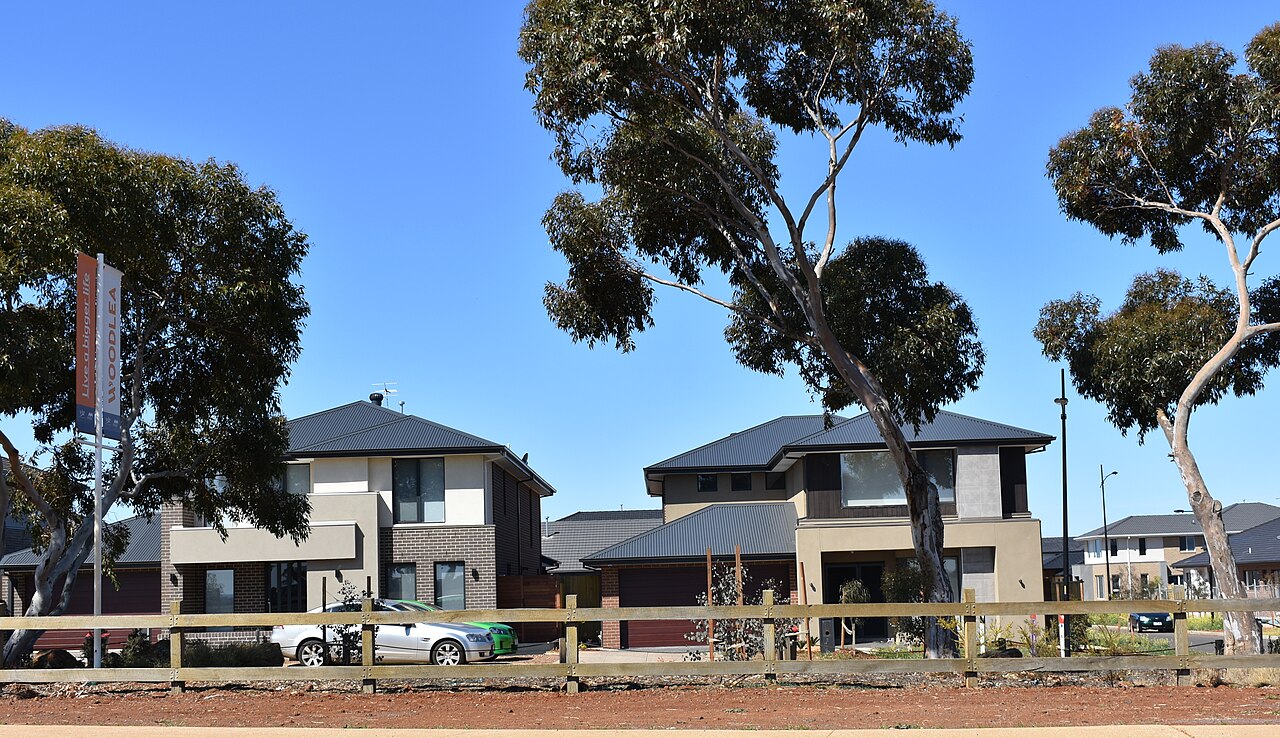
Honest reality: Thornhill Park is not an old suburb with a layered village centre; it is a new growth-corridor estate sitting on land that was rural fringe before Melbourne pushed west. That history matters because the houses arrived faster than the everyday infrastructure. Best for buyers or renters who want a newer four-bedroom house, garage storage and a quieter street before they want nightlife, rail at the doorstep or established retail. Skip if you expect walkable cafes, frequent buses, mature tree cover or a short city commute. Rent pressure is real but uneven: the suburb is cheaper than many middle-ring options, yet most stock is family-sized, so singles pay for rooms they may not need. Commute reality is car-heavy, with Cobblebank and Rockbank stations doing the work Thornhill Park cannot yet do itself. Food scene is thin locally; you drive to Caroline Springs, Melton or Cobblebank. Family fit is the strongest case, especially near Thornhill Park Primary School. Overall score: 6.4/10 if you accept the trade-off, 4/10 if you need amenity now.
At-a-Glance Table
| Factor | Thornhill Park 2026 |
|---|---|
| LGA | Melton City Council |
| Postcode | 3335 |
| Geographic tier | West |
| Region | outer-west |
| Transport grade | N/A |
| Overall grade | N/A |
Who It Suits
Mira, 34, first-home pragmatist — wants a newer house and accepts that the suburb is still unfinished. The Two-Car Family — can handle school runs, supermarket trips and station drop-offs without pretending it is walkable. Dev, 29, hybrid worker — values space and rent control more than after-work bars or a fast train walk.
Rent & Property Reality
Median 1BR rent: no reliable 2026 one-bedroom median is published for Thornhill Park; realestate.com.au shows the one-bedroom unit line as unavailable, while its broader Thornhill Park median rent is $450 per week with a 0% annual change based on recent rental listings. That is the most honest starting point, because treating Thornhill Park like an apartment suburb would mislead renters. The suburb is overwhelmingly a house-and-townhouse market, and the typical rental decision is not one bedroom versus two bedrooms; it is whether you can make a three or four-bedroom outer-west house work for your budget and commute.
The practical reading is this: Thornhill Park can look affordable beside inner and middle Melbourne, but only if you actually need the space. A single renter may find the headline rent awkward because the cheaper stock is not usually a compact flat above shops or a small unit near a station. It is more often a room in a share house, a secondary dwelling if available, or a full house where the weekly rent only makes sense when split. For couples and families, the numbers are more useful. REA lists two-bedroom houses around $420 per week, three-bedroom houses around $430 per week and four-bedroom houses around $475 per week, which explains why the suburb attracts people priced out of Caroline Springs, Taylors Hill, Aintree and parts of Melton with better established amenity.
Domain’s Thornhill Park profile also shows live rental examples clustered in the low-to-mid $400s for four-bedroom homes, including addresses around Ashoka Drive and Cranberry Crescent, which supports the same picture: this is not a premium lifestyle rent; it is a space-for-distance rent. The 0% annual movement should not be read as no pressure forever. New suburbs can pause when stock is plentiful, then jump when supply tightens or when families compete for school-zone convenience. The sharper risk is not the rent line alone; it is the hidden monthly spend on fuel, toll exposure, second-car ownership, station parking and takeaway trips because the suburb does not yet carry enough daily services on foot.
Local Reality & Pockets
The pocket to favour depends on your tolerance for driving. If Thornhill Park Primary School is part of the plan, look around the more internal residential streets near Sadie Avenue and the school-side parts of the estate, because the morning routine is simpler and you are less exposed to the big-edge roads. Streets such as Ashoka Drive, Lynwood Drive, Cranberry Crescent, Dawson Street, Bingham Circuit and the smaller crescents off them are typical of the newer estate pattern: garages, compact front setbacks, narrowish local streets and houses designed around cars first. They can be quiet at night, but parking gets messy when every adult in a household has a vehicle and visitors arrive on the same evening.
Be more cautious on the harder edges: near Mount Cottrell Road, Paynes Road, the Western Freeway side and any pocket where construction traffic is still part of the daily background. Thornhill Park’s northern relationship with the freeway is useful on a map but not always pleasant in lived experience. Noise varies with wind, truck movement and where the house sits behind barriers or open land. If you are inspecting, stand outside for five minutes instead of trusting a closed-window walkthrough. Also check whether the street is still dealing with vacant blocks nearby; dust, trade parking and early-morning machinery can change the feel of a rental quickly.
Transport is the main honest gotcha. Thornhill Park has no train station operating in the suburb, so residents lean on Cobblebank, Rockbank or Melton depending on address, parking and work pattern. That makes the commute a chain: drive, park, train, then city connection. If one link breaks, the whole morning stretches. The second gotcha is amenity maturity. A supermarket or small local strip helps, but the suburb does not yet have the depth of Caroline Springs or Melton for medical appointments, dinner, clothing, late pharmacy runs or wet-weather kid activities. Before signing, test the exact weekday trip you will make most: school to station, station to home, home to groceries, or freeway to driveway at peak. Thornhill Park rewards people who measure reality, not brochure distance.
Signature Craving
Honest reality: Thornhill Park is a residential, quiet pocket first, and a dining suburb second. There may be small local convenience options, but the reliable brunch or dinner routine usually points out of the estate. The practical neighbouring run is Caroline Springs, where The Jolly Miller Cafe at CS Square on Lake Street gives Thornhill Park locals the kind of breakfast-and-coffee stop they do not consistently get at home. It is not a romantic local ritual; it is a car trip, a parking decision and often part of a bigger shop. That is the point. Thornhill Park’s food culture in 2026 is still borrowed from surrounding suburbs. If you need a Saturday morning choice within a short walk, this suburb will frustrate you. If you are already driving to CS Square, Cobblebank Village or Melton for errands, folding coffee into the trip feels normal.
Comparisons Table
| Suburb | Transport | Tier | Region |
|---|---|---|---|
| Thornhill Park | N/A | West | outer-west |
| Aintree | D | West | outer-west |
| Bonnie Brook | N/A | West | outer-west |
| Brookfield | C+ | West | outer-west |
Trust Block
Author: Jack Morrison — Bayside and west property correspondent. Walks every suburb he writes about.
Data: data/melbourne_suburbs_master.json (Codex per-LGA enumeration, cross-checked vs VEC + Australia Post + ABS SA2 boundaries), data/suburb_scores.json (composite percentile grades), data/venues/.json (OpenStreetMap + Gemini-verified venue catalog).
Last reviewed: 2026-05-25. Not financial advice. We do not accept paid placements in editorial.
FAQ
Q: Is Thornhill Park actually historic, or is it just a new estate? A: Thornhill Park is mostly experienced as a new residential estate, not as a suburb with a preserved main street, old pub strip or heritage shopping core. Its history is more about land-use change: rural-fringe paddocks, planning overlays, growth-corridor subdivision and the westward expansion of Melbourne housing. That is why the suburb can feel visually new but structurally unfinished. The history shaped the present by delivering wide residential release areas before the suburb had the mature transport, retail and civic layers people associate with older Melbourne suburbs.
Q: Is Thornhill Park a good suburb for renters in 2026? A: It can be good value if you want a newer house and are realistic about transport. The strongest renter fit is a family, couple or share household that can use three or four bedrooms and has access to at least one car. It is weaker for solo renters because published one-bedroom data is thin and the suburb is not built around compact apartments near rail. The rent may look manageable, but the full cost includes fuel, station access, parking pressure and the time cost of leaving the suburb for many basics.
Q: What is the biggest mistake people make before moving to Thornhill Park? A: The biggest mistake is inspecting the house but not testing the routine. A new kitchen, garage and extra bedroom can distract from the fact that the train is not in the suburb, the freeway can be slow, and local amenity is still catching up. Anyone serious should do a weekday peak-hour drive to Cobblebank or Rockbank station, check parking, then continue the commute. They should also drive to groceries, school, childcare and a GP from the exact address. In Thornhill Park, the address matters more than the suburb name.
Q: Which parts of Thornhill Park are better for families? A: Families should usually start with the school-side and internal residential pockets, especially if Thornhill Park Primary School is relevant. Being closer to school, parks and quieter internal streets can remove daily friction. Streets around Sadie Avenue and established internal estate roads tend to make more sense than edge locations exposed to heavier roads or active construction. That said, the best family pocket is not just the prettiest street. It is the one where school drop-off, supermarket trips, station access and visitor parking all work without turning every day into a driving puzzle.
Q: How bad is the commute from Thornhill Park? A: The commute is workable but rarely elegant. Thornhill Park does not have its own operating railway station, so most public-transport commuters depend on driving or being dropped at Cobblebank, Rockbank or Melton. That adds a transfer before the train journey even begins. Driving to the CBD can be highly variable because the Western Freeway corridor carries local growth traffic, freight and longer-distance movement. Hybrid workers can manage the compromise better. Five-day city commuters should be cautious unless they have tested the actual peak trip from the property, not just looked at map estimates.
Q: Does Thornhill Park have enough shops and food options? A: Enough for basic living is different from enough for convenience. Thornhill Park has some local services and nearby supermarket options, but it does not yet behave like an established suburb with deep retail, cafes, restaurants, medical services and late-trading choices within easy walking distance. Residents commonly lean on Cobblebank, Caroline Springs and Melton for bigger errands or a proper meal out. That is not a deal-breaker for everyone, but it changes the rhythm of life. You plan trips, combine errands and use the car more than marketing material tends to admit.
Q: Is Thornhill Park noisy? A: Some streets are quiet, but noise is very address-specific. The Western Freeway edge, Mount Cottrell Road side, Paynes Road side and areas near ongoing building activity can feel different from internal streets set deeper in the estate. Noise can come from trucks, commuter traffic, weekend works, dogs in compact yards and construction vehicles around unfinished blocks. A daytime open-home inspection is not enough. Visit in the morning peak, after dark and on a windy day if possible. The same floorplan can feel peaceful or exposed depending on its exact position.
Q: Is Thornhill Park better than Cobblebank or Rockbank? A: Thornhill Park is not automatically better or worse; it is a different compromise. Cobblebank has the stronger station-and-town-centre logic, so it can suit commuters who want rail access and more emerging services nearby. Rockbank can suit people who want the train closer, depending on the address, but it has its own growth-area limitations. Thornhill Park’s pitch is newer housing and residential calm, not superior walkability. If the household is car-based and wants a newer home, Thornhill Park can work. If the household is rail-led, Cobblebank often deserves the first inspection.
Q: Would I buy in Thornhill Park for long-term growth? A: The long-term argument is that Thornhill Park sits in a growth corridor where infrastructure, population and surrounding services should keep filling in over time. The risk is timing. Buyers can spend years living with the inconvenience before the suburb feels complete, and not every promised upgrade arrives when residents expect it. Land supply across the outer west also matters because similar new-house options compete with each other. A sensible buyer should focus less on suburb hype and more on the exact block, build quality, orientation, parking, school access and how exposed the address is to road noise or future construction.