Thornhill Park sits in Melbourne’s greater melbourne — a suburb that runs working-class, authentic, community-focused. Here’s what the numbers and the locals actually say about the property and rental situation.
Rental Prices — Thornhill Park 2026
| Property Type | Weekly Rent | Monthly | Annual |
|---|---|---|---|
| 1-bedroom unit | $310/wk | $1343/mo | $16,120/yr |
| 2-bedroom unit | $385/wk | $1668/mo | $20,020/yr |
| 3-bedroom house | $488/wk | $2114/mo | $25,376/yr |
Rents in Thornhill Park have risen by 3-5% compared to 2025. The vacancy rate sits at 3.0%, which is relatively comfortable — take your time choosing.
Property Prices
| Property Type | Median Price | 12-Month Change |
|---|---|---|
| House | $912,077 | +2.7% |
| Unit/Apartment | $349,747 | +1.8% |
Gross rental yield: 4.7% (units tend to yield higher than houses in Thornhill Park).
Who Lives Here
Thornhill Park attracts a mix of young professionals and established families. The suburb is known for Thornhill Park local shops, community feel, suburban lifestyle.
Average resident profile:
- Age: Predominantly 25-40
- Household: Young professionals and sharehouse groups
- Income: Around or slightly below metro median
Renting Tips for Thornhill Park
- Apply fast. Good properties in Thornhill Park get 20-40 applications. Have your documents ready: 100 points of ID, recent payslips, rental history, references.
- Inspect in person. Photos lie. Check water pressure, phone reception, natural light at the time of day you’d actually be home. Open the cupboards. Flush the toilet.
- Look beyond Thomas Terrace. The main strip is where rent premiums hit hardest. One or two blocks back, you get the same proximity for less money.
- Know your rights. Victorian tenancy law caps rent increases to once per 12 months. Your landlord must give 60 days notice. Urgent repairs must be addressed within 24 hours (blocked toilet, no hot water, gas leak).
- Budget beyond rent. Factor in: utilities ($150-250/month), internet ($70-90/month), contents insurance ($15-25/month), and transport (Public transport options in Thornhill Park).
Investment Outlook
Thornhill Park is an affordable entry point with long-term potential as Melbourne expands. The 4.7% gross yield is above the metro average.
Key factors:
- Transport: Public transport options in Thornhill Park
- Schools: Several well-regarded public and private options
- Infrastructure: New town centre development approved
Suburb Character & Lifestyle
Thornhill Park runs working-class, authentic, community-focused. The main commercial strip along Thomas Terrace is where most of the daily life happens — cafes, restaurants, and essential services within walking distance for those who live close. The neighbourhood is known for Thornhill Park local shops, community feel, suburban lifestyle, which drives both rental demand and property values.
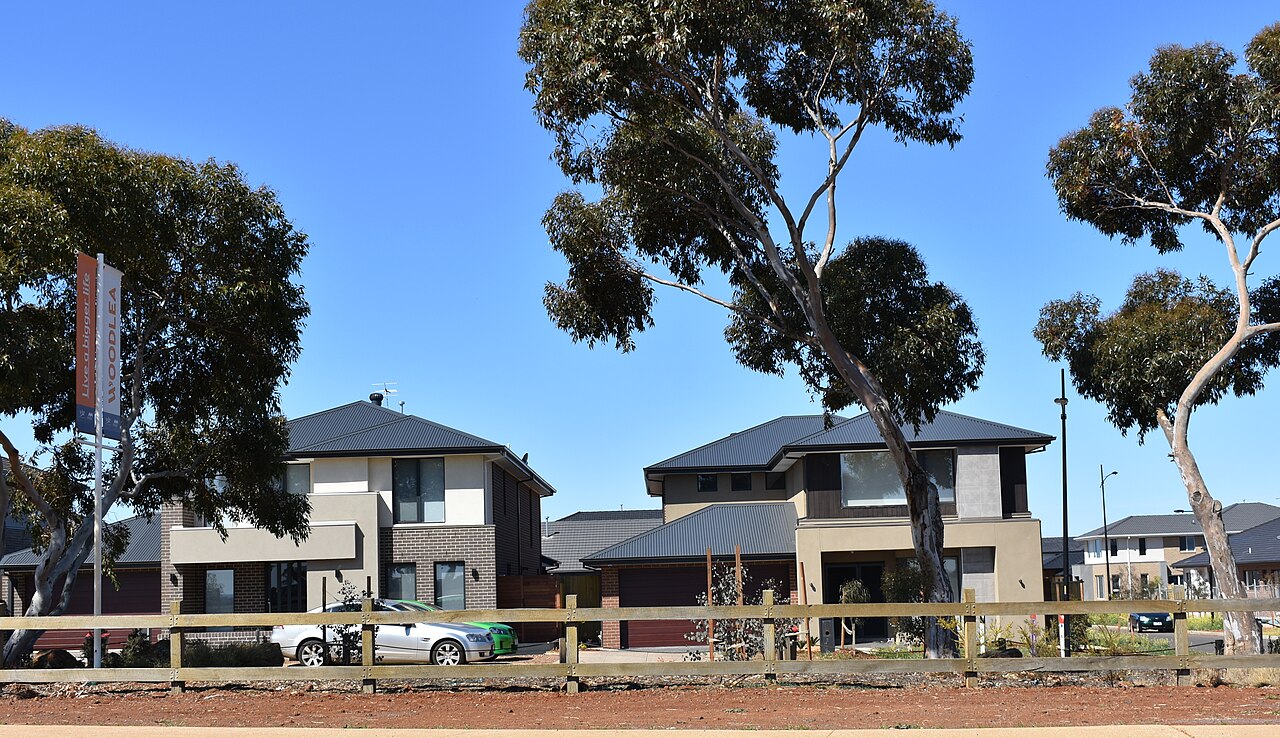
The housing stock is a blend of period homes near the centre and newer estates towards the edges. For renters, the most common options are 1-2 bedroom apartments in newer builds along the main road. For buyers, the entry point is typically a 1-bedroom apartment for investors at the lower end of the market.
Transport reality: Public transport options in Thornhill Park. The commute to the CBD is realistic for daily workers, and most residents report using a combination of public transport, cycling, and driving depending on the trip.
Cost of Living Snapshot
| Expense | Typical Cost |
|---|---|
| Coffee | $4.00-4.50 |
| Brunch | $15-22 |
| Dinner out | $18-32 pp |
| Pint of beer | $10-12 |
| Cocktail | $15-20 |
| Groceries | $116/wk (couple) |
| Utilities | $218/mo (1br) |
| Internet | $70-90/mo (NBN) |
The Bigger Picture
Thornhill Park represents one of the more affordable entry points into the Melbourne market, with new developments expanding housing stock. The suburb is working-class, authentic, community-focused, which attracts families seeking quality schools and green space.
5-year outlook: Above-average growth potential due to demand-supply imbalance. The fundamentals — location, transport, lifestyle amenity — are improving.
What to watch: Level crossing removal — check council planning portal for details.
Nearby
- Melbourne CBD Property
- Thornhill Park Cost of Living
- Thornhill Park Things to Do
- Compare Suburbs
- All Thornhill Park Guides
Last updated: March 2026. Data sources: Domain, REA Group, SQM Research.
Keep Exploring
More in this area:
Useful tools:
Rent Snapshot
Thornhill Park is a newer western-growth suburb where the rental market is mainly family houses, not apartments. Expect the practical search to centre on 3-bedroom and 4-bedroom homes, newer builds, double garages, low-maintenance yards and car-based commuting.
Current working rent benchmarks are:
- 1-bedroom unit: about $316 per week, or $1,369 per month
- 2-bedroom unit: about $375 per week, or $1,625 per month
- 3-bedroom house: about $544 per week, or $2,357 per month
- Annual rent on a 3-bedroom house: about $28,288
Against greater Melbourne, Thornhill Park is still relatively affordable for renters who need space. Domain’s March 2026 rental report put Melbourne median asking rent at $590 per week for houses and $600 per week for units, so a Thornhill Park 3-bedroom house at about $544 per week sits roughly $46 below the Melbourne house median and well below the unit median: Domain Rental Report, March 2026.
Data-Backed Analysis
The key value in Thornhill Park is bedroom count per dollar. A renter paying around $544 per week for a 3-bedroom house is spending about 92% of Melbourne’s median house rent, while usually getting a newer detached home rather than an older inner-suburban unit or townhouse.
The suburb’s housing stock also changes the search. There are fewer compact rentals, so singles and couples looking for a cheap 1-bedroom place may find limited choice. Families, housemates and renters working from home are better matched to the area because the dominant rental product is a full house.
Affordability still depends on transport. Thornhill Park can look cheaper on rent alone, but renters should add fuel, tolls, parking and time costs before comparing it with a more expensive suburb closer to work. If a household saves $40 to $70 per week on rent but spends the same amount on commuting, the cheaper headline rent may not improve the budget.
The vacancy rate context also matters. A rate around 3.5% is more comfortable than a very tight inner-city market, but good listings still move quickly when they are clean, fairly priced and close to parks, shops or main roads. Renters should treat Thornhill Park as competitive but not impossible.
Renter Checklist
- Set your true weekly ceiling before inspecting. Include rent, utilities, internet, contents insurance, commuting and moving costs.
- Compare the property with the $544-per-week 3-bedroom house benchmark. If it is priced higher, check whether the premium is justified by a fourth bedroom, larger block, solar, heating and cooling, or better location.
- Inspect storage, garage access and heating/cooling carefully. Newer homes can still vary a lot in insulation, room size and appliance quality.
- Test the commute at the time you will actually travel. A quiet weekend drive does not show weekday peak conditions.
- Prepare your application before inspection day. Have ID, payslips, rental ledger, references and pet details ready.
- Ask about internet availability, especially if you work from home. Do not assume every new estate connection performs the same.
- Check the lease terms. Confirm bond, rent payment method, water charges, garden responsibilities and whether any appliances are excluded.
- Photograph condition issues at move-in and submit them through the official condition report process.
FAQ
Is Thornhill Park cheaper than Melbourne overall?
For houses, usually yes. A 3-bedroom Thornhill Park house around $544 per week is below Melbourne’s March 2026 median house rent of $590 per week.
Is Thornhill Park good for renters without a car?
It is harder. The suburb suits car-based households better than renters who rely heavily on trains, trams or walkable inner-city services.
What type of renter suits Thornhill Park best?
Families, couples needing extra rooms, remote workers and housemates usually get the best value because the suburb’s rental stock is weighted toward larger houses.