
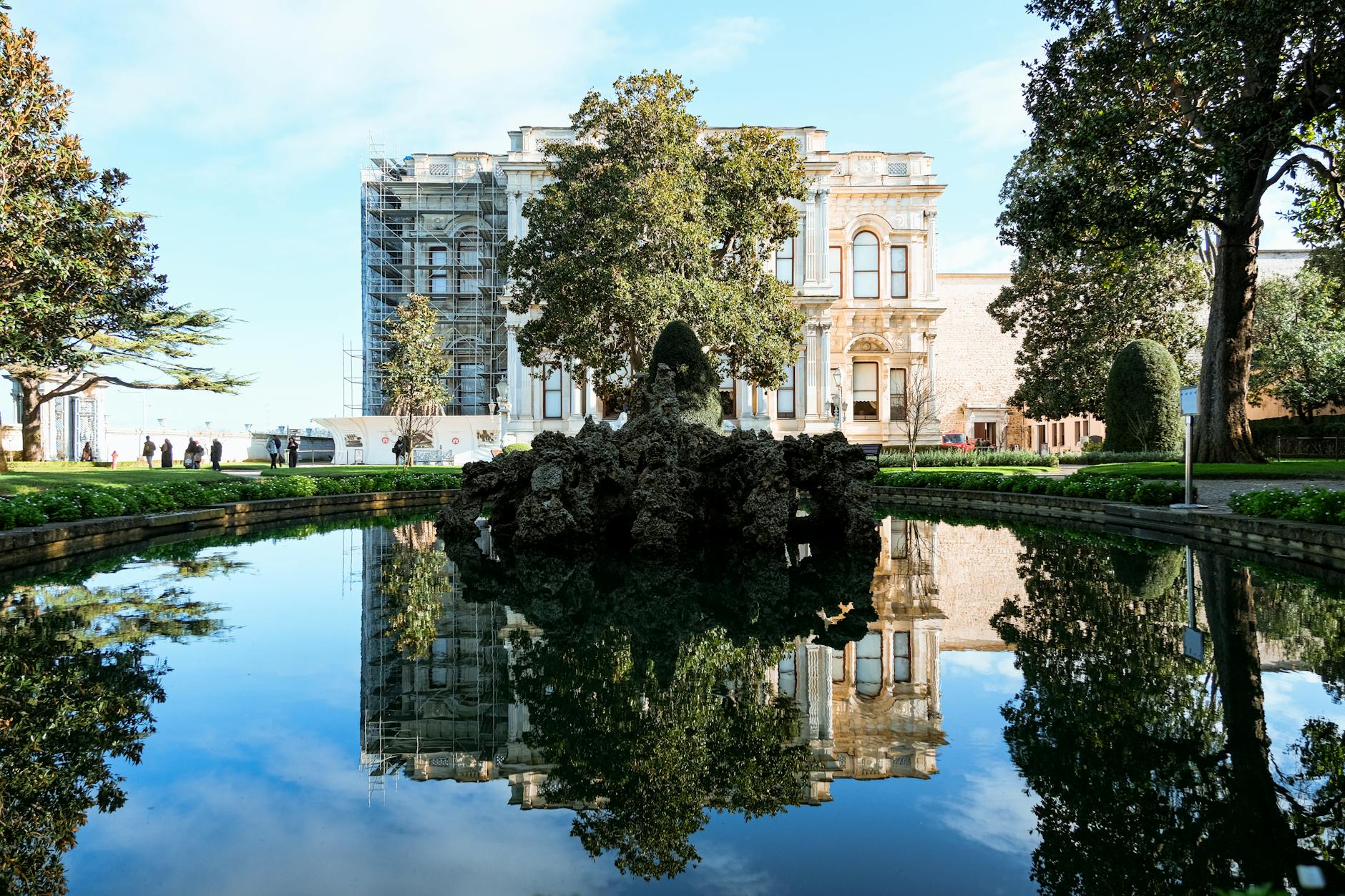
Toorak’s history isn’t the gentrification story that defines most Melbourne inner suburbs. There was no working-class-to-trendy transformation, no waves of affordable housing replaced by cafe culture. Toorak has been Melbourne’s prestige address since the suburb was first established, and understanding that continuity explains why the suburb feels the way it does today.
See our full Toorak suburb guide for the current picture.
The Origins — 1840s to 1860s
The name “Toorak” comes from Toorak House, a grand residence built in 1849 for James Jackson, a merchant, near what is now the intersection of Toorak Road and St Georges Road. The house’s name itself likely derives from an Aboriginal word, though the exact language and meaning are debated.
When Melbourne’s gold rush generated enormous wealth in the 1850s, the newly rich looked for elevated land away from the river flats and swamps of the city centre. The ridge above the Yarra — where Toorak sits — offered exactly that: high ground with views, clean air, and enough distance from the noise of commerce. The wealthy built mansions here from the start.
Como House on Como Avenue, built in 1847 and expanded in the 1870s, is the best surviving example of this era. Now managed by the National Trust, its Italianate architecture and landscaped gardens preserve what the suburb looked like when it was a collection of estates rather than a suburb.
The Establishment Era — 1870s to 1920s
By the late 19th century, Toorak was firmly established as Melbourne’s most fashionable address. The streets that radiate off Toorak Road — Irving Road, Albany Road, St Georges Road, Lansell Road — filled with grand homes in Victorian and Edwardian styles. The suburb attracted families whose wealth came from pastoralism, mining, banking, and the professions.
Toorak Road itself developed as a commercial strip serving these households. The village that exists today between Canterbury Road and Wallace Avenue has its roots in this period — a curated collection of shops that catered to residents who expected quality.
The private schools that define Toorak’s family appeal were established during this era. Melbourne Grammar School (founded 1858, though technically across the river) and Lauriston Girls’ School (founded 1901 on Huntingtower Road) became pillars of the suburb’s identity.
The 20th Century — Stability and Subdivision
Unlike suburbs such as Fitzroy or Collingwood — which cycled through boom, decline, and gentrification — Toorak remained wealthy throughout the 20th century. The demographic stayed remarkably consistent: established families, professional elites, and old money.
The main change was architectural. Post-war subdivisions carved some of the larger estates into townhouse developments and apartment blocks. Kooyong Road and Canterbury Road saw particular density increases. The mansion-to-units conversion became a Toorak pattern — grand gardens replaced by driveways, ballrooms divided into two-bedroom flats.
This wasn’t decline — it was the suburb adapting to a city that needed more housing. The new apartments attracted a broader (if still wealthy) demographic, and the village shops evolved to serve them.
Toorak Today
The suburb in 2026 carries its history visibly. Period mansions on Irving Road sit alongside 1970s apartment blocks on Canterbury Road. The village shops include both old-establishment businesses and newer arrivals. France-Soir on Toorak Road has been serving French bistro food since the 1980s and feels like it’s been here since the gold rush.
Toorak’s cultural contribution is subtle but real: Como House hosts events and exhibitions, the gardens are maintained as public parkland, and the National Trust connection gives the suburb heritage credibility that newer prestigious suburbs (like parts of Brighton) don’t possess.
FAQ
Has Toorak always been wealthy? Essentially yes. Since the 1850s, it has been one of Melbourne’s most expensive and prestigious addresses. There was no working-class phase.
What is Como House? A National Trust heritage property on Como Avenue, built 1847. One of Melbourne’s finest surviving colonial mansions with extensive gardens open to the public.
When was Toorak Village established? The commercial strip on Toorak Road dates to the late 19th century, though individual shops have turned over many times since.
Verdict
Toorak’s history is one of remarkable consistency. While most Melbourne suburbs have reinvented themselves at least once, Toorak has maintained its position at the top of the property ladder for nearly 180 years. That stability gives the suburb a depth of character — in its architecture, its institutions, and its self-image — that more recently gentrified areas are still developing.
More on Toorak:
Nearby suburbs: South Yarra · Hawthorn · Prahran · Richmond
💬 Discussion
Join the conversation — no account needed