
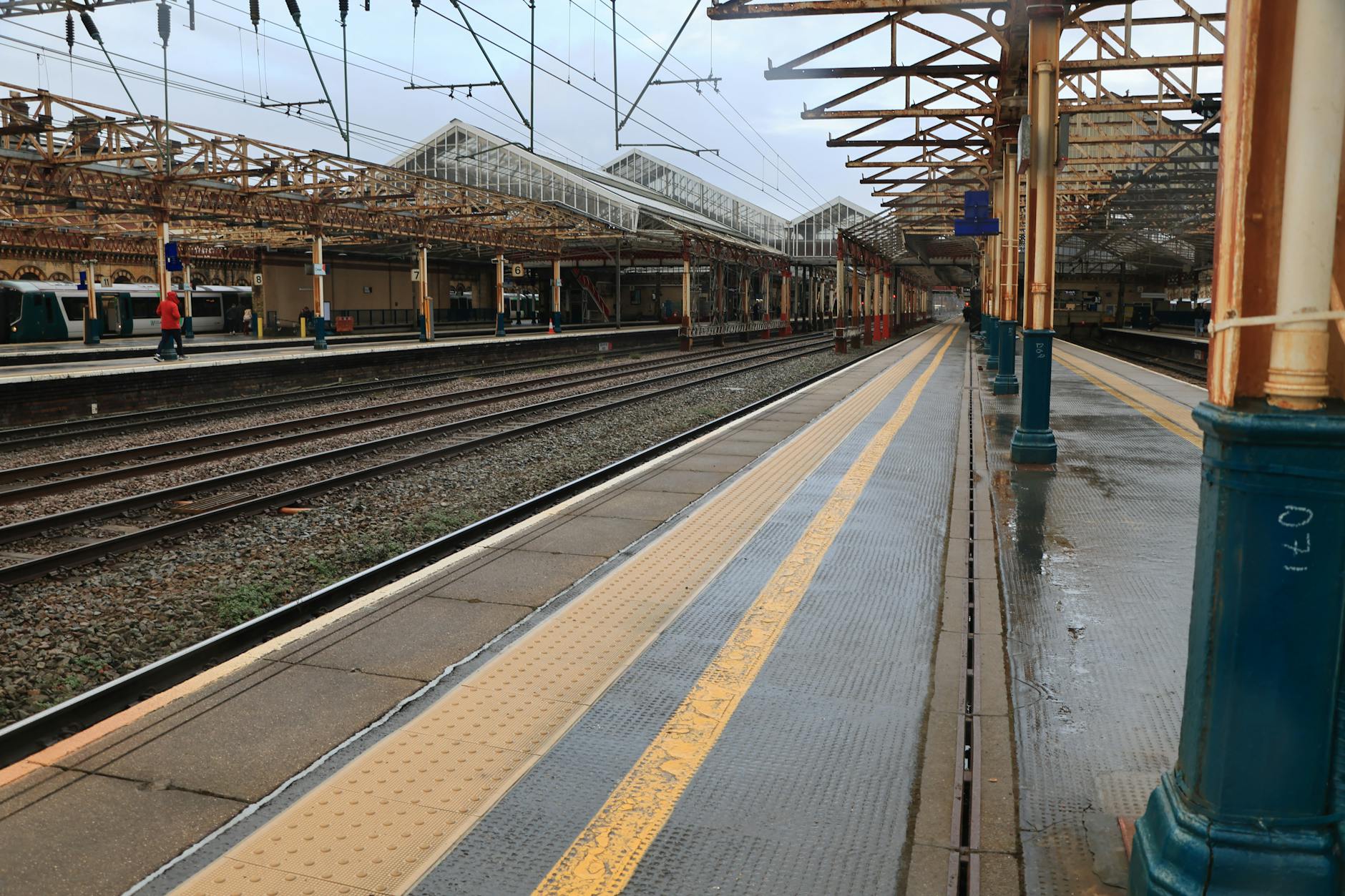
Toorak sits 5km south-east of the CBD in the City of Stonnington, and its transport connections are strong by Melbourne standards. You can reach Flinders Street Station in about 12 minutes by train, and the tram network provides alternatives along Toorak Road. A car is useful but not essential.
Check out our full Toorak suburb guide for the complete picture.
Train — Toorak Station (Glen Waverley Line)
Toorak station is on the Glen Waverley line, located on Grange Road near Toorak Road. Trains to Flinders Street run roughly every 10 minutes during peak and every 15–20 minutes off-peak. The journey to the city takes about 12 minutes, making this one of the faster inner-suburban commutes.
The station serves the western half of the suburb well. If you live closer to the Glenferrie Road end (eastern Toorak), Kooyong station on the same line is marginally closer.
Weekend services run less frequently — every 20 minutes — but are reliable enough for most plans.
Tram Routes
Tram 8 — Toorak Road
Tram 8 runs along Toorak Road connecting Toorak Village to the CBD via Domain Interchange and St Kilda Road. It’s the most useful tram for daily commuting and reaches the city in about 20–25 minutes depending on traffic and stops. Frequency is every 8–10 minutes during peak.
Tram 58 — Toorak Road
Tram 58 also services Toorak Road, running from Toorak to the CBD. It follows a similar route through South Yarra and into the city. Between the two tram routes, you’re rarely waiting more than 5–7 minutes for a tram on Toorak Road during peak hours.
The trams are particularly handy for reaching South Yarra — a short ride west — and for getting to the Botanical Gardens and South Melbourne without changing.
Driving and Key Roads
Toorak Road is the main east-west artery and connects to South Yarra, Armadale, and beyond. Peak-hour traffic can be slow, especially between Punt Road and Chapel Street.
Kooyong Road runs north-south through the suburb and provides access to the Monash Freeway heading east.
Canterbury Road is the quieter parallel route to Toorak Road — locals use it to avoid the main road congestion.
Parking in the village is time-restricted during business hours. Side streets off Toorak Road have resident permit zones. If you live in an apartment without a car space, check the street parking situation carefully before signing.
Cycling
Toorak is flat enough for comfortable cycling, and the back streets south of Toorak Road are quiet enough for confident commuters. The Main Yarra Trail runs along the northern edge of the suburb (following the Yarra River) and connects west to the Botanical Gardens and CBD, or east toward Hawthorn and Kew. It’s one of Melbourne’s best cycling commute routes — separated from traffic for most of its length.
Commute Times (Realistic)
| Destination | Train | Tram | Driving (peak) |
|---|---|---|---|
| Flinders Street | 12 min | 20–25 min | 15–30 min |
| South Yarra | 3 min | 5–8 min | 5 min |
| Richmond | 8 min | — | 10 min |
| Monash Uni (Clayton) | 35 min | — | 25–40 min |
FAQ
Does Toorak have a train station? Yes. Toorak station on the Glen Waverley line, located on Grange Road. Kooyong station is also close for the eastern end of the suburb.
Which tram goes to Toorak? Trams 8 and 58 both run along Toorak Road.
Can you live in Toorak without a car? Yes, comfortably. Train, two tram routes, and walkable village shops cover most daily needs. A car helps for weekend trips and supermarket runs.
Verdict
Toorak’s transport is among the better inner-suburban options. The Glen Waverley line is reliable, dual tram routes on Toorak Road provide redundancy, and the Main Yarra Trail adds a genuine cycling option. The main annoyance is Toorak Road traffic during peak — but that’s a driving problem, not a PT one.
More on Toorak:
Nearby suburbs: South Yarra · Hawthorn · Prahran · Richmond
💬 Discussion
Join the conversation — no account needed